


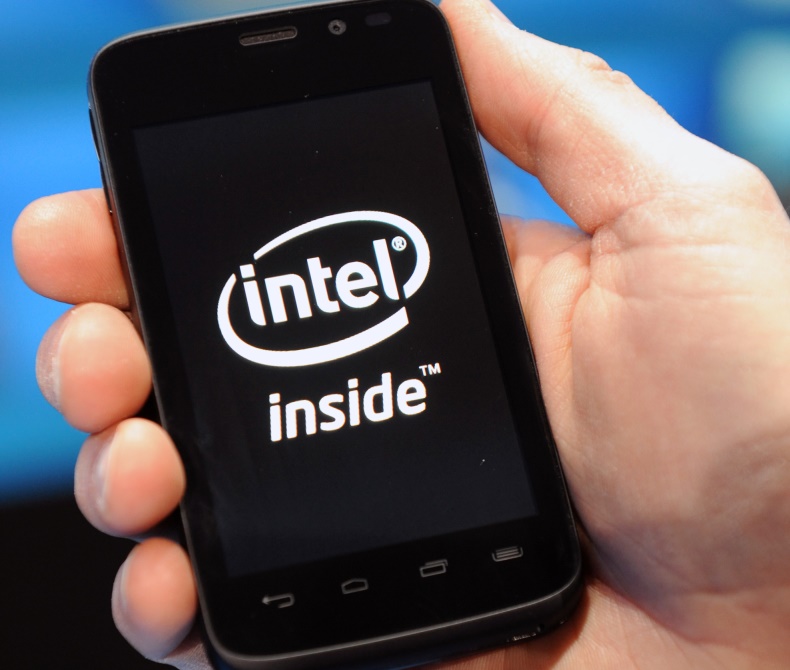
In a seismic move shaking up the semiconductor world, Nvidia (NASDAQ:NVDA) announced yesterday it was pouring $5 billion into its longtime rival Intel (NASDAQ:INTC | INTC Price Prediction). Nvidia is acquiring a stake in Intel at $23.28 per share while partnering on new PC and data center chips.
This isn’t just a financial lifeline for Intel’s beleaguered foundry business — it’s a bold bet to reshape the AI chip landscape and bolster U.S. semiconductor dominance in a geopolitically fraught world.
The investment is also aimed at strengthening Intel’s struggling foundry business, helping it catch up in the high-stakes race for chip manufacturing leadership.
The investment paints a picture of a strategic alliance amid fierce competition. Nvidia, riding high on its AI chip boom with revenues soaring past $100 billion in recent quarters, sees Intel’s manufacturing woes as an opportunity.
Intel has been hemorrhaging market share to Taiwan Semiconductor Manufacturing (NYSE:TSM), the global foundry leader, due to delays in its advanced process nodes and ballooning costs. By injecting $5 billion, Nvidia could secure priority access to Intel’s U.S.-based fabs, diversifying its supply chain away from Asia and hedging against geopolitical tensions like U.S.-China trade wars.
The Timing Couldn’t Be More Critical
The timing of this deal is no accident. Intel’s foundry ambitions, bolstered by over $2 billion in U.S. CHIPS Act funding, aims to produce cutting-edge chips by late 2025. Nvidia’s investment ensures it gets a front-row seat to these next-gen capabilities, potentially powering its AI GPUs and new joint chip designs.
As Nvidia stated in the announcement, this partnership will “accelerate innovation for the global AI ecosystem.” The deal also aligns with U.S. efforts to revive domestic chipmaking, reducing reliance on foreign foundries amid supply chain volatility.
But it’s not all smooth sailing. Intel’s history of execution stumbles raises questions about its ability to deliver on ambitious timelines. Nvidia’s bet hinges on Intel hitting its 2025 targets, a risky proposition given past delays. Meanwhile, Intel stock rocketing almost 23% higher while NVDA rose 3.5%.
Analysts are split, with most praising Nvidia’s strategic foresight though some warned of overreach in a volatile market.
Ripple Effects Across Tech’s Battleground
This deal could reshape the tech ecosystem. Competitors like Advanced Micro Devices (NASDAQ:AMD) and Broadcom (NASDAQ:AVGO) face new pressure if Intel’s foundries roar back to life — AMD fell almost 1%, AVGO was essentially flat.
For Nvidia, the investment diversifies its supply chain away from Taiwan Semiconductor, reducing reliance on Asia amid U.S.-China trade tensions. Consumers stand to gain, too — faster, cheaper AI chips could fuel everything from gaming rigs to autonomous vehicles, easing supply constraints that plagued the industry post-pandemic.
Yet, challenges also loom. Antitrust scrutiny could emerge, given Nvidia’s growing dominance in AI chips. Moreover, if Intel’s foundry turnaround falters, Nvidia’s $5 billion could be a costly misstep. Still, the deal signals a broader trend: rivals uniting to secure the AI supply chain.
As AI permeates healthcare, automotive, and beyond, such partnerships may become the industry rule..
Key Takeaway
For investors, this is a high-stakes chess move. Intel’s stock could see sustained short-term gains, offering value hunters a shot at a comeback story. Nvidia’s investors, however, may worry about capital tied up in a risky turnaround. Long-term, the deal strengthens Nvidia’s grip on AI chip leadership while giving Intel the cash to compete globally. Beyond profits, it’s a bet on U.S. tech resilience in an AI-driven future.
This $5 billion alliance isn’t just about chips; it’s about securing America’s edge in the global tech race — and Nvidia maintaining its dominant position in it. Whether it sparks a semiconductor renaissance or becomes a cautionary tale depends on execution, but one thing’s certain: the AI chip wars just got a lot hotter.










 Top Gaining Stocks
 Top Losing Stocks