



A Familiar Brew of High Hopes and Harsh Realities
Starbucks (NASDAQ:SBUX | SBUX Price Prediction) has been brewing turnaround plans for what feels like an eternity, cycling through CEOs and strategies like a barista experimenting with lattes. The company, known for its global coffee dominance, has faced shifting customer preferences, increased competition, and pandemic-related disruptions.
When Brian Niccol was appointed CEO in late 2024, investors were optimistic. Niccol’s success at Chipotle Mexican Grill (NYSE:CMG) — where he revitalized the brand through digital innovation and operational focus — raised hopes he could do the same for Starbucks.
However, a recently announced $1 billion restructuring plan, involving store closures and layoffs, suggests the company’s challenges are more complex than anticipated. After six consecutive quarters of declining same-store sales, including a 2% drop in the U.S. driven by a 2% decline in transactions, Starbucks is under pressure to rethink its approach and return to its core identity.
A Plan to Simplify Operations
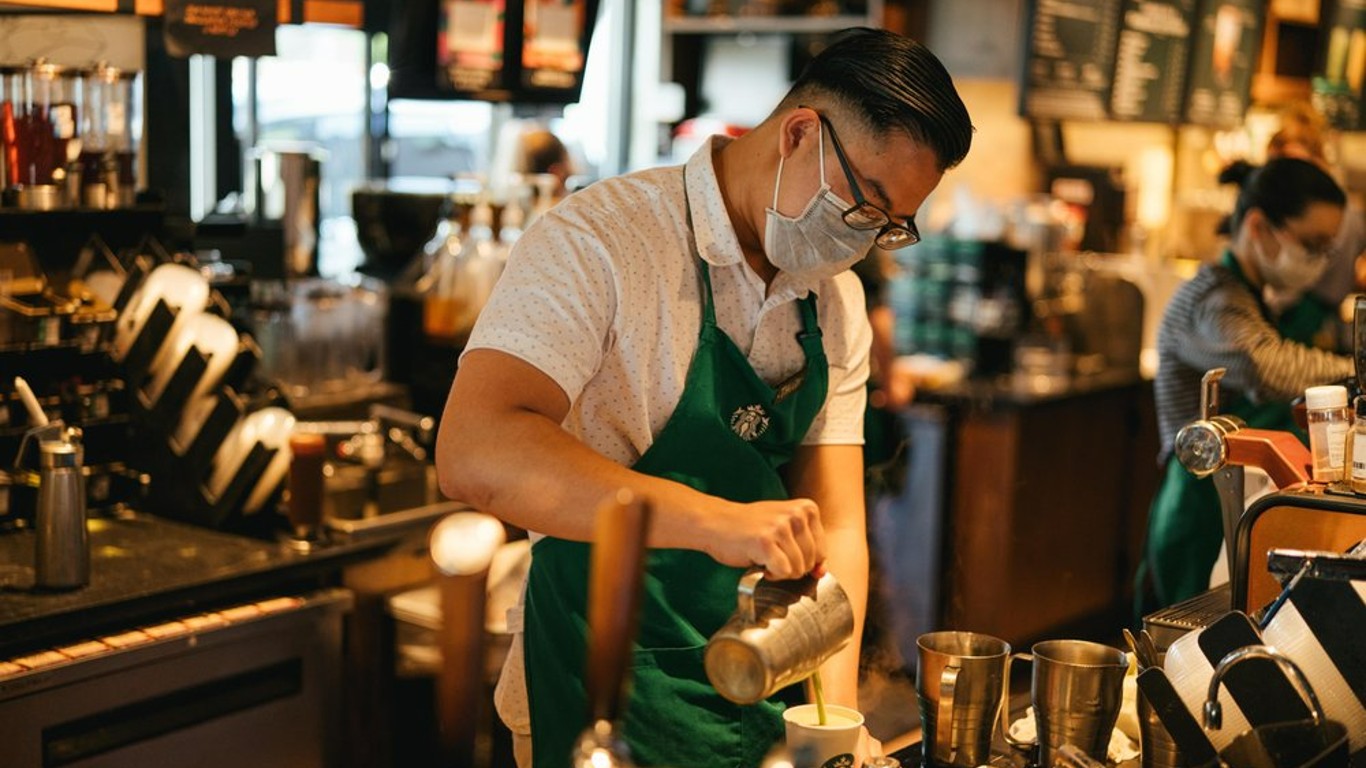
Niccol’s “Back to Starbucks” plan aims to refocus the company on its original strengths: quality coffee and a welcoming in-store experience. The restructuring includes reducing the menu by 30% by the end of fiscal 2025, streamlining offerings to prioritize popular items like core coffee drinks.
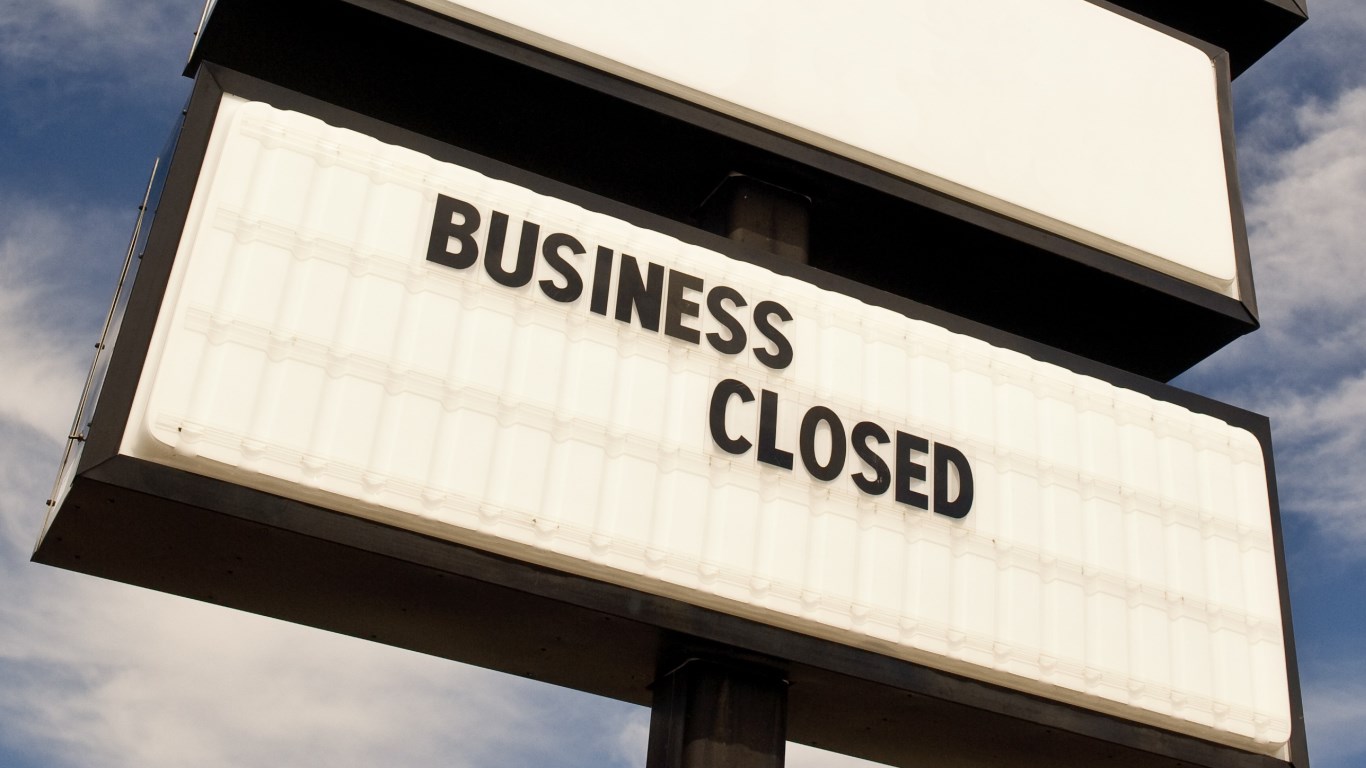
Under the just-announced restructuring plan, Starbucks will close approximately 500 underperforming stores in the U.S. and Canada, about 1% of its company-owned locations. This includes the Seattle Roastery, which opened in 2014 as a premium coffee destination but is now seen as unprofitable despite its unique design and high-end offerings.
The plan also involves cutting corporate staff, with severance costs contributing to the $1 billion charge, alongside lease terminations and asset write-offs. Starbucks aims to improve service speed, remodel over 1,000 existing stores, and shift away from heavy discounting to maintain its premium brand image.
Health-focused menu items, like high-protein cold foams, are set to launch this quarter. While closures dominate the headlines, Starbucks plans to resume net store growth in 2026, supported by technology investments to enhance mobile ordering and customer experience. Recent financials show a 4% revenue increase to $9.5 billion in Q3, but net income fell 47% to $558 million, reflecting its ongoing struggles.
Can Starbucks Regain Its Focus?
Starbucks’ global footprint of 39,000 stores — 18,300 in the U.S. and Canada — spanning drive-thrus, grocery products, and international markets, has made it challenging to maintain the community feel that defined its early success.
The restructuring addresses overexpansion by closing underperforming locations and simplifying operations, but it raises doubts about whether it goes far enough. Competition from chains like Dunkin’, Dutch Bros (NYSE:BROS), and China’s Luckin Coffee, combined with low barriers to entry in the coffee market, keeps pressure on Starbucks. U.S. traffic declines and operational issues, including union-related tensions at some closed stores, add complexity.
Analysts are divided on the plan’s impact. Optimists believe Niccol’s experience at Chipotle, where he drove consistent sales growth, could stabilize Starbucks by focusing on efficiency and customer loyalty. Others argue that the company’s size makes it difficult to execute changes uniformly across markets. International challenges, like supply chain issues and cultural differences, could further slow progress.
Reversing six quarters of negative growth is going to take time.
Key Takeaway
Starbucks’ turnaround depends on Niccol’s ability to streamline operations while recapturing customer loyalty.
The stock, trading around $84 per share, is down nearly 30% from its 2025 peak of $117, but at 31x forward earnings, it’s not exactly a value play for investors betting on a recovery, even though SBUX is supported by a 2.9% dividend yield. It has raised the payout by more than 13% annually over the past 10 years, but at around 8% over the last five.
Niccol’s track record suggests a reasonable chance of success, but challenges like global competition and economic uncertainty could delay results. Starbucks may yet stabilize as a reliable dividend stock, but returning to its growth-stock days will require consistent execution and a clear brand identity — a far more uncertain outcome.








 Top Gaining Stocks
 Top Losing Stocks