



The “buy the dip” financial news teleprompter readers and the 30-year-old portfolio managers who have never seen a market crash are always insisting that stocks are going to the moon. Market veterans and “Hey Boomer” professionals have seen this show before. In 1987, the Dow Jones Industrial Average plunged a stunning 22% in one day. Today, a comparable drop in the venerable index would be 10,400 points.
From 1929 to 1932, the stock market plummeted a stunning 83%, and many lost everything. That debacle contributed to the Great Depression, which lasted until the United States entered World War II in 1941.
From 2007 to 2009, during the height of the mortgage and real estate collapse, which brought us dangerously close to another depression, the market dropped 57%. Stocks finally bottomed at an ominous intraday low of 666 on the S&P 500 on March 9, 2009. That set the floor for the longest bull market in history, which ended in January 2022.
So, where do we stand now? We may be on the precipice of a much more significant decline than we have seen since earlier this year, with all major indices recently trading at all-time highs. One positive is that consumers and businesses are generally in reasonably good financial shape. Stock portfolios and home prices have increased dramatically over the past few years. And the economic system is not teetering on the abyss as it was globally in 2008 when Bear Stearns and Lehman Brothers collapsed. To avoid a similar fate, Merrill Lynch became part of Bank of America.
One thing is sure: if inflation rears its head again, the wars in the Middle East and Ukraine escalate, and our massive national debt (approaching $38 trillion) continues to spiral out of control, the path of least resistance will be downward. Additionally, if the AI bubble chatter intensifies, that could also add downside pressure. Investors should consider several crucial items now, as they may need to prepare for the worst, at least in the short term.
Start building a cash stash now

One positive is that consumers and businesses are generally in reasonably good financial shape. Stock portfolios and home prices have increased dramatically over the past few years. The economic system is not teetering on the abyss as it was globally in 2008. Matching current losses against gains, even if they are short term, makes sense to help build up a cash supply. The proverbial dry powder may come in handy down the road. High-yield money market savings pay as much as 3.95% and are insured up to $250,000.
Close out any margin positions immediately

Margin is the money borrowed from a broker to purchase an investment. When times are good, using margin loans to buy more stock is a bad plan for individual investors, especially when those margin positions are high-volatility momentum stocks. A market collapse could destroy a highly leveraged margin investment account.
Gold and silver still make sense

Gold is the most popular investment among all the precious metals and has been on a strong upward trend over the last year. As we have recommended for years at 24/7 Wall St., a gold position helps mitigate the downside, and it always makes sense to keep 3% to 5% in stock portfolios. One outstanding way to own physical gold is through the SPDR Gold Shares ETF (NYSE: GLD | GLD Price Prediction), which is one of the best pure plays on Gold for investors. The trust that sponsors the fund holds physical gold bullion and a portion of cash. Each share represents one-tenth of an ounce of gold. However, the fund does not pay a dividend.
Make sure investments reinvest in more shares
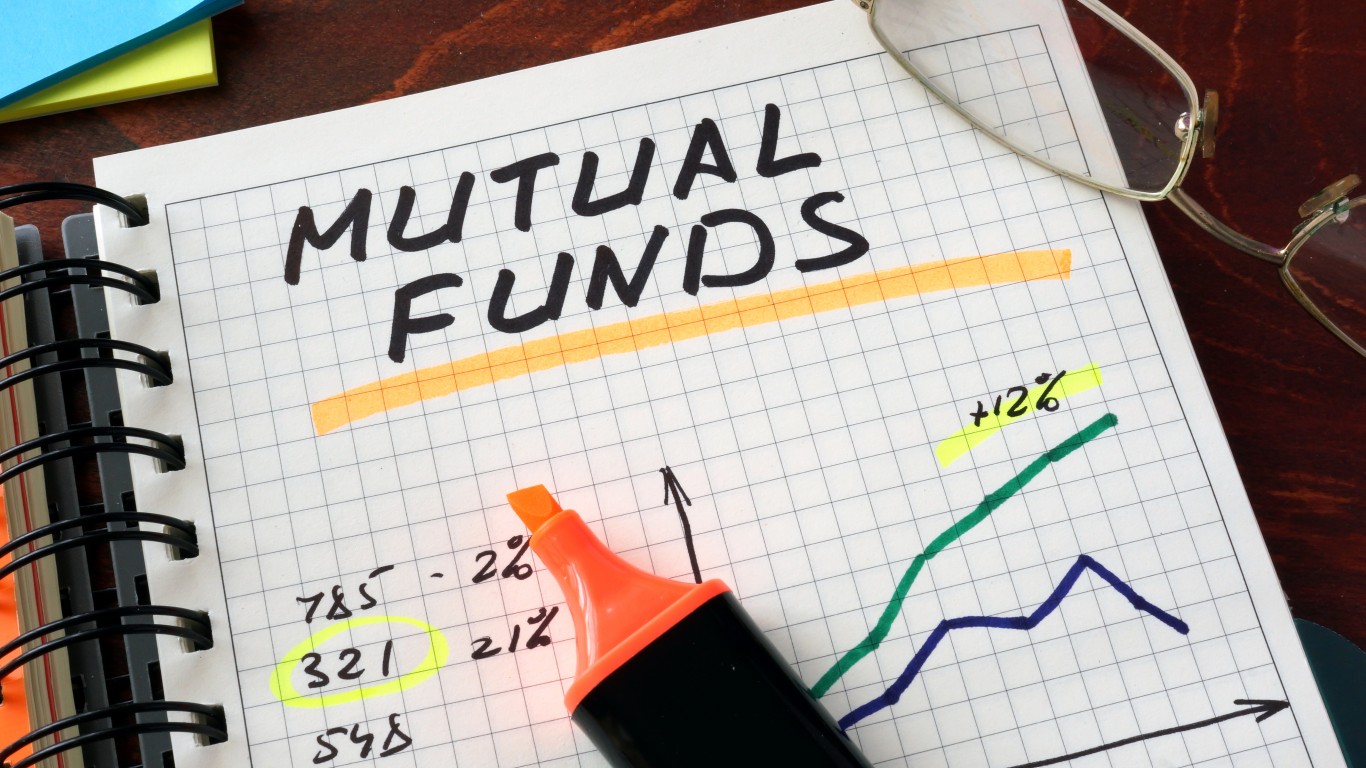
Dividend reinvestment is a great way for investors to steadily grow their wealth. Ensure that all the dividend-paying stock and mutual funds in personal and retirement accounts are coded to reinvest all capital gains and dividends, if possible. This allows you to buy more shares when prices falter. The fourth quarter is half over, and many stocks and funds pay dividends on a calendar quarterly basis. Therefore, be sure to check your accounts today.
Real estate can help

Buying and owning real estate is a strategic investment that can be both satisfying and lucrative. Consider real estate instead of the stock market if you have the good fortune to come into a windfall, like an inheritance or something similar. While mortgage rates have increased over the past two years, the 30-year fixed rate has risen as high as 7.25%. However, it has fallen back to 5.875% for a 30-year FHA mortgage. While still reasonable on a historical basis, that is the highest since 2008. Owning a cash-generating, passive-income rental property makes sense now.
U.S. Treasury bonds look great now

Treasury bonds include a range of debt securities issued and backed by the U.S. government. Sell high-volatility stocks and look at the short end of the Treasury market. The two-year note, like all Treasury debt, is guaranteed by the full faith and credit of the United States. It yields a solid 3.59%. One-year certificates of deposit yield as high as 4.05%. And gains in the stock market, and money market savings accounts, FDIC-insured up to $250,000, yield anywhere from 3.50% to 4.00% with daily liquidity.
One of the funds we highly recommend at 24/7 Wall St. is the SPDR Bloomberg 1-3 Month T-Bill ETF (NYSE: BIL), which currently yields 4.20%. The fund invests substantially all, but at least 80%, of its total assets in the securities comprising the index. It also invests in securities that the adviser determines to have economic characteristics substantially identical to the financial characteristics of the securities comprising the index. The index measures the performance of public obligations of the U.S. Treasury that have a remaining maturity of one month or more and less than three months.
Last but not least …

The Great Crash is primarily associated with October 24, 1929, known as Black Thursday, the day of the most significant stock market sell-off in U.S. history. The worst year for the stock market since 2008 was 2022. However, since November of that year, we have experienced three consecutive years of double-digit gains in the stock market. Remember that even the most challenging events in human history and investing have eventually been overcome. Whether healthcare-related, war-related, geopolitical, or domestic troubles or other issues that have combined to cause market sell-offs, they ultimately end. It makes sense to take advantage of the recent massive increases in stock prices and shift to higher and safer ground.
Goldman Sachs Says US Stocks Could Lag for 10 Years: 5 Strong Buy Value Dividend Ideas












 Top Gaining Stocks
 Top Losing Stocks