


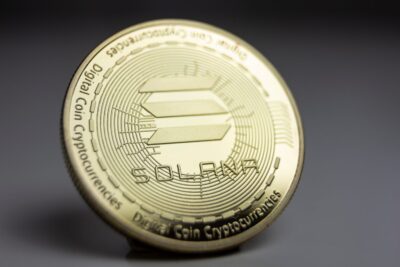
The Solana ecosystem is attracting more developers than ever. After recovering from the 2022 FTX collapse, Solana (CRYPTO: SOL) invested heavily in tools, hackathons, and grants to bring developers back.
The strategy worked. Electric Capital notes a 29.1% year-over-year increase in Solana’s full-time developers and a 61.7% rise over two years, while the Solana Foundation’s internal tracking shows a 42% jump in active developers after revamping its developer tools. Here’s what’s driving that surge and why it matters for the network’s future.
Solana’s Developer Numbers Hit New Peaks
Developers have been flooding back to Solana since late 2023. Electric Capital’s 2024 report ranked Solana as the top ecosystem for new developers, with 83% year-on-year growth. That momentum accelerated through 2025, with Solana adding 11,534 new developers in the first nine months compared to Ethereum’s 16,181.
Solana’s total active developer base now sits at 17,708, second only to Ethereum’s 31,869 but well ahead of Bitcoin’s 11,036. The figures show 29.1% annual growth and 61.7% growth over two years.
Chainspect data tells an even stronger story. Chainspect counts 10,733 active Solana developers, which would make it the largest developer base among blockchains. The gap between 17,708 and 10,733 comes down to methodology: Electric Capital tracks developers across multiple repositories without double-counting, while Chainspect appears to count by repository or commit activity.
The Solana Foundation argues Electric Capital’s numbers miss roughly 7,800 developers because many projects use private repositories that aren’t mapped. Either way, both datasets point to the same conclusion: Solana’s developer base hit record highs.
What’s Driving the Surge?
Developer growth doesn’t happen by accident. Solana made specific investments that paid off:
Better Tools and Education
Improved tooling made the difference. Frameworks like Anchor and the Solana Mobile Stack cut the complexity of writing programs, making it easier to build high-performance dApps. The Solana Foundation invested heavily in developer education through the Solana Educate series and regional bootcamps, onboarding thousands of new developers.
Grants and incentives for open-source tooling accelerated adoption further. These programs helped drive 83% year-on-year growth in active developers by 2024.
Hackathons and Community Support
Solana’s hackathon circuit became a major growth engine. Events like Riptide, Summer Camp, and Hyperdrive drew thousands of participants, with Hyperdrive alone attracting over 900 projects (a 63% jump from the previous event). But Solana didn’t just host these hackathons and call it a day. The foundation built a post-event pipeline with grants, investor connections, and technical support.
The retention numbers prove it worked: more than half of hackathon participants stayed active in the ecosystem. This created a powerful feedback loop where more developers built applications, attracting more users and funding, which in turn drew even more developers.
Network Upgrades and Performance
Technical improvements sealed the deal. Solana’s network upgrades (fee markets, spam mitigation, and priority fees) improved scalability and stability. The network now handles real-world transaction rates exceeding 10,000 TPS, with peak test rates above 100,000 TPS.
The Alpenglow consensus update cut block finality to 100-150 milliseconds, while the upcoming Firedancer client promises even higher throughput. These upgrades make Solana attractive for developers building high-frequency applications: decentralized exchanges, payment systems, gaming platforms.
Economic Incentives and Revenue Growth
Money talks. Solana’s protocol revenue exploded from about $13 million (2022-2023) to $2.85 billion (2024-2025). A 21Shares report notes Solana averages $240 million in monthly revenue, occasionally exceeding $600 million.
Daily revenue milestones tell the story. The ORE protocol alone hit $1 million in daily revenue, highlighting the network’s growing utility. Revenue growth links directly to developer activity: more applications generate more fees, which incentivize further development. Chainspect describes it as a self-reinforcing loop where protocol income attracts developers, new dApps drive usage, and redistributed fees encourage more building.
Why Developer Growth Matters
Developer activity acts as a leading indicator of a blockchain’s long-term health. A thriving developer base drives innovation, expands dApp selection, and improves user experiences. For Solana, record developer numbers signal a network that moved beyond survival mode into sustainable growth. Developer engagement produced a broader range of applications. Decentralized exchanges, NFT marketplaces, on-chain games, real-world asset tokenization, consumer-focused payment apps—all flourishing on Solana. This diversification reduces reliance on a few flagship projects and spreads risk across many use cases.
Developer growth creates network effects. As more projects launch on Solana, users stick around, which encourages other builders to deploy there too. Solana’s daily active addresses reflect this momentum: 1.2-1.5 million according to AInvest, outpacing Ethereum at a similar stage. The combination of high throughput (10,000+ TPS), low fees (often under a cent), and a growing user base creates a compelling environment for builders and investors.
Developer growth also signals shifting perception. After the FTX collapse, Solana faced serious skepticism about its future. Doubling down on developer support and infrastructure rebuilt trust among programmers, investors, and users. Institutions noticed. BlackRock and Franklin Templeton are experimenting with tokenized assets on Solana. Public companies are adding SOL to treasury allocations, and Solana-focused ETFs pulled in over $500 million in net inflows year-to-date.
This institutional momentum, driven by Solana’s developer ecosystem strength, continues supporting the network’s growth and reinforcing SOL’s long-term price trajectory.









 Top Gaining Stocks
 Top Losing Stocks