


Nvidia (NASDAQ:NVDA | NVDA Price Prediction) has ridden the AI wave to unprecedented heights. Its GPUs, essential for training massive language models and running inference in data centers, have fueled explosive growth. Demand from tech giants like Microsoft (NASDAQ:MSFT) and Alphabet (NASDAQ:GOOG)(NASDAQ:GOOGL) propelled Nvidia’s revenue from $27 billion in fiscal 2023 to over $102 billion through just the first three quarters of 2026 This surge pushed its market cap to $4.2 trillion, making it the world’s most valuable stock.
Yet, with shares pulling back 19% from summer peaks amid broader market jitters and easing AI hype, momentum has cooled. However, during Nvidia’s earnings conference call with analysts, CEO Jensen Huang recently spotlighted what he believes is the chipmaker’s next frontier — a potential trillion-dollar pivot.
Decoding Huang’s Vision
Huang has long believed AI doesn’t just enhance our daily lives, it is fundamentally reshaping industries. He says we’re already seeing the results of the deeper integration of AI into our existence through “agentic AI” that is poised to become the new digital workforce, automating tasks that are mundane, repetitive, or require complex decision-making. We’ll soon have AI that can act, reason, and interact with the physical world like humans do.
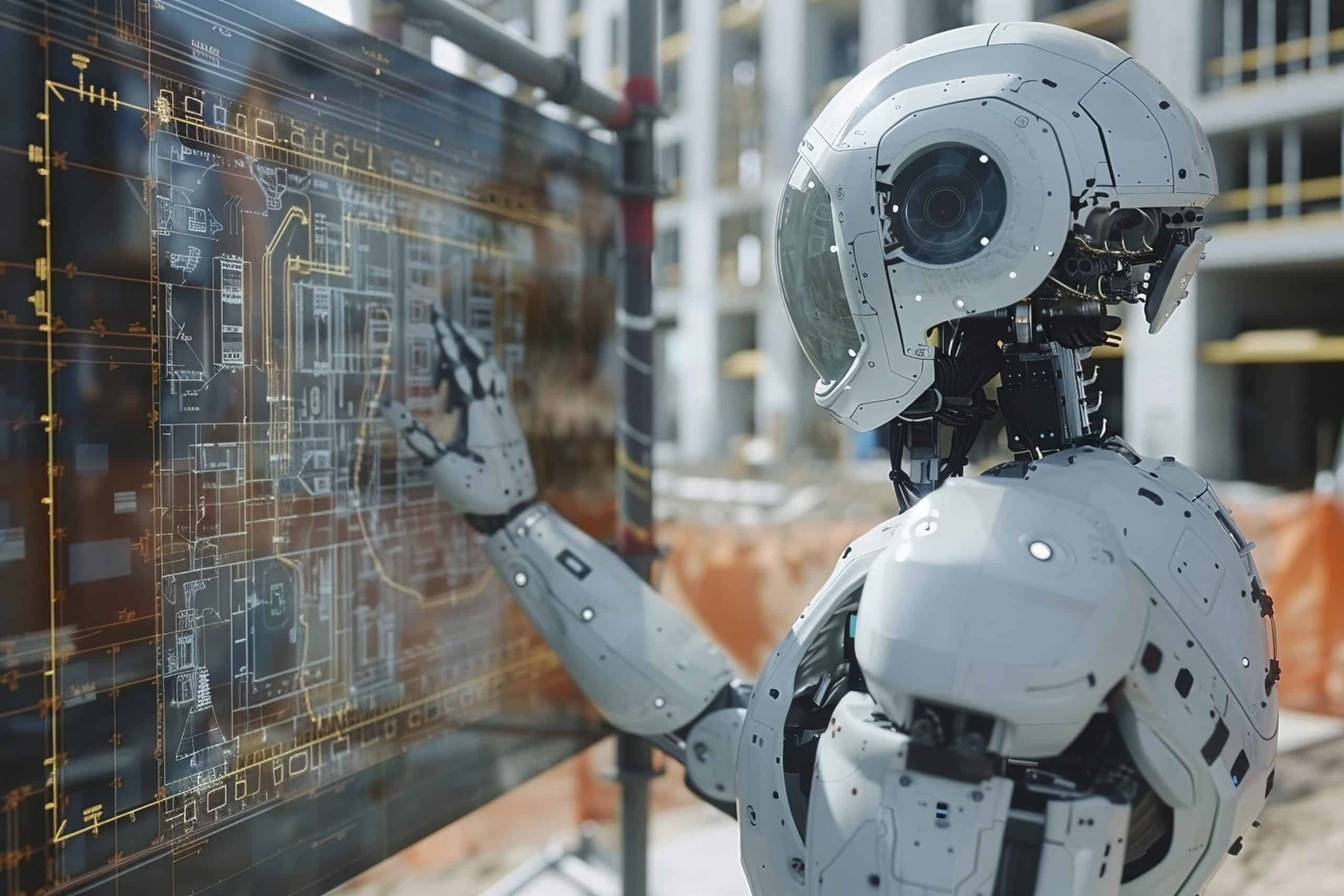
While many believe there are social and ethical questions that need to be resolved first because of the potential human replacement that will occur and the upheaval it will create, Huang has said we’re soon getting to the point where we’ll see the transformation of the physical world through “physical AI,” or AI systems that can perceive, reason, plan, and act in real-world environments. It will mean teaching robots to understand physics, handle objects with dexterity, and navigate spaces designed for humans.
Why Physical AI Matters to Nvidia Right Now
For Nvidia, physical AI builds directly on its core strengths, and it is moving fast to dominate this new frontier. Its Jetson Orin and upcoming Jetson Thor platforms are purpose-built for edge robotics, delivering the low-latency, high-efficiency compute that autonomous machines demand. Companies building humanoid robots — Figure, Agility Robotics, Tesla (NASDAQ:TSLA) Optimus — are all standardizing on Nvidia hardware for perception, navigation, and manipulation.
The real lock-in, however, comes from software. Nvidia’s Omniverse platform lets developers create photorealistic digital twins of factories, warehouses, and even entire cities. Robots can be trained and tested millions of times in simulation before ever touching the physical world, slashing deployment costs and risks. Isaac Sim, the robotics-specific layer inside Omniverse, is quickly becoming the Unity or Unreal Engine of physical AI.
By owning the full stack — silicon, CUDA software, simulation tools, and cloud-to-edge orchestration — Nvidia can extract value at every layer, just as it did in data centers. If even 10% of Elon Musk’s original projection for 1 billion industrial and service robots by 2040 (he now says 10 billion) runs primarily on Nvidia technology, the revenue runway becomes staggering.
Huang says this is why AI is not a bubble. Physical AI is already a multi-billion dollar business for the chipmaker, but it can turn into a multi-trillion-dollar growth engine tomorrow.
Key Takeaway
Physical AI could also be a positive force for societal transformation. Robots could alleviate 2.1 million U.S. manufacturing vacancies by 2030, boosting productivity. Globally, it accelerates Industry 4.0, from precision agriculture to disaster response. For Nvidia, success here cements its multi-trillion-dollar status.
For shareholders, physical AI tempers the recent dips in Nvidia stock. The momentum lull offers an attractive entry point, with upside from AI capex cycles. There are risks, of course, including competition from Advanced Micro Devices (NASDAQ:AMD) or custom chips by Alphabet, plus regulatory hurdles for autonomous systems. Yet, Huang’s track record builds credibility on the possibilities.
Investors eyeing 20% to 30% annual returns should view physical AI as a hedge against cloud saturation, blending growth with tangible applications that take Nvidia to the next level of growth.











 Top Gaining Stocks
 Top Losing Stocks