


A T. Rowe Price analyst recently laid out a compelling case for why Nvidia (NASDAQ:NVDA | NVDA Price Prediction) remains the most important platform in technology right now, and the argument goes well beyond data center chips.
“People are building on Nvidia and all these new frontiers is what I’m really excited about,” the analyst said, pointing specifically to robotics, physical AI, and the growing ecosystem of companies signing on to build on Nvidia’s platform, including Uber (NYSE:UBER).
The Free Cash Flow Moat
Oracle (NYSE:ORCL) carries balance sheet and ROI questions that Nvidia simply doesn’t face. Nvidia generated $96.58 billion in free cash flow for full-year FY2026, and $34.90 billion in Q4 alone. That’s not a company scraping for capital to fund its next platform. That’s a company with the financial firepower to define what the next platform even looks like.
The vertical libraries angle is where the moat gets deeper. Nvidia isn’t just selling GPUs. It’s selling CUDA, Isaac, Cosmos, Omniverse, BioNeMo, and DRIVE, a full stack of domain-specific software that competitors have to replicate from scratch. Custom chips from hyperscalers will exist, but matching years of developer tooling and ecosystem depth is a decade-long project, not a product cycle.
Robotics and Physical AI: The Next Inflection
The agentic AI wave is already priced into Nvidia to some degree. Jensen Huang said on the Q4 earnings call: “Computing demand is growing exponentially, the agentic AI inflection point has arrived.” But the T. Rowe Price thesis is really about what comes after that.
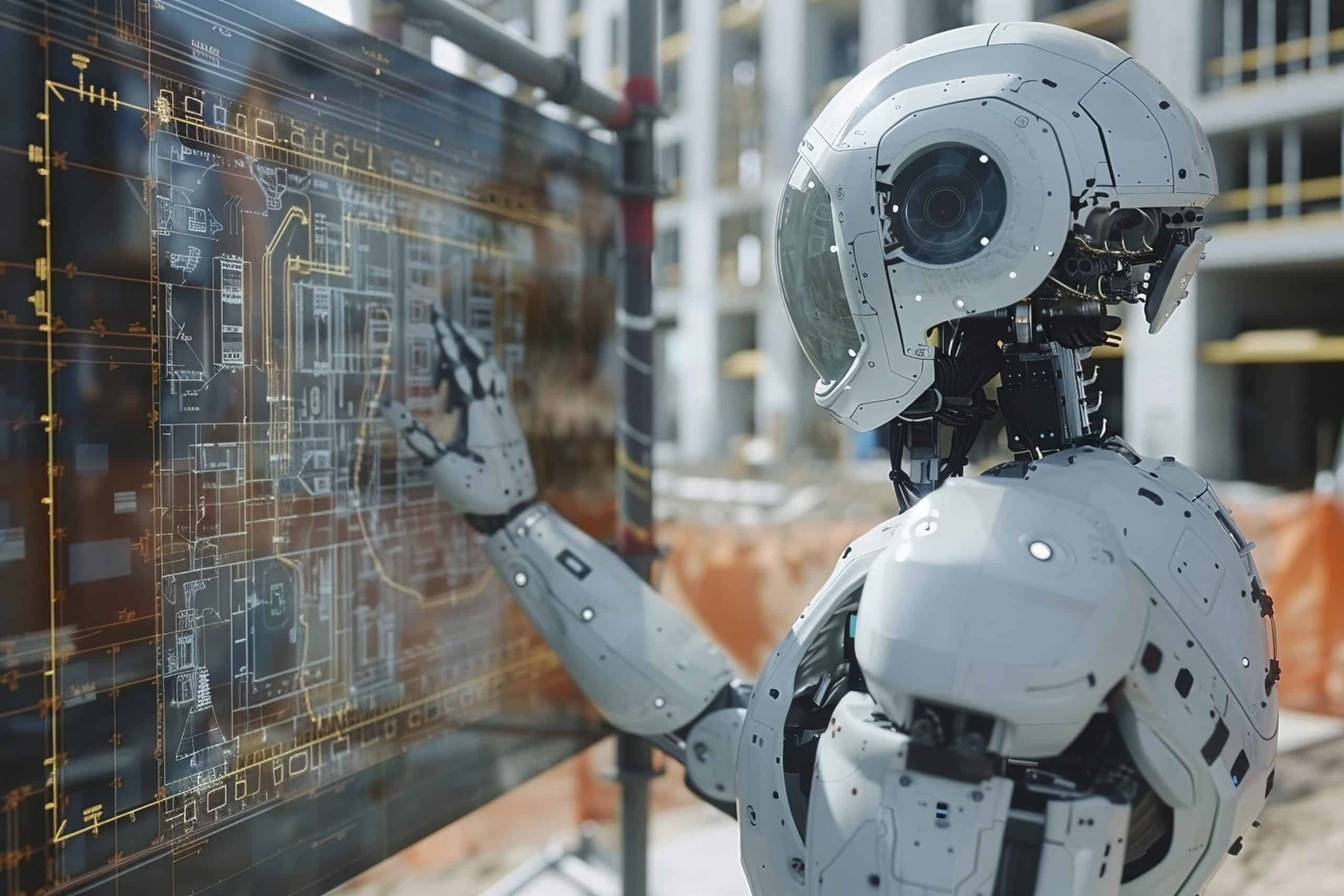
Physical AI is the bridge between software intelligence and the real world. Nvidia’s Isaac GR00T open humanoid robot foundation model and Cosmos world foundation models give robotics developers the same kind of head start that CUDA gave AI researchers a decade ago. The company’s IGX Thor platform for real-time physical AI at the edge extends that reach into factories and industrial settings.
Uber as Ecosystem Proof
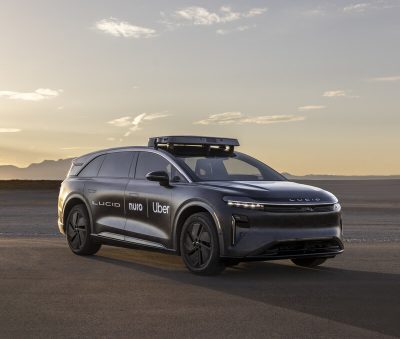
Nvidia and Uber partnered to scale a level 4-ready mobility network starting in 2027, targeting 100,000 vehicles. Uber CEO Dara Khosrowshahi described the company as being on “a clear path to becoming the largest facilitator of AV trips in the world.” That path runs directly through Nvidia’s autonomous vehicle stack.
The analyst consensus target for Nvidia sits at $267.54 against a current price of $183.22. The near-term debate is about valuation. The longer-term question, the one T. Rowe Price is clearly betting on, is whether Nvidia becomes the foundational platform for physical AI the same way it became the foundational platform for data center AI. If the robotics and autonomous vehicle ecosystems scale anywhere near the way cloud AI did, T. Rowe Price’s thesis is that the current multiple would prove conservative relative to the platform’s long-term earnings power.









 Top Gaining Stocks
 Top Losing Stocks