


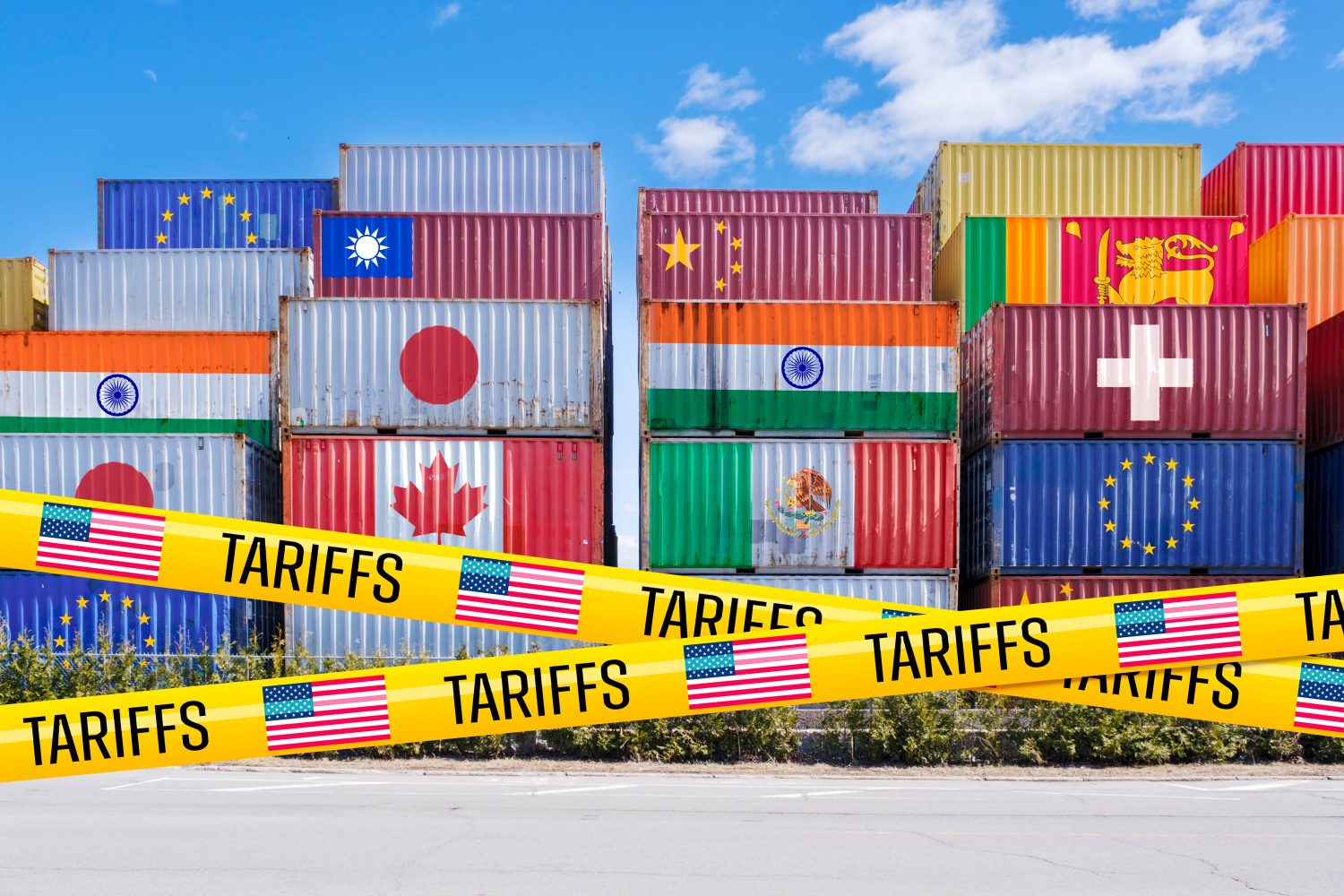
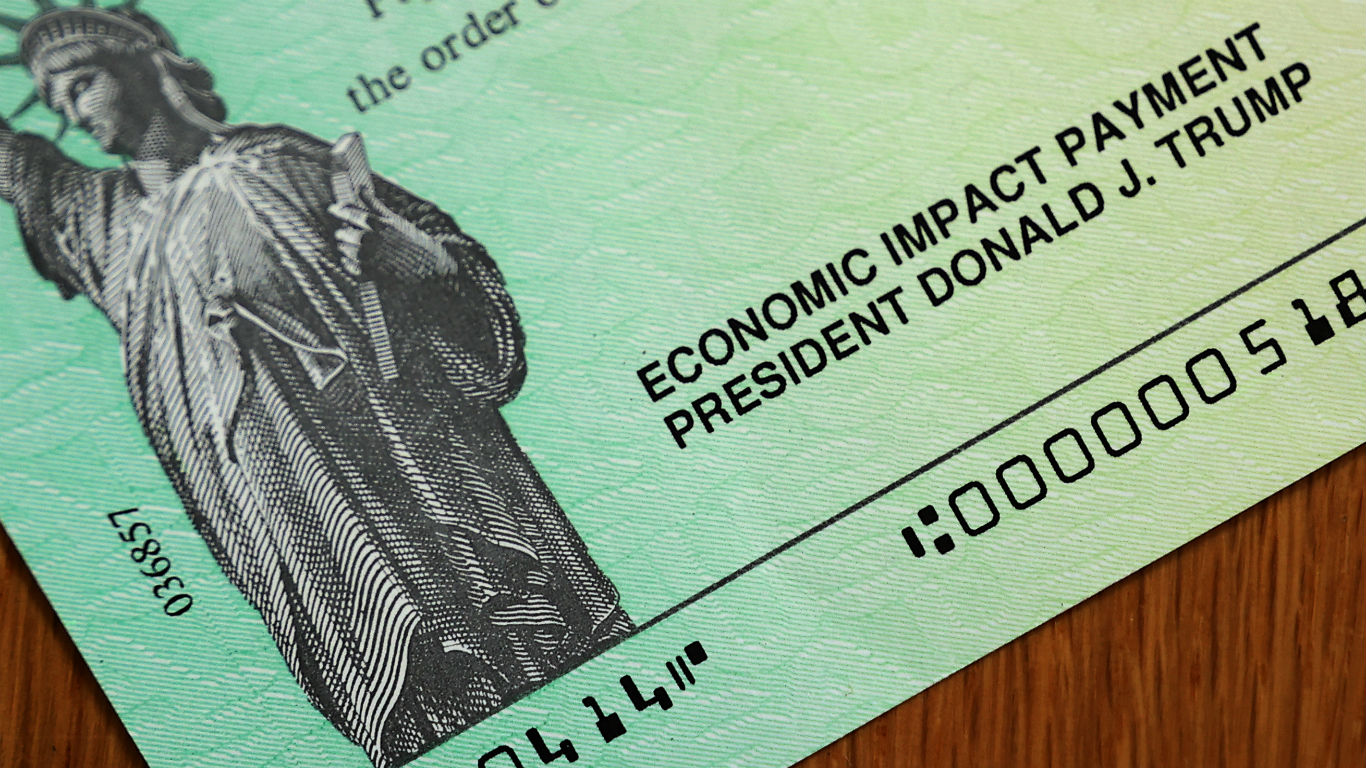
On November 9, 2025, President Trump proposed a new round of direct payments to all American taxpayers, similar to those made during COVID. However, this time these paychecks would be funded by tariff revenue, and the plan was for all qualifying Americans to receive $2,000, although high earners would not be eligible, a plan that immediately drew comparisons to pandemic paychecks in 2020 and 2021.
The political appeal of such a move is pretty obvious, as making a direct payment is easy for all Americans to understand. Better yet, a $2,000 check could immediately help middle- and lower-class households already struggling with rising costs across the board. However, the COVID stimulus was a response to a sudden economic collapse, and this proposal would come at a time when the economy is stronger and unemployment, though rising, is still low.
From COVID Relief to Tariffs: The New $2,000 Stimulus Check Proposal
This $2,000 proposal is very similar to the scenario a few years ago, where you would look at qualifying taxpayers who might be eligible for the $2,000 payment. The exact amount would understandably vary based on both income and household size, while high earners, though it wasn’t clear exactly what a high earner would be, would be excluded.
So far, this all seems comparable to the pandemic, but the big difference is how this program would be funded, as the COVID stimulus was deficit-financed, which meant the national debt increased without a specific revenue source to fund it. Alternatively, you would see this $2,000 payment be funded by import duties collected from goods entering the US from countries like China, across Europe, and other trading partners.
As far as the political side of this conversation, it’s straightforward in that the Trump Administration can argue that other countries are paying for American stimulus through tariffs and turning trade policy directly into financial relief for hard-working families. This would reframe the conversation around tariffs from a potential economic drag to a benefit.
Speaking of benefits, a $2,000 check is no doubt going to provide relief by helping to pay off credit card debt, build savings, or fund a variety of spending options. If you are a family living paycheck to paycheck, this money can’t arrive soon enough, and since it would show up as a direct payment, it would just show up one day.
Analyzing the Short-Term Benefits vs. Backfire Risks
By all accounts, you can’t argue with the short-term benefits of such a stimulus being delivered to most Americans, as $2,000 injected into a household budget can go a long, long way. Families struggling to make their next mortgage payment might be able to use this money to start pulling themselves out of debt. Better yet, consumer spending would likely increase too, as some Americans would take this money to the mall, Target, and Walmart and spend it. Recipients would also link this check to the current administration that delivered it and almost immediately create a mental link that joins policies and personal benefits.
Of course, economists have questions, such as whether or not such a stimulus is needed at all. The economic justification was immediately clear during COVID, and that was to prevent the collapse of the American economy. The second question economists will ask is about funding and whether there is any fuzzy math, as tariffs simply aren’t free money. These are costs imposed on importers and passed on to consumers at checkout, raising three fundamental flaws that need to be addressed.
The 3 Potentially ‘Fatal Flaws’ In the Tariff Stimulus Plan
Flaw 1: Stimulus Immediately Consumed by Tariff-Driven Price Increases
Let’s be completely transparent and recognize that tariffs do raise prices, and this really isn’t up for debate as it’s basic math. When the government imposes a 20% tariff on imported goods, importers pay the tax and pass most, if not all, of it on to consumers through higher prices. This means that price increases on American goods are funding a $2,000 stimulus.
What’s worse is that the math really doesn’t work in taxpayers’ favor either, as tariffs on consumer goods, electronics, clothing, etc., increase prices across the economy. For example, a family that spends $30,000 annually on goods subject to tariff could see a 10% increase that brings their total costs up $3,000 in one year. Even with a $2,000 check, they are still net negative $1,000.
This net negative concern is especially true when you consider that the stimulus check is only going to arrive once, and higher prices will remain in place as long as the tariffs do as well. The concern is that a one-time payment sounds really good on paper, but a few months down the road, nobody is going to remember anything took place as the money will have already been spent and the economy will still be slowing.
Flaw 2: Inflationary Pressure When Inflation Is Still a Concern
It’s also important to understand that tariffs themselves are inflationary, as higher import costs mean higher consumer prices across categories like groceries and electronics. What’s notable is that it isn’t the kind of demand-driven inflation the Fed can moderate through interest rates. Instead, it’s a supply-side inflation caused directly by policy that raises the price of a good regardless of its demand level.
In addition, injecting $2,000 per taxpayer into the economy is going to increase consumer spending at a time when the Fed is trying to cool demand to better regulate inflation. Adding more money to the market while chasing the same amount of goods is only going to push prices higher. Also worth considering is the effort the Fed has been undertaking to bring down inflation by increasing interest rates, all of which could be nothing if a trade stimulus package is introduced.
You also can’t ignore that this combination is and will be toxic to the economy, as tariff-driven supply-side inflation only raises costs, while a stimulus-driven demand-side inflation is only going to increase prices. This leaves the Fed with something of a choice between making an impossible choice in either giving up on efforts to bring down inflation even more or going back to raising rates, which likely triggers an American recession.
Flaw 3: Economic Growth Slowdown from Trade Disruption
Unsurprisingly, tariffs disrupt supply chains, reduce overall trade, and slow economic growth. Federal Reserve research, as detailed in recent analyses, confirms that tariff policies will reduce GDP growth by creating plenty of uncertainty in the marketplace.
When businesses face uncertainty, they delay investments as supply chain managers can no longer commit to long-term contracts when trade policies are changing weekly. Slower growth almost means slower job creation, which in turn means smaller wage increases and weaker corporate earnings. In the case of American workers, you only end up with a smaller number of opportunities for raises and promotions, while investors are stuck with lower returns.
The $2,000 stimulus check proposed by the President can’t offset an economy that’s growing more slowly because of trade policies that funded it. If tariffs end up reducing GDP growth by 0.5% annually, a conservative number based on Fed data, the long-term cost vastly outweighs the short-term benefit of a single payment.
Of course, don’t forget retaliatory tariffs that US trading partners will impose back on us. This leads to US farmers, manufacturers, and service providers losing access to huge markets. What about in the event of exports declining? This too is going to lead to a smaller number of American jobs, lower income, and any revenue that is generated by import tariffs is only coming at the expense of lost export income, making it a lose-lose for the American economy overall.








 Top Gaining Stocks
 Top Losing Stocks