


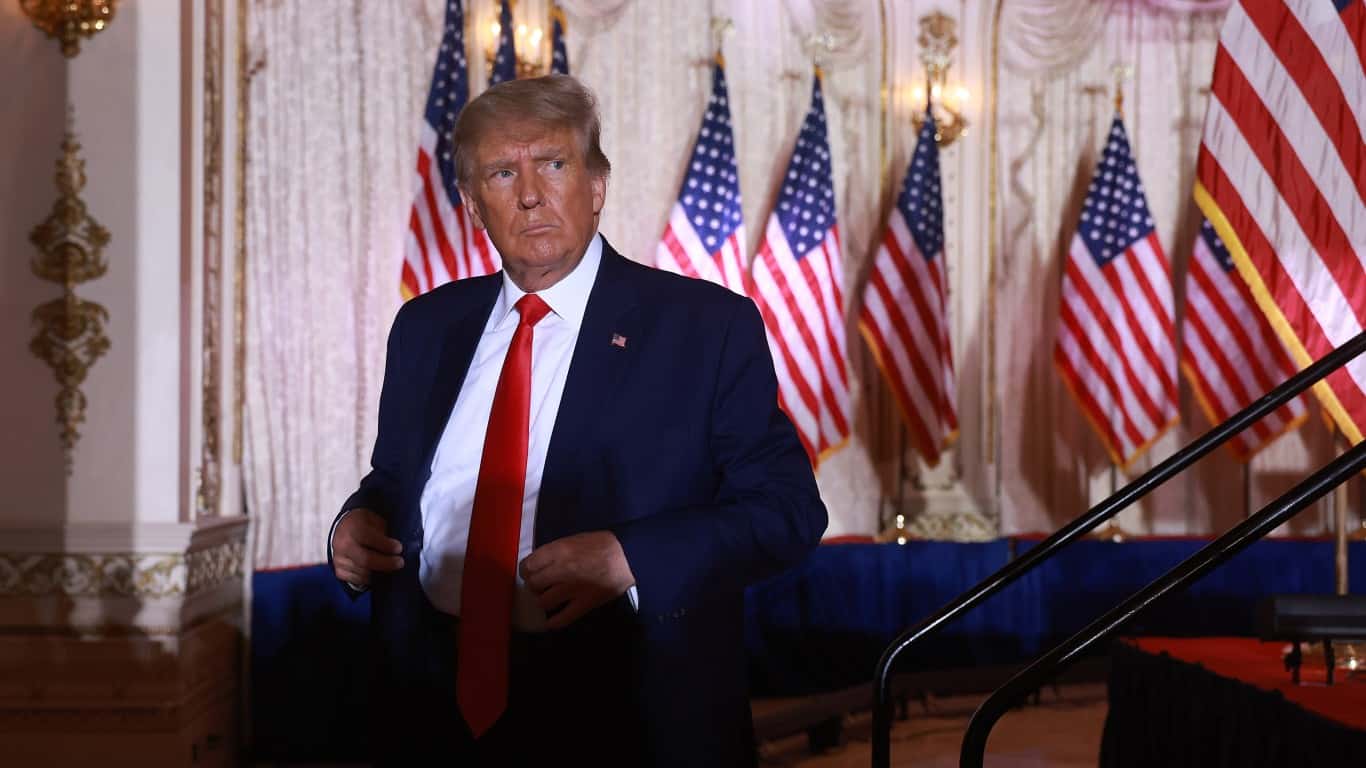
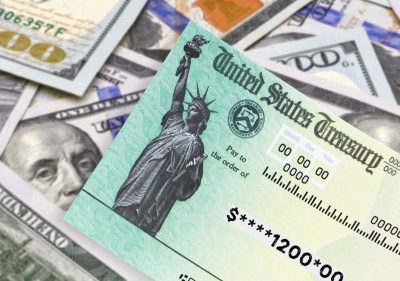
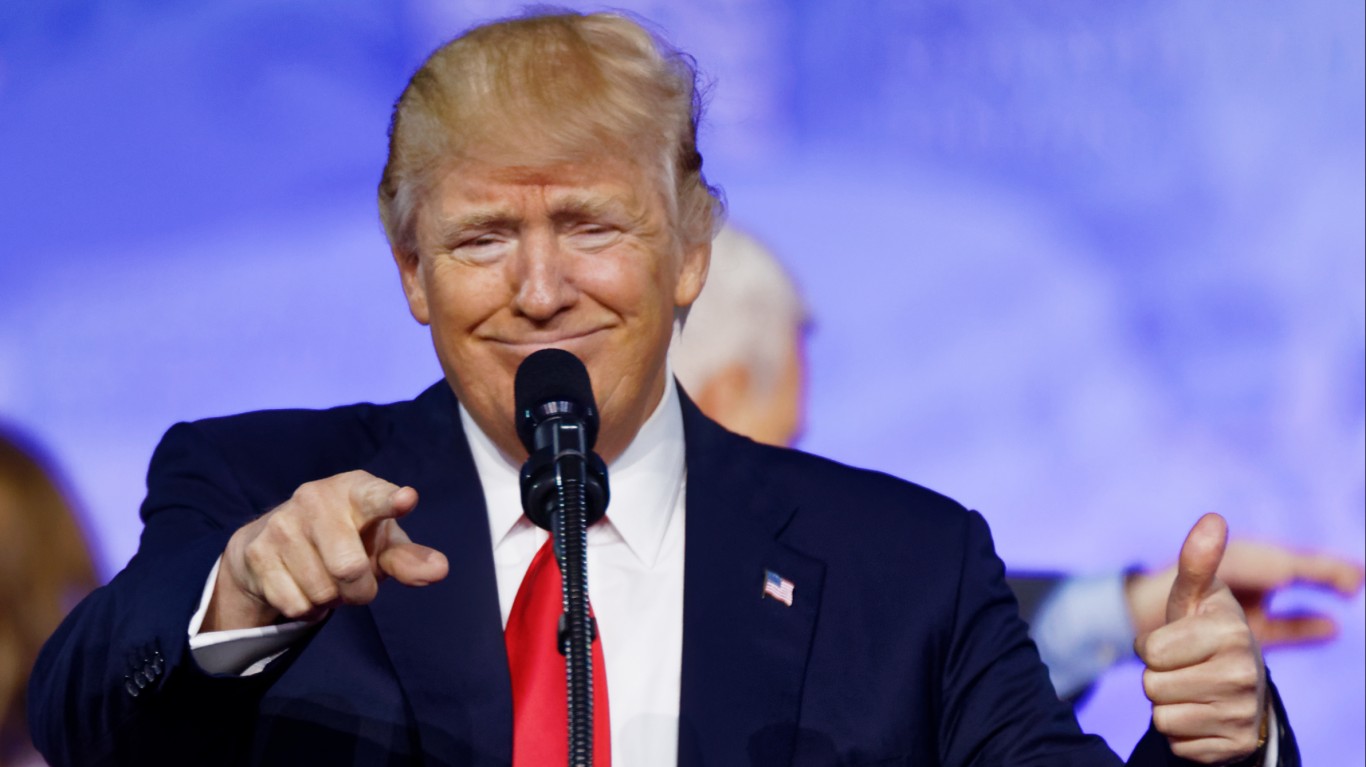
President Donald Trump recently mentioned, again, his plan to send Americans a $2,000 check paid for by new tariffs. In November, the president told Axios, “We’re going to be issuing dividends later on, some somewhere prior to, probably in the middle of next year, a little bit later than that. Thousands of dollars for individuals of moderate income, middle income.” More recently, he told The New York Times that this tariff dividend could go out toward the end of this year.
Not everyone will receive a check, apparently. Checks will go to moderate- or middle-income households. They may go to low-income households, as well. Those details need to be ironed out, along with where the money will come from exactly. On paper, it will be underwritten by money from new tariffs.
Presumably, this money will be tax-free. It wouldn’t seem fair otherwise. A “tax” of sorts created the money. Why should it be taxed again?
Investing the Tariff Dividend

Like most investments, the use of the tariff dividend should be age- and income-related. Some people need the money now because of America’s affordability issues. While the consumer price index has steadied at 2.7%, the prices of some segments, like food, are rising faster. The $2,000 could be an inflation buffer for many households.
For older people who want a safe investment and don’t need the money right away, one investment might be the State Street SPDR Bloomberg 1-3 Month T-Bill ETF (NYSE: BIL | BIL Price Prediction). It is liquid and has a 3.6% yield.
Alternatively, people could just take Warren Buffett’s advice for most investors and buy the equivalent of the S&P 500. He believes that, year in and year out over the long run, very few money managers will beat its return. Plus, there are no large money management fees.
Some investors, due to age or temperament, might choose to invest the money in Nvidia Corp. (NASDAQ: NVDA), the world’s most valuable company and the heartbeat of the artificial intelligence revolution. The $2,000 tariff dividend is enough to buy 10 shares, with a small amount left over. The price-to-earnings ratio is a modest 45.2.
Time to start planning. The check is in the mail.
What Prediction Markets Say About Tariff Stimulus Checks: Here’s the Latest





 Top Gaining Stocks
 Top Losing Stocks