


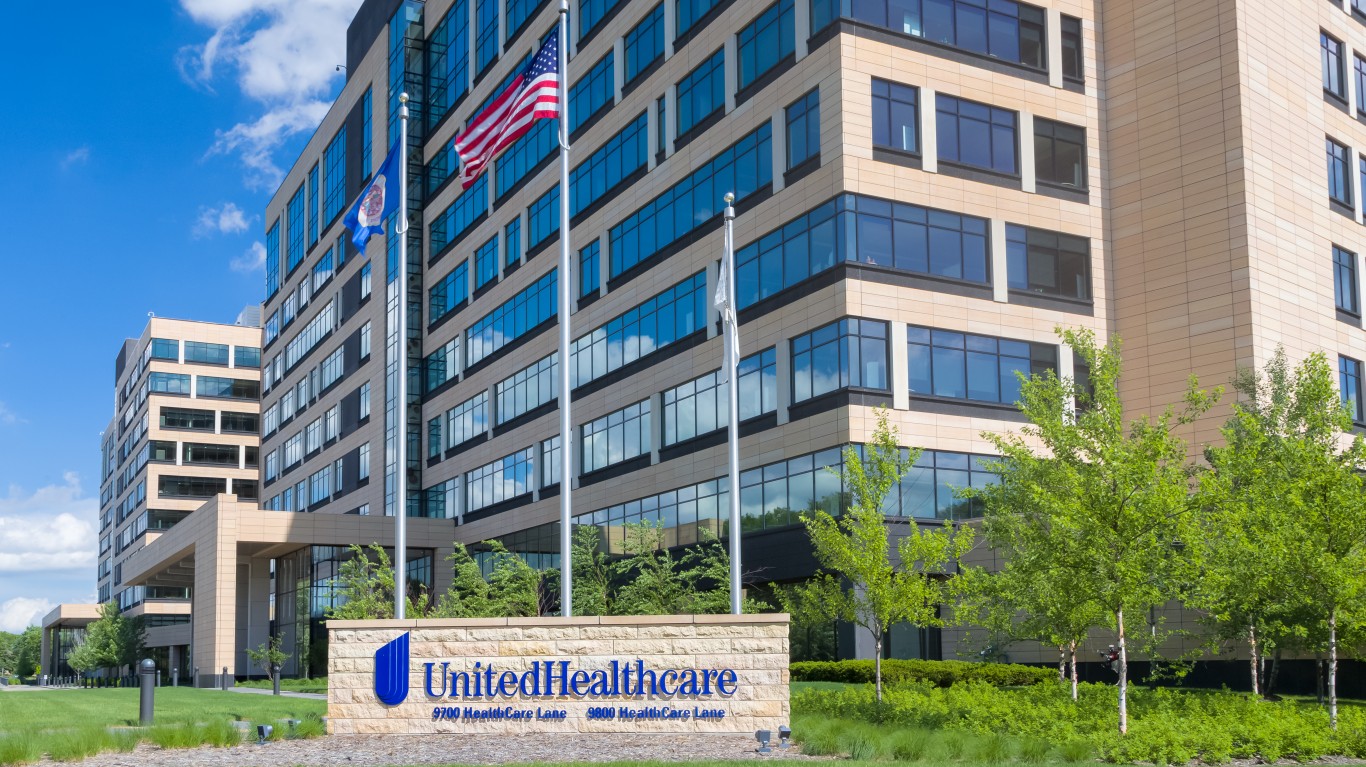
UnitedHealth Group (NYSE:UNH | UNH Price Prediction) reported fourth-quarter and full-year 2025 earnings this morning that fell slightly short of analyst estimates, while offering guidance for the coming year that indicated a roughly 2% decline year-over-year due to its right-sizing efforts payment increase for Medicare Advantage plans in 2027 that was far below what was anticipated.
The market’s response was immediate, sending UnitedHealth’s stock tumbling as much as 15% in premarket trading this morning. Amid an ongoing turnaround from prior setbacks, including a cyberattack and restructuring charges totaling $2.8 billion in 2025, this development raises questions about whether investors should sell the stock.
Flat Trading Amid Recovery Efforts
UnitedHealth shares have traded largely flat over the past eight months as the company navigates recovery from multiple challenges. The stock remains more than 40% below its level at the time of the December 2024 assassination of former UnitedHealthcare CEO Brian Thompson, when shares were over $600. Subsequent events, including ongoing effects from a 2024 cyberattack on subsidiary Change Healthcare and a Justice Dept. investigation into Medicare billing practices (which later shifted focus to OptumRx’s pharmacy benefit management practices) have contributed to the decline. Last year, UnitedHealth’s stock fell 36% overall, reflecting these pressures and broader sector issues like reduced government reimbursements.
The fourth-quarter 2025 results showed revenues up 12% to $113.2 billion, but this missed Wall Street expectations by a small margin. Full-year revenues reached $447.6 billion, also up 12%, with adjusted earnings of $16.35 per share. However, the medical care ratio rose to 88.9% adjusted, up 340 basis points from 2024, indicating higher costs. The 2026 guidance forecasts revenues exceeding $439 billion, a 2% drop, with adjusted earnings above $17.75 per share and an improved medical care ratio of 88.8%.
Medicare Proposal Triggers Sector-Wide Selloff
The proposed 0.09% payment increase for 2027 Medicare Advantage plans CMS announced fell well short of the 4% to 6% rise analysts had projected based on rising costs and utilization trends. This led to sharp declines among UnitedHealth’s peers as well, with CVS Health (NYSE:CVS) dropping 11%, Humana (NYSE:HUM) and Alignment Healthcare (NASDAQ:ALHC) both plunging 15%, and Centene (NYSE:CNC) falling 7.5%. However, as the largest Medicare Advantage provider, with over 8 million enrollees, UnitedHealth stands to face the most significant impact.
CMS Administrator Mehmet Oz says the proposed rates includes updates to risk adjustment models to reflect current costs and excludes certain diagnosis data from risk scores starting in 2027, aiming to improve payment accuracy. “By strengthening payment accuracy and modernizing risk adjustment, CMS is helping ensure beneficiaries continue to have affordable plan choices and reliable benefits, while protecting taxpayers from unnecessary spending that is not oriented towards addressing real health needs.”
What This Means for UnitedHealth
If the 0.09% rate is finalized in April, it could pressure UnitedHealth’s margins and require actions like benefit reductions, higher premiums, or plan exits to offset costs. Analysts note that the rate may be insufficient relative to utilization trends, potentially delaying any earnings recovery. For 2027, this could impact earnings per share estimates and force adjustments in Medicare Advantage offerings, similar to the 2026 reductions where UnitedHealth exited plans in 109 counties affecting 180,000 members.
The stock’s reaction reflects concerns over profitability in a key segment, which accounted for a significant portion of 2025 revenues. Combined with ongoing turnaround efforts, including divestitures and cost controls, the proposal adds uncertainty. However, UnitedHealth’s guidance assumes it can navigate these challenges, with projected operating margins improving to 5.5% in 2026.
Key Takeaway
UnitedHealth stock warrants caution but may not be one to avoid entirely, given its history of strong shareholder returns, including consistent dividend growth and share repurchases that have delivered compounded annual returns exceeding 15% over the past decade.
The current dip, in fact, could present a buying opportunity for long-term investors betting on the company’s scale and its ability to adapt, as seen in past recoveries from regulatory pressures. However, near-term risks from potential rate finalization and margin squeezes suggest investors might be able to buy at an even better price point.










 Top Gaining Stocks
 Top Losing Stocks