


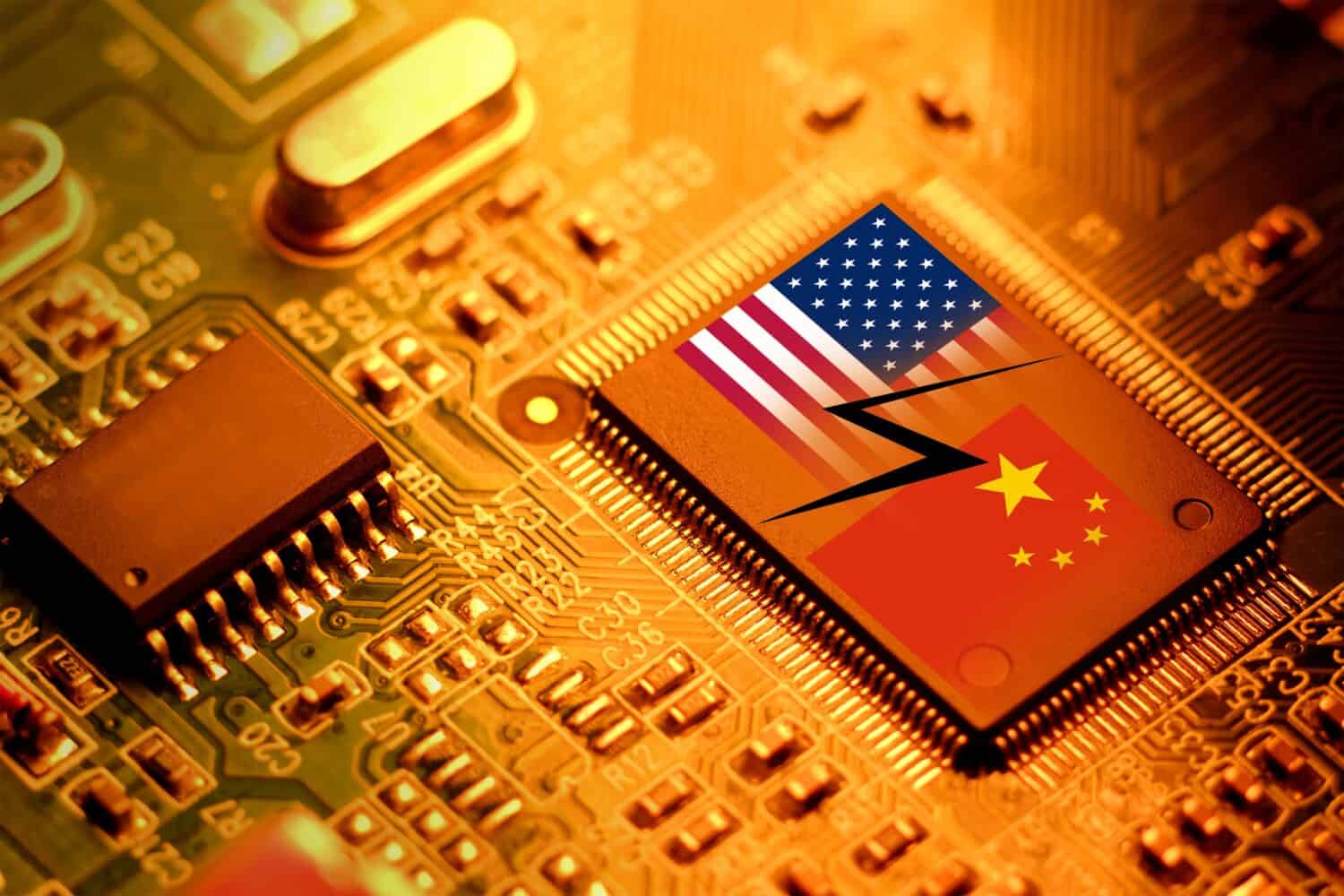
Nvidia (NASDAQ:NVDA | NVDA Price Prediction) seems like the AI chip giant that’s becoming impossible to not only catch but keep up with. With Vera Rubin in full production to start the year and the potential for more sales growth out of China moving forward, it’s no mystery as to why Nvidia remains the envy of the industry. Undoubtedly, the Chinese model makers are sure to put the imported Nvidia GPUs to very good use.
Chinese AI firms are racing ahead. But don’t count on them to catch up
The major risk for America’s AI lead is what could happen if China’s top AI companies get a shot in the arm after increased ease of access to the latest and greatest hardware from the U.S. Some industry experts have more than their fair share of concerns, including the likes of Anthropic CEO Dario Amodei who thinks the approval of Nvidia chips for sale into China accompanies a great deal of national security risks.
Though I wouldn’t go as far as to compare GPU sales to China as “selling nuclear weapons to North Korea,” I do think that America’s AI lead could grow to become even thinner now that Nvidia has the green light to sell its H200 chips.
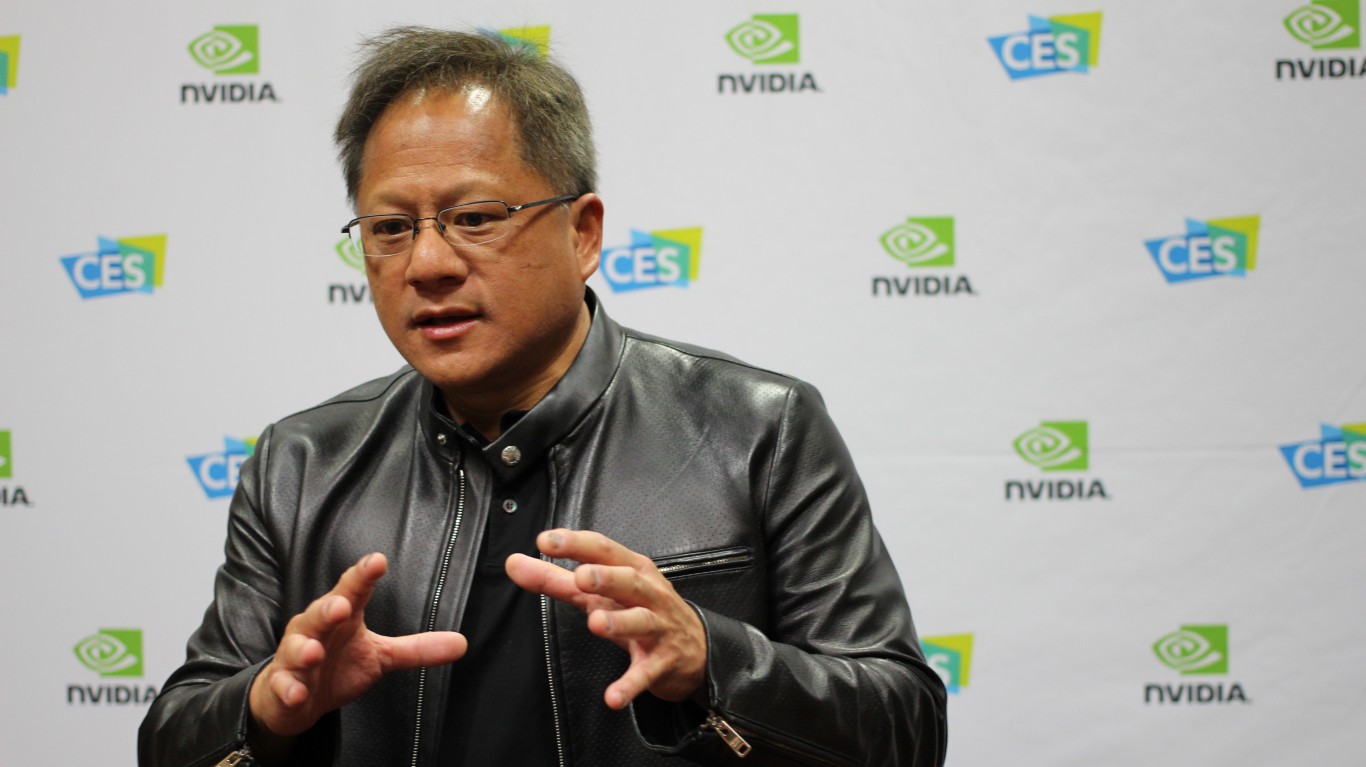
Indeed, it feels like nothing quite comes close to Nvidia’s best. And while Nvidia’s continued dominance hasn’t really paved the way for gains in recent months (shares have really stalled out despite promising developments and a slew of new deals, including with the likes of inference chip play Groq), I continue to view Jensen Huang as just too far ahead in the race to give hope to any aspiring up-and-comers, at least as far as training is concerned.
That won’t stop Chinese chipmakers from trying their best to close the gap, though. Some of China’s top chipmakers are incredibly ambitious, perhaps too ambitious. Over the past couple of months, we’ve heard various Chinese hardware firms make some bold claims. Looking ahead, some chipmakers might have the desire to outdo Nvidia’s Vera Rubin line. Huawei is a juggernaut with its Ascend line of chips, but it’s nowhere near close to topping the performance of the coming Vera Rubin.
Nvidia’s lead in AI chips looks safe despite bold claims from Chinese rivals
With Shanghai’s Iluvatar CoreX Semiconductor pulling the curtain on its GPU architecture roadmap, which cites the firm will beat Nvidia’s Rubin by 2027, there’s certainly a lot for investors to take in. The new, up-and-coming chipmaker already sees itself ahead of Nvidia’s Blackwell.
Of course, just because an ambitious goal is on the roadmap does not mean it’s a given. There’s a lot of execution risk here, and it’s really tough to gauge the performance of Chinese chips, given the relative lack of benchmarks. Not to mention component bottlenecks that could make things even tougher for a much-smaller, newer rival to “floor it” in the AI chip race.
Personally, I wouldn’t get my hopes up for a Chinese chipmaker beating Nvidia. Of course, there’s a chance that China might really only be “nanoseconds behind,” as Nvidia’s Jensen Huang previously suggested, but could it be that the chipmakers are in a position to breathe down Nvidia’s neck when even American rivals can’t catch it?
I guess time will tell if there’s a DeepSeek moment in chips to be had at some point down the line. U.S. export controls make it harder for China’s chipmakers to catch Nvidia and the like, but if controls are eased, perhaps there is room to make up a bit of ground. For the time being, I’m skeptical as to whether any Chinese chipmaker can catch Nvidia. Any bold claims are to be taken with a very fine grain of salt, at least in my very humble opinion. Until China willingly turns down Nvidia chips, I think Nvidia’s lead in AI chips is secured.










 Top Gaining Stocks
 Top Losing Stocks