



There’s been quite the volatility storm going on in shares of Palantir (NASDAQ:PLTR | PLTR Price Prediction) of late. Its latest blockbuster quarter was met with initial enthusiasm that was really quick to fade. Investors pretty much took a 180-degree sentiment turn, likely because software was out in the sessions that followed. With a welcomed relief rally powering shares of Palantir higher again, it’s becoming increasingly difficult to time Palantir.
Though it’s been tough to impress Wall Street of late, I do think that days like Friday prove that more such sentiment shifts can happen in a single day. In any case, betting against Palantir, as Michael Burry is doing, may not be the best move, especially considering that volatility does, in fact, work in both directions. And that makes trading in and out of the market’s choppiest plays less than advisable.
In any case, I think Palantir’s latest quarter is still being underappreciated when you consider the broad strength right across the board. Still, the valuations will not sit well with many. And whenever you have negative momentum alongside a hefty price tag, things can get horrifying on the way down. For those easily startled by big down days, perhaps it’s best to consider cheaper, more technically sound AI stocks. Here are two of my favorites:
Apple
Suddenly, Apple (NASDAQ:AAPL) has become one of the better places to be in all of mega-cap tech and certainly within the Magnificent Seven. The Cupertino giant has been held back by the perception of it being behind in the AI race. And with more disciplined and less explosive capex than its rivals, those who believe the risk of underinvesting in AI is larger than the risk of overinvesting might wish to stick with the iPhone maker.
Indeed, this earnings season has been impressive, but the spending figures are scaring investors. With investors seemingly panicked over AI capex, Apple really is a name that stands out as more of an AI safety play. The stock is up close to 13% from its January lows and could be en route to making new highs, even as the rest of the Mag Seven give investors a bit of indigestion over the capex to come.
If you’re all about ROI, I think Apple continues to be the stock to stick with, even as it gets a bit expensive again. At the end of the day, it’s getting arguably the best language model in Gemini under the hood of its coming Siri upgrade, and at a ridiculously low $1 billion per year price tag.
Though I have no idea what the longer-term plan is regarding AI (perhaps the AI deal will last many years), Apple is keeping its options open. And it’s this optionality that could allow Apple to get the best for less. What entices me most about Apple is that it has the perfect platform for consumer-facing agents to succeed. Given this, I see Apple as a massive AI winner for an environment where investors are increasingly wary of a potential capex trap brewing in AI.
Nvidia
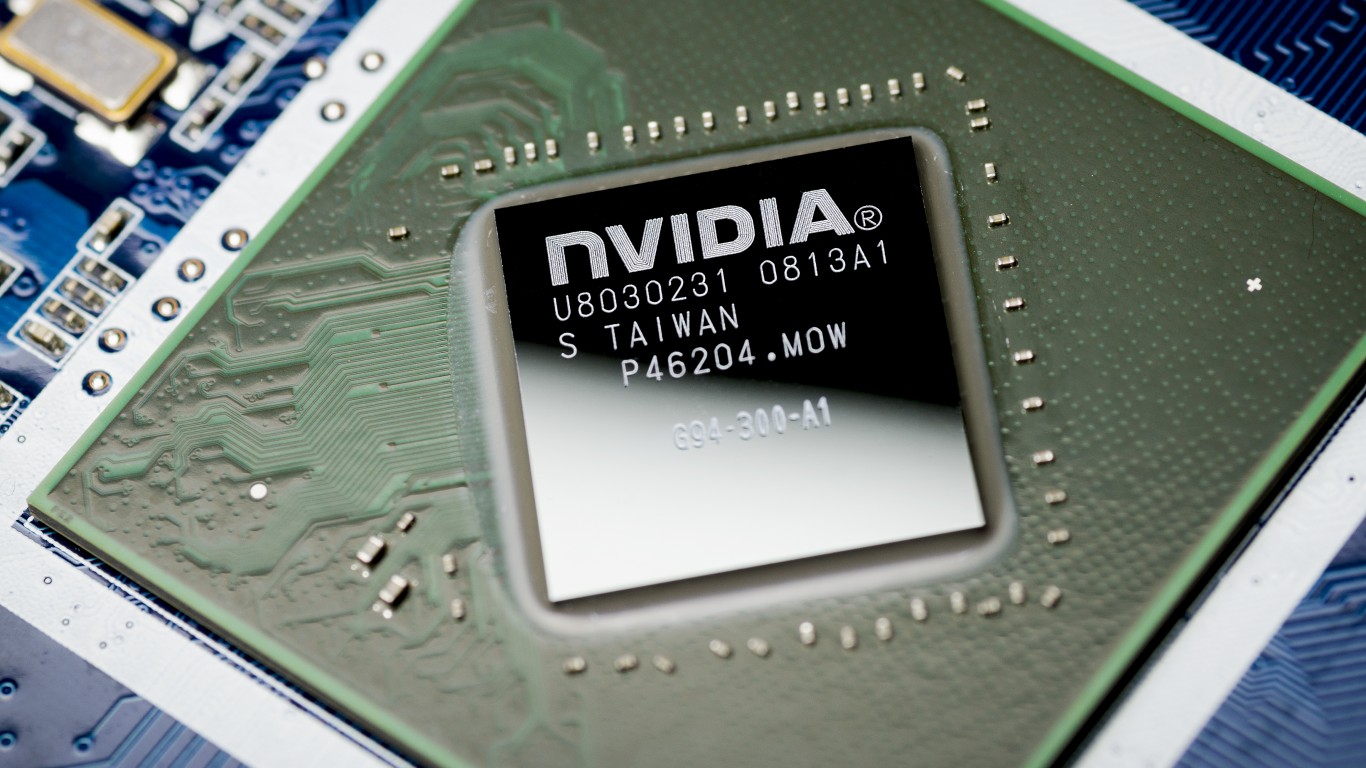
NVIDIA (NASDAQ:NVDA) stands out as another Magnificent Seven AI innovator that might be a better deal than Palantir at this juncture. Shares took off close to 8% on Friday amid new comments from its CEO, Jensen Huang. Demand for chips is through the roof, and it does seem like a stage is being set up for another massive leg higher.
Of course, it’s been tougher to hold NVIDIA in recent months, but patience may very well be rewarded once again, as hyperscalers scale up like never before. Amazon (NASDAQ:AMZN) announced its $200 billion capex forecast for 2026, topping the $185 capex planned for Alphabet (NASDAQ:GOOG). Much of that money is going towards NVIDIA’s latest and greatest chips. For now, it’s a negative for Amazon, but a positive for Nvidia.
Perhaps those who fear the capex surge (and potential for hikes in 2027) should own NVIDIA. It’s the pick-and-shovels play that’s making the big money in the earlier stages of this AI revolution. So, if you’d rather be in a name that has front-loaded profits, rather than capex, perhaps it’s time to give NVIDIA a second look while it’s still cheap at 22.4 times forward price-to-earnings (P/E) after its recent correction.










 Top Gaining Stocks
 Top Losing Stocks