


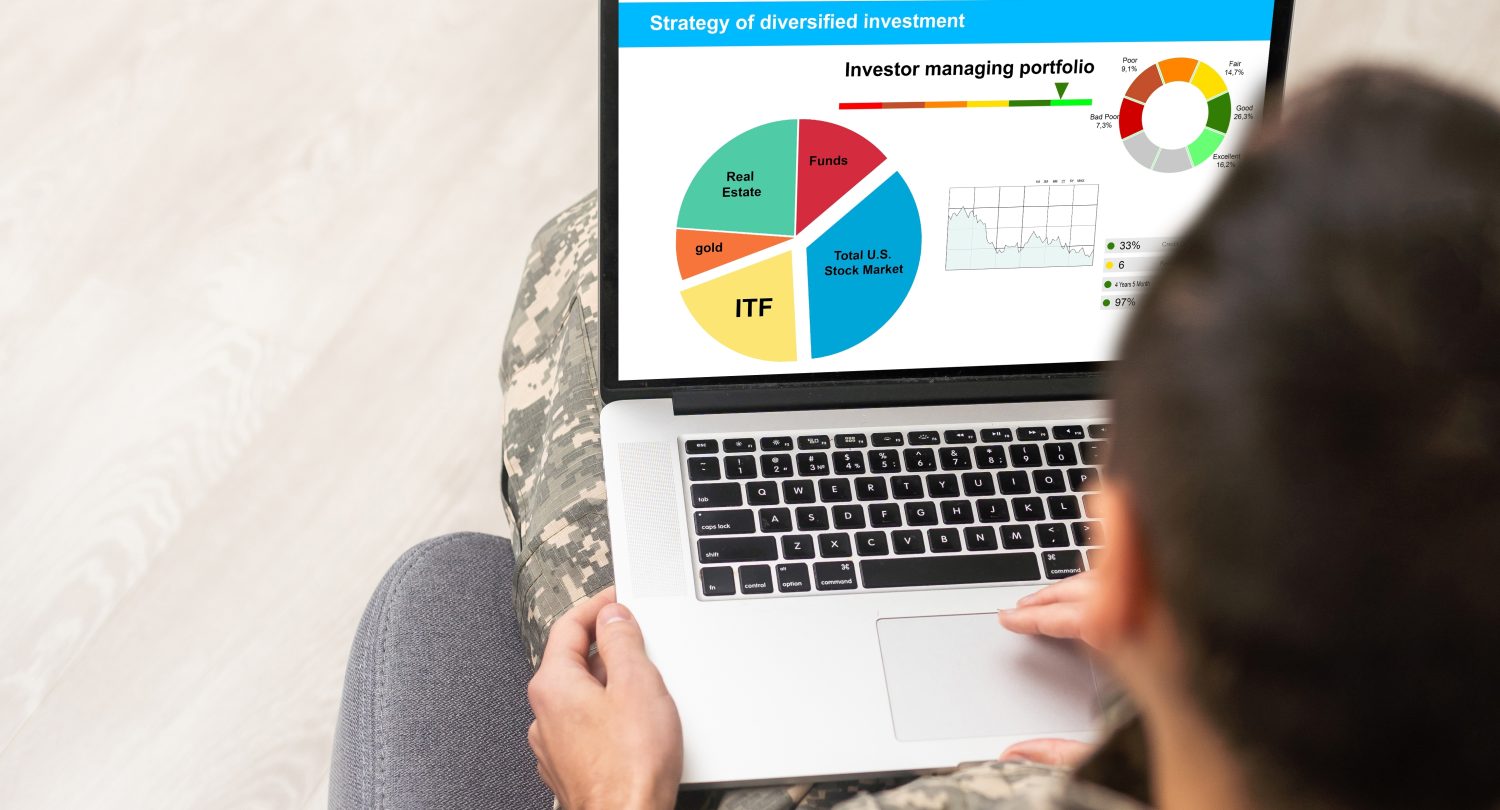
Putting together a proper strategic plan to battle the forces which many expect will impact markets on a given year is easier said than done. Indeed, we’re not even three months through this year, and we’ve already seen three major conflicts initiated by the Trump administration in foreign countries, something that hasn’t been seen in some time.
With oil shocks now piling on top of inflation risks, trade policy uncertainty, and plenty of other factors that could throw a monkey wrench into investors’ collective plans, it’s hard to note specific strategies that have a high probability of paying off this fiscal year.
That said, I do think there are three relatively simple things investors can do to at least improve their risk-adjusted returns, at a time I’d argue uncertainty is higher than’s its been in some time.
Here we go.
Prioritize Quality and Dividends

I’m of the view that in markets with such high levels of uncertainty, two of the key factors that can help stabilize a portfolio are balance sheet and cash flow quality, as well as capital return. Investors will want to own stocks that have defensive business models and strong cash flow growth which allow for dividends to be paid out (and increased over time).
Such companies often trade at relative discounts to fair value, at least compared to other higher-growth tech stocks (which have more downside potential in bear markets). So, for those who are growing concerned about the current macro backdrop, finding quality companies in sectors such as industrials, utilities, and consumer staples can be a great place to look.
Another key headwind I didn’t mention before, but which I think could become a drag on the tech sector particularly, is a growing concern around AI Capex slowing over time. If we do see an inkling of lower spending levels over time, companies that have significant assets on their balance sheet and relatively low obsolescence risk could be worth owning here.
Global Diversification Can Help
Another key strategy I’ve been personally implementing in my own portfolio is looking outside the U.S. stock market for long-term total returns.
Not only do many international markets trade at much more favorable valuations (on nearly every metric), but these are indices which also provide higher yields. Thus, for investors who think we could be on the cusp of a global rotation trade away from U.S. stocks, this is something to consider.
In particular, I’m looking at specific ETFs in the international realm which I think can provide investors with the right level of diversification (at a reasonable price). That’s because there’s a significant investment in terms of the amount of time required to properly analyze international stocks, and that’s something many American investors don’t want to do. Simply buying a fund with an expense ratio preferably below 0.25% is a strategy that can both provide better risk-adjusted returns within a given portfolio, but also amplify total returns and passive income over time.
Indeed, in this current market, I’m actively ramping up my international exposure. To each their own, but there are few places with bastions of value to consider right now, and sometimes it’s worth it to go global in one’s search.
Keep Some Powder Dry

Finally, holding cash is something most investors do, whether they like it or not. Being “fully invested” often means holding around 1-5% of one’s holdings in cash. However, during times of uncertainty (when valuations are high), many financial advisors may suggest that investors hold a higher percentage of cash or cash-like instruments. Maybe that’s 10% or 20%, depending on each individual investor’s risk tolerance level and investing time frame.
Personally, the cash I have on my balance sheet is mostly held in short-term U.S. Treasurys. That’s because these fixed income assets are widely considered to be the safest in the world, and still the safe haven asset most global central banks, institutional investors and retail investors will pile into when the going gets tough.
Having short-duration bonds also limits interest rate risk, should we see rates climb as inflation risks pick up. Indeed, if we do see a marked downturn in the stock market, having some dry powder set aside to swing for fat fastballs can be an excellent strategy.
I’m of the view that holding a much more significant percentage of cash in one’s portfolio won’t provide lackluster returns. Instead, it provides ammunition to buy when others can’t – and that could be a very good thing this year.










 Top Gaining Stocks
 Top Losing Stocks