


Most ETFs make a single bet and hold it. A value fund stays value even when value is getting crushed. iShares U.S. Equity Factor Rotation Active ETF (NYSEARCA:DYNF | DYNF Price Prediction) takes a different approach: it shifts between factors depending on which ones BlackRock’s models believe are best positioned to outperform at any given time.
What DYNF Is Actually Trying to Do
The fund rotates across historically rewarded style factors: value, quality, momentum, size, growth, and minimum volatility. Think of these as different lenses for evaluating stocks. Momentum favors stocks already trending up. Quality targets companies with strong balance sheets. Minimum volatility tilts toward steadier names during turbulent periods. No single factor wins in every environment, so an active manager that can shift the mix has a structural edge over any static factor fund.
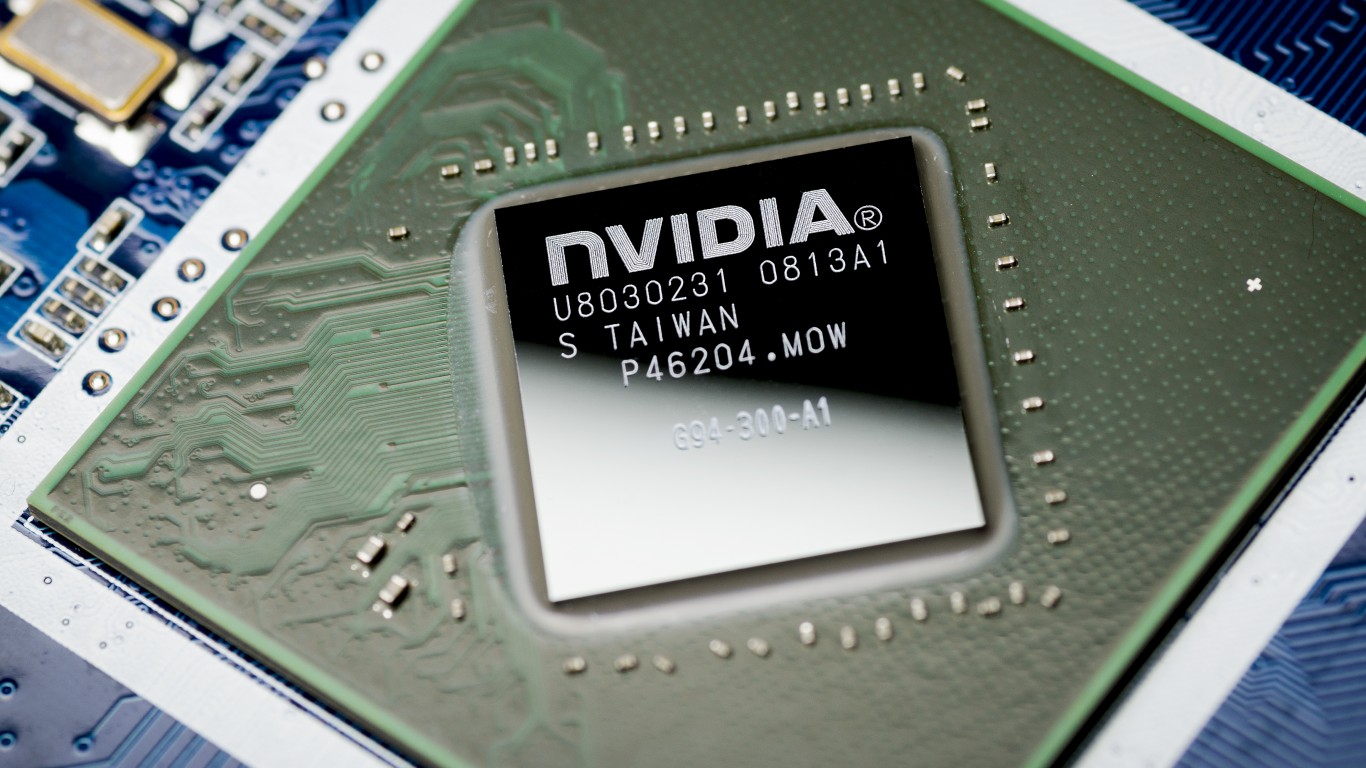
The return engine here is factor premium capture, not stock picking. BlackRock’s models assess which factor characteristics are most likely to be rewarded given current conditions, then tilt the portfolio accordingly. The fund holds over 120 positions, with the top three being Nvidia, Apple, and Microsoft, reflecting a current lean toward momentum and growth. The 39.3% allocation to Information Technology signals that the model is currently rewarding growth and momentum heavily.
Has the Strategy Delivered?
Performance data for DYNF was not available at the time of publication and cannot be verified. Investors should consult BlackRock’s official fund page or a financial data provider for current return figures.
The Tradeoffs Worth Understanding
The fund’s current tech-heavy tilt means its “dynamic” label deserves some nuance. With nearly 40% in Information Technology, DYNF today looks more like a growth fund than a balanced factor portfolio. Investors counting on automatic defensive rotation in a downturn should recognize the model may lag the market turn before repositioning. Barron’s noted that the fund’s “biggest test” still lies ahead, a fair observation given that much of its outperformance came during a broadly favorable period for growth stocks.
The income picture is limited. The dividend yield sits at 0.85%, and 24/7 Wall St. coverage explicitly flagged the fund as unsuitable for retirees due to its low and volatile dividend yield. The expense ratio of 0.26% is reasonable for an actively managed fund, but still higher than a passive alternative, meaning factor rotation needs to consistently add value just to break even on costs.
DYNF is structured as a broad U.S. equity fund with an active factor tilt, designed to shift its factor exposures as market conditions change. Investors should evaluate whether that objective aligns with their own goals, risk tolerance, and income needs before considering any position.










 Top Gaining Stocks
 Top Losing Stocks