



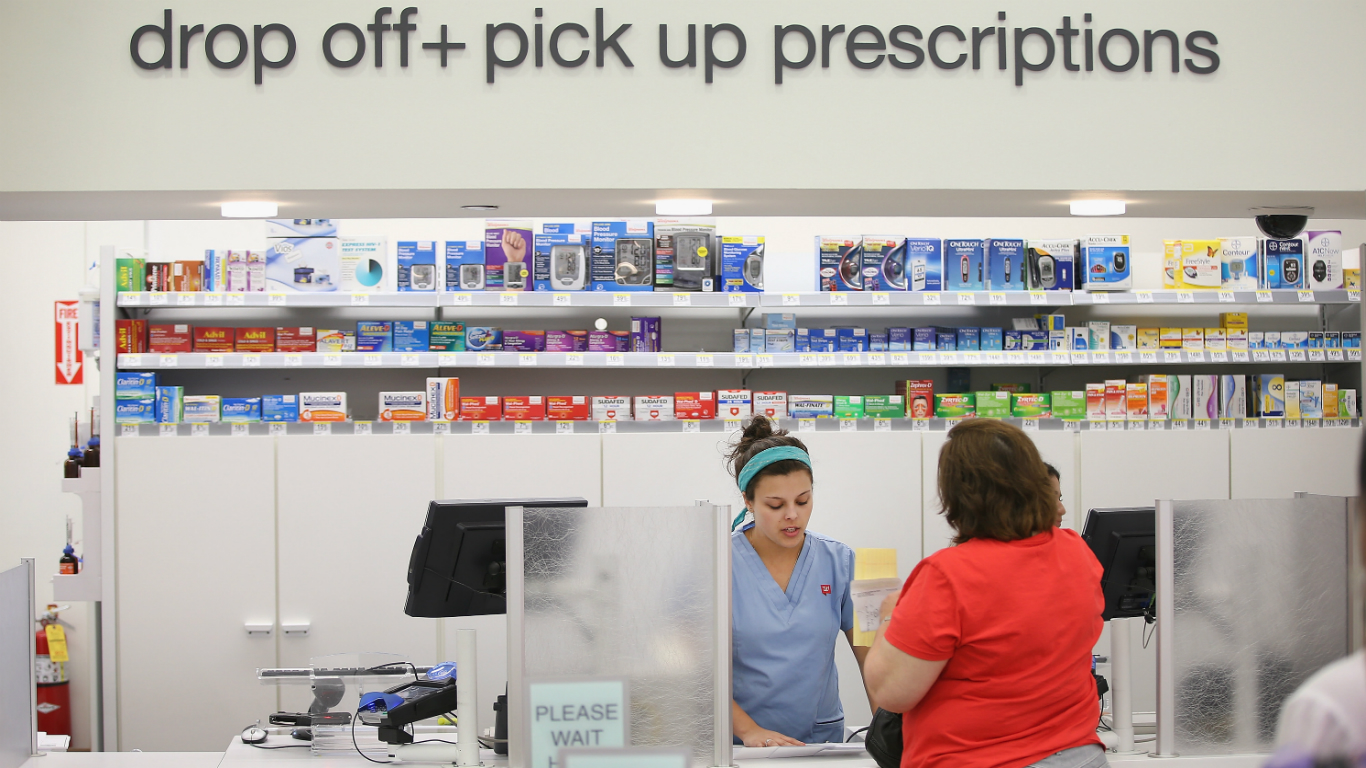
Gary from North Carolina walked into Walgreens to pick up a generic prescription and got quoted over $200 out of pocket. He paid $22 instead, by doing one thing differently. That gap is not a fluke. It is how traditional pharmacy pricing is designed to work, and most patients never question it.
The Quote That Exposes How Pharmacy Pricing Actually Works
On his April 1, 2026 podcast, Clark Howard had Gary walk through what happened. “I asked the doctor’s office to submit the same generic prescription to Mark Cuban’s Cost Plus Drugs. My cost was $22 not going through insurance and through this online pharmacy,” Gary explained. He added that he was “learning to not always accept the first price you get.”
Howard’s reaction was immediate. “Say the numbers again. $200 from Walgreens, $22 from Mark.” He wanted the listener to sit with that ratio before moving on.
Howard’s verdict on why the gap exists is direct: “Most pharmacies discount from the brand name price to the generic. So they might say, well, the brand name is $300. We’ll sell the generic for $200, even if the generic only costs them $8.” The retail price is anchored to the brand-name drug, not to what the generic actually costs to produce or distribute. The pharmacy pockets the spread.
Cost Plus Drugs operates on a completely different model. “Mark Cuban has copied what Costco does, where they mark it up, prescriptions, a certain percent. Don’t know what Mark’s markup is, but Costco marks up no more than 14% on prescriptions.” A cost-plus model anchors the price to actual acquisition cost, then marks it up a fixed percentage. When the underlying drug costs $8, a 14% markup produces a price near $9. That math has nothing to do with what a brand-name version once sold for.
Why the Traditional Model Survives
The traditional pricing structure persists partly because most insured patients never see the actual price. Insurance or a pharmacy benefit manager negotiates a contract rate, the patient pays a copay, and the markup is invisible. The problem surfaces when someone is uninsured, underinsured, or when a drug sits in a coverage gap.
Regulatory scrutiny is growing. The FTC accused the “Big 3 PBMs” of influencing drugmakers to increase prices through a “rebate-chasing” scheme, and CVS Caremark was nearing a settlement with the FTC over insulin pricing practices as of March 2026. The same pricing logic Howard described, anchoring generic prices to inflated brand-name benchmarks, sits at the center of that pressure.
The financial stakes are real at the household level. The personal savings rate in the U.S. fell to 4% in the fourth quarter of 2025, down from 6% in early 2024. A $178 pricing difference on a single prescription is not trivial. Healthcare is the second-largest service spending category in the U.S., representing 25% of all service expenditures as of January 2026. Prescription costs are a meaningful slice of that number for millions of households.
Who Gets Hurt Most by Accepting the First Price
The patients most exposed to traditional pharmacy markup are those paying cash, those in high-deductible health plans before meeting their deductible, and Medicare Part D enrollees in the coverage gap. For these groups, the quoted price is often anchored to brand-name history, not drug cost reality.
Someone on a maintenance medication faces this pricing structure every refill. A $178 monthly gap compounds to over $2,100 per year, which is not a rounding error in a household budget running a 4% savings rate.
What to Do Before Paying Any Prescription Price
Howard’s practical guidance is specific. He recommended using GoodRx to compare prices and mentioned Amazon Pharmacy and Walmart as alternatives, concluding that “there are massive differences on the same script one place to another.”
- Before filling any prescription, ask your doctor’s office to also send it to Cost Plus Drugs (costplusdrugs.com). The site lists prices transparently before you commit.
- Run the drug name through GoodRx to see cash prices at nearby pharmacies. The GoodRx price is often lower than what the pharmacy quotes without prompting.
- Check Amazon Pharmacy and Walmart Pharmacy for cash prices on generics. Both use cost-anchored models for many drugs.
- If your insurance copay is higher than the cash price at an alternative pharmacy, you can pay cash and skip insurance entirely for that prescription.
The core lesson from Gary’s experience is mechanical. Traditional pharmacies price generics by discounting from brand-name anchors. Cost-plus pharmacies price by marking up actual drug costs. The same molecule can carry a price nine times higher at one pharmacy than another because of which method the pharmacy uses. Knowing that mechanic, and acting on it, is worth checking every time.
Wait, I need to re-read the violations more carefully and apply all fixes properly, including the quote italicizations and the Walgreens first-mention format.
He paid , by doing one thing differently. That gap is not a fluke. It is how traditional pharmacy pricing is designed to work, and most patients never question it.
The Quote That Exposes How Pharmacy Pricing Actually Works
On his April 1, 2026 podcast, Clark Howard had Gary walk through what happened. “I asked the doctor’s office to submit the same generic prescription to Mark Cuban’s Cost Plus Drugs. My cost was $22 not going through insurance and through this online pharmacy,” Gary explained. He added that he was “learning to not always accept the first price you get.”
Howard’s reaction was immediate. “Say the numbers again. $200 from Walgreens, $22 from Mark.” He wanted the listener to sit with that ratio before moving on.
Howard’s verdict on why the gap exists is direct: “Most pharmacies discount from the brand name price to the generic. So they might say, well, the brand name is $300. We’ll sell the generic for $200, even if the generic only costs them $8.” The retail price is anchored to the brand-name drug, not to what the generic actually costs to produce or distribute. The pharmacy pockets the spread.
Cost Plus Drugs operates on a completely different model. “Mark Cuban has copied what Costco does, where they mark it up, prescriptions, a certain percent. Don’t know what Mark’s markup is, but Costco marks up no more than 14% on prescriptions.” A cost-plus model anchors the price to actual acquisition cost, then marks it up a fixed percentage. When the underlying drug costs $8, a 14% markup produces a price near $9. That math has nothing to do with what a brand-name version once sold for.
Why the Traditional Model Survives
The traditional pricing structure persists partly because most insured patients never see the actual price. Insurance or a pharmacy benefit manager negotiates a contract rate, the patient pays a copay, and the markup is invisible. The problem surfaces when someone is uninsured, underinsured, or when a drug sits in a coverage gap.
Regulatory scrutiny is growing. The same pricing logic Howard described, anchoring generic prices to inflated brand-name benchmarks, “there are massive differences on the same script one place to another.” sits at the center of that pressure.
The financial stakes are real at the household level. , down from A $178 pricing difference on a single prescription is not trivial. Prescription costs are a meaningful slice of that number for millions of households.
Who Gets Hurt Most by Accepting the First Price
The patients most exposed to traditional pharmacy markup are those paying cash, those in high-deductible health plans before meeting their deductible, and Medicare Part D enrollees in the coverage gap. For these groups, the quoted price is often anchored to brand-name history, not drug cost reality.
Someone on a maintenance medication faces this pricing structure every refill. A $178 monthly gap compounds to over $2,100 per year, which is not a rounding error in a household budget running a 4% savings rate.
What to Do Before Paying Any Prescription Price
Howard’s practical guidance is specific.
- Before filling any prescription, ask your doctor’s office to also send it to Cost Plus Drugs (costplusdrugs.com). The site lists prices transparently before you commit.
- Run the drug name through GoodRx to see cash prices at nearby pharmacies. The GoodRx price is often lower than what the pharmacy quotes without prompting.
- Check Amazon Pharmacy and Walmart Pharmacy for cash prices on generics. Both use cost-anchored models for many drugs.
- If your insurance copay is higher than the cash price at an alternative pharmacy, you can pay cash and skip insurance entirely for that prescription.
The core lesson from Gary’s experience is mechanical. Traditional pharmacies price generics by discounting from brand-name anchors. Cost-plus pharmacies price by marking up actual drug costs. The same molecule can carry a price nine times higher at one pharmacy than another because of which method the pharmacy uses. Knowing that mechanic, and acting on it, is worth checking every time.







 Top Gaining Stocks
 Top Losing Stocks