



The CLARITY Act has stalled twice in 2026 and both times, it was Coinbase’s CEO behind the disruption. On April 9, Brian Armstrong publicly endorsed the bill, reversing his stance after months of opposition. This removes the single biggest obstacle standing between the CLARITY Act and a Senate vote.
U.S. Treasury Secretary Scott Bessent also backed the bill as he published a Wall Street Journal op-ed on the same day, urging the Senate to pass it before the midterm window closes. Hours later, SEC Chairman Paul Atkins posted that regulators at both the SEC and CFTC are ready to implement the legislation as soon as Congress acts.
Senators are back in session on April 13, and the Banking Committee has a two-week window to move the bill forward before the midterm calendar takes over. A successful markup would make XRP’s (CRYPTO: XRP) commodity classification permanent. That will give institutions the legal certainty they need to settle cross-border payments in XRP through Ripple’s network.
Why Coinbase CEO Reversed His Stance on the CLARITY Act
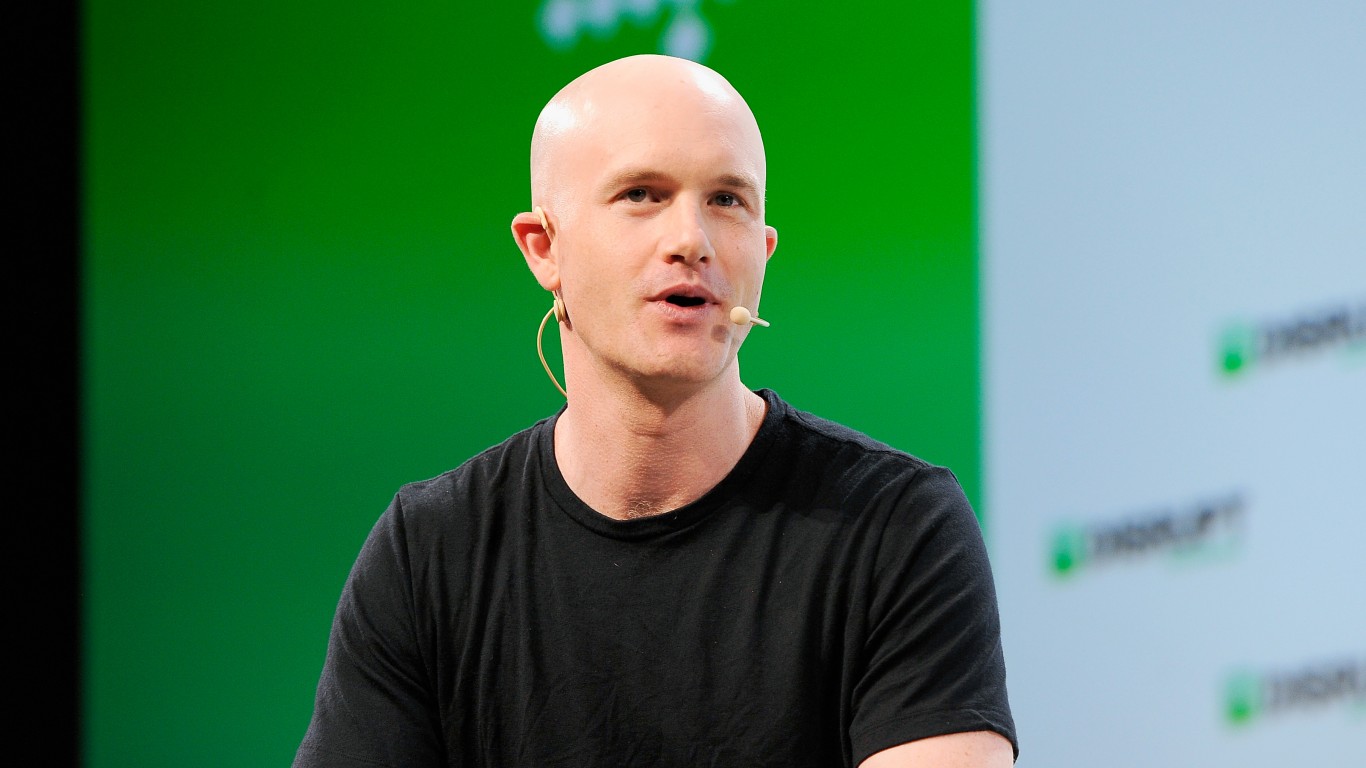
Ben Armstrong opposed the CLARITY Act because of how it treated stablecoin yield. Coinbase earns roughly $1.35 billion a year from its USDC rewards program, which pays users around 4% on their stablecoin balances while most bank savings accounts offer close to zero.
The Senate Banking Committee’s draft would have banned passive stablecoin yield entirely, and Armstrong said publicly in January that he would rather have no bill than one that protects bank profits at the expense of consumers. Then his withdrawal forced the committee to cancel its scheduled markup in January.
Senators Thom Tillis and Angela Alsobrooks reached a compromise on March 20 that bans passive yield but allows activity-based rewards tied to payments and platform use. Coinbase reviewed the updated text on March 25 and rejected it again, saying the language still went too far. Armstrong then went quiet for two weeks after that second rejection.
On April 8, the White House Council of Economic Advisers released a report that found a full ban on passive stablecoin yield would cost consumers $800 million a year while doing almost nothing to protect bank deposits. The next day, Armstrong posted on X endorsing the bill and thanking Bessent for pushing it forward. With Coinbase no longer opposing it, the CLARITY Act has no major industry holdout left for the first time in 2026.
Why the SEC and the U.S. Treasury Endorsed the CLARITY Act
Bessent used his Wall Street Journal op-ed to frame the CLARITY Act as a national security issue. He warned that blockchain developers and crypto companies have already started relocating to Singapore and Abu Dhabi because those countries built clear regulatory frameworks first. One in six Americans now holds some form of digital asset, yet the platforms managing that money still operate without a defined set of federal rules.
SEC Chairman Paul Atkins backed Bessent hours later, posting on X that the SEC and CFTC have already built a joint initiative called Project Crypto in preparation for the bill. Both agencies are ready to implement it as soon as Congress acts. CFTC Chair Michael Selig endorsed the same call and said the legislation would protect the crypto industry from a future administration reversing the current stance through regulatory action alone.
David Sacks also weighed in despite his 130-day term as White House crypto czar expiring on March 26. The administration has not appointed a replacement, which means the CLARITY Act is moving through its most critical window without a dedicated crypto advocate inside the White House. Sacks stepping in from outside his official role suggests the coordinated push on April 9 was planned well before the Senate recess ended.
What the CLARITY Act Means for the XRP Price
Every faction that was blocking the bill has either endorsed it or stepped aside. If the Banking Committee moves it forward in late April, XRP’s commodity classification becomes permanent, and banks can start settling cross-border payments in XRP through Ripple’s network.
However, if the bill stalls for a third time, XRP loses its last remaining catalyst and could retest the lower price levels or drop back to less than a dollar in the worst case. If you hold XRP, the next two weeks after the markup and the outcome of the Iran war ceasefire will shape XRP’s price action.













 Top Gaining Stocks
 Top Losing Stocks