



Every time the war between the U.S. and Iran seems to be heading towards a resolution, the market has always reacted with a quick pump. But the rallies never last once the war talks break down again. The latest crypto market rally started after Iran and the U.S. agreed to a two-week ceasefire, with Pakistan brokering a deal between the two parties.
Iran reopened the Strait of Hormuz, and the market turned green, with XRP (CRYPTO: XRP) jumping 5% to over $1.38. But within 48 hours of the agreement, the ceasefire is already looking bleak. Israel launched its largest strike on Lebanon, causing Iran to close the Strait again. As the war drags on, will the XRP price hold $1.35, or will it pull back again?
Why XRP Jumped 5% Following the U.S. and Iran Ceasefire

The crypto market was as bearish as it gets before the ceasefire news dropped. The Fear and Greed Index was at 12, which is deep in extreme fear, and traders had been building short positions for weeks as the war showed no signs of stopping. When the ceasefire was announced, about $425 million in short positions were liquidated across the crypto market in a single day as the market turned bullish.
Bitcoin spiked 5% to $72,700, and XRP also jumped 5% to $1.38. Oil prices dropped briefly from around $113 to below $95 per barrel as the Hormuz reopening eased off the macroeconomic pressure. The whole crypto market cap expanded by nearly 4% in 24 hours as capital rotated back into risk assets.
Every other ceasefire talk so far was a vague proposal with no real terms, and that’s why the rallies they produced didn’t last. This one is different because it came with a specific condition—Iran reopens the Strait of Hormuz—and Trump made it clear what would happen if it didn’t. That gave traders something concrete to react to, and it is why the bounce was bigger than anything the war has produced so far.
Why Is the Ceasefire Already Under Pressure?
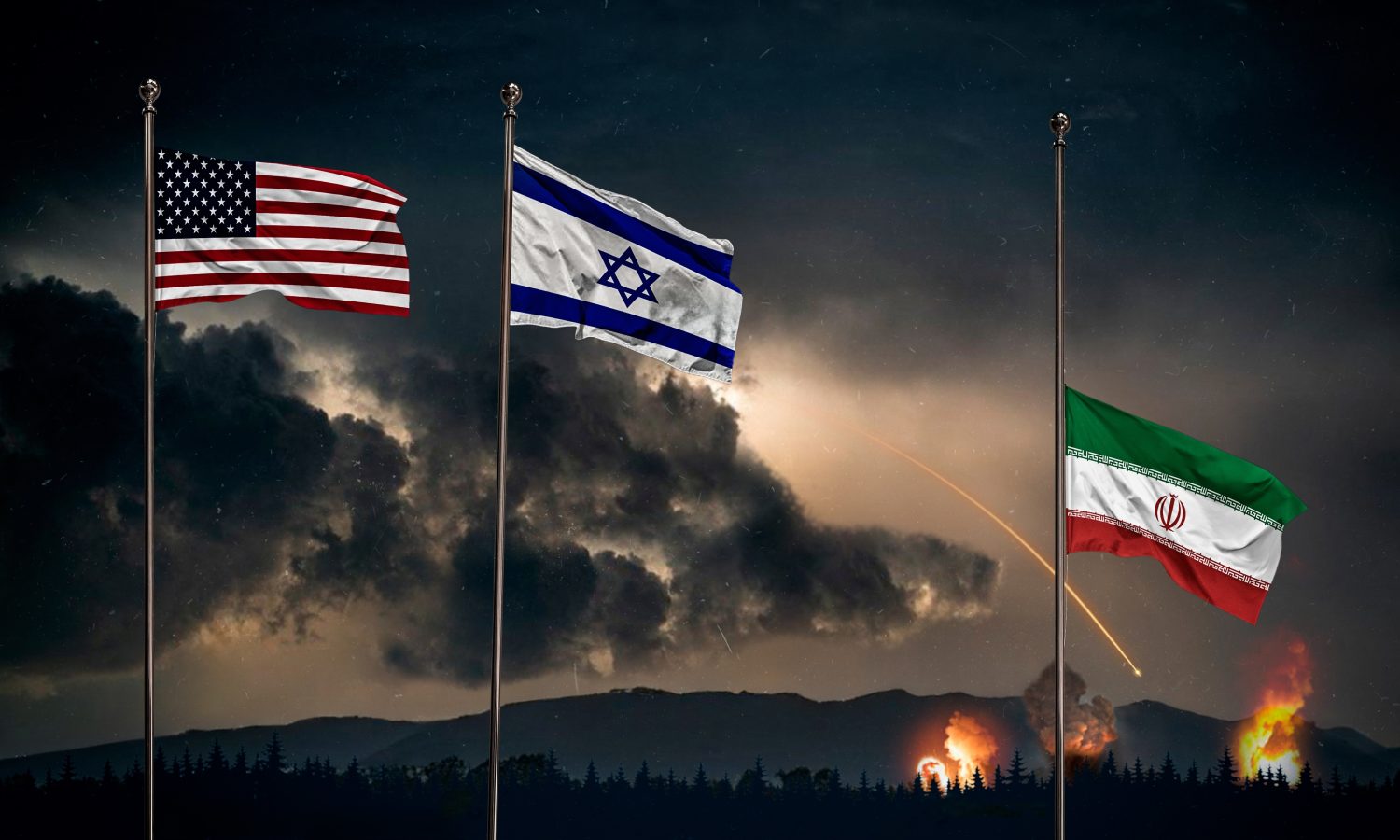
The entire ceasefire was built around one condition: Iran reopens the Strait of Hormuz. Oil tankers passed through with Iran’s permission on the first morning, and for a few hours it looked like the deal was working. Then Israel launched its largest coordinated strike on Lebanon since the war began, killing over 200 people, and Iran shut the Strait down again. The IRGC said all tanker traffic was halted because Israel violated the ceasefire, and Iranian state media reported that Tehran was considering pulling out of the deal entirely.
The disagreement blew up within 24-48 hours of the deal, and the Hormuz is still closed to oil tankers as of April 9 because of it. Over 400 tankers are stuck in the Gulf, and shipping companies say they have no information on how to safely transit. Oil prices have already bounced back above $97 after April 8’s 10% drop.
The XRP rally was built on the idea that oil prices were finally coming down and the bearish pressure on the market eased following the ceasefire. If the Hormuz stays shut, the same pressure that pushed XRP below $1.30 would come right back. Talks between the U.S. and Iran are scheduled to start Saturday in Islamabad, but until tankers are actually moving through the Strait, the market will cripple once again.
Will the XRP Price Hold Above $1.35 This Time?
XRP has already pulled back to $1.33 as Israel’s attacks shake up the ceasefire agreement. The $1.35 XRP price is unlikely to hold if the Hormuz stays shut and oil prices climb back above $100. The Islamabad talks starting April 11 and the CLARITY Act markup window opening after the Senate’s recess ends on April 13, are the two events that could keep XRP’s rally hopes alive.
When oil tankers start moving through the Strait again, then oil prices will come down, and the macroeconomics pressure will ease once more. XRP needs to hold its ground around $1.35 until the war settles, as it risks breaking below the key $1.28 support.













 Top Gaining Stocks
 Top Losing Stocks