



XRP (CRYPTO: XRP) just broke above $1.50 after spending over a month stuck between $1.35 and $1.45, despite Ripple’s success in the same period. Mastercard added Ripple to its crypto payments program on March 11, Goldman Sachs became the largest XRP ETF buyer, and whales added 1.3 billion XRP to their wallets in early March—but the XRP price barely moved on any of it.
The one thing that could really move the XRP price beyond key resistance levels is the CLARITY Act—a bill that would classify XRP as a digital commodity under federal law and put it on the same regulatory footing as Bitcoin and Ethereum. That single distinction is what banks, asset managers, and payment providers are waiting for before they can integrate XRP at scale.
The bill passed the House in July 2025 with bipartisan support, but has been stuck in the Senate since January. Now investors want to know when the CLARITY Act would pass, and whether the XRP price would surge if it does.
What the CLARITY Act Could Actually Do for the XRP Price

The CLARITY Act would classify XRP as a digital commodity under federal law, putting it in the same category as Bitcoin and Ethereum. Right now, XRP’s legal status comes from a 2025 court ruling that said it’s not a security when sold on public exchanges. That was a win, but it was one judge’s opinion in one district. The CLARITY Act would make that federal law—applicable everywhere, and not something a future SEC chair or a different court could reverse.
That’s the piece banks have been waiting for. A court opinion gives Ripple a legal argument, but a federal statute gives a bank’s compliance team the green light to actually build with XRP. Without that, most institutions won’t touch it at scale, no matter how many partnerships Ripple signs.
Once XRP has commodity status in federal law, U.S. banks can start using it for cross-border settlement through Ripple’s payment network without worrying about a regulator changing the rules later. XRP ETFs are already live and have pulled in over $1.3 billion, but weekly inflows have slowed without federal law backing XRP’s status. The commodity classification would give larger institutional allocators and asset managers the legal confidence to commit to these products with confidence.
Ripple has been preparing for this behind the scenes. President Monica Long has said the company expects NDAs with institutional partners to expire once the bill passes, which means there are deals already in place that haven’t been announced yet. Deutsche Bank has already gone public with its XRPL integration, and if the CLARITY Act clears, more names like that are likely to follow.
Where the CLARITY Act Stands Right Now
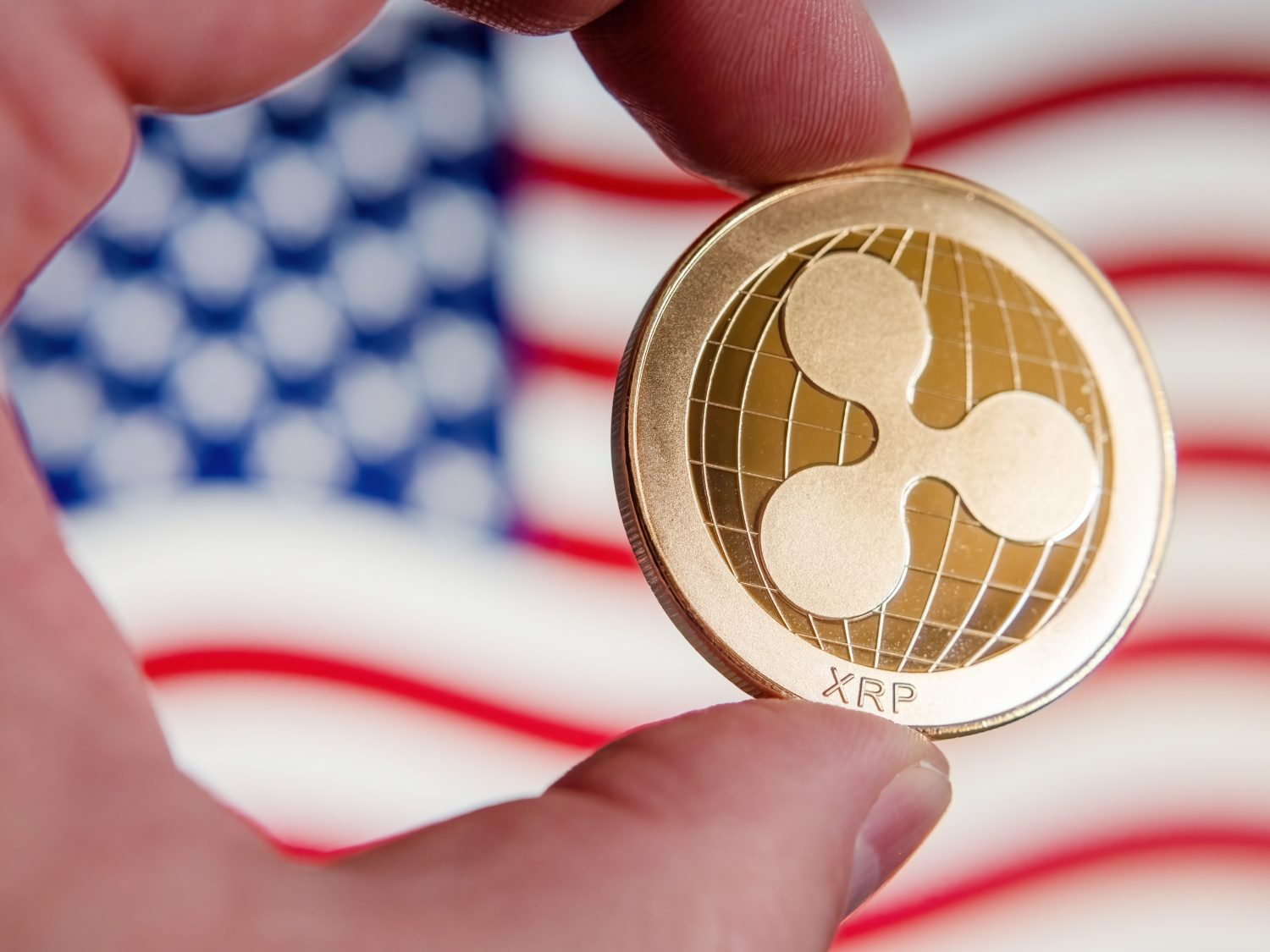
The bill cleared the House in July 2025 with a 294-134 vote, and the Senate Agriculture Committee passed its version on January 29, but the Senate Banking Committee is where it got stuck. A markup was scheduled for January 15, but it was pulled the same day after Coinbase CEO Brian Armstrong said he couldn’t support the bill as written and over 100 proposed amendments were filed, and the committee hasn’t rescheduled since.
The fight that derailed the markup is about whether crypto platforms should be allowed to pay rewards on stablecoin balances. Banks argue that paying 4% to 5% on a USDC balance looks too much like a savings account, and letting crypto firms offer that without a banking charter would pull deposits out of the traditional banking system.
The White House tried to get both sides to agree by setting a March 1 deadline for compromise language, but that deadline passed without a deal. The American Bankers Association rejected the White House’s proposal on March 5, calling even limited stablecoin rewards a loophole that would let crypto firms compete with banks on uneven terms.
Senators Angela Alsobrooks and Thom Tillis said on March 10 that they’re working on new language that would ban rewards on idle stablecoin balances but allow incentives tied to payments and transactions. The Senate Banking Committee is eyeing a late March markup as a second attempt. Even if they resolve the stablecoin fight, though, the bill still has unresolved disputes over DeFi regulation and ethics rules that could slow it down further.
Galaxy Digital’s Alex Thorn said on March 14 that the bill needs to clear the Banking Committee by the end of April, or the chances of the CLARITY Act passing in 2026 become extremely low. Senate Majority Leader John Thune has said the chamber won’t even get to the bill before April because the SAVE America Act takes priority, and once midterm campaigning starts in the summer, the window closes. Polymarket currently gives the CLARITY Act a 56% chance of being signed into law this year, down 9 points from earlier in March.
XRP Price Prediction: What Happens If It Passes vs. What Happens If It Doesn’t
Where the XRP price goes from $1.50 depends on whether the CLARITY Act becomes law this year.
If the CLARITY Act Passes: $5 to $10
Standard Chartered’s Geoffrey Kendrick originally set an $8 XRP target for 2026, and that number assumed the CLARITY Act would pass. He projects $4 to $8 billion in total XRP ETF inflows by year-end if it does, which is several times the $1.3 billion that flowed in during the first 50 days after ETFs launched.
Most analysts land in the $5 to $10 range if the bill passes. At $8, XRP’s market cap would be around $490 billion — big, but within reach for a token that banks would actually be using for cross-border payments rather than one that’s just trading on retail exchanges.
If both the CLARITY Act and Ripple’s Federal Reserve master account application come through by late 2026, some analysts model $15 to $30 based on full bank adoption and XRP being integrated directly into U.S. payment infrastructure.
If the CLARITY Act Doesn’t Pass: $1.50 to $2.50
Without the bill, the XRP price likely stays stuck in the same range it’s been in since January. ETF inflows have already slowed from $1.3 billion in the first 50 days to under $2 million per week by early March, and that momentum isn’t coming back without a federal law to push institutional allocators off the sidelines.
Standard Chartered cut its 2026 XRP target from $8 to $2.80 in February, and that revised number assumes the bill gets delayed and macro conditions stay rough. If the CLARITY Act gets shelved entirely and midterm politics take over, XRP would likely drift between $1.50 and $2.50 for the rest of the year, moving with the broader crypto market rather than on anything specific to Ripple.
Will the CLARITY Act Surge the XRP Price?
If it passes, yes — the difference between the two outcomes is $5 to $10 with the bill versus $1.50 to $2.50 without it. What matters right now isn’t the bill itself, though. It’s the compromise language that Senators Alsobrooks and Tillis are drafting on stablecoin rewards.
If both sides accept that language, the Senate Banking Committee can schedule its markup and the bill starts moving again. If the compromise falls apart, the markup doesn’t happen, and the CLARITY Act is likely dead for 2026. XRP’s next major move comes down to whether a handful of senators can agree on when a stablecoin reward stops being a reward and starts being a savings account.














 Top Gaining Stocks
 Top Losing Stocks