



Philippe Laffont built Coatue Management by spotting major technology shifts early and betting on them with size. His fund has consistently leaned into the biggest platform changes in tech, from cloud computing to mobile. Now, Coatue is making one of its clearest bets yet.
The firm has recently added to positions worth billions in Taiwan Semiconductor Manufacturing (NYSE:TSM | TSM Price Prediction), Microsoft (NASDAQ:MSFT), and Applied Materials (NASDAQ:AMAT) and GE Vernova (NYSE:GEV). These companies sit at the center of the AI buildout. Each plays a different role across the stack, from manufacturing advanced chips to supplying the tools that make them, to deploying that compute at scale through the cloud. Artificial intelligence is shaping up to be a multi-year capital cycle, and Coatue is increasing exposure across the ecosystem. The bet is simple: the companies building and enabling this infrastructure will capture a disproportionate share of the value created.
Taiwan Semiconductor: Coatue Adds to the Core Bottleneck of AI
Taiwan Semiconductor sits at the center of the global AI supply chain. The company manufactures the most advanced chips in the world, and every major AI accelerator, from NVIDIA GPUs to custom silicon from hyperscalers, depends on its fabs. Coatue increased its position by about 6.9% last quarter, bringing Taiwan Semiconductor to roughly 6.56% of the portfolio, making it one of the fund’s largest holdings. This is a continued build into a core position, which signals conviction as demand for AI chips continues to accelerate.
The business is delivering on that demand. The stock has surged over 140% in the past year as the market recognizes that AI chip demand is not a short-term cycle but a multi-year expansion. For Coatue, owning the bottleneck in semiconductor production remains one of the clearest ways to capture value from the AI buildout.
Microsoft: Scaling Into the Biggest Buyer of AI Infrastructure
Microsoft represents the demand side of the AI equation. Through Azure and its partnership with OpenAI, the company is rapidly becoming one of the largest buyers and deployers of AI infrastructure in the world. Coatue added about 11.4% to its position, bringing Microsoft to approximately 6.25% of the portfolio. That places it alongside Taiwan Semiconductor as one of the fund’s highest-conviction holdings, reinforcing the idea that Coatue is building exposure across multiple layers of the AI stack. Microsoft’s advantage is its ability to monetize AI at scale. As enterprises integrate AI into workflows and cloud spending continues to rise, Microsoft is positioned to convert infrastructure investment into recurring revenue. That combination of scale, distribution, and monetization helps explain why Coatue continues to add to the position.
Applied Materials: The Picks-and-Shovels Play Behind AI Chip Growth
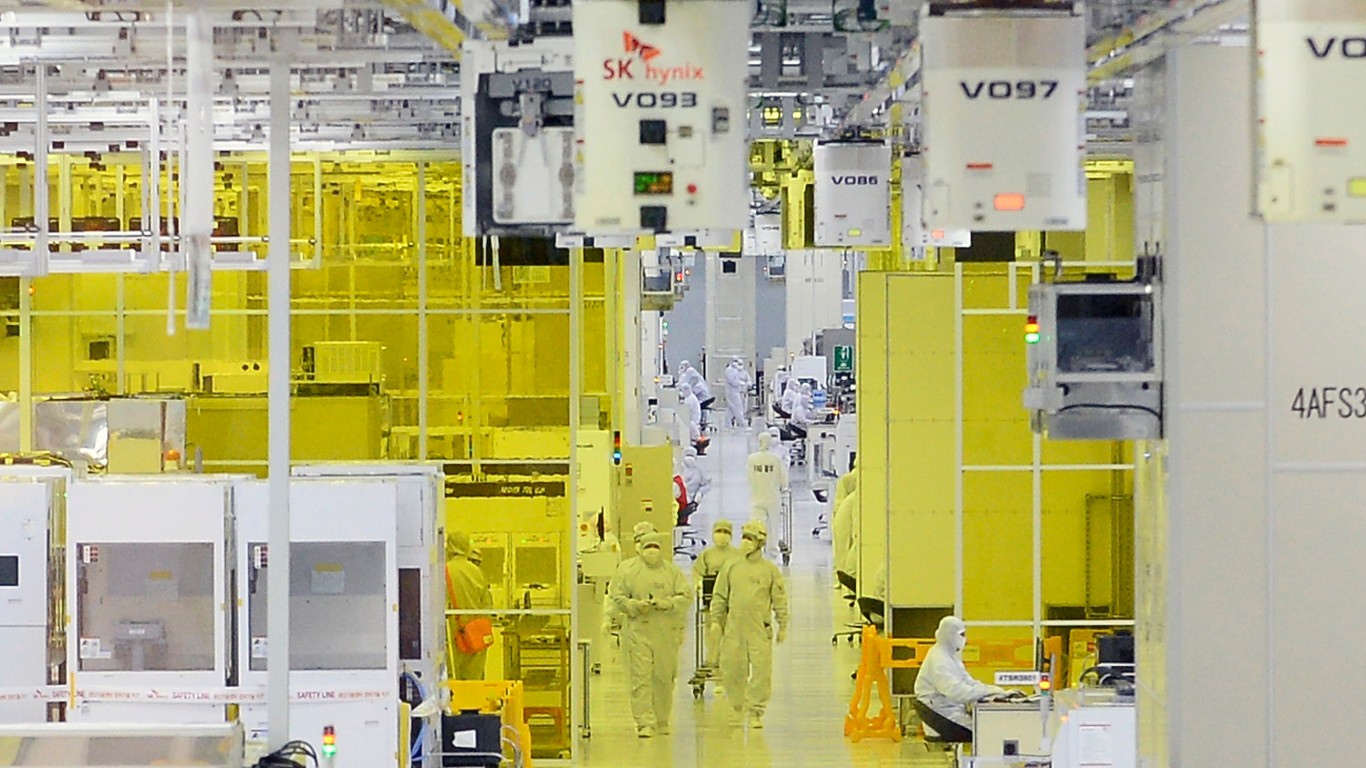
Applied Materials operates one layer beneath Taiwan Semiconductor, supplying the tools and equipment required to build advanced chips. As fabs expand capacity to meet AI demand, Applied sits directly in the flow of that capital spending. Coatue increased its stake by nearly 79%, bringing Applied Materials to about 3.85% of the portfolio. That kind of move signals a more aggressive build compared to its larger, more established positions, suggesting growing conviction in the semiconductor equipment cycle.
In its Q1 FY2026 results, Applied reported non-GAAP EPS of $2.38 against a $2.21 estimate, a 7.84% beat, with record DRAM revenue now representing 34% of Semiconductor Systems revenue, up from 27% year over year. CEO Gary Dickerson stated directly: “Applied Materials delivered strong results in our fiscal first quarter, fueled by the acceleration of industry investments in AI computing… we expect to grow our semiconductor equipment business over 20% this calendar year.” Applied’s free cash flow expanded 91.18% year over year to $1.04 billion in Q1, and the stock has gained 191.4% over the past year to $396.94.












 Top Gaining Stocks
 Top Losing Stocks