


ARK Space Exploration & Innovation ETF (NYSEARCA:ARKX) has rewarded patient holders lately, with shares near $33 after a 74% one-year run and a 13% year-to-date gain. That kind of move tends to bury the risk conversation. It shouldn’t.
ARKX is an actively managed, non-diversified thematic equity ETF that launched in March 2021. Its mandate covers orbital and sub-orbital aerospace, enabling technologies, aerospace beneficiaries, and adjacent fields like robotics and additive manufacturing. ARK recently renamed it the ARK Space & Defense Innovation ETF to reflect an 80% asset requirement in space and defense sectors. People own it for pure-play exposure to a space economy projected to nearly triple by 2035. The risks worth your attention flow directly from how that exposure is built.
Concentration Risk Is About to Get Worse
ARKX is structurally concentrated by design, with significant weightings in eVTOL, small-launch, defense electronics, and Tesla, which ARK added in February 2026 as a first-time 1.99% position via 35,766 shares. Cathie Wood has also been pressing the eVTOL bet, buying 835,273 Joby shares over a three-day stretch in March 2026 to lift ARK’s total Joby holdings above 14 million shares. These are conviction trades, and a single FAA certification slip on Joby, Archer, or Vertical Aerospace can move the fund disproportionately.
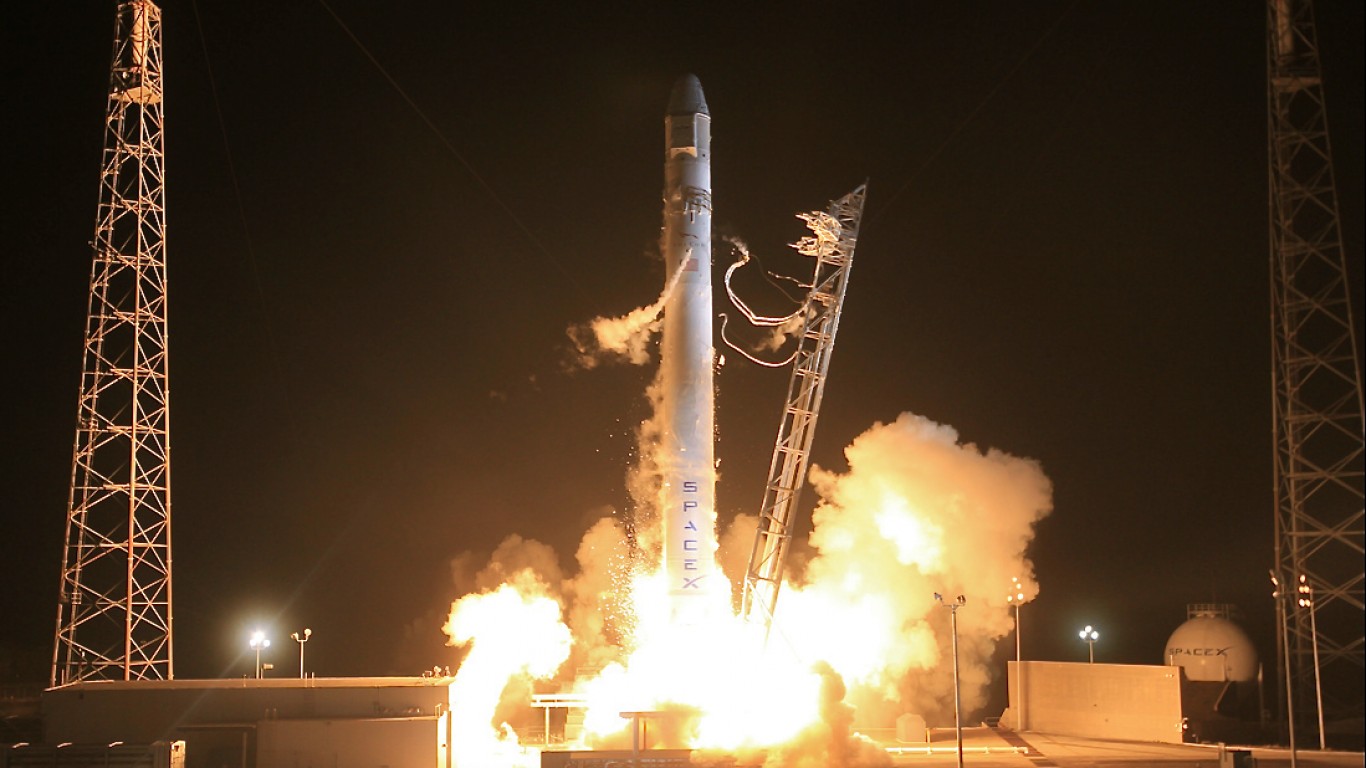
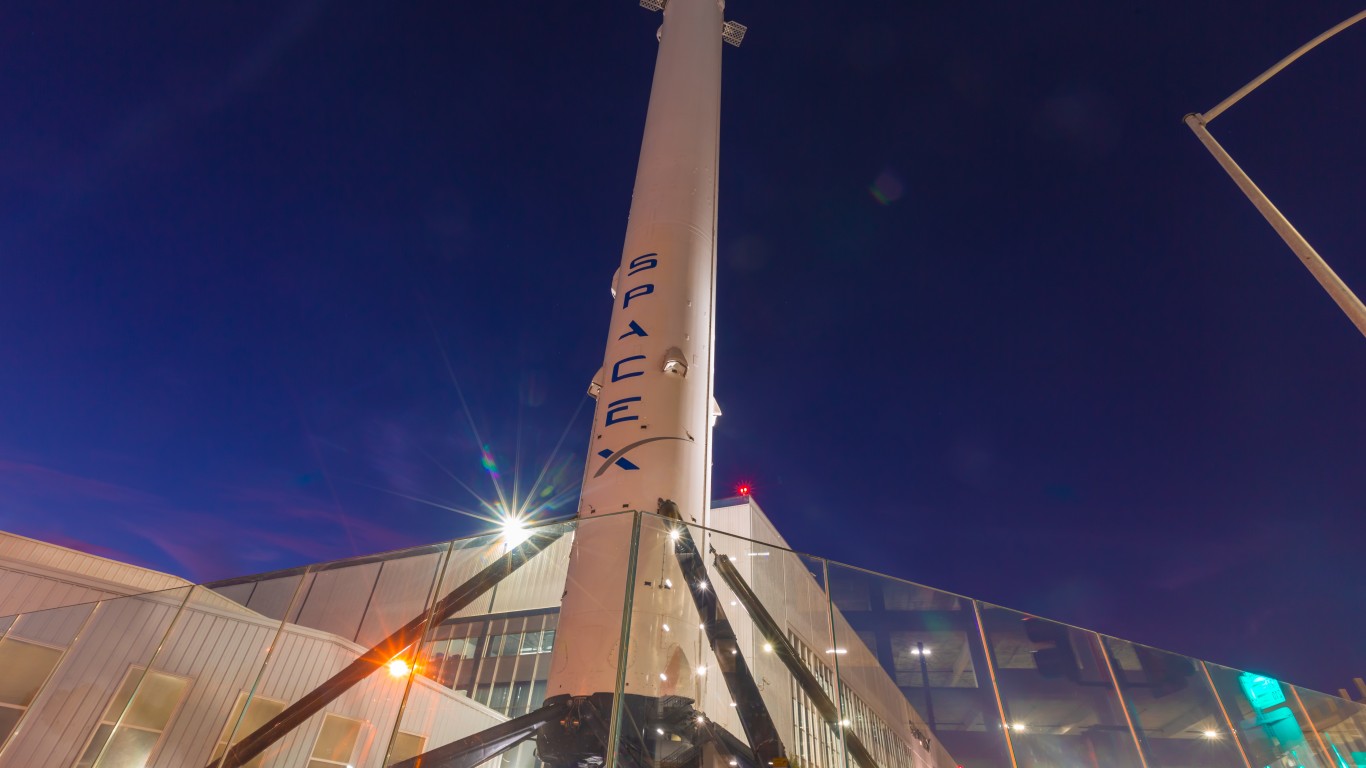
The bigger concentration problem is on the horizon. A rumored SpaceX IPO targeting a June 2026 listing is the dominant overhang. Benzinga’s analysis: a deal of that scale “could significantly transform space-themed ETFs, making them revolve around a single high-growth company rather than a diverse basket… SpaceX’s sheer size, especially its Starlink division, might concentrate these ETFs much like Nvidia has dominated AI-focused funds.”. Ross Gerber of Gerber Kawasaki flagged that SpaceX’s reported request for early Nasdaq 100 inclusion as a condition of the IPO is “highly unusual” and could artificially inflate the stock by guaranteeing passive fund buyers. If ARKX takes a meaningful SpaceX position at IPO, idiosyncratic SpaceX risk becomes ARKX risk. If it doesn’t, the fund risks looking irrelevant in its own theme.
Rate-Sensitive Holdings in a Sticky Yield Environment
Many ARKX holdings are early-stage, unprofitable growth companies whose valuations rest on cash flows years out. AeroVironment trades at a forward P/E near 188, and Craig-Hallum has flagged Rocket Lab as “priced for perfection” with concerns about Neutron rocket timelines. These multiples need a cooperative discount rate.
That cooperation is thin. The 10-year Treasury yield is 4.4%, sitting in the 84th percentile of its 12-month range and up about 2% over the past month. ARK’s flagship ARKK ETF demonstrated the playbook during the 2021 to 2022 rate cycle, drawing down roughly 80% peak-to-trough. ARKX shares the same DNA. Rates only need to stay sticky to keep pressure on the multiples that drove the recent rally.
What to Watch and How Often
- SpaceX IPO terms and ARK’s prospectus filings. Track ARK Invest’s daily trade disclosures (ark-funds.com) and any updated ARKX prospectus on the SEC’s EDGAR system. The signal that matters: any single position above 10% of fund weight. Check weekly once IPO terms are formalized.
- The 10-year Treasury yield via FRED (series DGS10). A sustained move above the recent 12-month high of 4.58% would tighten the discount-rate vise on unprofitable holdings. Check monthly, plus around every FOMC meeting.
- The VIX via FRED (series VIXCLS). Currently almost 17, well off the March 2026 spike near 31. Concentrated thematic ETFs underperform in high-VIX regimes; readings above 25 historically coincide with sharp ARK drawdowns. Check weekly.
- Fund flows and AUM. ARKX is already facing “substantial net outflow” per AD HOC NEWS reporting in February 2026. Persistent outflows raise liquidity strain in smaller underlying names. Check ETF.com flow data monthly.
- FAA certification milestones for Joby, Archer, and Vertical Aerospace. These appear in company 8-K filings and FAA announcements. A delay or denial is the most likely single-event drawdown trigger.
Position Sizing for the Second Half of 2026
ARKX investors should be watchful, not alarmed. The fund is doing what it advertises and recent returns reflect that. The setup heading into the second half of 2026 carries two specific stresses: a SpaceX IPO that could redefine the fund’s risk profile overnight, and a rate environment that punishes the long-duration equity profile underneath the ticker. If the 10-year yield breaks higher or SpaceX lands in the portfolio at a double-digit weight, the risk picture changes from manageable to acute. Until then, position size accordingly and check the monitoring list above on the cadence it deserves.














 Top Gaining Stocks
 Top Losing Stocks