


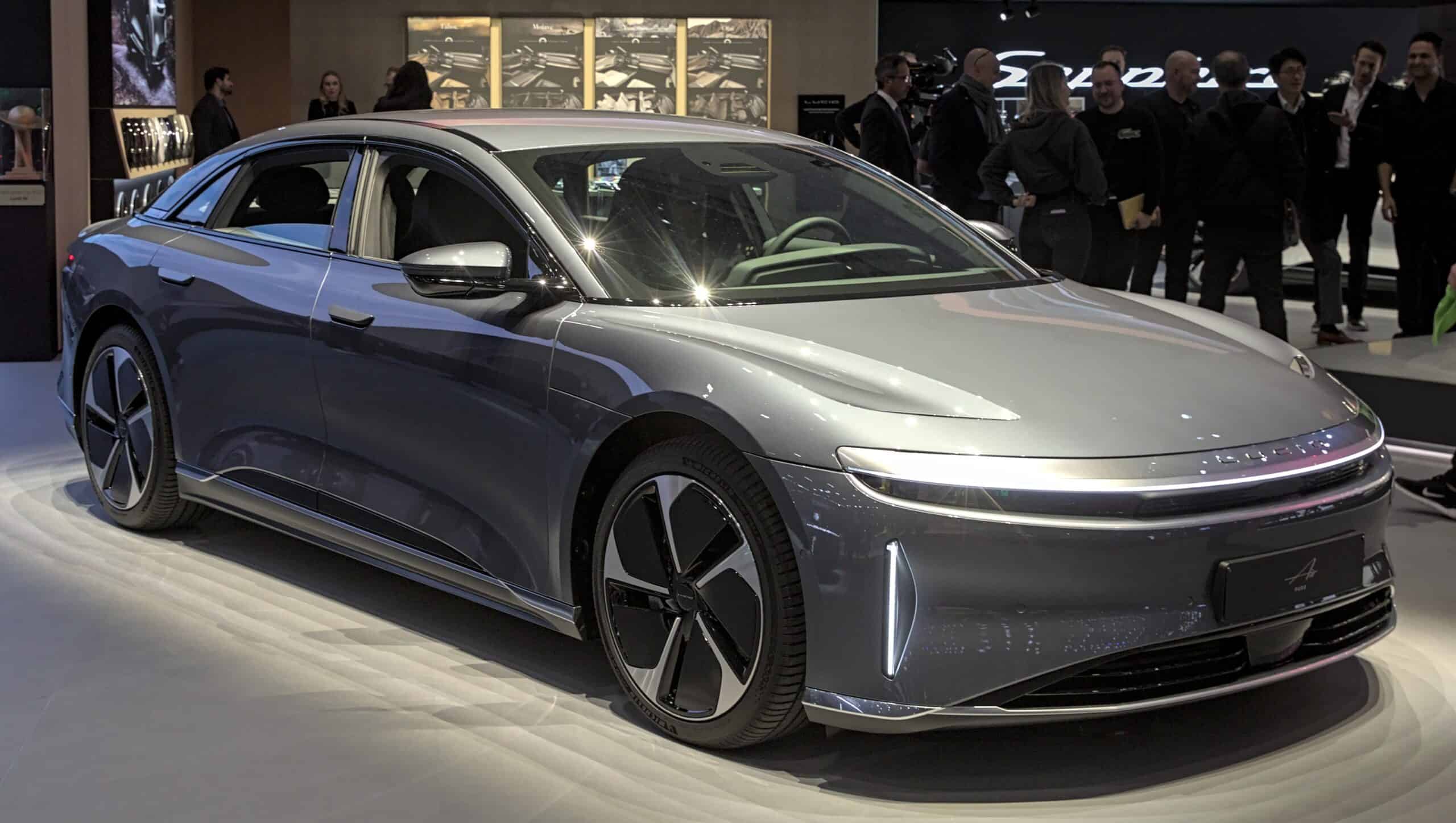
Lucid Group (NASDAQ:LCID | LCID Price Prediction) saw its Morgan Stanley price target cut in half to $5 from $10 on May 6, with the firm keeping its Underweight rating. The cut follows a 29-day stop-sale on the Gravity SUV tied to a supplier quality issue, suspension of full-year guidance, and an unresolved CEO transition. For LCID stock investors, the downgrade signals Wall Street sees little near-term relief from a deepening visibility vacuum.
Morgan Stanley expects Lucid stock to remain under pressure until the incoming chief executive has sufficient time to review the outlook. With LCID stock trading near its multi-year lows, the call lands at a delicate moment for one of the most capital-intensive names in the EV sector.
| Ticker | Company | Firm | Action | Old Rating | New Rating | Old Target | New Target |
|---|---|---|---|---|---|---|---|
| LCID | Lucid Group | Morgan Stanley | Price Target Cut | Underweight | Underweight | $10 | $5 |
The Analyst’s Case
Morgan Stanley’s halved LCID price target centers on three concerns: Q1 2026 results were hindered by a supplier quality issue, resulting in a 29-day stop-sale on the Gravity SUV, suppressing deliveries, and suspending guidance until Lucid Group’s incoming CEO has sufficient time to review the outlook. The firm expects Lucid shares to stay pressured until a strategic update arrives.
With the Underweight rating already in place on Lucid stock, the lower target reinforces a bearish stance. In the auto industry, sourcing problems can cascade into multi-quarter disruptions, raising the bar for Lucid’s recovery.
Company Snapshot
Lucid Group is a luxury electric vehicle (EV) maker with a market cap near $2.17 billion and 366.2 million shares outstanding. The lineup features the Lucid Air sedan and Lucid Gravity SUV, with a midsize vehicle targeted to enter production this year alongside the first commercial robotaxi deployments with partners with partners Uber Technologies (NYSE:UBER) and Nuro.
Lucid’s Q4 2025 revenue rose 122% year over year (YoY) to $522.73 million, yet cost of revenue of $944.64 million exceeded sales and produced a $1.06 billion operating loss. Lucid finished the year with roughly $4.6 billion in total liquidity, supported largely by Saudi Arabia’s Public Investment Fund (PIF).
Why the Move Matters Now
A 29-day stop-sale is punishing for a low-volume premium brand. Beyond lost revenue, the disruption strains showroom traffic and customer trust during a Gravity ramp central to Lucid’s 2026 production target of 25,000 to 27,000 vehicles.
Suspending guidance during a CEO transition compounds uncertainty for a company that burned $3.8 billion in free cash flow last year. LCID stock is down 44% year to date and 74% over the past year, leaving little cushion for further negative surprises.
What It Means for Your Portfolio
The bull case for Lucid stock hasn’t disappeared. Premium technology, the Gravity ramp, the Uber robotaxi partnership, NVIDIA‘s (NASDAQ:NVDA) autonomy collaboration, and continued PIF backing still anchor a credible long-term narrative for patient investors.
However, the bear case is exactly what Morgan Stanley laid out: execution risk, capital intensity, and a leadership vacuum at the worst possible time. The prediction market on Lucid Group currently prices a 48% probability that the company announces bankruptcy before 2027.
Prudent Lucid stock investors may want smaller position sizing or wait for the new CEO’s strategic update before adding exposure. For broader context on the sector, see our recent rundown of EV stocks Wall Street still favors heading into 2026. The next clean read on LCID stock could remain weeks away.











 Top Gaining Stocks
 Top Losing Stocks