


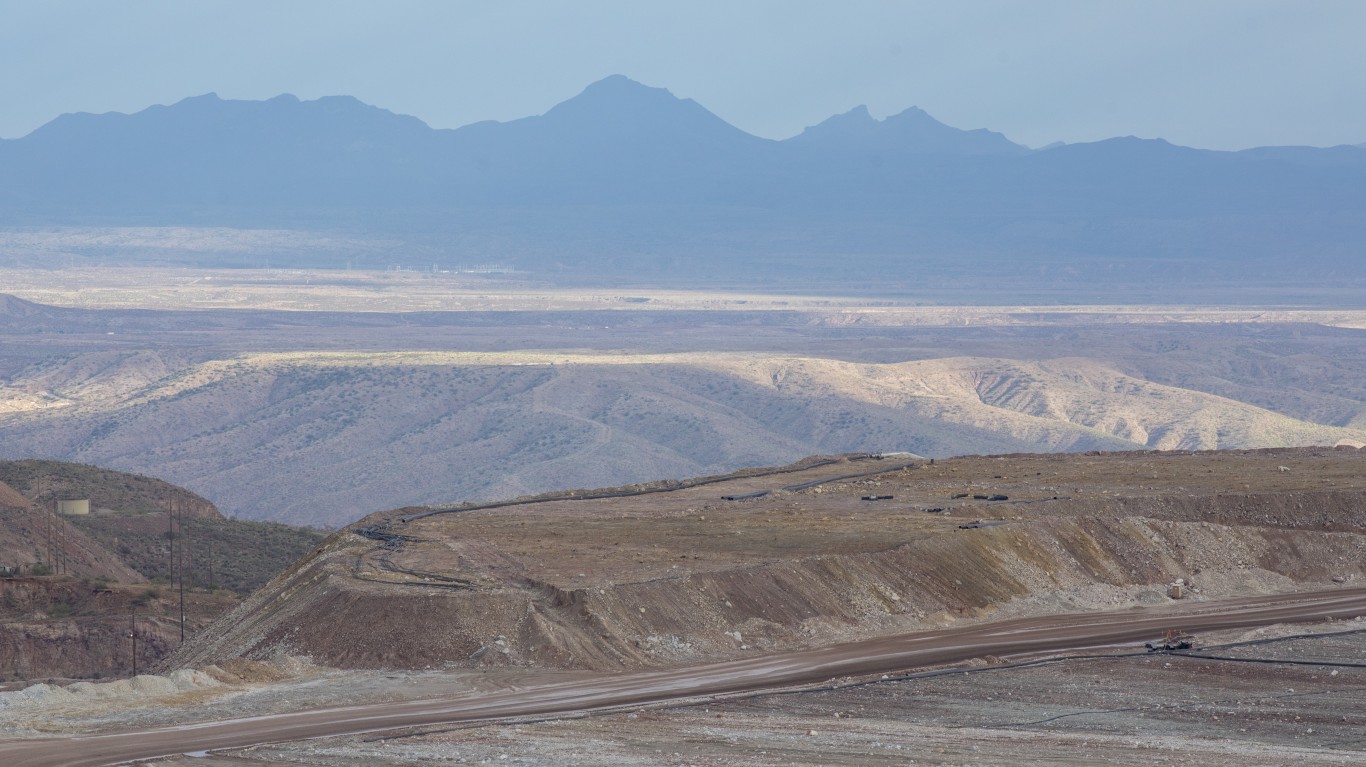
Copper sits at ~$12-13k per metric ton as of March, hovering near the top of its 12-month range after a January peak of $12,986.61. If you want a liquid US-listed vehicle whose fortunes rise and fall with the red metal, plus a side helping of lithium, Chilean banks, and the Santiago political cycle, the iShares MSCI Chile ETF (NYSEARCA:ECH) is one of the cleanest expressions you can buy in a brokerage account.
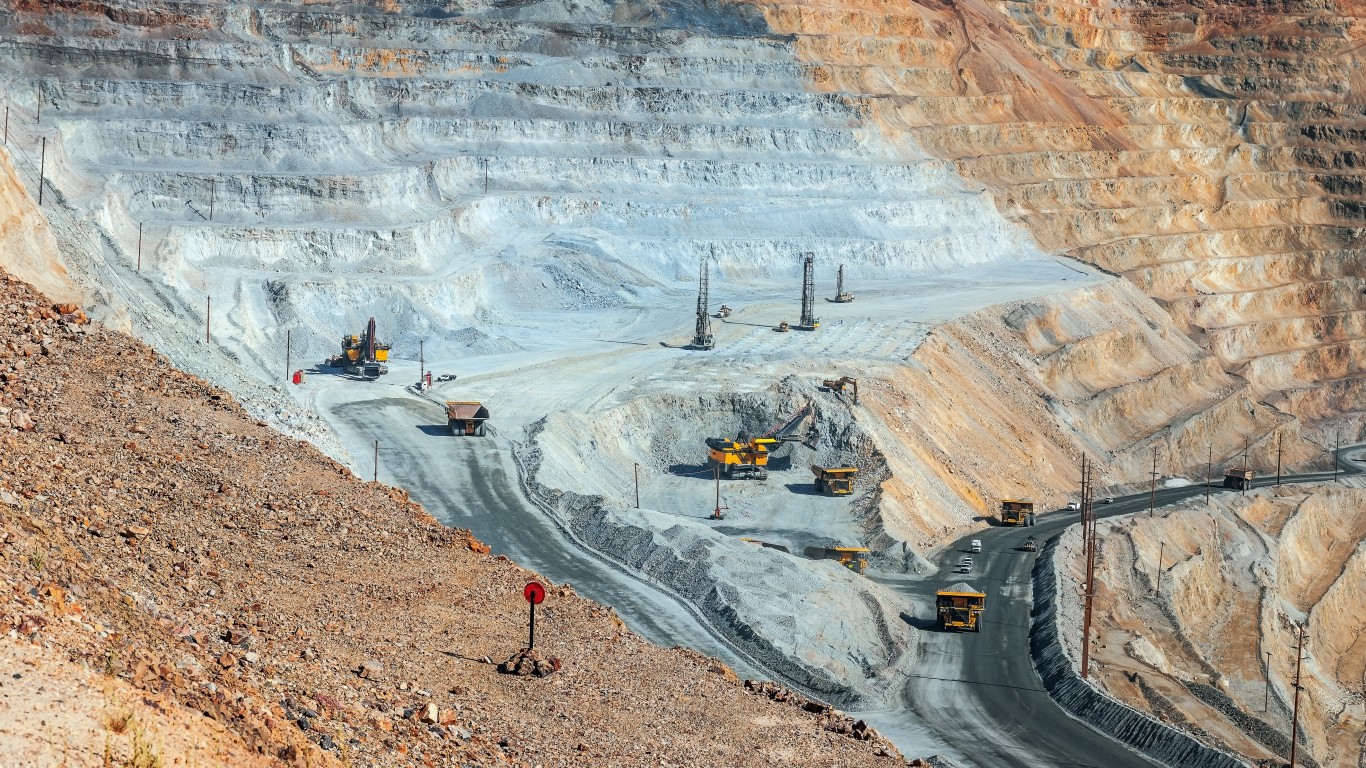
Chile produces roughly a quarter of the world’s copper. It also sits on the western edge of the lithium triangle, hosts a developed banking sector, and runs an open economy that shielded it from US trade war risks through the recent reshuffling of global supply chains. ECH packages all of that into a single ticker that trades like any US equity.
What ECH Is Actually Built To Do
ECH tracks the MSCI Chile IMI 25/50 Index, a broad-based basket of Chilean equities. The fund launched in November 2007 and charges 0.59% annually, which is on the higher side for a country fund but reasonable for the access it provides. Geographic allocation is 100% Chile, with sector concentration in materials, financials, and consumer goods and services.
The return engine here is straightforward. Chilean materials names, anchored by lithium giant SQM (NYSE:SQM | SQM Price Prediction) and copper-adjacent miners, drive the cyclical upside when commodity prices rise. Banks like Banco de Chile add domestic credit growth and rate-cycle leverage. Utilities and consumer staples smooth the ride. When copper rallies, the Chilean peso typically strengthens alongside it, which translates into a currency tailwind on top of the equity move for dollar-based investors. A historical Market Realist analysis described the strong correlation between the peso and copper prices, and that correlation cuts both ways.
The lithium piece got materially clearer this year. A January Supreme Court decision dismissed the Tianqi Lithium appeal, allowing the SQM-Codelco joint venture to proceed with extraction rights through 2060. For an ETF whose largest weighting is SQM, that is roughly thirty-five years of regulatory clarity dropped into the prospectus.
Does The Bet Actually Pay Off
The recent track record is loud. ECH returned 70% in 2025 on the back of the copper rally and the market’s enthusiasm for Jose Antonio Kast’s strong election showing, which traders read as market-friendly. Over the trailing year, ECH is up 31%, with shares around $40 after a 3% drop on the most recent trading day.
Zoom out and the picture gets more honest. The five-year return is 48%, and the ten-year is 47%. Said plainly, almost the entire decade of price appreciation came in the last 18 months. An investor who bought ECH in 2016 and held through 2024 spent eight years going essentially nowhere while the S&P 500 compounded. That is the deal with single-country commodity proxies. You wait, sometimes for years, and then the cycle pays you in a single burst.
The Tradeoffs You Are Accepting
- Concentration risk in commodities and a single political system. Materials and financials dominate the index. A copper bear market or a leftward political swing in Santiago can erase a year of gains quickly.
- Currency layered on equities. The peso amplifies copper moves in both directions. ECH dropped almost 6% in the past week alone, a reminder of how fast sentiment can shift.
- Cost and yield drag. The 0.59% fee plus thin dividend income makes ECH a worse vehicle for buy-and-hold investors than for tactical allocators.
ECH works as a 2-5% satellite position for investors who want concentrated copper, lithium, and Chilean equity exposure in one ticker and can stomach long flat stretches between commodity cycles. Investors looking for steady returns or pure copper-miner leverage often pair ECH with, or substitute, a broader emerging-markets fund or a dedicated miners ETF like the Global X Copper Miners ETF (NYSEARCA:COPX).












 Top Gaining Stocks
 Top Losing Stocks