


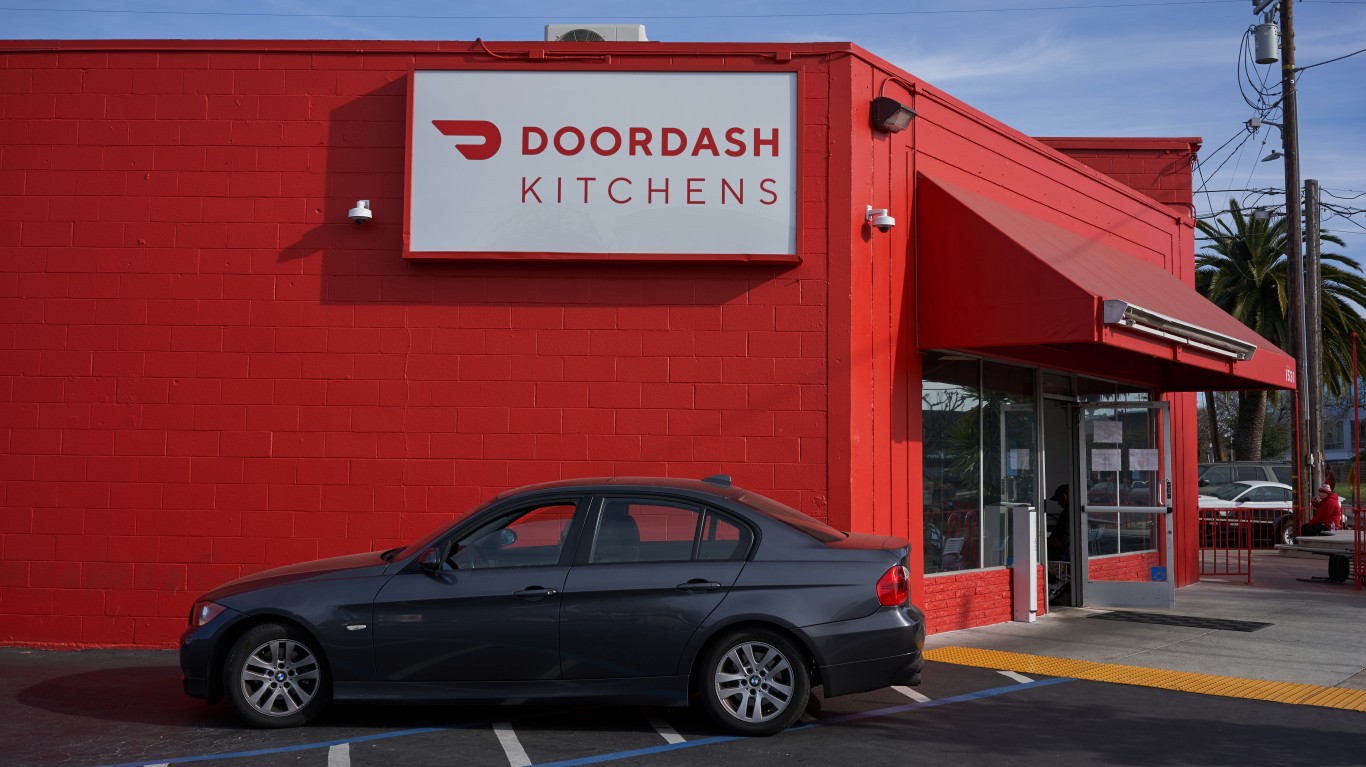
Two Wall Street firms trimmed their price targets on DoorDash (NASDAQ:DASH | DASH Price Prediction) stock on May 7 following the food delivery giant’s Q1 2026 earnings, even as shares jumped after hours on a strong Q2 2026 outlook. Goldman Sachs cut its target to $280 from $286 while keeping a Buy rating, and Piper Sandler analyst Thomas Champion lowered his target to $205 from $220, maintaining a Neutral stance.
The takeaway for investors: this looks like a recalibration rather than a thesis reset. DASH stock traded near $170 in early action on May 7, recovering some ground after a rough start to the year.
| Ticker | Company | Firm | Action | Old Rating | New Rating | Old Target | New Target |
|---|---|---|---|---|---|---|---|
| DASH | DoorDash | Goldman Sachs | Price Target Cut | Buy | Buy | $286 | $280 |
| DASH | DoorDash | Piper Sandler | Price Target Cut | Neutral | Neutral | $220 | $205 |
The Analyst’s Case
Goldman highlighted sustained platform growth across key verticals, continued tech stack improvements, and solid ad performance from both small businesses and large advertisers. The firm also flagged 2026 EBITDA growing slightly faster than gross order value (GOV), excluding Deliveroo, supporting its bullish stance.
Piper Sandler took a more guarded view. Champion noted that DoorDash’s Q1 results were roughly in line, but shares popped about 10% after hours because Q2 GOV guidance of $32.4 billion to $33.4 billion came in ahead of consensus. Expectations had been low heading in, mostly tied to fuel cost pressures.
Company Snapshot
DoorDash operates global delivery brands including DoorDash, Wolt, and Deliveroo, plus membership programs DashPass, Wolt+, and Deliveroo Plus. Q1 2026 revenue rose 33% year over year (YoY) to $4.036 billion, with total orders of 933 million, up 27%.
Profitability told a more nuanced story. DoorDash’s adjusted EBITDA margin as a percent of marketplace GOV slipped to 2% from 3%, and GAAP net income fell 5% to $184 million despite the revenue surge.
Why the Move Matters Now
The fuel cost dynamic is central. Rising gas prices squeeze drivers, and DoorDash is absorbing some of that pain: Q2 carries more than $50 million in Dasher gas relief costs. Management plans to manage investments to offset that headwind, with full-year EBITDA guidance unchanged.
The valuation remains rich. DoorDash stock trades at a P/E ratio of 74x, and the $80 spread between Goldman’s $280 Buy target and Piper’s $205 Neutral target reflects sharply different views on long-term EBITDA conversion. For more analyst color this earnings season, see our coverage of this week’s notable analyst price target changes.
What It Means for Your Portfolio
The bull case for DoorDash stock leans on ad monetization, non-restaurant category breadth, and Deliveroo integration. The bear case points to last-mile commoditization, driver classification risk, and macro pressure on discretionary food delivery.
For prudent investors, this dual price target cut is more about tempered expectations than a fundamental reversal. With DoorDash shares down roughly 25% year to date (YTD), a measured position size and patience around fuel cost normalization may be the most reasonable approach.











 Top Gaining Stocks
 Top Losing Stocks