Postal Workers Want Hazard Pay. The Answer Is No.

Photo of Douglas A. McIntyre
By Douglas A. McIntyre Updated Published
This post may contain links from our sponsors and affiliates, and Flywheel Publishing may receive compensation for actions taken through them.
Postal Workers Want Hazard Pay. The Answer Is No.

© Thinkstock

Petitions have started to circulation around the country. Postal workers need to receive hazard pay, they say. Up until now, the answer has been “no.” Because of how the U.S. Postal service is managed, and a need to preserve money, that is not likely to change.

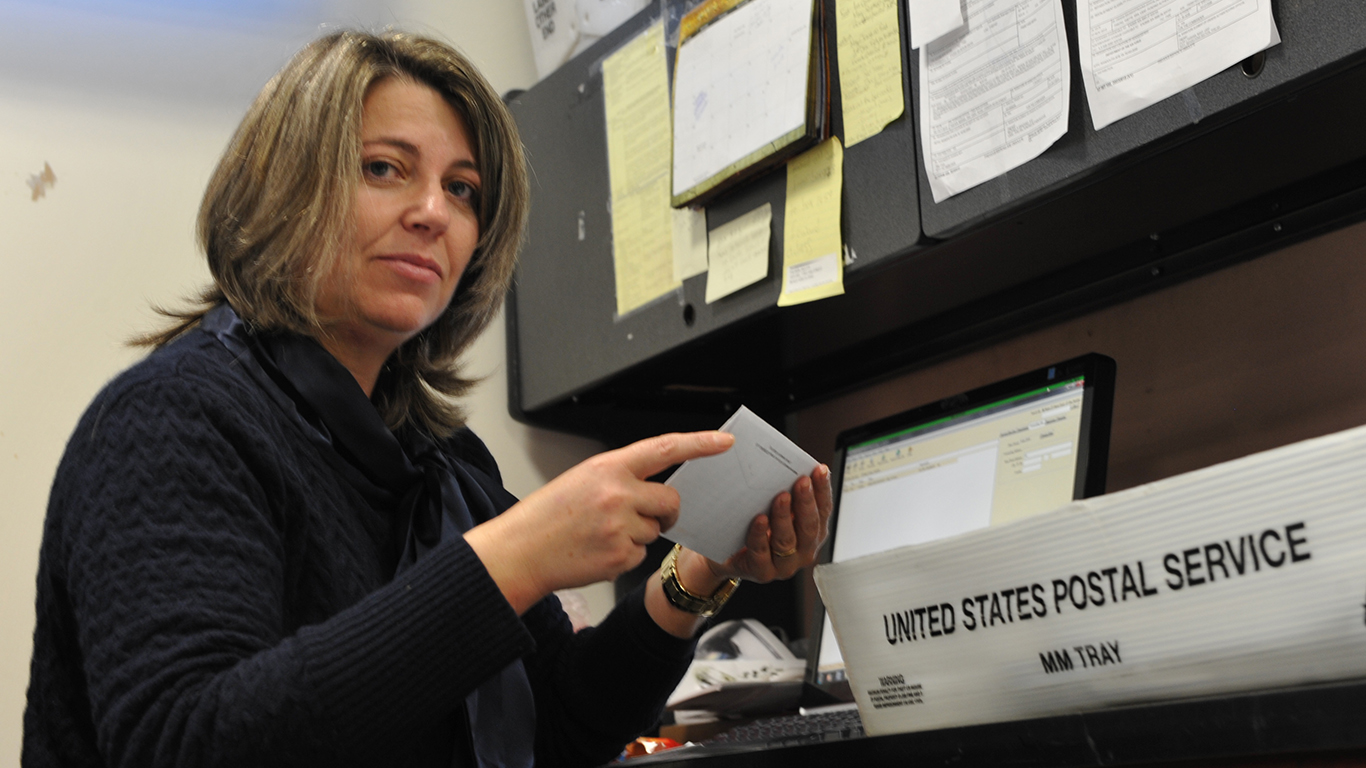
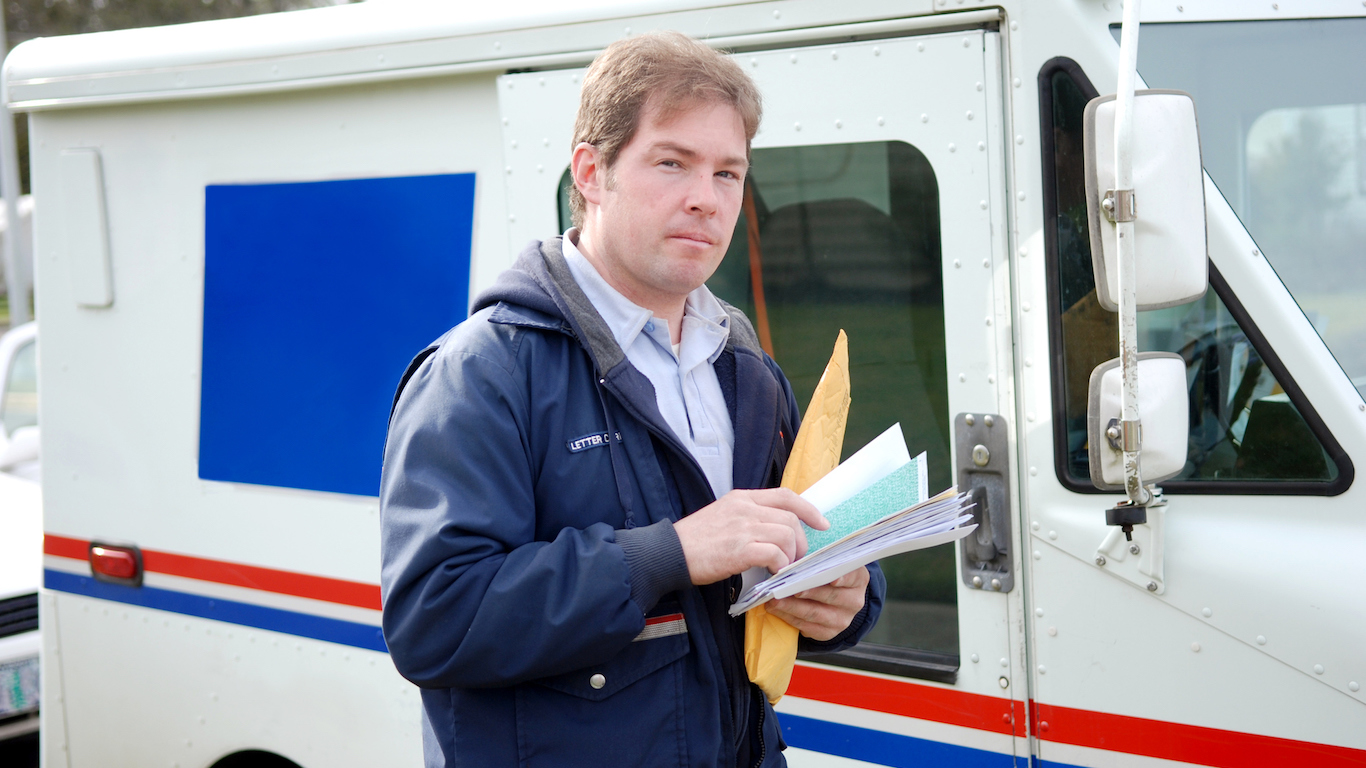
Among the most recent petitions is from widely used service Change.org. Over 40 postal workers have been diagnosed with COVID-19. Since the Post Office has almost 500,000 workers, the figure will rise too much larger numbers. Carriers and people who work in the Post Office come into contact with multiple people every day.

Among the reasons that petitioners believe hazard pay is justified is that Megan Brennan USPS CEO has not sent Postal employees masks or sanitizers. She says that workers should follow CDC guidelines, which include social distancing. Additionally, Postal workers are deemed “essential” workers. They have no alternative than to go to work, unlike tens of millions of Americans in other industries. The Post Office is not set up so that people can work from home.

What may be behind Brennan’s decision? One is the Post Office’s financial situation. Over the quarter, which ended December 31, The Postal Service had revenue of $19.3 billion. It had a net loss of $748 million. However, its pension benefit fund needs to have $72 billion to cover future employee retirement costs. The Postal Service has no way to pay that. The U.S. Postal Service’s Board of Governors, which oversees the Post Office, has not figured out a way to deal with this obligation, which can never be paid off.

The second challenge to the Postal System is the chance that fewer people will send packages or mail during the high level of coronavirus pandemic. In many cases, people need to go to Post Office locations to do so. The number of people who go out in public has sharply fallen. A drop in business activity will cripple revenue and increase losses

Petitions of not, Post Office management may not even have a way to fund the distribution of masks and sanitizers. Employees have to continue to deliver mail every single day, whether they have protection or hazard pay or not.

[nativounit][recirclink id=679564][wallst_email_signup]

Photo of Douglas A. McIntyre
About the Author Douglas A. McIntyre →

Douglas A. McIntyre is the co-founder, chief executive officer and editor in chief of 24/7 Wall St. and 24/7 Tempo. He has held these jobs since 2006.

McIntyre has written thousands of articles for 24/7 Wall St. He is an expert on corporate finance, the automotive industry, media companies and international finance. He has edited articles on national demographics, sports, personal income and travel.

His work has been quoted or mentioned in The New York Times, The Wall Street Journal, Los Angeles Times, The Washington Post, NBC News, Time, The New Yorker, HuffPost USA Today, Business Insider, Yahoo, AOL, MarketWatch, The Atlantic, Bloomberg, New York Post, Chicago Tribune, Forbes, The Guardian and many other major publications. McIntyre has been a guest on CNBC, the BBC and television and radio stations across the country.

A magna cum laude graduate of Harvard College, McIntyre also was president of The Harvard Advocate. Founded in 1866, the Advocate is the oldest college publication in the United States.

TheStreet.com, Comps.com and Edgar Online are some of the public companies for which McIntyre served on the board of directors. He was a Vicinity Corporation board member when the company was sold to Microsoft in 2002. He served on the audit committees of some of these companies.

McIntyre has been the CEO of FutureSource, a provider of trading terminals and news to commodities and futures traders. He was president of Switchboard, the online phone directory company. He served as chairman and CEO of On2 Technologies, the video compression company that provided video compression software for Adobe’s Flash. Google bought On2 in 2009.

Featured Reads

Our top personal finance-related articles today. Your wallet will thank you later.

Continue Reading

Top Gaining Stocks

CBOE Vol: 1,568,143
PSKY Vol: 12,285,993
STX Vol: 7,378,346
ORCL Vol: 26,317,675
DDOG Vol: 6,247,779

Top Losing Stocks

LKQ
LKQ Vol: 4,367,433
CLX Vol: 13,260,523
SYK Vol: 4,519,455
MHK Vol: 1,859,865
AMGN Vol: 3,818,618