


The U.S. Postal Service (USPS) is in great financial trouble, and its ability to deliver ballots in the upcoming election has turned to some extent on the fact. The White House wants to control losses, which means its ability to deliver ballots on time will be deeply compromised. Much of Congress wants to give the USPS the capital it needs to operate at its traditional level of service. While the ballot controversy is new, the financial problems are not. Excluding losses so far this year, the USPS last had a surplus in 2006. Since then, it has lost $77.8 billion.
Congressional Democrats want to pass legislation that could give the USPS $10 billion of support now and $15 billion over the next several years. In the most recent quarter, the USPS lost $2.2 billion on $17.6 billion of revenue. For the first nine months of its fiscal year, it lost $7.4 billion on $54.8 billion. Revenue from mail services, the most profitable part of revenue has been hit by the spread of COVID-19 and a drop in “secular” mail services were the primary reasons for the large losses.
The management of the USPS has argued persuasively for years that is financial viability is severely damaged by payments that must be made to pension plans and retirement health plans. It cannot cut these benefits without congressional approval. And Congress has not given that permission and is unlikely to do so. To some extent, the USPS has been dragged under financially in ways private sector companies would not be.
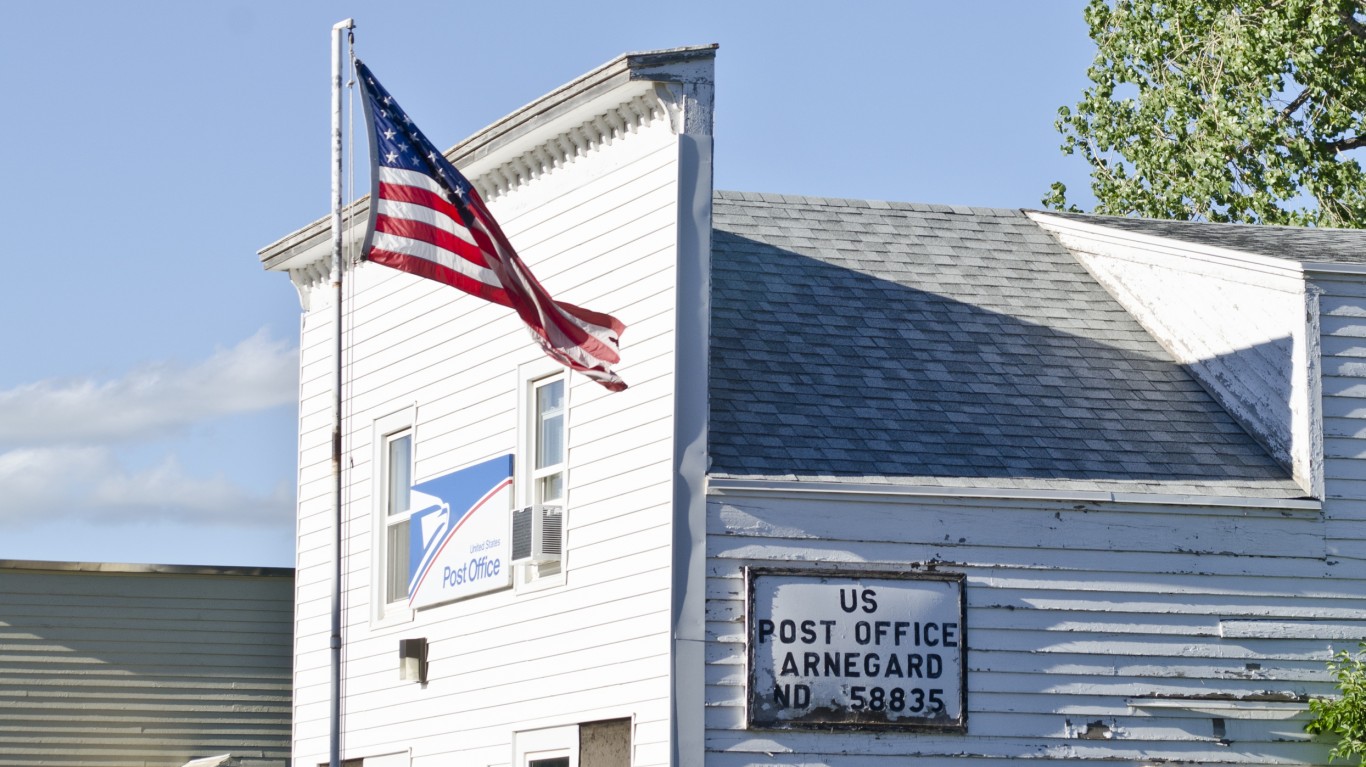
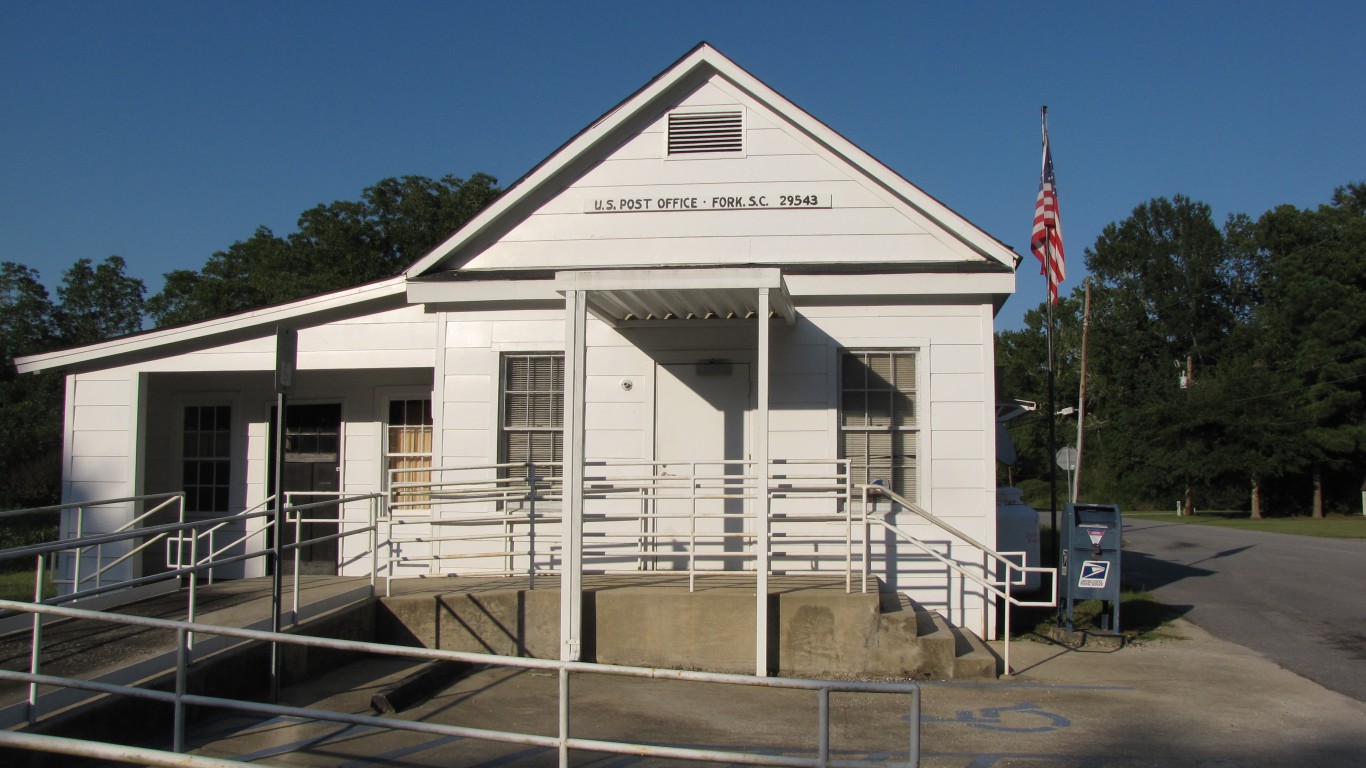
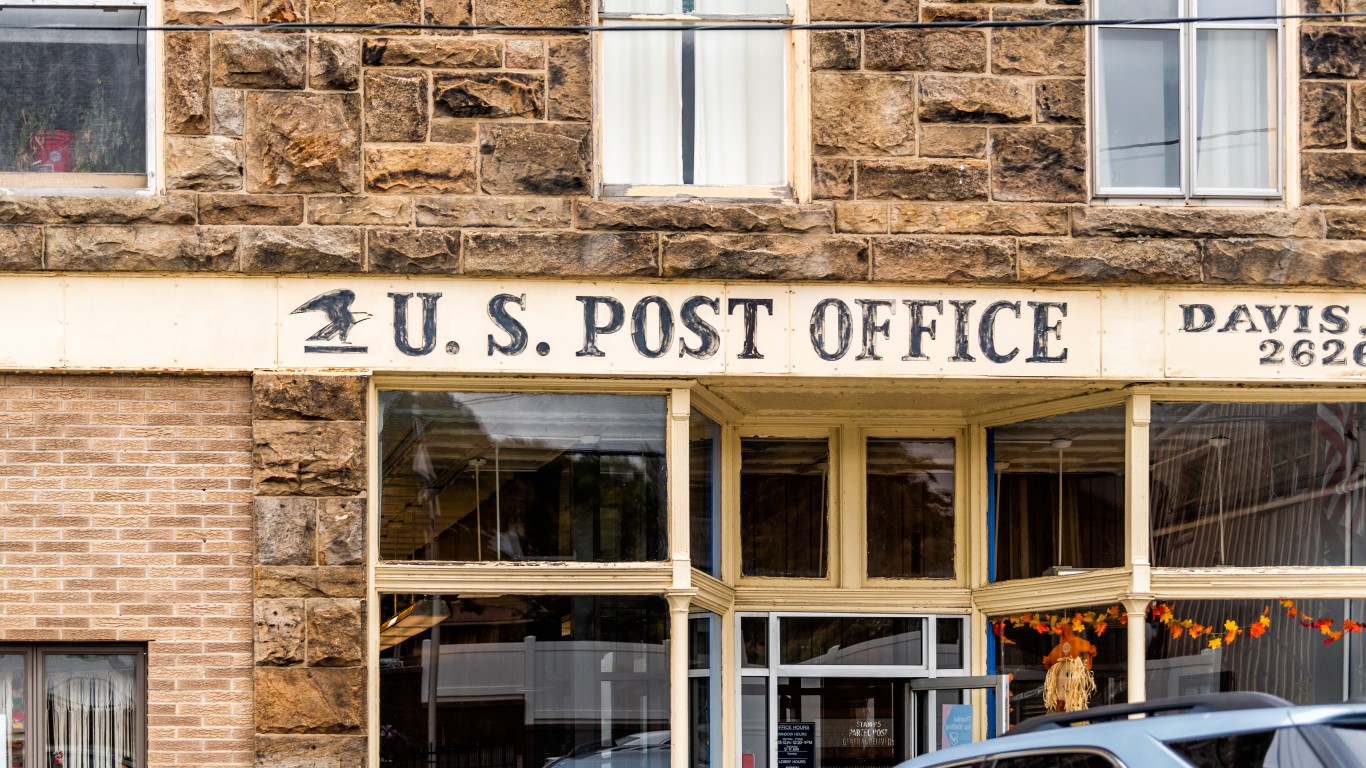
Benefits are not the only issue. In its last complete fiscal year, the USPS had 496,934 career employees. It has another 136,174 non-career employees. It has 31,322 USPS-managed retail post offices. Among the questions that have been asked, but never fully answered by the USPS or any large outside research organization, is whether this number of employees and this number of postal offices are needed to deliver mail in as timely a fashion as it has for decades. There have been attempts to measure how many post offices there need to be by population count. Others have looked at how many post offices are within five miles of one another.
[nativounit]
Congress is the key to a reduction is post office locations. Few if any Congress members want to have post offices in their districts closed.
So, is the USPS losing something it could have controlled? The answer is both yes and no. The massive overhang of benefit costs has been of its control. The control of its operating cost structure less so. The battle over the current financial state of the USPS is, among its most important aspects, whether millions of Americans can vote by mail. Clearly, there is also a longer-term financial structure problem that has to be addressed as well.
[recirclink id=729152]
[wallst_email_signup]








 Top Gaining Stocks
 Top Losing Stocks