Toyota Trails Ford and Chevy in NASCAR Drivers

Photo of Douglas A. McIntyre
By Douglas A. McIntyre Updated Published
This post may contain links from our sponsors and affiliates, and Flywheel Publishing may receive compensation for actions taken through them.

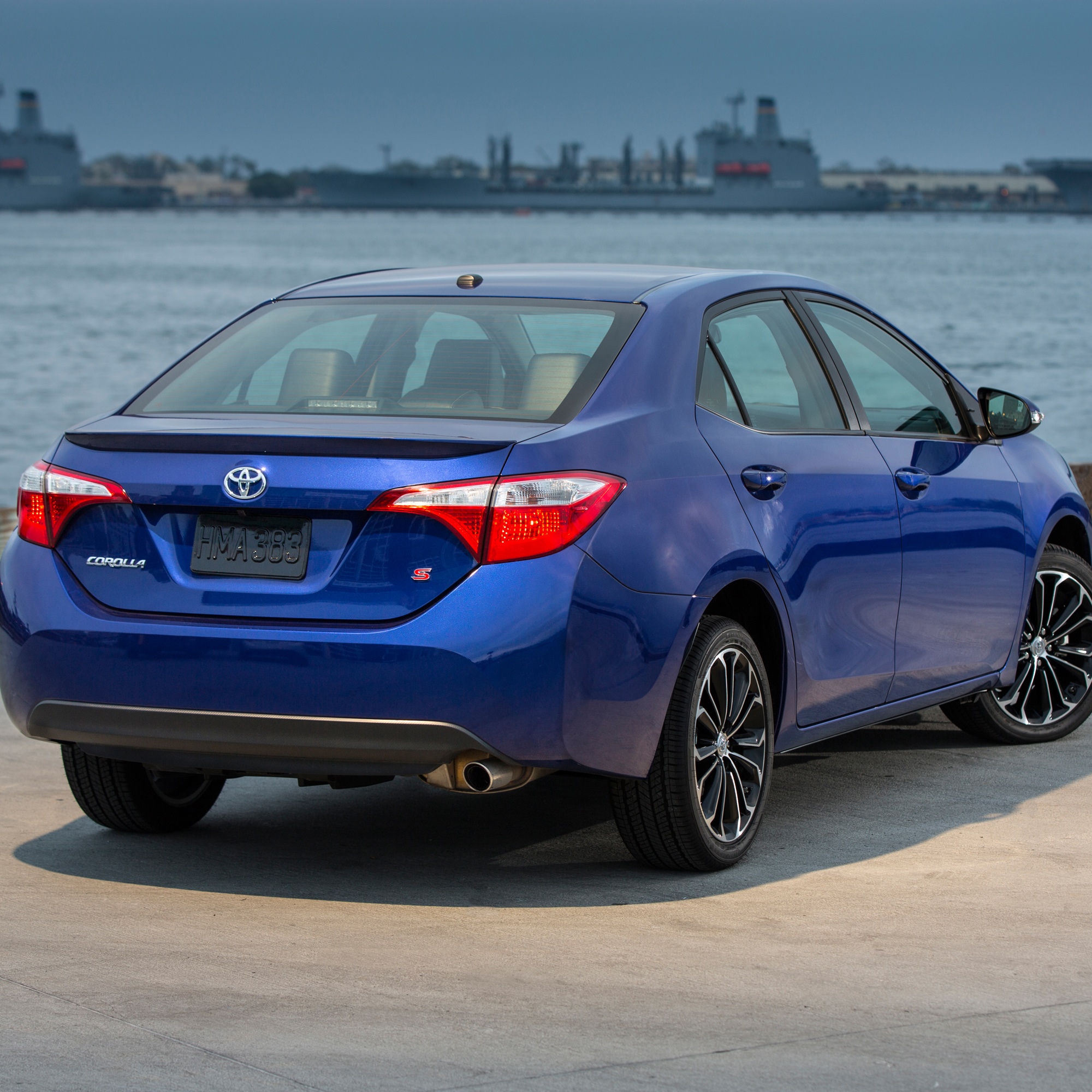
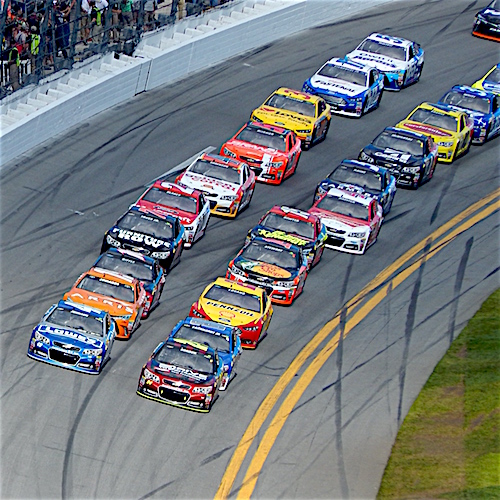
NASCAR races are used as a means for major manufacturers to boost their brands. A combination of television viewership, track attendance, and driver star power make NASCAR car branding a big marketing tool. The only manufacturers in the NASCAR brand race are Toyota Motor Corp. (NYSE: TM), General Motors Co.’s (NYSE: GM), Chevy and Ford Motor Co. (NYSE: F). Toyota trails badly this year.

NASCAR Sunday television audiences can top 6 million, and track attendance in the tens of thousands at any single event. These figures for branding influence are misleading. Most of the TV coverage goes to the leaders in any given race.

This year, nine drivers use Toyota cars, 15 drive Fords, and 25 drive a Chevy. These raw numbers are not what they seem since the top four drivers, based on points, drive for Joe Gibbs Racing. The drivers are in order of success: Matt Kenseth, Danny Hamlin, Carl Edwards, and Kyle Busch. Gibbs drivers race Toyotas. The Japanese car company’s disadvantage in car count is completely overcome by the visibility of the Joe Gibbs team on television because his drivers have the perennial position throughout the race. Toyota has either been smart about the drivers it chooses to sponsor or lucky.

The cost for car brands to link up with drivers is expensive. According to data from Forbes, the cost per race can be as high as $3 million per car.

The risk that Toyota and its rivals have taken recently is that their overall return will drop, based a fall off in NASCAR ratings. That brings brand exposure down as well.

ALSO READ: 10 Cars Most Likely to Be Dumped

Sporting News wrote about last year’s ratings:

2014 has not been the best of years for NASCAR in several respects, with the sport mired in a season-long TV ratings slump.

Entering Sunday’s race in Atlanta, 18 of the 21 NASCAR Sprint Cup telecasts had declines in ratings and 16 have had declines in viewership (that excludes rainouts). The latest decreases came for last week’s race from Bristol, which earned a 3.2 final rating and 5.1 million viewers on ABC — down 18 percent in ratings and 20 percent in viewership from last year’s 3.9 and 6.3 million.

Several races have not just declined but hit multi-year lows. The Martinsville, Darlington, Richmond, Talladega, Dover, Michigan and Loudon races each hit at least a 10-year low in viewership. The season-opening Daytona 500 fell to an all-time record low 9.3 million viewers — though it should be pointed out that the race was delayed due to rain and aired opposite the Olympics.

With the fewest cars on the track, but arguably the best exposure, Toyota’s benefits from NASCAR have started to fade with fan interest.


Photo of Douglas A. McIntyre
About the Author Douglas A. McIntyre →

Douglas A. McIntyre is the co-founder, chief executive officer and editor in chief of 24/7 Wall St. and 24/7 Tempo. He has held these jobs since 2006.

McIntyre has written thousands of articles for 24/7 Wall St. He is an expert on corporate finance, the automotive industry, media companies and international finance. He has edited articles on national demographics, sports, personal income and travel.

His work has been quoted or mentioned in The New York Times, The Wall Street Journal, Los Angeles Times, The Washington Post, NBC News, Time, The New Yorker, HuffPost USA Today, Business Insider, Yahoo, AOL, MarketWatch, The Atlantic, Bloomberg, New York Post, Chicago Tribune, Forbes, The Guardian and many other major publications. McIntyre has been a guest on CNBC, the BBC and television and radio stations across the country.

A magna cum laude graduate of Harvard College, McIntyre also was president of The Harvard Advocate. Founded in 1866, the Advocate is the oldest college publication in the United States.

TheStreet.com, Comps.com and Edgar Online are some of the public companies for which McIntyre served on the board of directors. He was a Vicinity Corporation board member when the company was sold to Microsoft in 2002. He served on the audit committees of some of these companies.

McIntyre has been the CEO of FutureSource, a provider of trading terminals and news to commodities and futures traders. He was president of Switchboard, the online phone directory company. He served as chairman and CEO of On2 Technologies, the video compression company that provided video compression software for Adobe’s Flash. Google bought On2 in 2009.

Continue Reading

Top Gaining Stocks

CBOE Vol: 1,568,143
PSKY Vol: 12,285,993
STX Vol: 7,378,346
ORCL Vol: 26,317,675
DDOG Vol: 6,247,779

Top Losing Stocks

LKQ
LKQ Vol: 4,367,433
CLX Vol: 13,260,523
SYK Vol: 4,519,455
MHK Vol: 1,859,865
AMGN Vol: 3,818,618