Disney’s Expensive Streaming to Drive Customers Away

Photo of Douglas A. McIntyre
By Douglas A. McIntyre Published
This post may contain links from our sponsors and affiliates, and Flywheel Publishing may receive compensation for actions taken through them.
Disney’s Expensive Streaming to Drive Customers Away

© MikeSleigh / E+ via Getty Images

As Walt Disney Co. (NYSE: DIS | DIS Price Prediction) released its earnings, one thing that became clear is that its streaming subscriber base will not grow as fast as it did in the past. However, the numbers showed it likely has as many subscribers as Netflix Inc. (NASDAQ: NFLX). Disney still loses money on these products. Netflix is in growth trouble, and this, along with high production prices, has eroded its bottom line.
[in-text-ad]
Two-thirds of Americans have at least one paid TV service. The average number of subscriptions per household is about four. Therein lies the problem of streaming businesses, of which there are over 30 in the United States.
[nativounit]
The largest streaming services have an advantage. With well over 100 million streaming clients, Amazon, Netflix and Disney dominated the markets. The only way to make more money as the growth of their number of subscribers slows is to increase prices. Disney+ will take its subscription fee up $3 to $10.99 in the United States in December. Netflix has resorted to a similar strategy.

The crowded streaming industry has several other companies with both money and large libraries. These include HBO Max, Peacock, Paramount+ and Apple TV+. Warner Bros. Discovery just said it will tinker with its channels and offer more channel bundles. The move is untested. However, what is clear is that households with four streaming subscriptions may end up paying hundreds of dollars a year more for these services.
[wallst_email_signup]
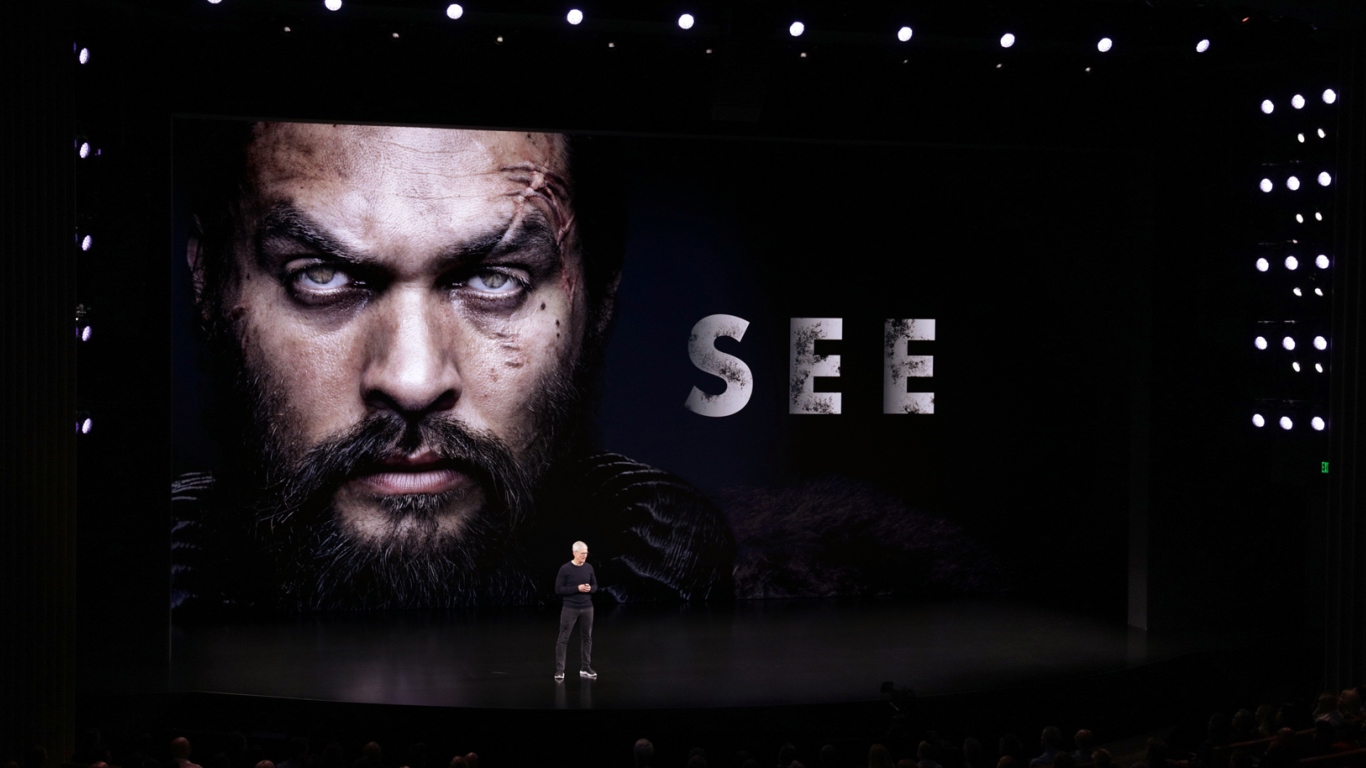
The wildcard in the industry is Apple. It has a limitless amount of money to spend on building its service. And it will do so. It sees streaming as a way to hold on to iPhone and Mac owners and future buyers. It almost certainly will keep its prices low to pick up market share. It is also increasing its inventory of shows and movies by the week.
[recirclink id=1159436]
Price increases among the existing streaming services may backfire. What companies make on higher prices they could lose on cancellations.


Photo of Douglas A. McIntyre
About the Author Douglas A. McIntyre →

Douglas A. McIntyre is the co-founder, chief executive officer and editor in chief of 24/7 Wall St. and 24/7 Tempo. He has held these jobs since 2006.

McIntyre has written thousands of articles for 24/7 Wall St. He is an expert on corporate finance, the automotive industry, media companies and international finance. He has edited articles on national demographics, sports, personal income and travel.

His work has been quoted or mentioned in The New York Times, The Wall Street Journal, Los Angeles Times, The Washington Post, NBC News, Time, The New Yorker, HuffPost USA Today, Business Insider, Yahoo, AOL, MarketWatch, The Atlantic, Bloomberg, New York Post, Chicago Tribune, Forbes, The Guardian and many other major publications. McIntyre has been a guest on CNBC, the BBC and television and radio stations across the country.

A magna cum laude graduate of Harvard College, McIntyre also was president of The Harvard Advocate. Founded in 1866, the Advocate is the oldest college publication in the United States.

TheStreet.com, Comps.com and Edgar Online are some of the public companies for which McIntyre served on the board of directors. He was a Vicinity Corporation board member when the company was sold to Microsoft in 2002. He served on the audit committees of some of these companies.

McIntyre has been the CEO of FutureSource, a provider of trading terminals and news to commodities and futures traders. He was president of Switchboard, the online phone directory company. He served as chairman and CEO of On2 Technologies, the video compression company that provided video compression software for Adobe’s Flash. Google bought On2 in 2009.

Continue Reading

Top Gaining Stocks

CBOE Vol: 1,568,143
PSKY Vol: 12,285,993
STX Vol: 7,378,346
ORCL Vol: 26,317,675
DDOG Vol: 6,247,779

Top Losing Stocks

LKQ
LKQ Vol: 4,367,433
CLX Vol: 13,260,523
SYK Vol: 4,519,455
MHK Vol: 1,859,865
AMGN Vol: 3,818,618