


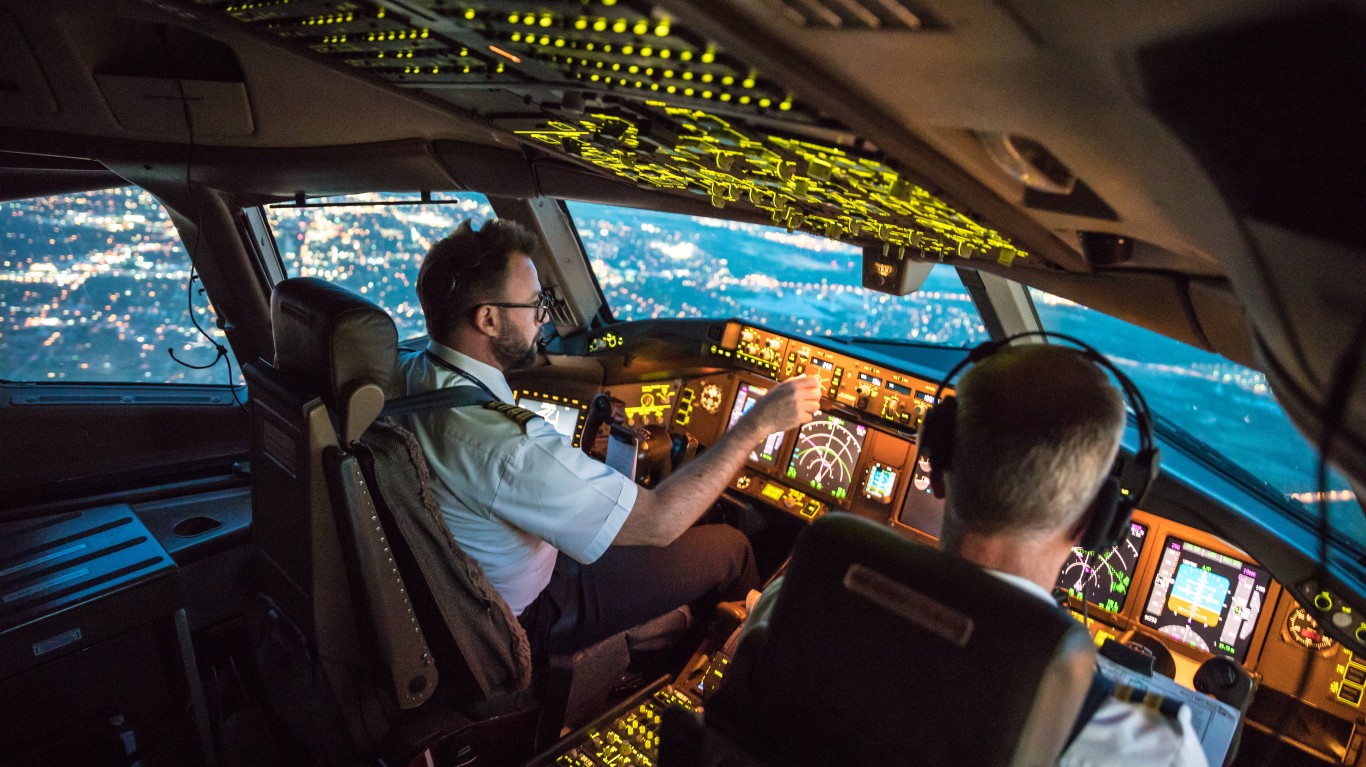
 The use of cellphones during a passenger airline flight interferes with cockpit instruments. That means that the phones might cause a plane to crash, or at least that is what carriers probably want passengers to think. The same holds true for the use of electronic devices turned on below 10,000 feet. Maybe those concerns come from myths, and the airline industry has known all along that these stories are false. Now, the FAA, which is the keeper of airline and other flying rules, has expressed a willingness to explore the use a broader list of electronic devices. Suddenly, perhaps, they are safe.
The FAA announced that:
“With so many different types of devices available, we recognize that this is an issue of consumer interest,” said Transportation Secretary Ray LaHood. “Safety is our highest priority, and we must set appropriate standards as we help the industry consider when passengers can use the latest technologies safely during a flight.”
Standards already have changed enough that airlines allow WiFi to be deployed on their planes — almost always in exchange for a fee paid by passengers. The use of cellphones on runways after landing was modified at some point to allow passengers to call home or call their limousine drivers. Many airlines offer satellite TV on runways and in flight. At some point, technology that was deemed unsafe miraculously became safe.
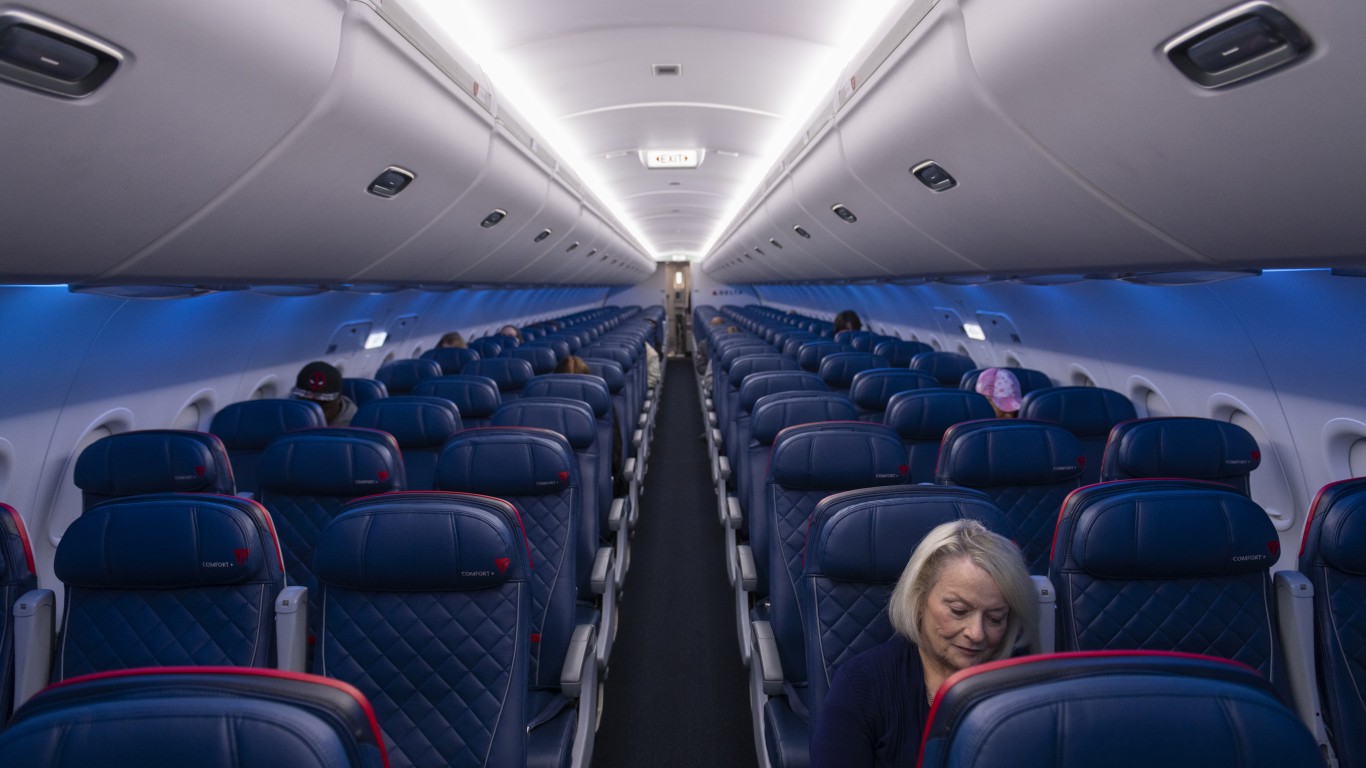
The FAA did not give a reason for its openness toward new use of electronic devices, particularly those that passengers cannot use on takeoff and landing. The explanation revolves around the interests of those passengers, the agency says. Perhaps fliers who have to pay for luggage and potato chips want something in return. Video gaming below 10,000 feet, which costs the carriers nothing, should be a fair exchange for fares that continue to rise year-after-year.
Not so long ago, airlines served nice meals in flight. Checked baggage was free — up to a point. But airline passengers were shackled to rules about electronic devices that they assumed could interfere with cockpit operation and confuse even the most experience pilot. Suddenly, that pilot may be able to fly just fine while riders tap away on their tablets. That is progress.
Douglas A. McIntyre










 Top Gaining Stocks
 Top Losing Stocks