


 It seems impossible to believe that the profits of the global airline industry could be robust this year. But the The International Air Transport Association (IATA) revised its “global aviation outlook” higher, which reflects the organization’s analysis, and indicates: “The evidence is showing that consolidation is producing positive results.” The IATA now expects global airline profits to be $4.1 billion in 2012. What its does not say is that consolidation and the more efficient use of planes cost jobs.
Not all of the data from the IATA is good. Airlines made $8.4 billion last year, to some extent because jet fuel prices had not soared like they did early this year. But the industry has been quick to handle the problem, at least in large part:
Tony Tyler, IATA’s Director General and CEO, said “Even six years ago, generating a profit with oil at $110/barrel (Brent) would have been unthinkable. The industry has re-shaped itself to cope by investing in new fleets, adopting more efficient processes, carefully managing capacity and consolidating.”
While this profitability may not be at a level to cover debt service among some carriers, a portion of those companies can go bankrupt, as is the habit in the industry, to cleanse their balance sheets.
The Chapter 11 process and consolidation savings of merger are not on display anywhere better than in the United States. AMR, parent of American Airlines, has been able to eliminate hundreds of millions of dollars in debt and lease contracts. And the company continues to press a bankruptcy judge to allow it to cut its workforce. The process also has worked in Europe and in Japan, where JAL recently came out of bankruptcy only to go public again last month.
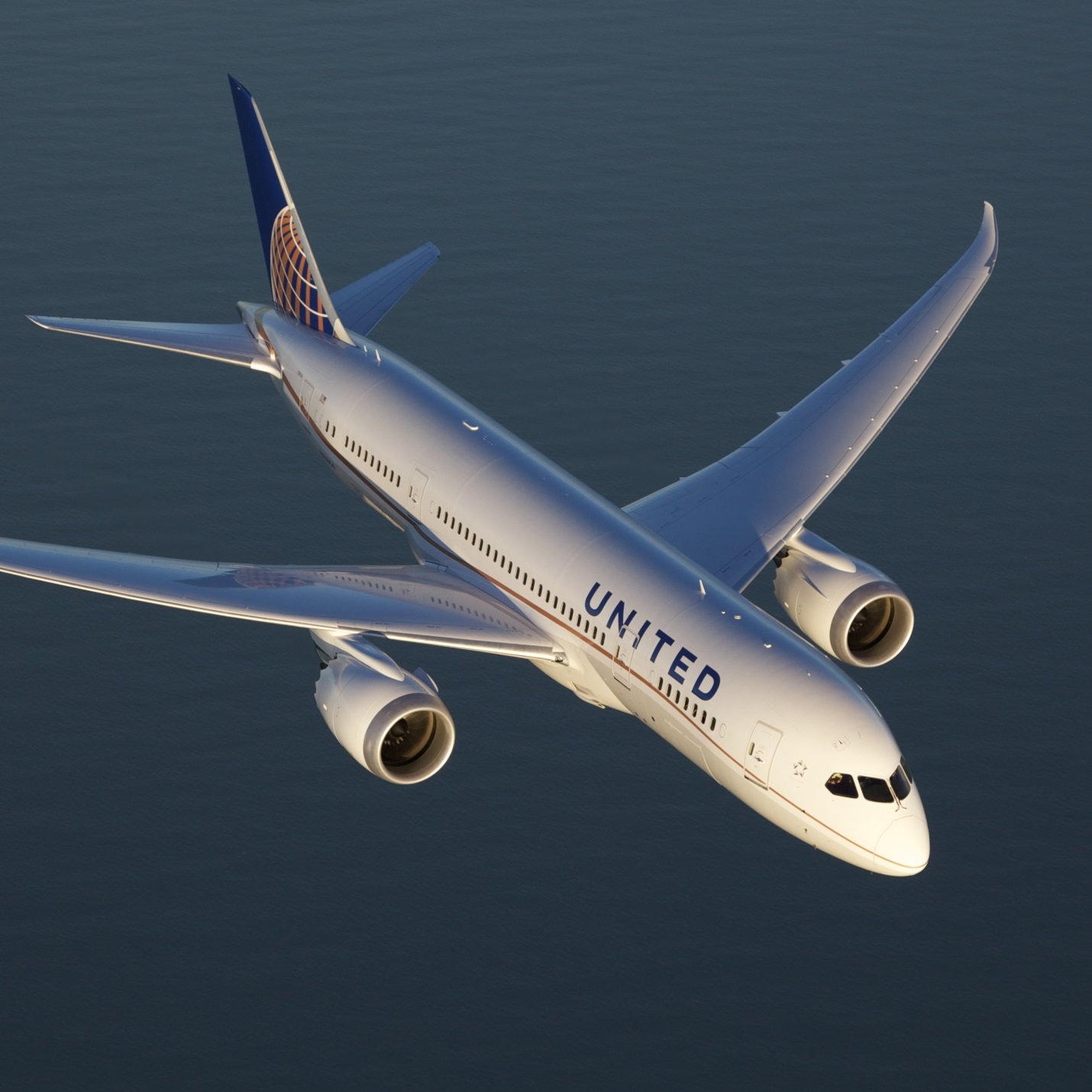
Four of the largest U.S. carriers have made themselves into only two recently. Delta Air Lines Inc. (NYSE: DAL) bought Northwest and United and Continental merged to become United Continental Holdings Inc. (NYSE: UAL). Thousands of jobs were cut, and the eventual aircraft order books of each for new planes will be lower as they eliminate duplicate routes.
All of this “consolidation” has had the effect of putting thousands of airline workers out of work. If AMR has its way, even more people will become unemployed. US Airways Group Inc. (NYSE: LCC) wants to buy American’s assets. A marriage would cause more layoffs. Through all of these mergers, the industry certainly improves.
But, through the consolidation, jobs are destroyed in numbers that stretch well into the tens of thousands.
Douglas A. McIntyre






 Top Gaining Stocks
 Top Losing Stocks