Boeing Should Ground the Dreamliner Before Someone Gets Hurt

Photo of Douglas A. McIntyre
By Douglas A. McIntyre Updated Published
This post may contain links from our sponsors and affiliates, and Flywheel Publishing may receive compensation for actions taken through them.

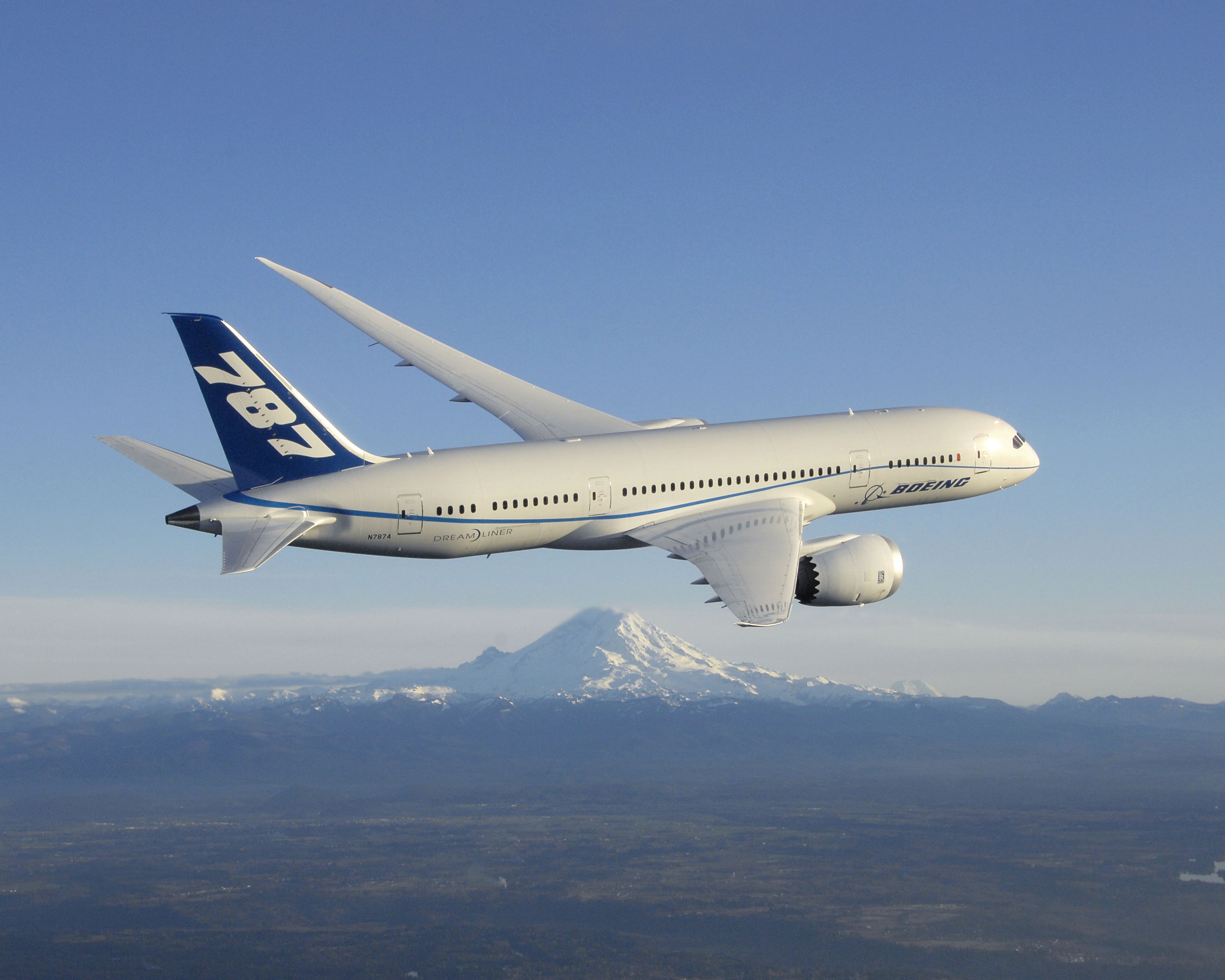
First, the Boeing Co. (NYSE: BA) 787 Dreamliner was years late against delivery targets that roiled airlines worldwide as their fleet plans had to be scuttled. Now, the Dreamliner may well be too dangerous to fly, which should push the plane out of service until safety issues are resolved. Once again, carriers could be forced to alter fleet aircraft compositions, both present and future. But, it would be a small price to pay to protect passengers.

More mechanical problems with the 787, particularly a second problem with the JAL Dreamliner fleet in just two days, caused the The NTSB to issue the following statement:

The National Transportation Safety Board today released an update on its formal investigation of Monday’s fire aboard a Japan Airlines Boeing 787 at Logan International Airport in Boston. There were no passengers or crew on board at the time. One firefighter received minor injuries.

In addition to an investigator already on scene who visually inspected the airplane last night, the NTSB has sent two additional investigators to Boston and formed investigative groups to look at airworthiness and fire and airport emergency response. Senior Air Safety Investigator David Helson has been designated as the investigator-in-charge.

Parties to the investigation are the Federal Aviation Administration and The Boeing Company. In addition, the Japan Transport Safety Board has appointed an accredited representative and Japan Airlines will assist the JTSB as technical advisors.

A second Dreamliner leaked fuel before the flight crew decided to stop plans for a takeoff.

The term “airworthiness” should send shudders through carriers, passengers and Boeing shareholders. It should not take even one more problem for Boeing to make a decision to ground the 787. Or, if the manufacturer will not, the NTSB, and similar authorities in other nations should.

The trouble with the Dreamliner raises fiduciary issues about public safety. If the 787 cannot fly because it may have significant flaws in its design or assembly process, what happens if one plane crashes or has a serious fire? Boeing, the airlines who fly the 787 and federal authorities could face millions and millions of dollars in penalties and suits from passengers, but the question is more substantial than that.

Do any organizations, which might have prevented an accident by grounding the fleet, want to carry the moral burden of the fates of hurt or killed passengers?


Photo of Douglas A. McIntyre
About the Author Douglas A. McIntyre →

Douglas A. McIntyre is the co-founder, chief executive officer and editor in chief of 24/7 Wall St. and 24/7 Tempo. He has held these jobs since 2006.

McIntyre has written thousands of articles for 24/7 Wall St. He is an expert on corporate finance, the automotive industry, media companies and international finance. He has edited articles on national demographics, sports, personal income and travel.

His work has been quoted or mentioned in The New York Times, The Wall Street Journal, Los Angeles Times, The Washington Post, NBC News, Time, The New Yorker, HuffPost USA Today, Business Insider, Yahoo, AOL, MarketWatch, The Atlantic, Bloomberg, New York Post, Chicago Tribune, Forbes, The Guardian and many other major publications. McIntyre has been a guest on CNBC, the BBC and television and radio stations across the country.

A magna cum laude graduate of Harvard College, McIntyre also was president of The Harvard Advocate. Founded in 1866, the Advocate is the oldest college publication in the United States.

TheStreet.com, Comps.com and Edgar Online are some of the public companies for which McIntyre served on the board of directors. He was a Vicinity Corporation board member when the company was sold to Microsoft in 2002. He served on the audit committees of some of these companies.

McIntyre has been the CEO of FutureSource, a provider of trading terminals and news to commodities and futures traders. He was president of Switchboard, the online phone directory company. He served as chairman and CEO of On2 Technologies, the video compression company that provided video compression software for Adobe’s Flash. Google bought On2 in 2009.

Featured Reads

Our top personal finance-related articles today. Your wallet will thank you later.

Continue Reading

Top Gaining Stocks

CBOE Vol: 1,568,143
PSKY Vol: 12,285,993
STX Vol: 7,378,346
ORCL Vol: 26,317,675
DDOG Vol: 6,247,779

Top Losing Stocks

LKQ
LKQ Vol: 4,367,433
CLX Vol: 13,260,523
SYK Vol: 4,519,455
MHK Vol: 1,859,865
AMGN Vol: 3,818,618