


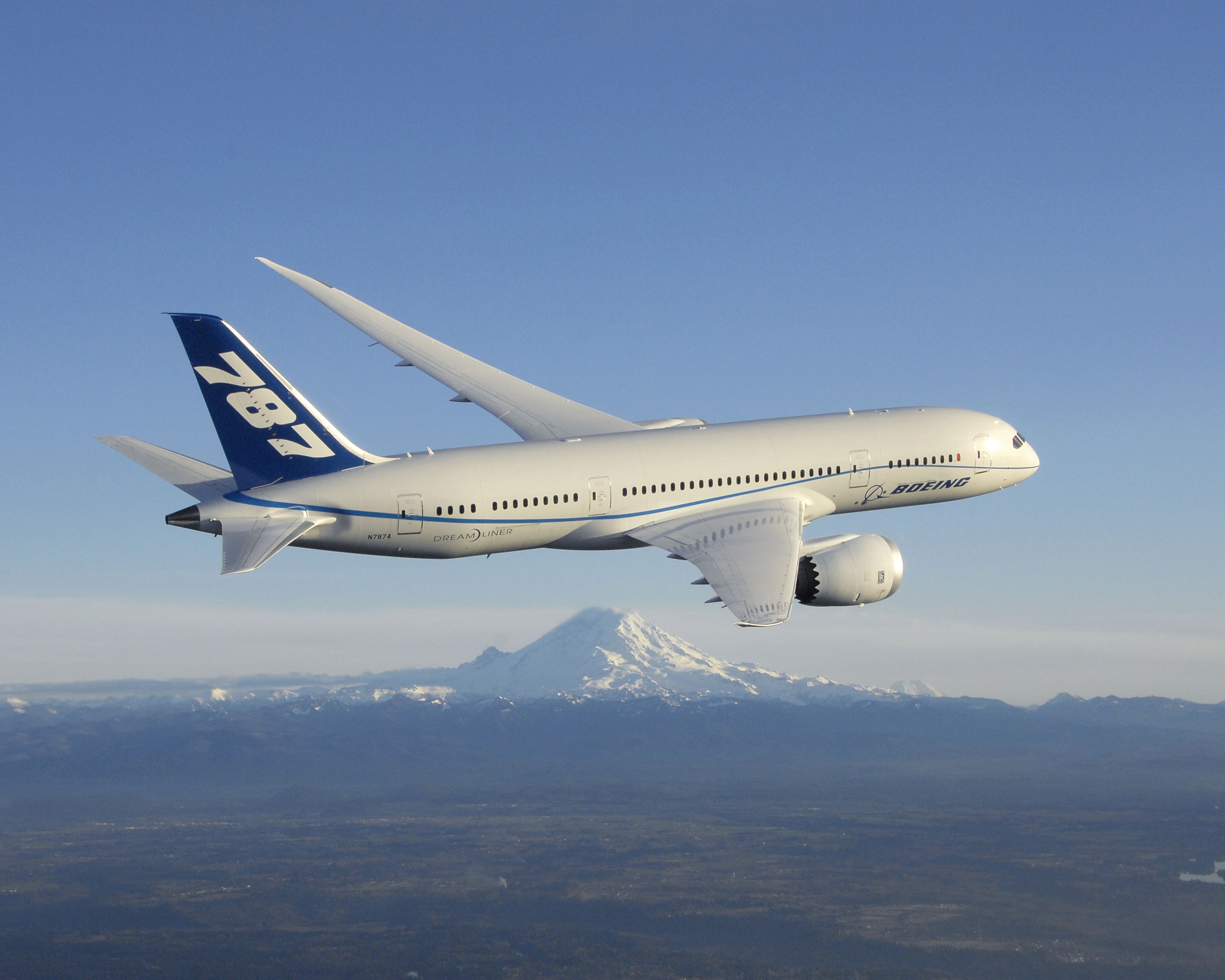
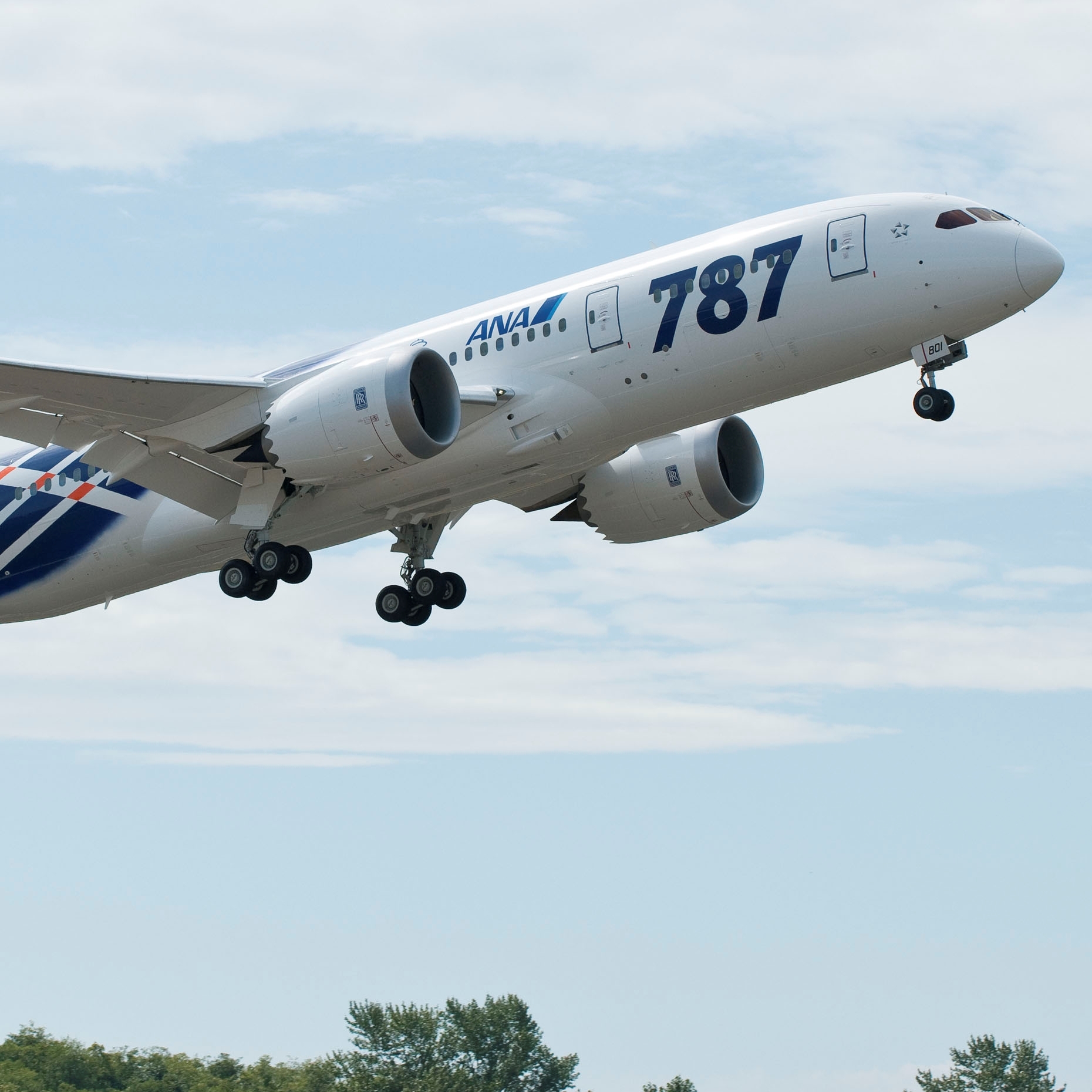
Japan Airlines (JAL) on Saturday said it would replace the Dreamliners on two of its routes in the coming week. Other airlines that could be affected include Lufthansa, United Continental Holdings Co. (NYSE: UAL) and Cathay Pacific, all of which fly the routes on which JAL will switch out its planes. For now those routes are between Tokyo and Delhi and Tokyo and Singapore.
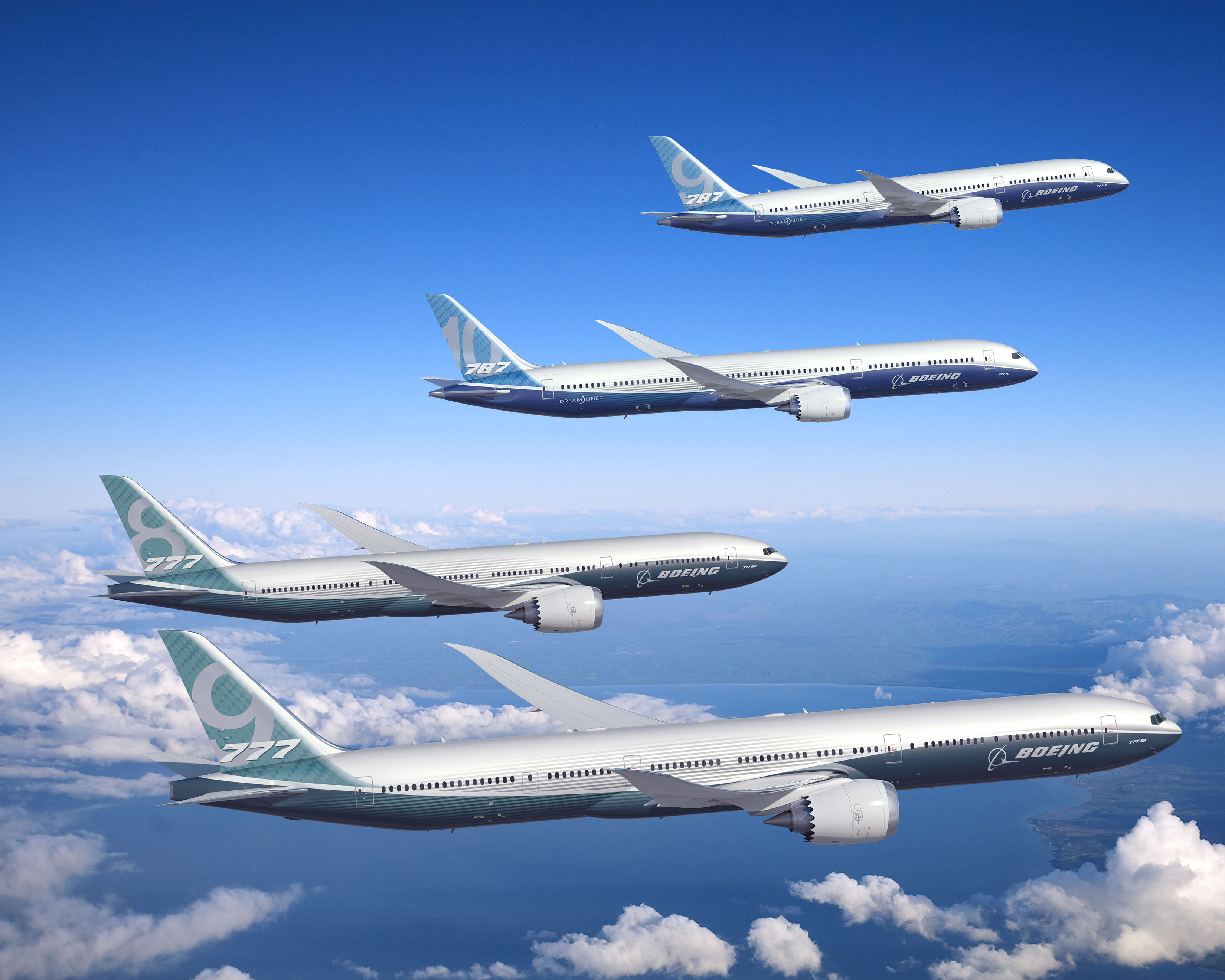
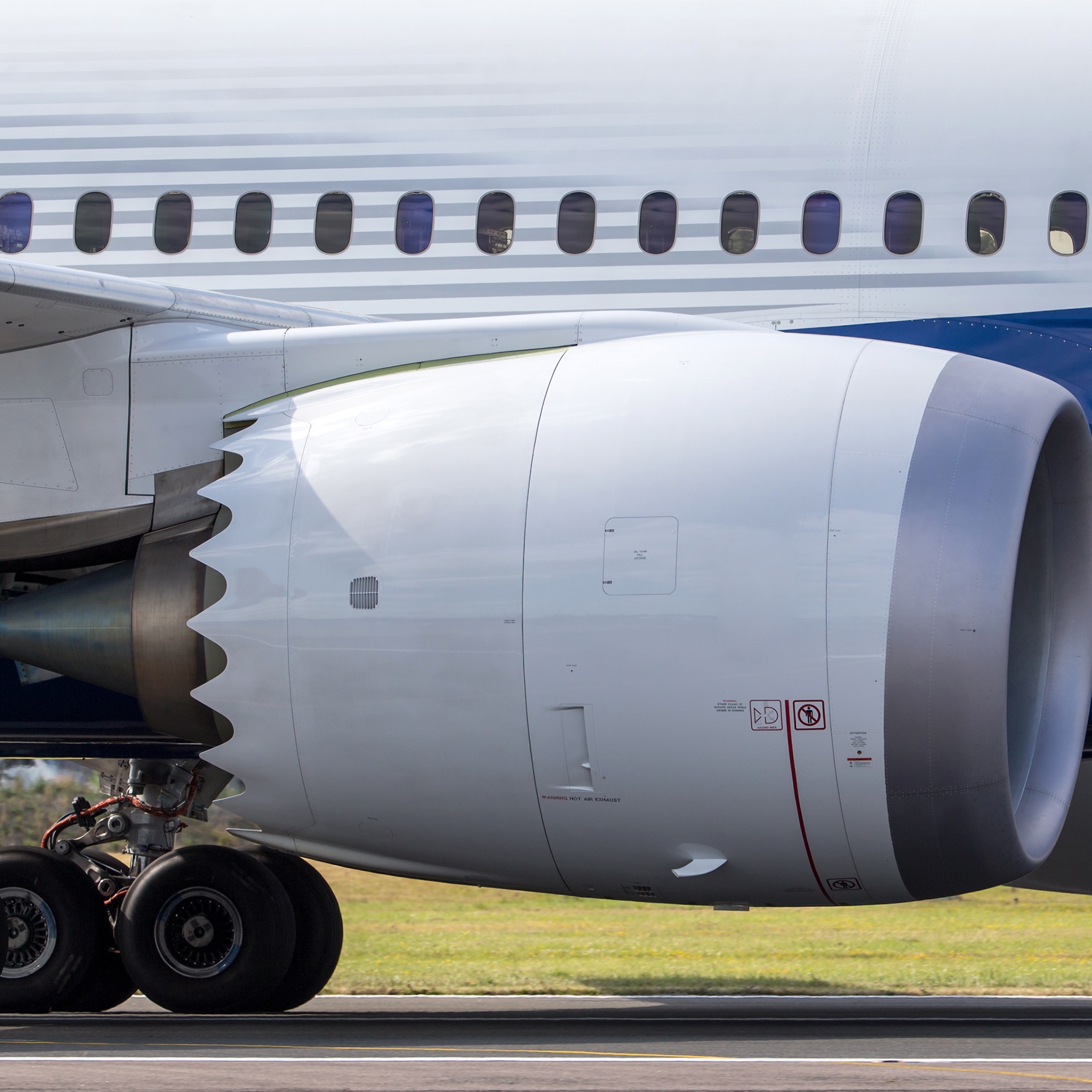
Boeing has delivered 57 of the 747-8 aircraft and 58 of its 787 Dreamliners equipped with the GEnx engine. The company also produces a version of the 787 that is powered by engines from Rolls-Royce. The Rolls-Royce-powered planes have not experienced the same problem and are not included in the FAA warning.
A Boeing spokesman cited at Reuters said, “To reduce chances of ice crystal conditions, Boeing recommends that operators fly at least 50 nautical miles from thunderstorms that may contain ice crystals.”
GE said last Friday that it is working on a software fix that it hopes will solve the issue. According to GE, the number of commercial planes now in the air over tropical regions has led to an increased number of icing reports. Presumably the inference we are to draw is that the increased number of planes means that on some busy routes planes cannot be rerouted to avoid the storms.
Since April, six airplanes using the GEnx engines have temporarily lost thrust in high-altitude icing conditions. Ice crystals can build up behind the front engine fan, causing a temporary loss of thrust. Five 747s and one 787 have reported loss of thrust at high altitude, but there have been no accidents reported as a result of the problem.





 Top Gaining Stocks
 Top Losing Stocks