


In testimony before the Committee on Appropriations Subcommittee on Defense, Musk pressed for competition in bids for the Evolved Expendable Launch Vehicle. Rockets used for this project have to be able to fire Air Force satellites into space.
The Air Force and other agencies are paying too high a price for launch. The impacts of relying on a monopoly provider since 2006 were predictable, and they have been borne out. Space launch innovation has stagnated. Competition has been stifled. And prices have risen to levels that General William Shelton has himself called “unsustainable.” I commend the United Launch Alliance (ULA) on its launch successes to date. However, year after year, ULA has increased its prices. It has behaved consistent with the structures and incentives of the existing EELV program. In FY13 the Air Force paid on average in excess of $380 million for each national security launch, while subsidizing ULA’s fixed costs to the tune of more than $1 billion per year, even if the company never launches a rocket. By contrast, SpaceX’s Falcon 9 price for an EELV mission is well under $100M — at least a $280 million per launch difference, which in many cases could pay for the satellite and launch combined — and SpaceX seeks no subsidies to maintain our business.
He added an appeal not just to budgetary considerations, but also to patriotism and national security issues:
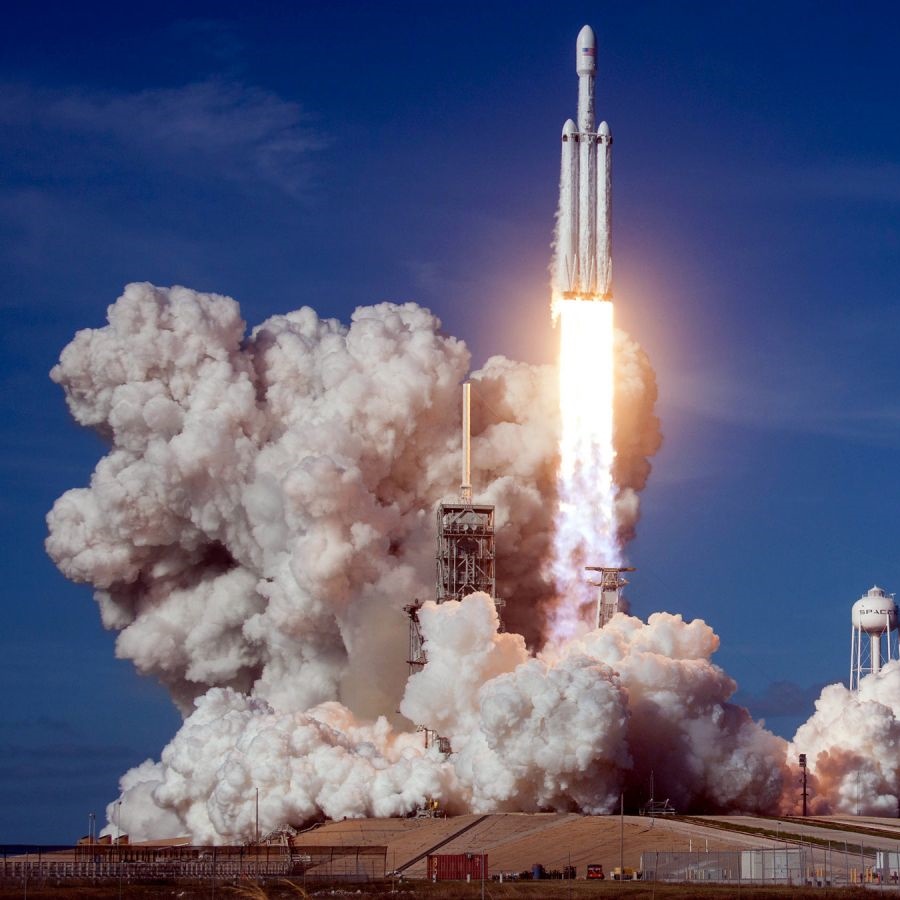
Our Falcon 9 and Falcon Heavy launch vehicles are truly made in America. We design and manufacture the rockets in California and Texas, with key suppliers throughout the country, and launch them from either Vandenberg AFB or Cape Canaveral AFS. This stands in stark contrast to the United Launch Alliance’s most frequently flown vehicle, the Atlas V, which uses a Russian main engine and where approximately half the airframe is manufactured overseas. In light of Russia’s de facto annexation of the Ukraine’s Crimea region and the formal severing of military ties, the Atlas V cannot possibly be described as providing “assured access to space” for our nation when supply of the main engine depends on President Putin’s permission. Given this development, it would seem prudent to reconsider whether the 36 core uncompeted, sole source award to ULA is truly in the best interests of the people of the United States.
In light of its movement into Ukraine, Musk would like the federal government to believe, Russia can no longer be perceived as a reliable provider of components of U.S. military projects, whether that is true or not.
Musk has to be taken seriously because he has done what was seen as nearly impossible before. He has built a global car company from scratch. He has built a privately owned space rocket operation in much the same way. Who is to say that he cannot become a major U.S. military rocket provider? It is hard to make the case against him.







 Top Gaining Stocks
 Top Losing Stocks