


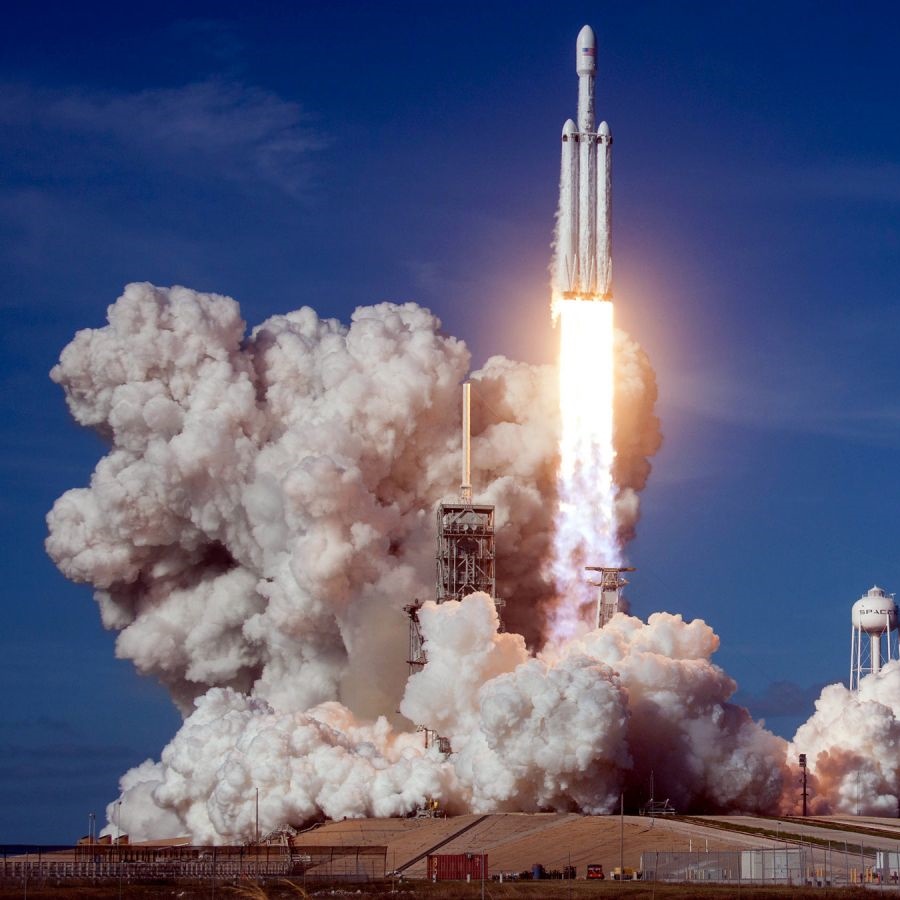
When the Falcon 9 rocket built by Space Exploration Technologies, better known as SpaceX, exploded on its launch pad September 1, it might have changed the face of the U.S. space launch business. The company was very likely preparing a bid for the launch of another GPS III communications satellite just as it was also preparing to launch its first GPS III later this year.
The Falcon 9 launch vehicle that blew up last week is the same one that SpaceX will use to launch the U.S. government satellites. Another Falcon 9 exploded shortly after launch in June of last year, but since then the company had successfully completed eight missions this year.
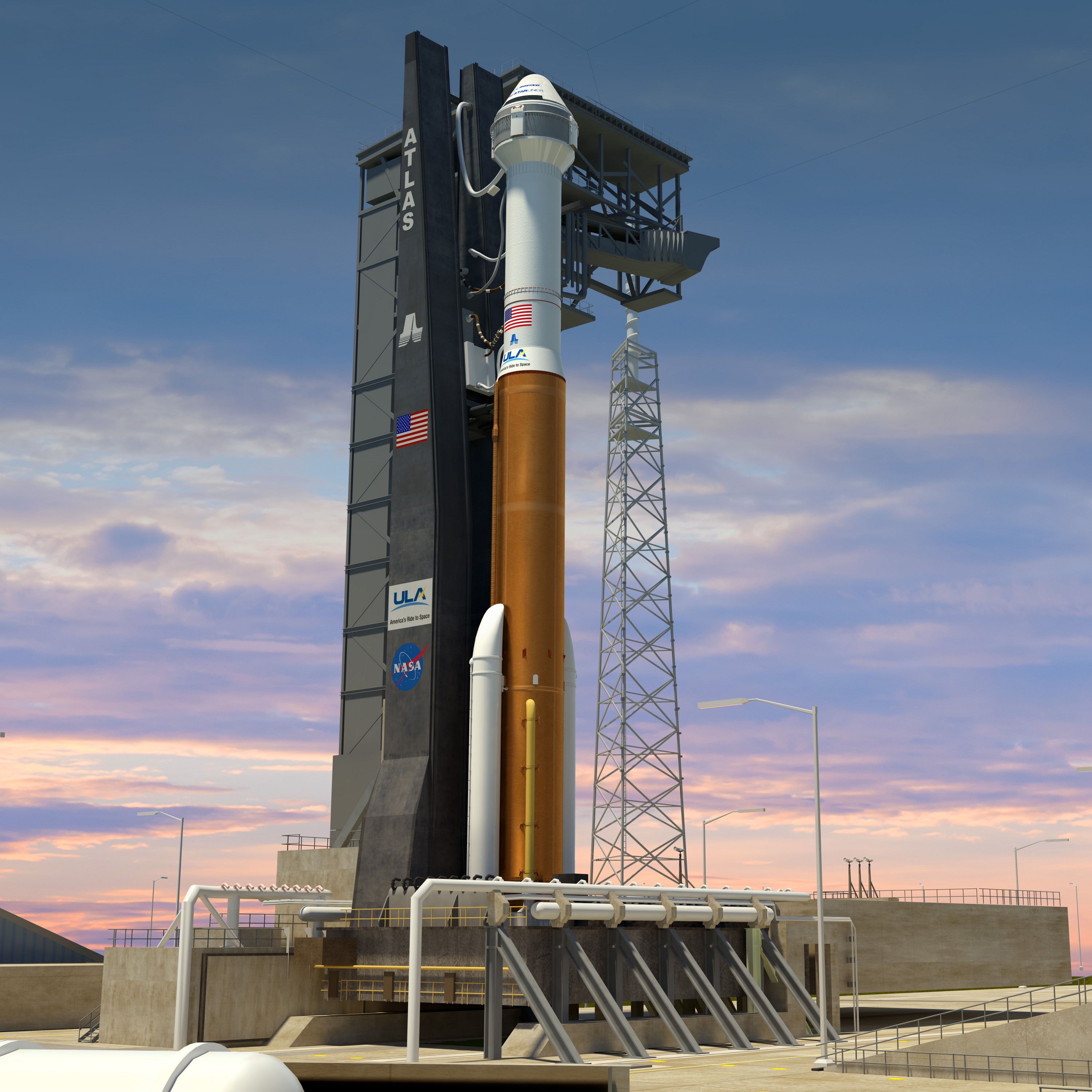
The company’s main competitor is United Launch Alliance (ULA), a joint venture of Boeing Co. (NYSE: BA) and Lockheed Martin Corp. (NYSE: LMT), that pulled out of the bidding for the coming launch of the GPS III satellite but which the Air Force hopes will bid on the next launch.
ULA pulled out of the earlier bidding because it could not use the Russian-made engines due to a congressional restriction on the number of the engines the company could use. ULA has no U.S. source for rocket engines.
[nativounit]
In addition to this new setback for SpaceX, ULA has a couple of other things going for it. Breaking Defense has called attention to what is known as “Assured Access to Space,” a federal requirement that the United States must have two launch providers “capable of delivering into space any payload designated by the Secretary of Defense or the Director of National Intelligence as a national security payload; and a robust space launch infrastructure and industrial base.” That would seem to obviate the requirement for non-Russian engines.
The other problem for SpaceX is that the company had six more launches scheduled from this pad by the end of 2016. Until the cause of last week’s explosion is isolated and a fix is in place and the pad itself is repaired, those plans are on hold. Depending on the timing for launching the government satellites, another exception may be made for ULA. Another point in ULA’s favor is that it has successfully completed 110 consecutive launches.
[wallst_email_signup]






 Top Gaining Stocks
 Top Losing Stocks