


A positive reception came from the assembly plant in Renton, Wash., where Boeing employed about 6,000 production workers at the last state government count in 2012. Those workers were building 35 of the 737s a month, and now that the company is building 42 of the planes, that number is surely larger. More planes, more workers, everybody wins.
Another positive reception came from Boeing’s sales staff, which can now take orders for another 60 planes a year. Of course the planes won’t be delivered for at least four years, but that’s a different issue — how solid is Boeing’s order book?
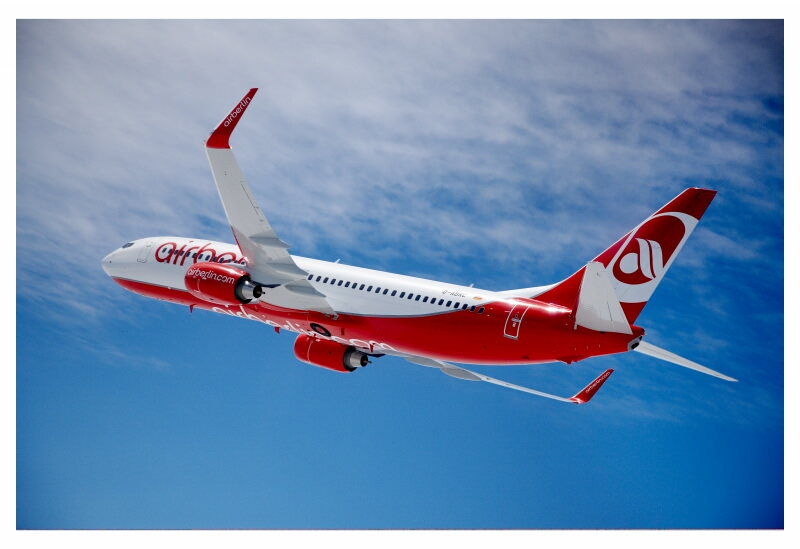
Both Boeing and its chief rival Airbus have been taking large numbers of orders over the past several years as demand for new jets comes primarily from growing airlines in developing countries and established carriers replacing aging planes in existing fleets. Both have suffered recent order cancellations. Boeing lost a $5 billion order from Air Berlin last month and Airbus lost an order worth nearly $22 billion last June.
ALSO READ: Boeing’s 20-Year Forecast Tops Airbus
According to industry valuation firm Avitas, a 737 actually costs about $40 million to $55 million, substantially below the list price of $76 million for a 737-700 or the $96 million list price for a 737-900ER. Even at those discounts, the 737 accounts for about half of Boeing’s profits, according to analysts at Canaccord Genuity.
The bigger worry is that the company may not be able to keep selling its 777 wide-body planes at current production rates until the revamped 777X appears. A 777-300ER lists for $320 million and may sell for around $165 million. A steep discount, but worth at least three of the cheaper 737s. Boeing currently builds 100 777s a year, and if orders for the plane drop off or are cancelled, the hit to the company’s cash flow could be severe.
Investors either believe with Boeing executives that the punchbowl will never be pulled away, or they believe that there are simply too many variables to make a decision immediately, so they’ll just wait around and see. That is why reaction to Thursday’s announcement of the production increase received such a muted response. Shares actually closed down about 0.4%.
Boeing’s shares traded higher in Friday’s premarket session, up 0.7% to $125.04, in a 52-week range of $113.34 to $144.57.






 Top Gaining Stocks
 Top Losing Stocks