


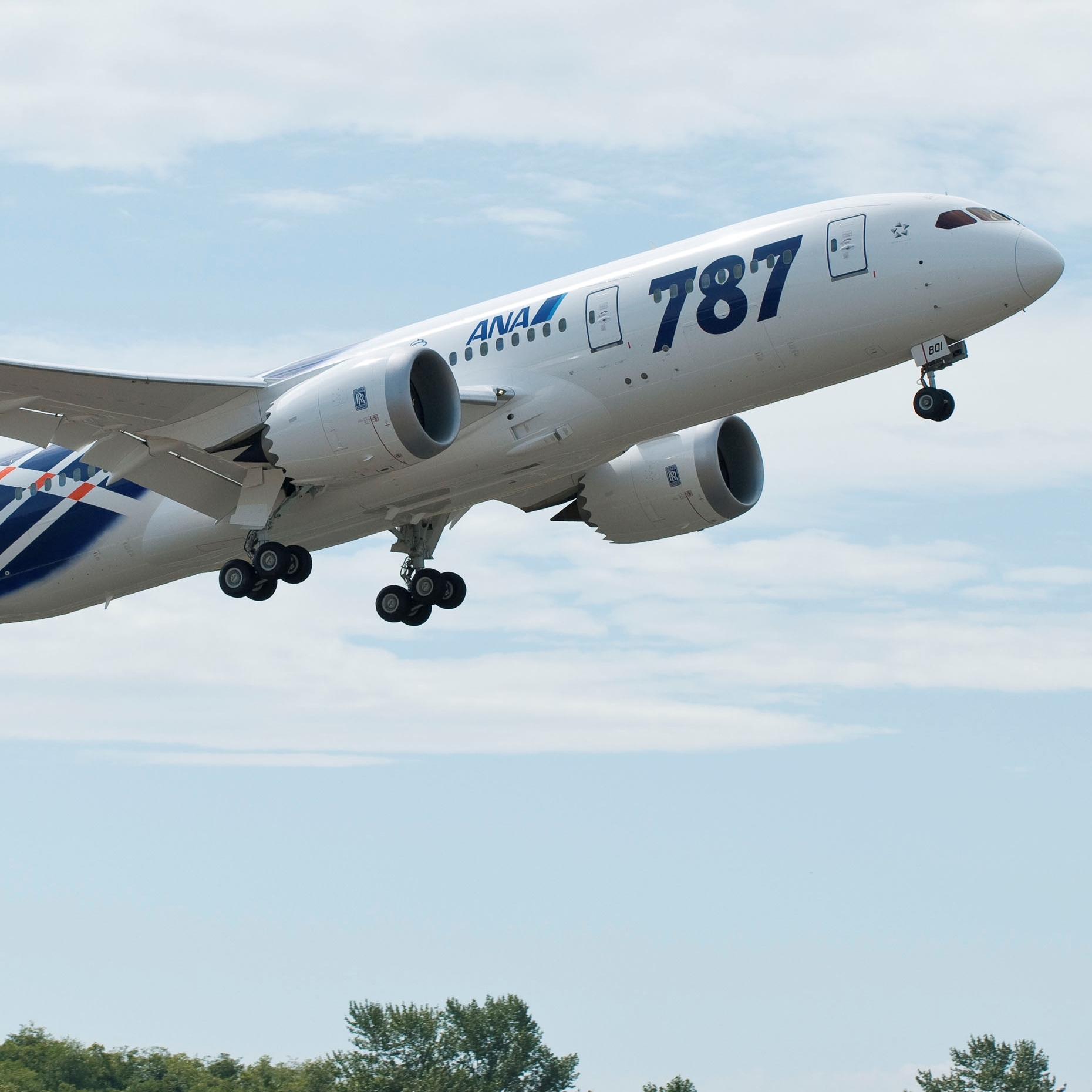
The U.S. Federal Aviation Administration (FAA) last Friday issued an airworthiness directive for all Boeing Co. (NYSE: BA) 787-8 and 787-9 aircraft. The directive requires a revision to the flight manuals for the planes instructing flight crews to avoid “abrupt flight control inputs in response to sudden drops in airspeed.”
In addition to avoiding the abrupt inputs, crews must be reminded to “disconnect the autopilot before making any manual flight control inputs.”
The FAA said that it has received three reports of in-service displayed airspeed anomalies on the 787s. Under certain weather conditions, with high moisture or icing, the flight crew’s indicators may display an erroneous low airspeed number before detection by the plane’s alerting systems. The FAA said it wants to ensure that crews avoid abrupt inputs “in response to an unrealistic, sudden drop in displayed airspeed at high actual airspeed.” Abrupt corrections under these conditions “could exceed the structural capability of the airplane.”
The FAA described the three reported events:
During each of the reported events, the displayed airspeed rapidly dropped significantly below the actual airplane airspeed. In normal operations, the air data reference system supplies the same airspeed to both the captain and first officer primary flight displays. During one in-service event, with autopilot engaged, the pilot overrode the engaged autopilot in response to the displayed erroneous low airspeed and made significant nose-down manual control inputs. In this situation, there is the potential for large pilot control inputs at high actual airspeed, which could cause the airplane to exceed its structural capability.
[recirclink id=324128]
Boeing is working on a fix for the problem, according to the FAA, but the agency noted that the condition required immediate adoption of the airworthiness directive:
The FAA has found that the risk to the flying public justifies waiving notice and comment prior to adoption of this rule because large, abrupt pilot control inputs in response to an unrealistic, sudden drop in displayed airspeed at high actual airspeed could exceed the structural capability of the airplane.
The directive becomes effective April 14, 2016.











 Top Gaining Stocks
 Top Losing Stocks