


Late Tuesday, Boeing Co. (NYSE: BA) said in a statement that it had issued a bulletin to operators of the company’s 737 MAX 8 passenger jet “directing operators to existing flight crew procedures to address … erroneous input” from one of the plane’s sensor.
The government of Indonesia’s National Transportation Safety Committee has reported that the October 29 crash of Lion Air flight 610 that killed all 189 passengers and crew onboard experienced erroneous input from one of its AOA (angle of attack) sensors.
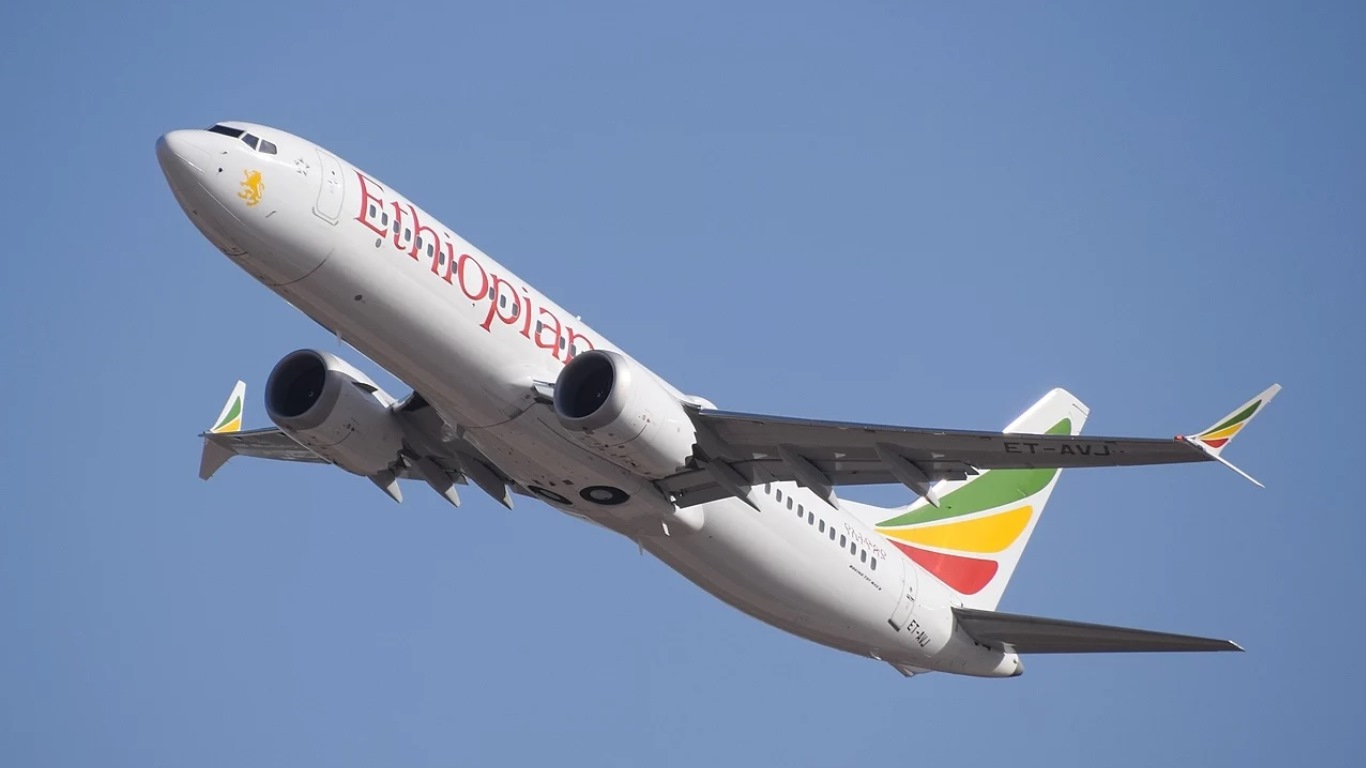
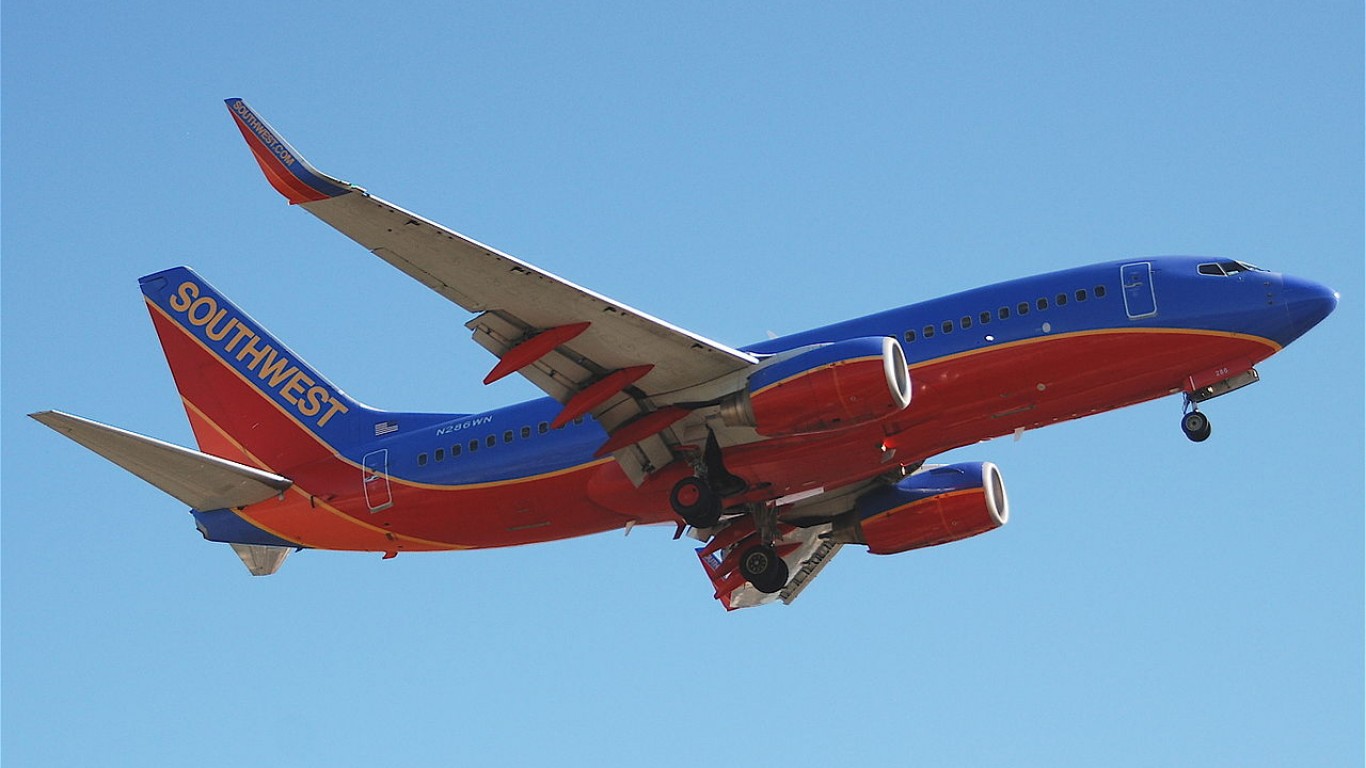
The 737 MAX family is Boeing’s newest generation of single-aisle passenger planes and the company’s best-selling aircraft, with more than 4,500 orders. The company has delivered more than 200 of the planes to customers, including Southwest Airlines, United Airlines and Ryanair.
Last April, Lion Air ordered a total of 50 737 MAX 10s in an order valued at $6.24 billion at list prices. In all, Boeing’s order book lists 201 orders from Lion Air and 13 deliveries. The first delivery took place in May 2017. The plane that crashed was delivered to the airline in August.
[nativounit]
The faulty sensor is supposed to maintain proper airflow over the plane’s wings. In some instances, if the sensor detects that the plane is about to enter an aerodynamic stall, it automatically tries to push the plane’s nose down.
In the case of Lion Air flight 610, Bloomberg reports that the plane nosed downward so suddenly that it may have slammed into the water at a speed of 600 miles an hour.
Lion Air had replaced the AOA sensor in the crashed aircraft the day before the fatal flight following a reported problem with the airspeed reading.
Boeing’s bulletin released Tuesday is a routine response by aircraft and engine manufacturers sent to operators and calling attention to “safety measures and maintenance actions they should take,” according to Bloomberg. This is not going to be the last word from either regulators or Boeing.
In Wednesday’s premarket session, Boeing’s shares traded up about 0.6%, at $368.75 in a 52-week range of $259.56 to $394.28. The 12-month consensus price target on the stock is $415.09.
[recirclink id=503423]
[wallst_email_signup]









 Top Gaining Stocks
 Top Losing Stocks