


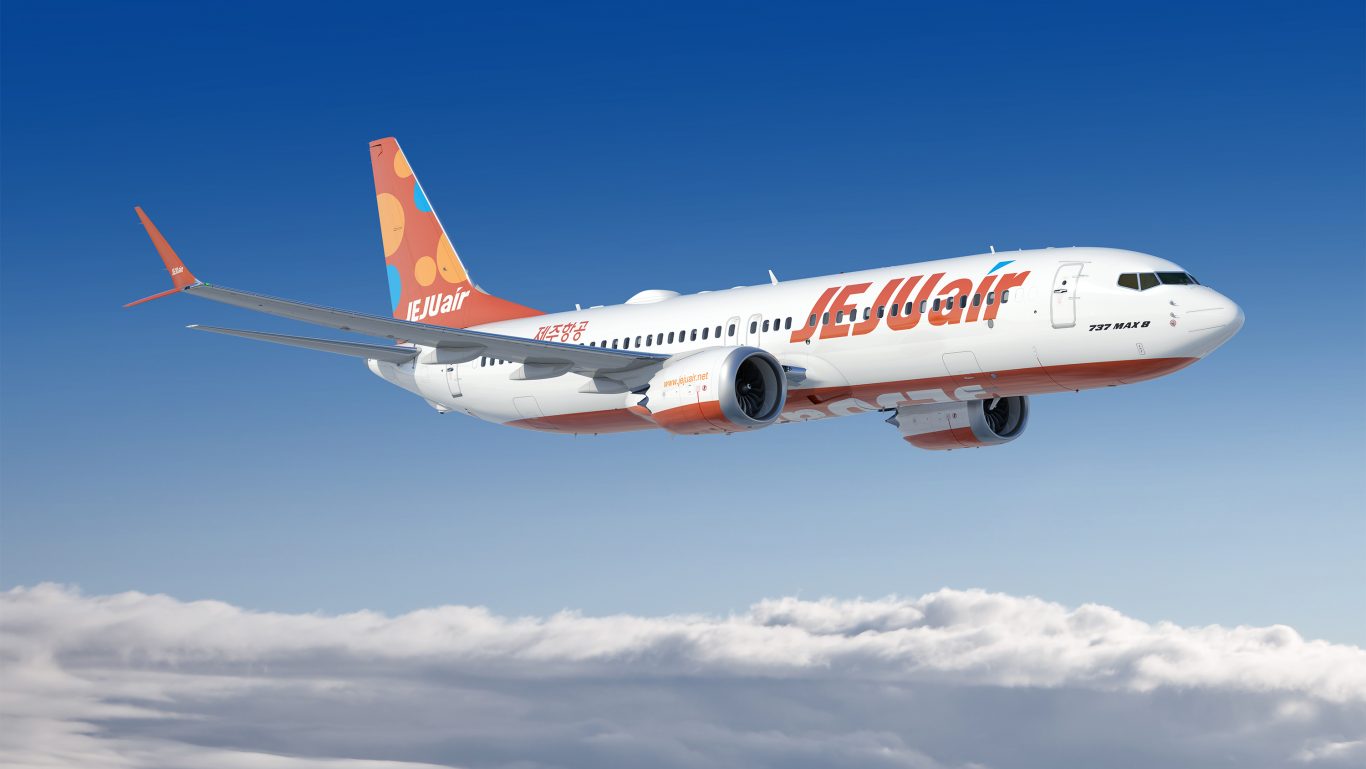
When a Boeing Co. (NYSE: BA) 737 MAX 8 crashed offshore of Indonesia last week killing all 189 people on board, the company referred operators of the aircraft to the plane’s operation manual for procedures to deal with possible erroneous input from a sensor designed to prevent the aircraft from going into a stall.
According to a report in The Wall Street Journal Monday night, what the company did not tell operators and flight crews is that the stall-prevention system may, under certain unusual circumstances, unexpectedly push the plane’s nose down with such force that the crew cannot pull it back up. Investigators are piecing through data from Lion Air Flight 610 to determine the exact cause of the fatal crash, but attention has been focused on this stall-prevention system virtually from the beginning.
Boeing on Saturday issued a safety bulletin to airlines, about a week after the crash, that such an event can result in a steep dive or a crash even when the crew is flying manually and do not expect the automated system to take control of the aircraft.
The Wall Street Journal got the following statement from Boeing in response to the report:
We are taking every measure to fully understand all aspects of this incident, working closely with the investigating team and all regulatory authorities involved. We are confident in the safety of the 737 MAX.
[nativounit]
Boeing may be confident but that does not mean that regulators or airlines are. The Federal Aviation Administration (FAA) said only that it had reiterated its instructions to Boeing for flight manual changes to emphasize how crews should respond to the new flight control system. The agency said it would take further action if results of the investigation into the Lion Air crash warrant it.
But Boeing may be on the hook for telling its customers that pilots would not need to go through additional simulator training, even though earlier versions of the stall-protection systems behaved differently. The Wall Street Journal cites a “high-ranking Boeing official” as commenting that “the company had decided against disclosing more details to cockpit crews due to concerns about inundating average pilots with too much information — and significantly more technical data — than they needed or could digest.”
Boeing stock is the day’s leading loser among the Dow Jones industrials. Shares traded down about 3.7% at $343.77 in midmorning action Tuesday. The stock’s 52-week range is $260.15 to $394.28, and the consensus 12-month price target is $415.09.
[recirclink id=504674]
[wallst_email_signup]







 Top Gaining Stocks
 Top Losing Stocks