


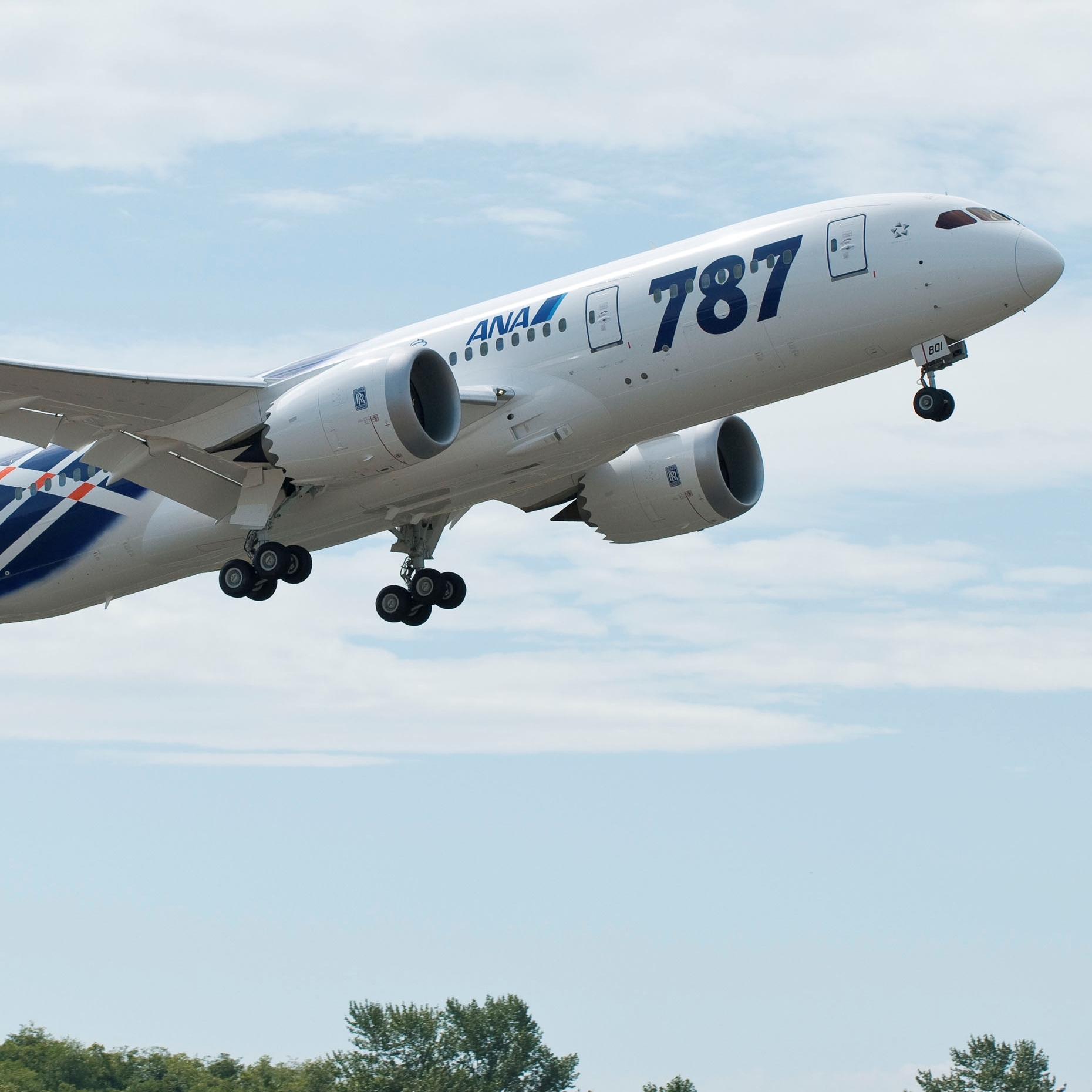
Boeing Co. (NYSE: BA) hosted its annual investors day on Wednesday and analysts mostly responded favorably to what executives had to say. The company sees production rates, better pricing and costs all combining to drive a ramp in free cash flow that is targeted for around $10 billion this year.
Free cash flow is the metric that Boeing wants analysts and investors to focus on because that is the source of the company’s dividend increases and share buybacks, both of which the company has been diligent in maintaining at high rates. The other highlight of the investor day meeting was Boeing’s goal of growing margins into the double digits in the near term and setting an “aspirational goal” into the mid-teens.
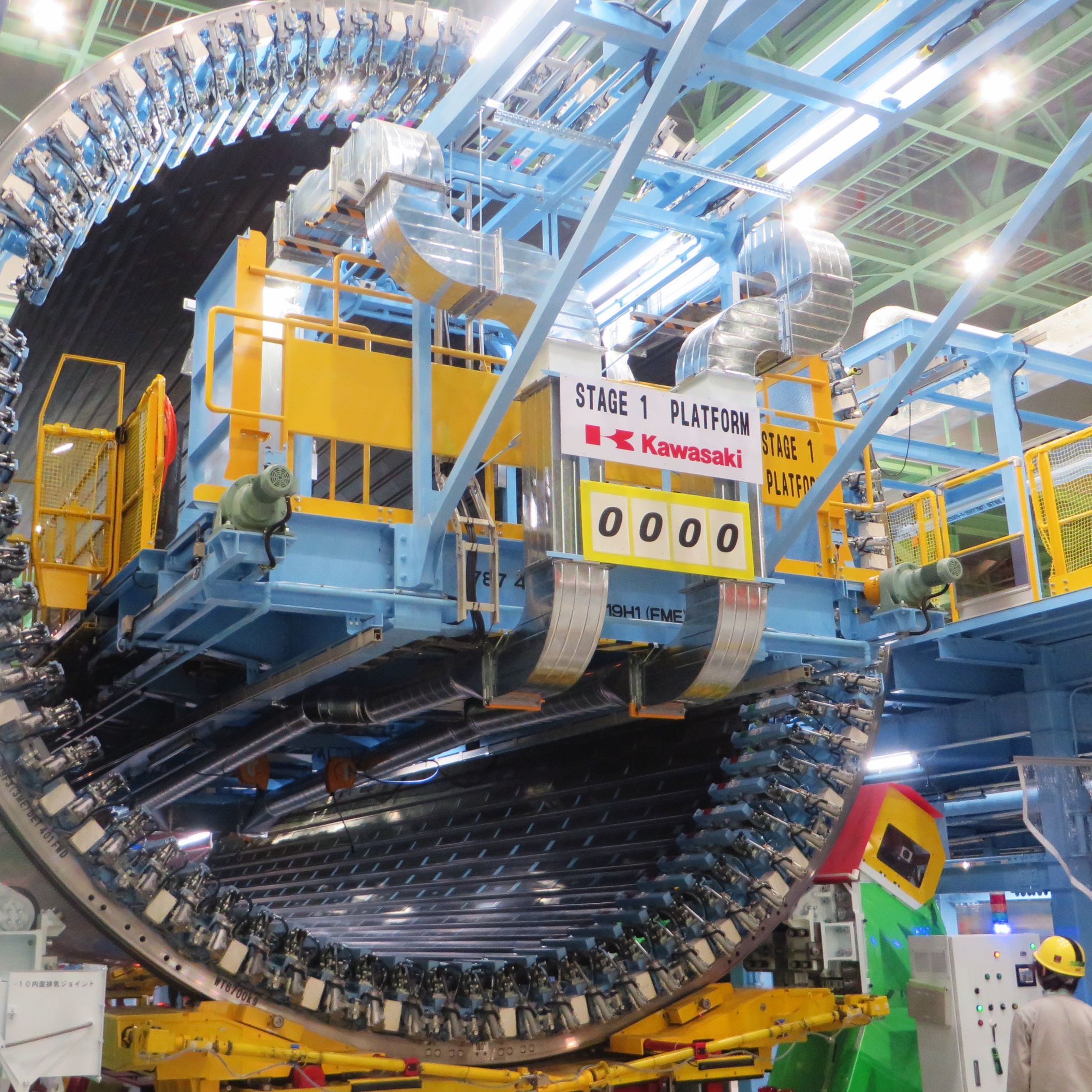
Deferred production costs on the 787 program, now totaling around $29 billion, have been pretty much baked into estimates and have stopped being a major source of concern.
Analysts at Credit Suisse maintained a Neutral rating on the stock but lifted their price target from $144 to $148 per share on the strength of rising production rates, rising prices and lower costs. Here’s the bank’s take:
While commentaries were positive and sensible, and we are not currently overly worried about a down-cycle, we think the margin targets (program and cash) are quite challenging, especially with numerous bridge 777s and 737-NGs delivering in the next couple of years…. We think evidence that the latest initiatives are bearing fruit would afford investors the needed confidence to value the shares on the higher [free cash flow] targets toward the end of the 5-year period ending 2020.
[recirclink id=331265]
Merrill Lynch reiterated its Underperform rating and its $125 price target with this observation on the 787 deferred production cost issue:
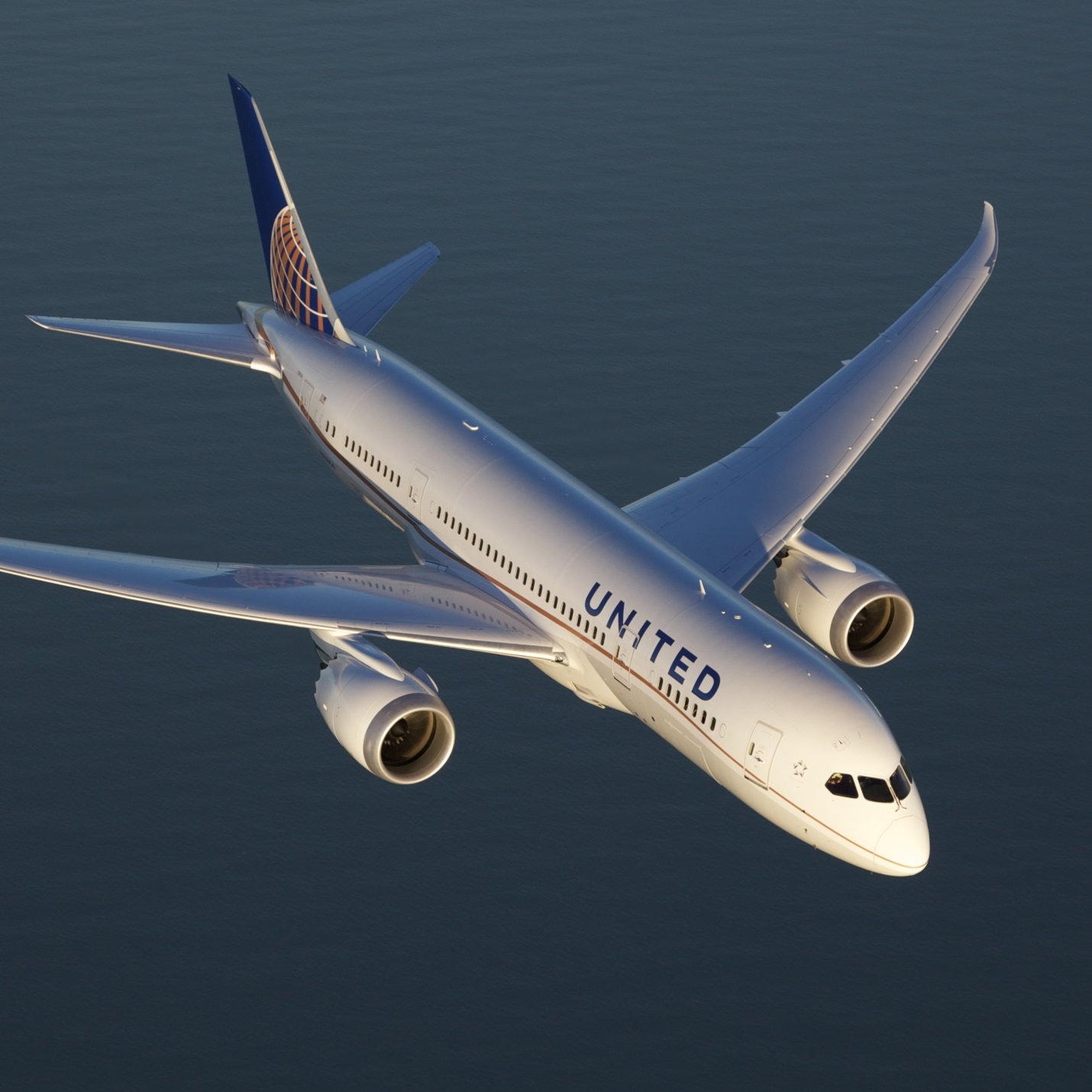
Boeing management remains confident that it will recover $29bn cash from the 787 program by the end of the 1,300 program accounting block. According to management, 787 cash generation will come from pricing (70%), lower supplier costs (25%), and from improved learning curve (5%). As we have previously written, in order for Boeing to recover $29bn of cash from the 787 program over the next 6 years, each 787 has to generate $30mn of profit on average. … This would mean that Boeing would have to improve pricing on the 787 by $21mn per aircraft on average. This seems aggressive, in our view. Production rate is still expected to increase to 12 per month mid this year to 14 per month by the end of the decade. However, 787 deliveries are expected to be flat in 2017 vs. 2016 despite the higher production rate.
Boeing stock traded at $132.12 on Friday’s close, down 1.7% on the day, in a 52-week range of $102.10 to $150.59. The consensus analyst price target is $145.94 and may not include recent changes.










 Top Gaining Stocks
 Top Losing Stocks