


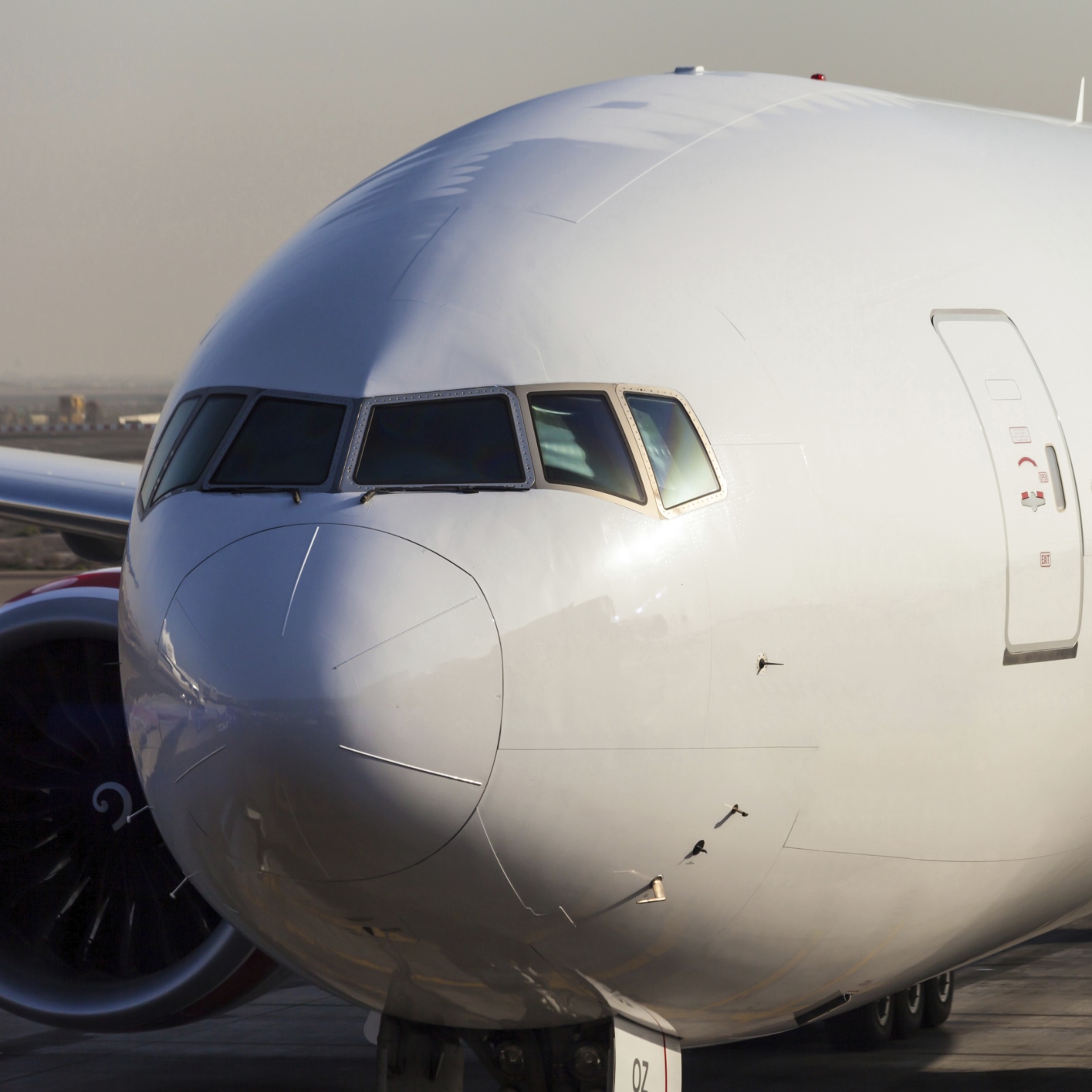
Whether Boeing Co. (NYSE: BA) can do something to slow the decline in orders for its wide-body aircraft is, at this point, anybody’s guess. The company guided full-year orders for all its commercial planes at 535, with wide-body orders totaling 215. So far this year, the company has booked 357 orders, of which 301 are for the narrow-body 737.
Analysts at Credit Suisse are not particularly impressed, and while they believe that “the next several years are still a robust cash harvest for Boeing,” they also see some problems.
On Thursday the analysts reiterated their Neutral rating on the stock and maintained their price target at $148 per share, an upside of 12.2% to the most recent closing price of $131.87. Credit Suisse does not see a higher target unless Boeing addresses the production rate for its 777 family.
Here is their reasoning:
Assuming this [777 production rate decision] occurs with Q3 results, the removal of this overhang, along with a decent dividend hike (15-20%) following the mid-Dec. board meeting, could drive some traction in the shares toward [our target price]. This could take a little longer if BA waits until Q4 results to cut 777 further. While an Iranian 777 order could mitigate a potential cut, it is unlikely to be large enough to fully negate it.
[nativounit]
We’ve noted before that Boeing is having trouble selling the 777 Classic and plans to reduce production from 8.3 per month to 7.0 per month early next year with an eye to reducing the rate to 5.5 per month in 2018. In July the president of Boeing’s commercial division said that orders for the 777 Classic are “pretty solid” through the third quarter of 2017.
At a production rate of seven per month, the 777 Classic backlog of 170 will last two years, but that leaves Boeing with no backlog until the 777X is in production beginning in 2020.
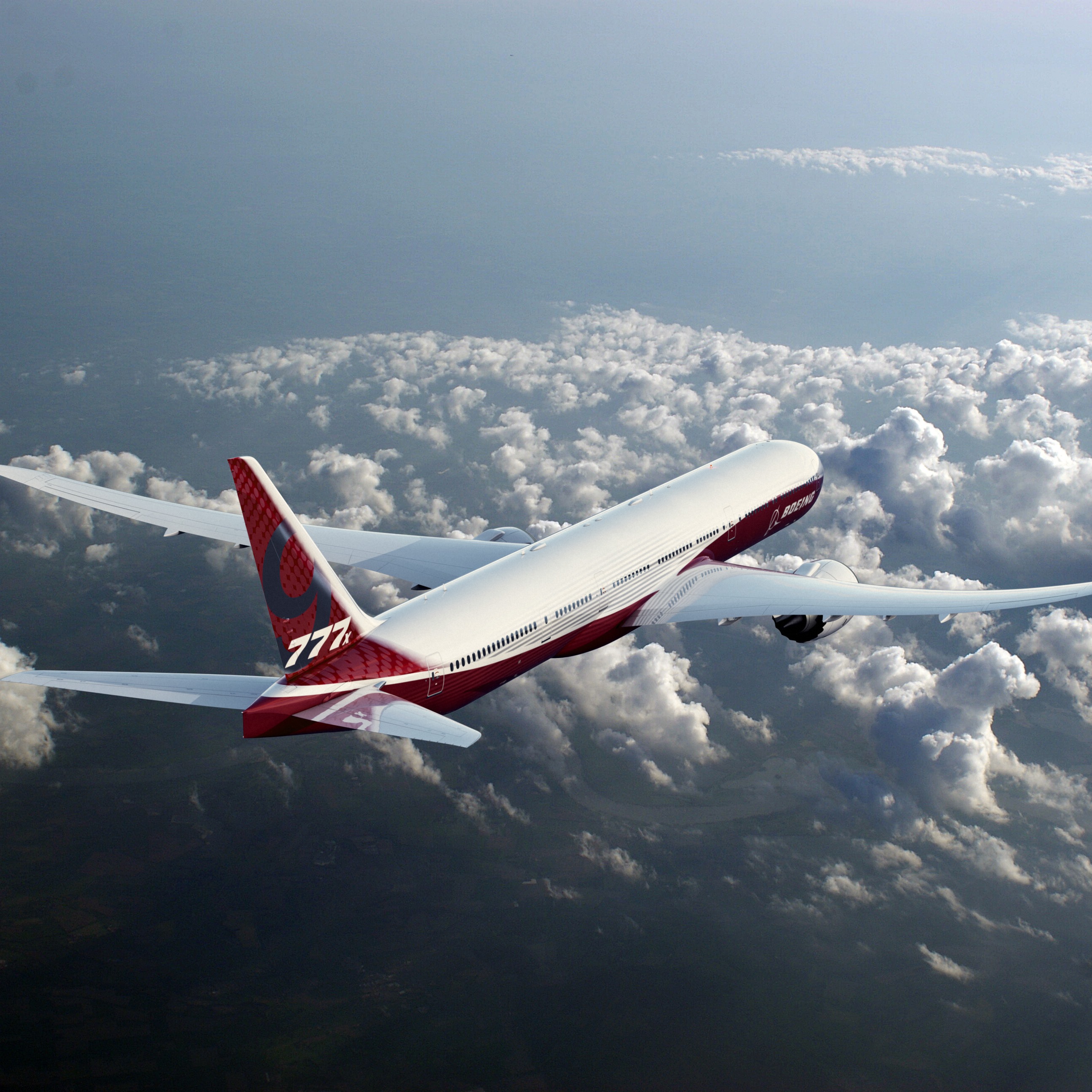
The 777-300ER carries a list price of $339.6 million and trails only the 747 as the most expensive plane currently available from Boeing. A 777-9X sells for a cool $400 million, and is the most expensive plane in the lineup. For a company that promotes its cash flow as a primary measure of its success, these planes are very important.
Here’s Credit Suisse’s take:
Last week at an investor conference, Boeing CEO Dennis Muilenburg acknowledged that if the company is not successful at garnering additional 777 orders in the next few months, the 777 production plan will need to adjust downwards, which we expect to occur. The current delivery plan (from May) between now and 2019 requires ~80 new orders with BA hoping for 40-50 777s per year to sustain the current build plan, which is 7/mth in 2017 and 5.5/mth in 2018/19 as 777X blanks feather into the production system.
“Blanks” is Boeing’s term for empty slots in a production line.
Credit Suisse has not uncovered anything particularly new here, but the analysts are calling on Boeing to be both more realistic and more forthcoming about the company’s plans for 777 production.
[wallst_email_signup]






 Top Gaining Stocks
 Top Losing Stocks