


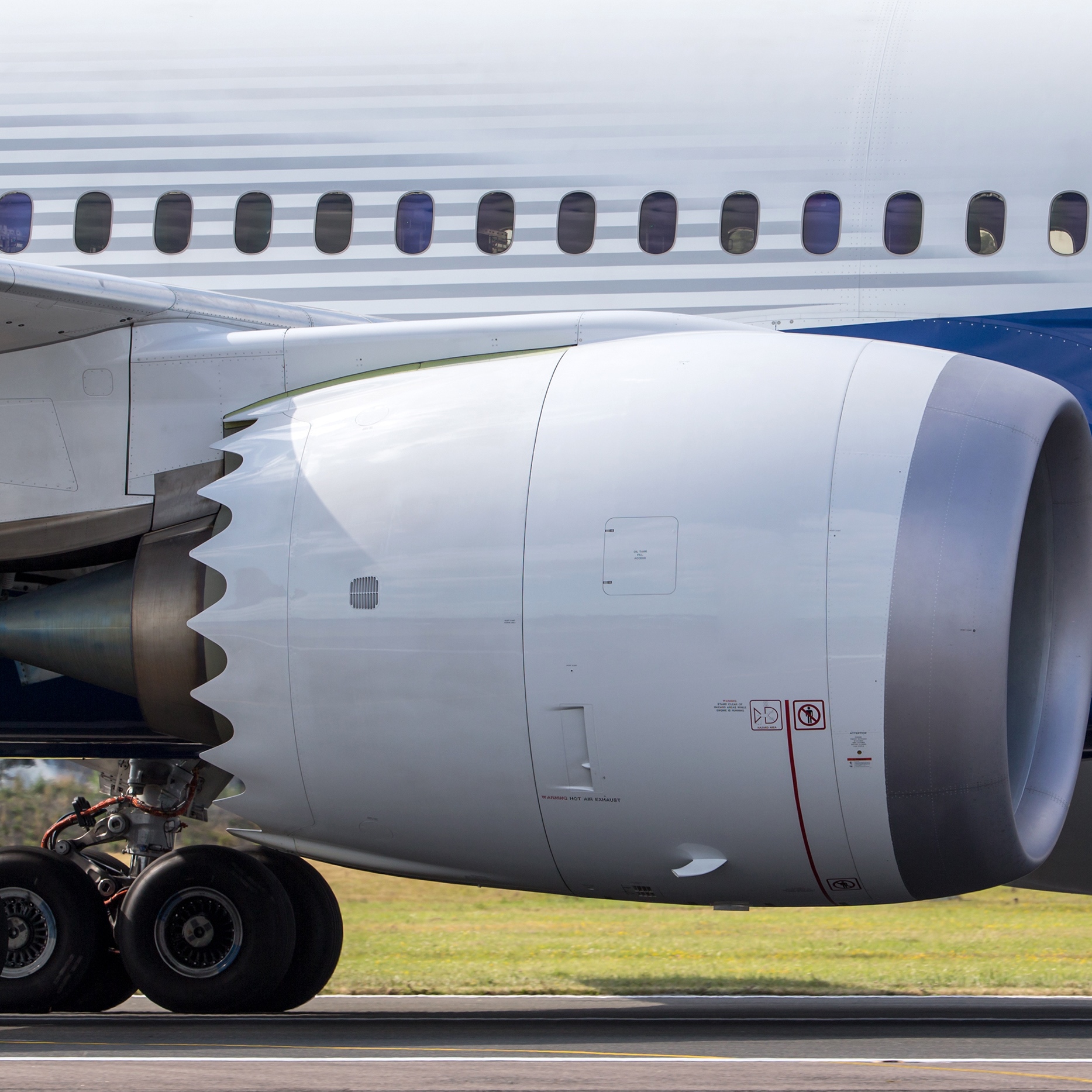
Designing and building a “clean-sheet” aircraft is a daunting business. Boeing Co. (NYSE: BA) learned just how daunting — and costly — with its 787 Dreamliner.
For the past couple of years, though, the company has been tossing around a “new midmarket aircraft,” called both the NMA and the 797 in the press, that would replace the discontinued 757 and 767 passenger jets. Most recently a report suggested that Boeing might restart production of the 767 passenger jet as a result of conversations with some customers willing to buy as many as 60 of the planes.
Bernstein Research analyst Doug Harned is lukewarm at best about the proposed 797. In a research note cited by Leeham News, Harned said he sees a stronger market for a new plane serving the 1,000 to 4,500 nautical mile (nm) range than a 797 to fly routes of 4,500 nm to 5,000 nm, roughly the range of the 767. Harned likes the proposed seating capacity of 220 to 270 passengers.
Leeham News checked with some airlines on Tuesday and was told that Boeing remains focused on a 797 that carries 220 to 270 passengers on flights of 4,500 nm to 5,000 nm.
[nativounit]
Harned argues:
The NMA [797] model fits well with fast growing Asian markets and should be able to do many trans-Atlantic routes. The range, however, would not be sufficient to do longer, thin, transatlantic routes, say, Newark-Warsaw or Charlotte-Berlin. We see those longer-range routes as better suited to a 787 or [Airbus] A330.
The reason for the shorter range is that it allows weight to be taken out of the wing and the engines can be optimized more toward a high number of cycles between overhauls (e.g. like a CFM-56 or V2500 rather than a Trent 700). This means that the airplane could operate efficiently on thicker routes of under 2,000 nm, which are common in the Asia-Pacific region.
What Harned seems to be proposing is a replacement for the 737 family that could hit the drawing board sometime in the next decade and be ready for commercial flights in the 2030s. Something like that is probably going to happen anyway, at least as far as the timetable goes.
[recirclink id=420768]
Boeing could still go ahead with its current thinking for the 797 and could even announce the plane next June at the Farnborough Air Show for delivery by 2024 or 2025.
Leeham thinks that timeline allows Airbus time enough to improve is A321neo sufficiently to steal more customers from Boeing. That strengthens the case for bringing back the 767-300ER passenger jet, which could conceivably be flying by the end of this decade or shortly thereafter.
[wallst_email_signup]








 Top Gaining Stocks
 Top Losing Stocks