


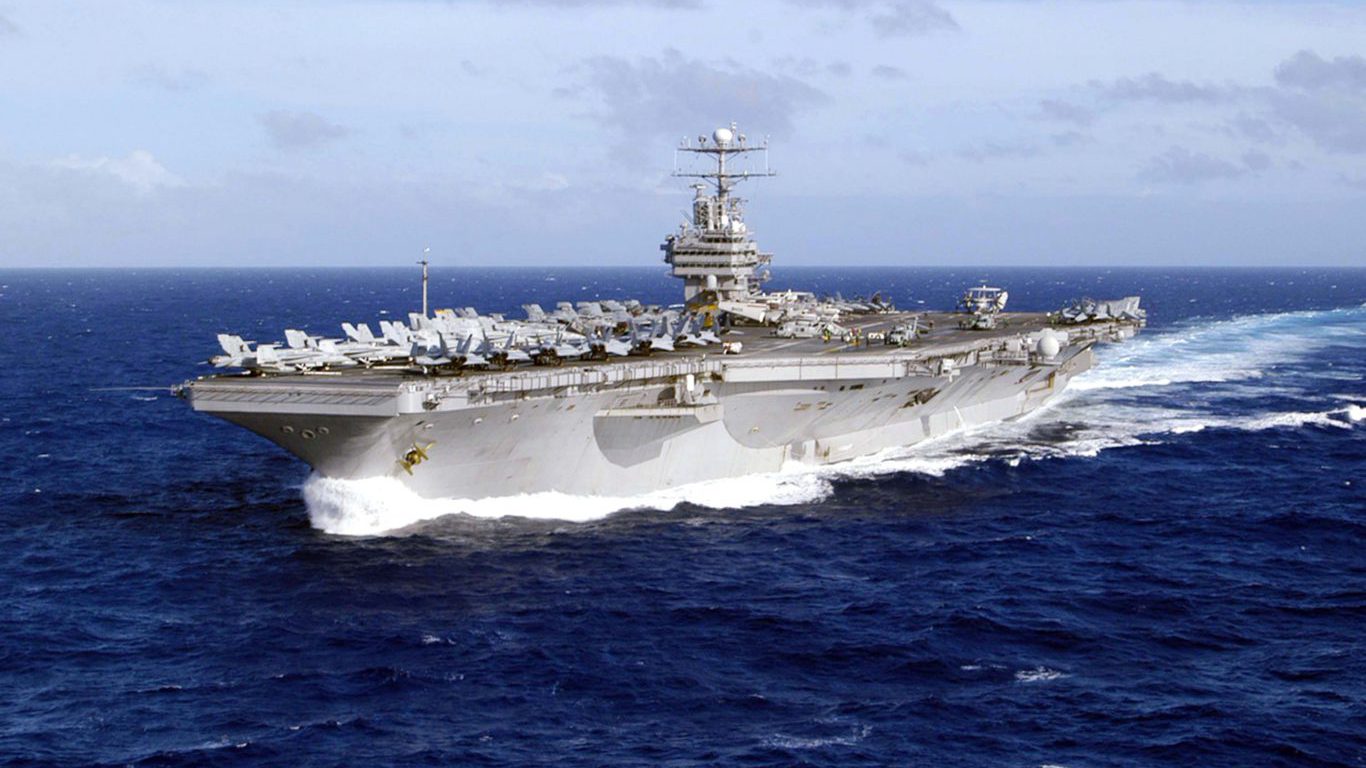
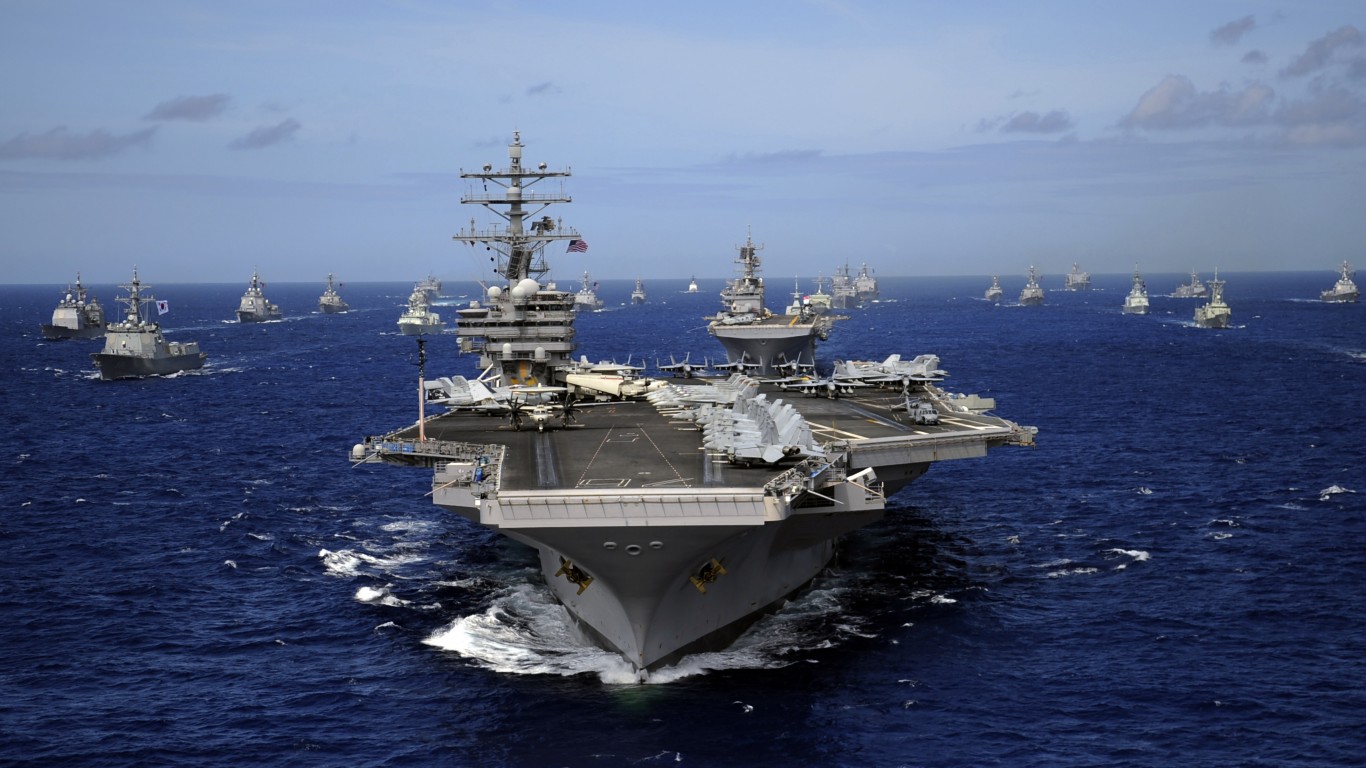
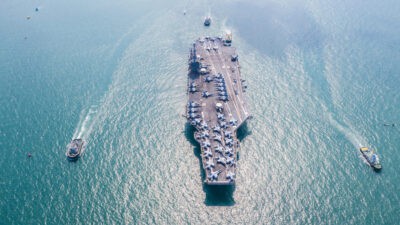
The USS Harry S. Truman, one of America’s 10 aircraft carriers, visited the United Kingdom’s Portsmouth Naval Base. The Navy said the visit was a casual stopover. Some military observers believe it was meant to show Russia, with its growing fleet of ships, that America is committed to a presence in and around Europe. The stopover raised the question of the effectiveness of carriers again, an issue because of their cost and potential vulnerability in battle.
America is doubling down on its commitment to carriers. The Navy is in the midst of rolling out the new Gerald R. Ford class. The Pentagon eventually plans to have 10 of these new ships. These will have a displacement of over 100,000 tons when fully loaded with planes and personnel, and they will be 1,092 feet long. The Congressional Research Service puts the cost of each Ford class carrier at $13 billion.
The pro-carrier contingent of the Navy argues the sum is reasonable based on the role carriers will play in the Navy in the future. And they claim that carriers are very hard to sink.
[nativounit]
According to The National Interest, which covers the military worldwide, there are several reasons carriers are very hard to attack and harder to sink. First, their speed allows them to outrun many other ships, particularly submarines.
They have “hundreds of watertight compartments and thousands of tons of armor, no conventional torpedo or mine is likely to cause serious damage.”
The carriers also have high-tech sensors that can pick up missiles at great distances. To counter missiles, they have “radar-guided missiles and 20 mm Gatling guns that shoot 50 rounds per second.”
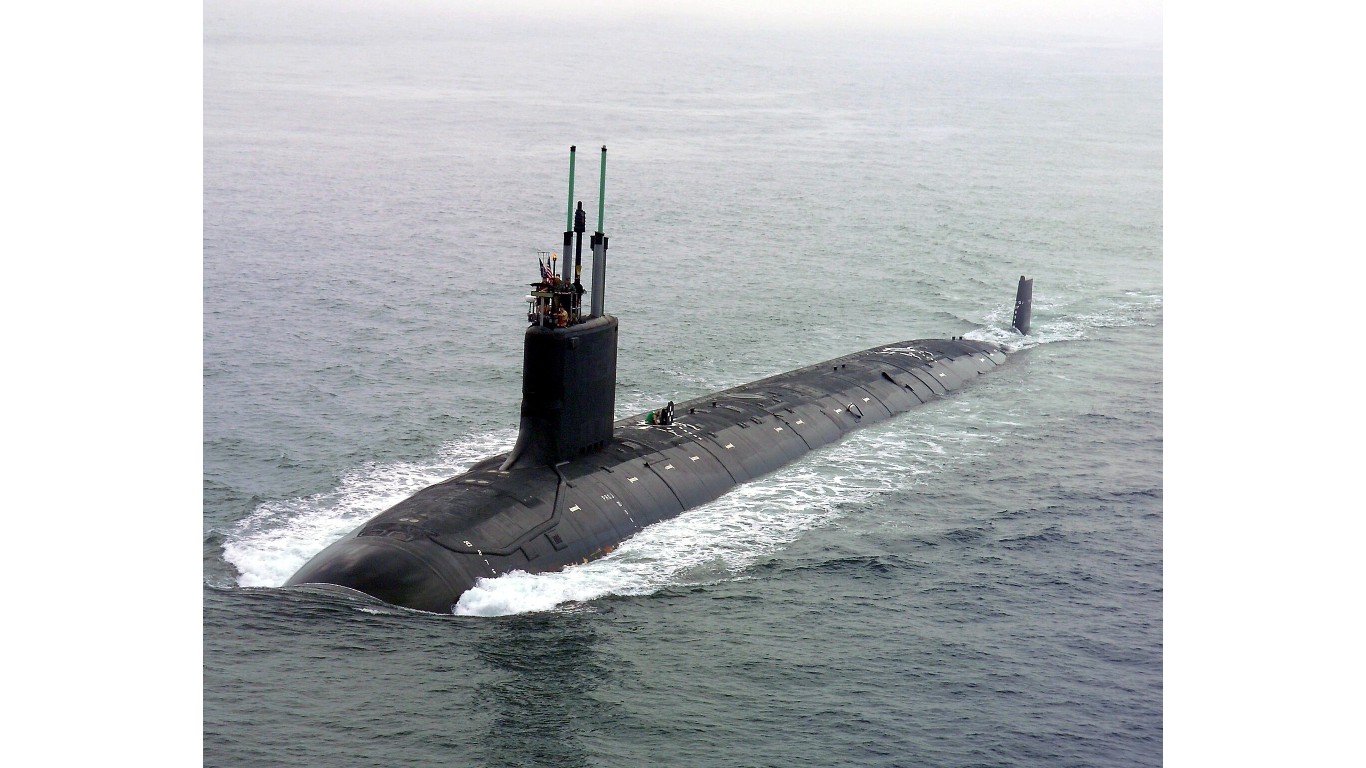
Among the most important points The National Interest makes is that carriers are part of large groups of ships. Some of these carry Aegis combat systems, which are highly sophisticated naval defense systems. These groups also include their own submarines and a number of submarine detection methods and deterrents.
The Navy also operates carriers in such a way as to keep them far from potential threats. The National Interest points out that includes staying away from areas that might be mined.
Finally, each time a carrier is overhauled, many of its systems are upgraded. This allows carriers built decades ago to be fitted with current technology. And the Navy also has upgraded the systems on other ships that protect carriers.
The National Interest concludes:
The most important advance of recent years has been the netting together of all naval assets in an area so that sensors and weapons can be used to maximum effect. Initiatives like the Naval Integrated Fire Control – Counter Air program link together every available combat system in a seamless, fast-reacting defensive screen that few adversaries can penetrate.
As the Russian navy grows, along with the sharp rise in ships launched by China, the question of the effectiveness of U.S. carriers will grow. At least one expert group believes the military risk of the growth in America’s carrier fleet is small.
[wallst_email_signup]






 Top Gaining Stocks
 Top Losing Stocks