


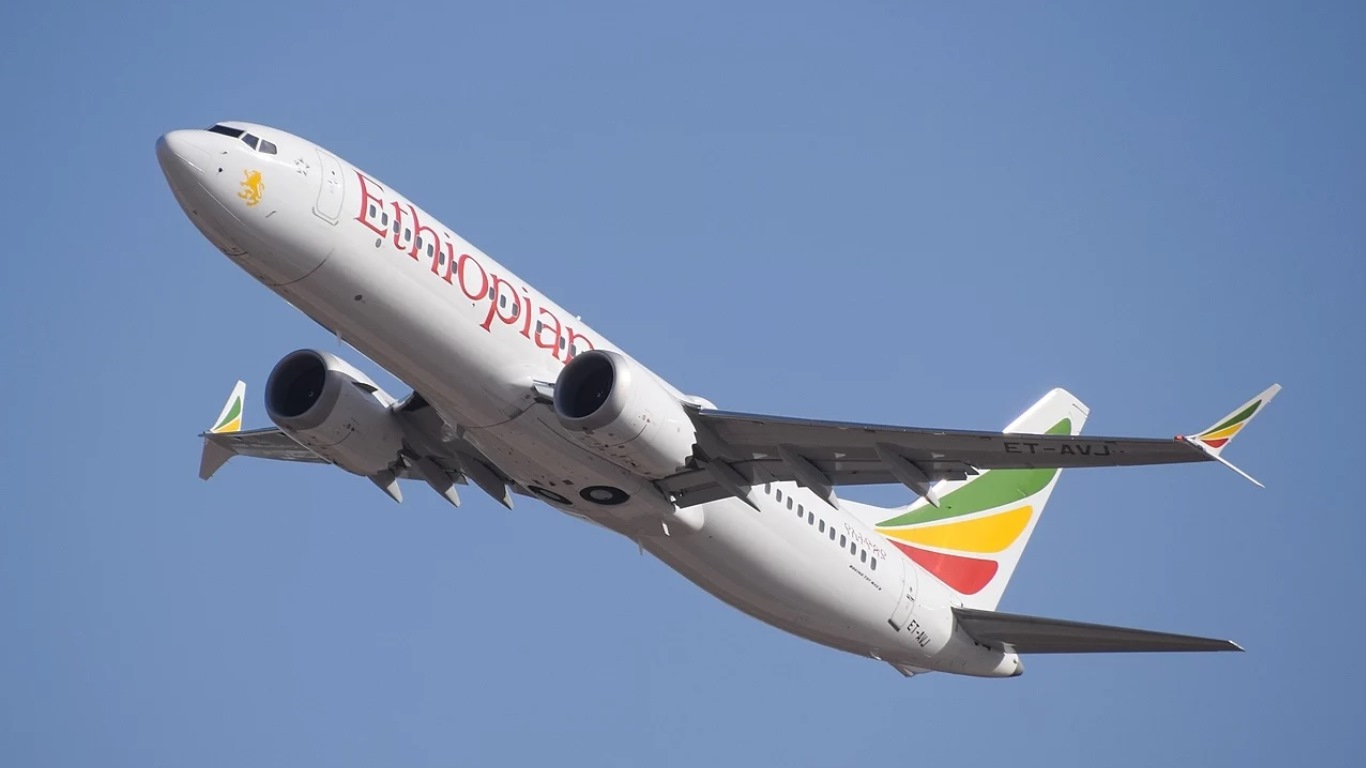
In a press release issued after markets closed Monday, Boeing Corp. (NYSE: BA | BA Price Prediction) announced that it will “temporarily suspend” production of the company’s 737 Max passenger jet beginning in January. The company cut production of the plane from 52 per month to 42 per month shortly after the 737 Max was grounded following two crashes that killed 346 passengers and crew.
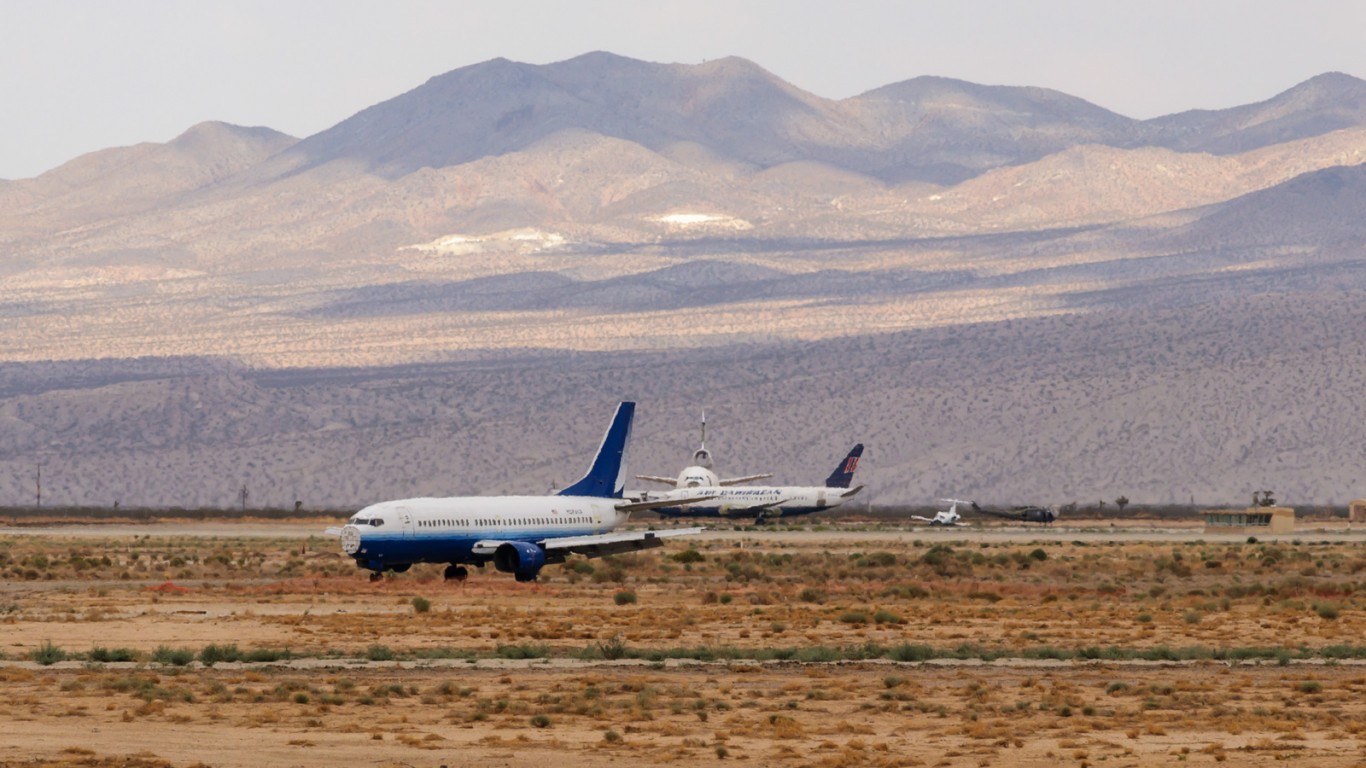
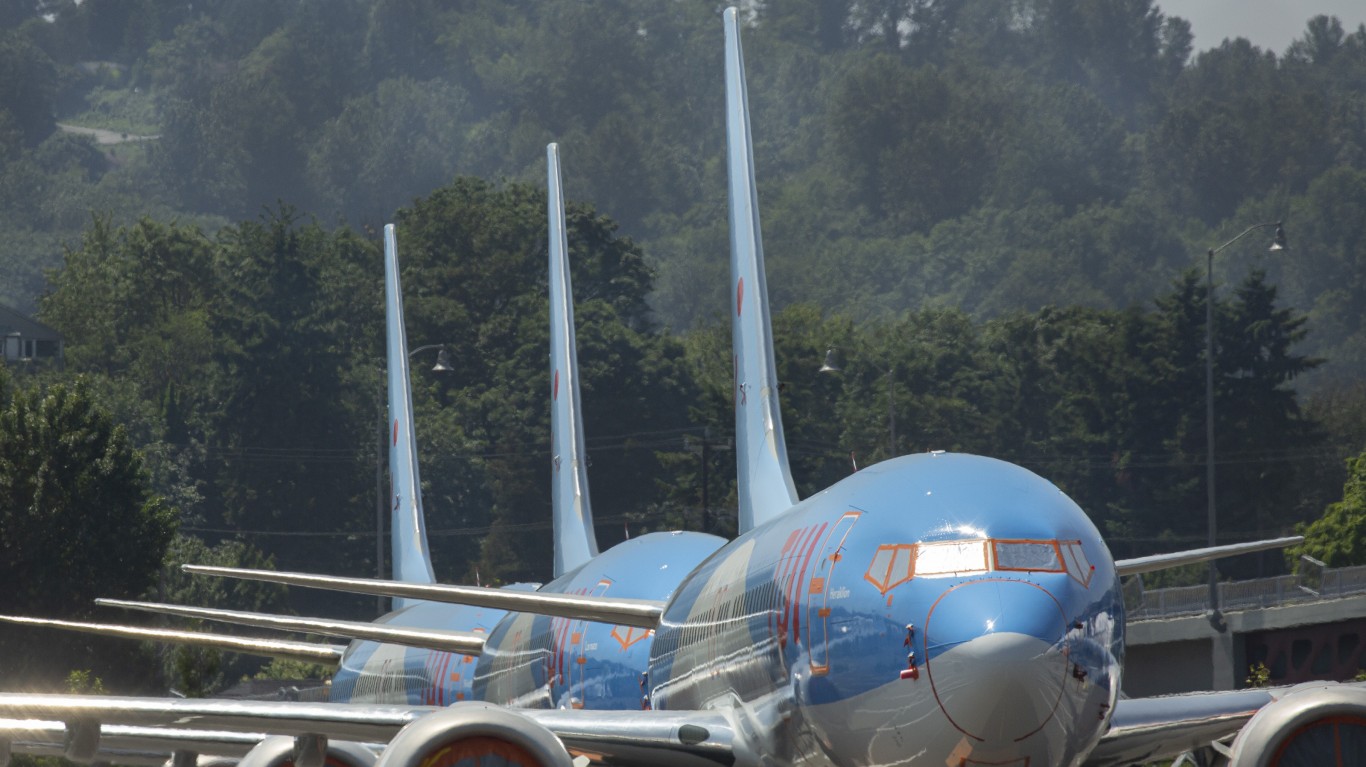
The company admitted that it had more than 400 newly built 737 Max airplanes in storage and no clear indication yet of when Boeing might be able to begin shipping the planes to customers. In its announcement, Boeing said that “the FAA and global regulatory authorities determine the timeline for certification and return to service,” not Boeing.
We didn’t think it would happen this way. By stopping production, the company is acknowledging that recertification is not as imminent as the company would have liked everyone to believe. Boeing has never provided a reliable indication of how long the grounding would last. The company reluctantly pushed out the return to service date only after it became clear that a previously indicated date could not be met. At a congressional hearing last week, FAA Administrator Steve Dickson made it abundantly clear that regulators, not Boeing, would decide when the 737 Max would fly again. Boeing has finally capitulated.
The decision to suspend production increases several risks. The first, of course, is that the grounding will last well into 2020. In his comments to a House committee, Dickson said only that the process couldn’t possibly be finished in December and would spill over into next year. But he did not say how far into next year, and that must worry Boeing.
Even if the company had cut production to around 20 planes a month, it would still have to find and pay for storage, and the longer that goes on, the more cash Boeing burns, cash that investors expect to receive in dividends and stock buybacks. Boeing, in fact, issued a separate press release Monday announcing its regular quarterly dividend of $2.055.
[nativounit]
Boeing said that suspending production was “the least disruptive to maintaining [its] long-term production system and supply chain health.” The company’s statement continued:
This decision is driven by a number of factors, including the extension of certification into 2020, the uncertainty about the timing and conditions of return to service and global training approvals, and the importance of ensuring that we can prioritize the delivery of stored aircraft.
The impact on Boeing’s suppliers may present the most significant risk to Boeing. Every 737 Max includes some 400,000 parts that arrive from some 900 suppliers in a tightly scheduled chorus line that feeds the production line with parts just when the parts are needed. If Boeing’s suppliers can’t support their employees with other work, there are likely to be layoffs, and the skilled workers could find other jobs.
Spirit AeroSystems Holdings Inc. (NYSE: SPR), maker of the 737 Max fuselage, has been building 52 airframes a month during the plane’s grounding. In an email, Spirit told Bloomberg News that it is “working closely with [Boeing] to determine what [the suspension] means for Spirit.” Whatever that means, it’s not good news. Spirit’s stock dropped about 1.6% before Boeing’s Monday announcement.
CFM International, a joint venture of General Electric Co. (NYSE: GE) and France’s Safran, builds one of two engines available for the 737 Max. In its third-quarter conference call, GE indicated that the grounding had cost the company about $1.4 billion in cash flow, an amount that the company expects to receive eventually.
Boeing itself is burning through about $4.4 billion a quarter as a result of the grounding. Jefferies analyst Sheila Kahyaoglu has written that suspending production of the 737 Max will save about half that amount. If Kahyaoglu is right, Boeing will need the money saved to pay claims from customers like Southwest Airlines Co. (NYSE: LUV) and others that have been forced to ground their fleets of 737 Max planes. She estimates that customer payments could double from a previously announced total of $5.6 billion to $11 billion.
Boeing stock fell about 4.3% on Monday to close at $327.00 and traded down another 1.4% at $322.57 in Tuesday’s premarket session. The stock’s 52-week range is $292.47 to $446.01.
Spirit AeroSystems’ stock was inactive in the premarket, after closing down 1.6% on Monday, at $78.88 in a 52-week range of $64.48 to $100.34.
GE stock closed down 1.5% on Monday at $11.17 and traded at $11.16 in Tuesday’s premarket. GE’s 52-week range is $6.51 to $11.84. The high was posted in late November.
[recirclink id=598858]
[wallst_email_signup]







 Top Gaining Stocks
 Top Losing Stocks