


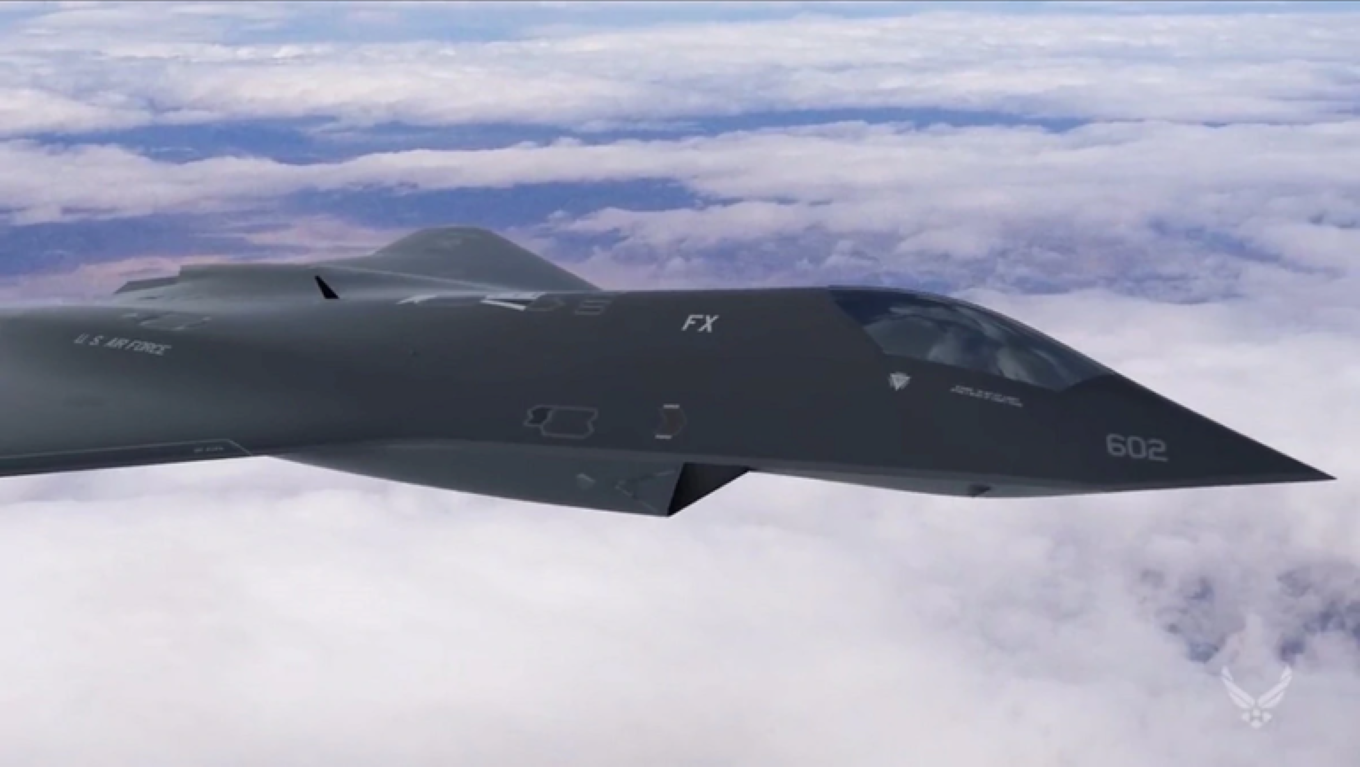
In mid-September, the U.S. Air Force’s chief acquisition officer, Will Roper, confirmed that the Air Force had designed, built, and flown a prototype of a next-generation fighter plane. Not a lot of additional details were revealed.
Then on Tuesday, Lockheed Martin Corp. (NYSE: LMT | LMT Price Prediction) reported third-quarter results that beat estimates but underwhelmed investors. A seemingly innocuous comment in the announcement may presage big things to come from the company.
In its discussion of revenue in the company’s aeronautics segment, Lockheed noted that part of the 8% year-over-year increase was the result of $130 million related to “higher volume on classified development contracts.”
On the company’s conference call Tuesday morning, Chief Financial Officer Ken Possenriede said that Lockheed anticipates “strong double-digit growth” at the company’s famous Skunk Works facility where it works on classified advanced development programs. He also said that Lockheed continues to “execute” on recent awards.
[nativounit]
Putting September’s news on a new fighter plane together with Lockheed’s comments on Tuesday points even more toward the company as the firm that developed and built the Air Force’s new plane. CEO Jim Taiclet said on Tuesday’s call that much of the company’s 2020 capital spending went to classified programs in the aeronautics and space segments “that are growing relatively rapidly.”
The new fighter plane is the first instance of the Air Force’s Next Generation Air Dominance (NGAD) program, a scheme outlined in Roper’s September paper titled Take the Red Pill: The New Digital Acquisition Reality. NGAD is intended not only to speed development of new weapons but to shorten by half the 30-year life cycle of the Air Force’s most advanced weapons.
The impact on defense contractors like Lockheed Martin will be significant. Rather than building new planes at relatively low cost and then making money on decades-long maintenance and repair contracts, the shorter life cycles mean that the contractors are going to have to begin reaping profits much earlier than is currently the case.
Details on the NGAD program remain scarce, but a report in Defense One suggests that the classified aircraft program began in late 2016, near the end of the Obama administration.
Lockheed’s stock dropped by about 3% on Tuesday and traded down another 1.2% in the noon hour Wednesday, at $367.68 in a 52-week range of $266.11 to $442.53. The consensus 12-month price target on the stock is $435.95.
[recirclink id=802372][wallst_email_signup]









 Top Gaining Stocks
 Top Losing Stocks