


Sanctions are one of many tools countries have to pressure other nations into changing their behavior, along with export controls, embargoes, and other economic and political measures meant to make like more difficult for powerful members of society. More than 30 countries, along with the United States, have imposed sanctions on the Russian Federation since it invaded Ukraine in 2022.
These economic tools have made it much more difficult for Russian leaders and oligarchs to raise capital, obtain materials, and secure the support that they need to wage a successful war.
But what, if any, is the impact these sanctions have on American companies?
#1 The Sanctions

Russian troops.
There are more than 2,400 people or companies, 115, ships, and 19 aircraft included on the Specially Designated Nationals and Blocked Persons List by the United States. This list includes all members of the Russian government, many industry leaders, members of the military-industrial complex, and more. Around 80% of Russia’s banking industry is under sanction.
#2 The Russian Impact
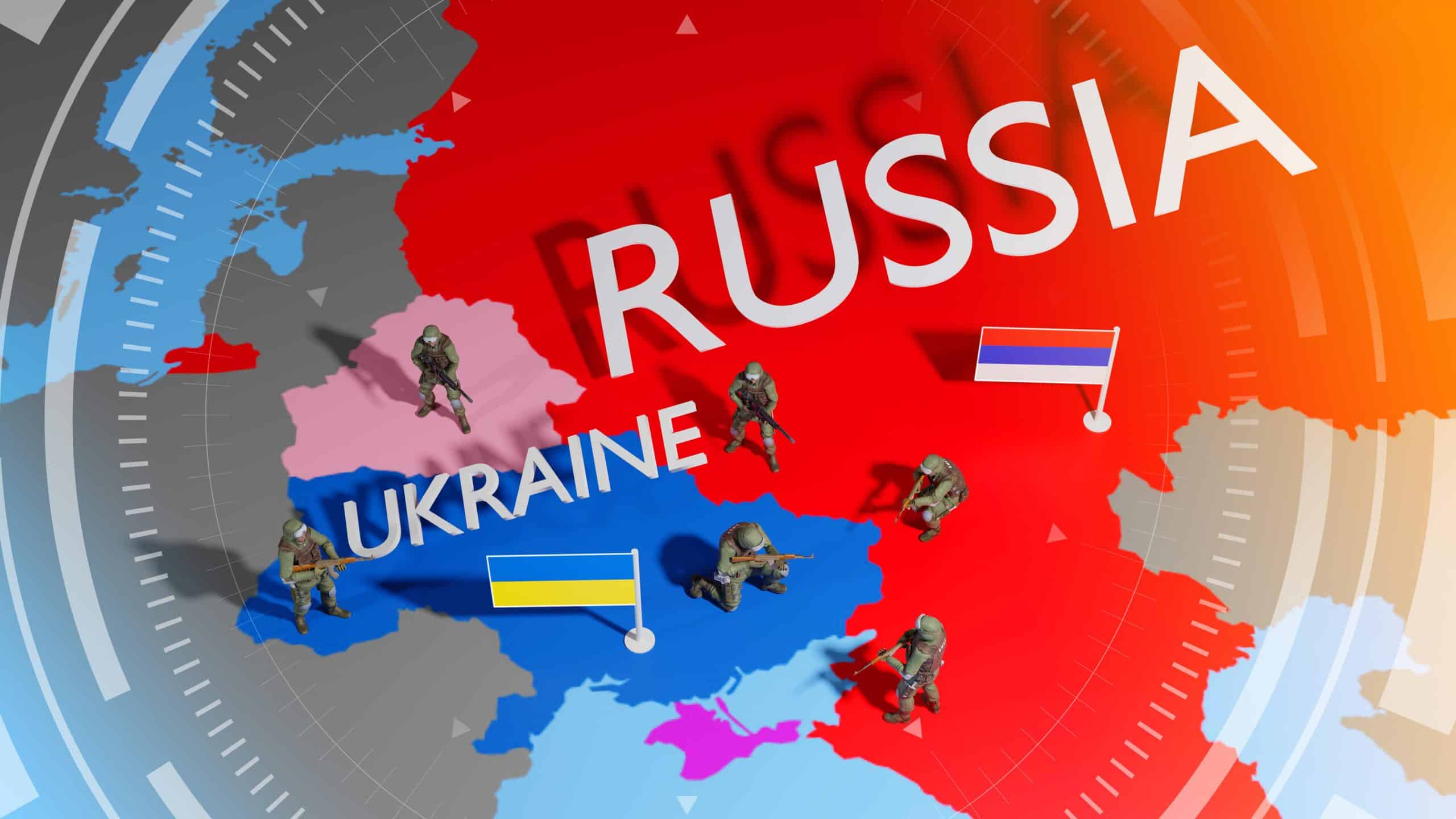
Russian invasion.
Over 1,000 companies have ceased operations or at least reduced their operations in Russia since the sanctions began. Task force officials have seized billions of dollars in luxury real estate owned by Russian targets and frozen tens of billions of dollars in other financial assets.
#3 The War Effort

Russian invasion.
As a result of the sanctions, Russia is facing a massive shortage of essential equipment, materials, and military hardware. According to the U.S. Treasury, Russia has lost over 9,000 pieces of valuable military equipment that can’t be easily replaced domestically and is facing a severe shortage of tanks, aircraft, submarines, and munitions. They estimate that Russia has lost around 50% of its tank supply and is being forced to activate its outdated Soviet T-62 tanks.
#4 Domestic Impact
American visa.
Russia has never had a significant trade relationship with the United States, and at most 3% of U.S. exports have ever made their way to Russia, so any economic impact on U.S. companies was always going to be relatively small. The industries most likely to be impacted by U.S. sanctions on Russia are those in the financial sector, mining and raw materials, and energy.
#5 Initial Predictions
Stock market.
When the sanctions were first announced, experts predicted that the first and most significant impact would be on the price of food and oil in the United States, with American companies passing the increased costs of imports on to their customers. When the sanctions were finally implemented, the prices of oil, wheat, and gas all rose immediately. While it is difficult to determine exactly how much the sanctions have impacted the price of goods, they certainly don’t help.
#6 New 2024 Sanctions

People working.
In June of 2024, the United States announces increased sanctions on Russia which would go into effect on September 12, 2024.
These incrased measures are primarily focused on IT products, software, and services. They will restrict the sale, export, or supply of any product or services to Russia that has to do with cloud-based services, software development, and other IT-related products and offerings.
Any companies that do any amount of IT consulting or sales in Russia are sure to feel some squeeze when the new sanctions take effect.
#7 Shipping Impact
Shipping containers.
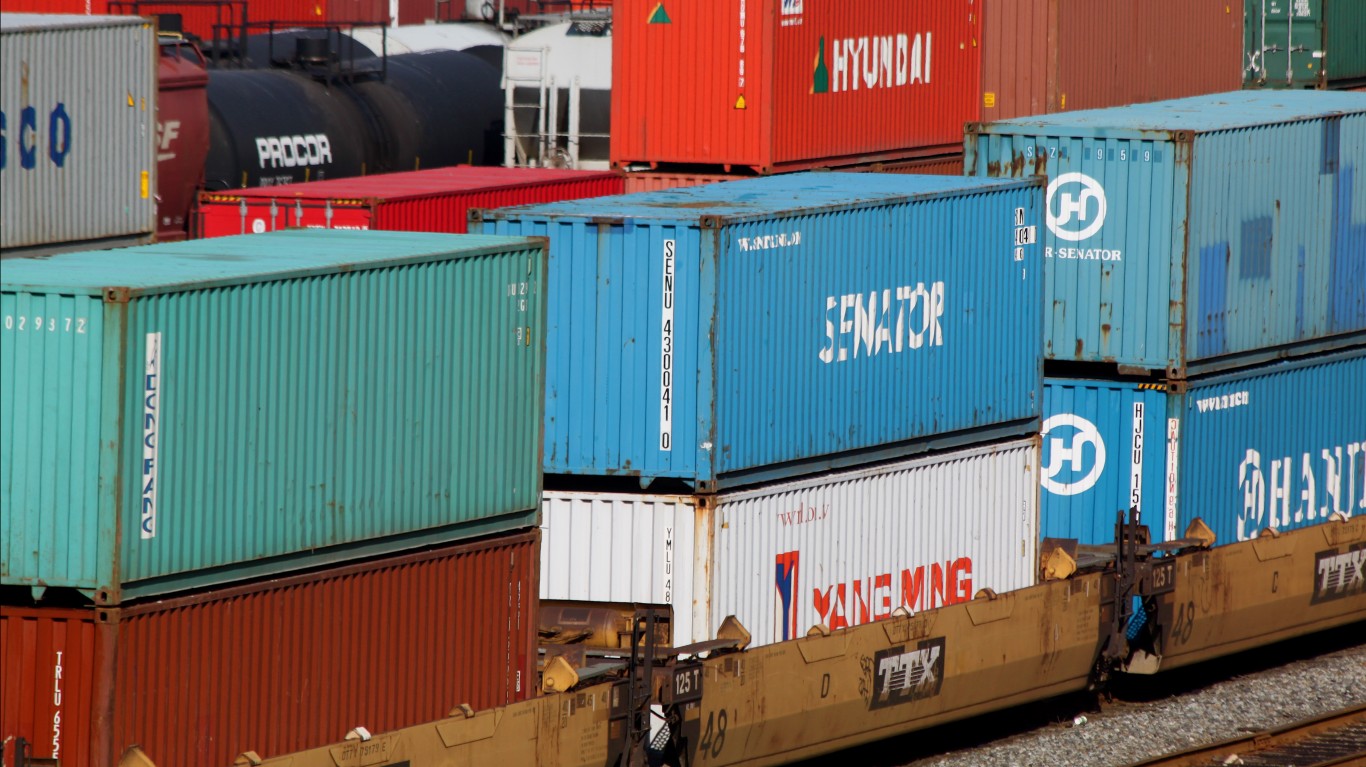
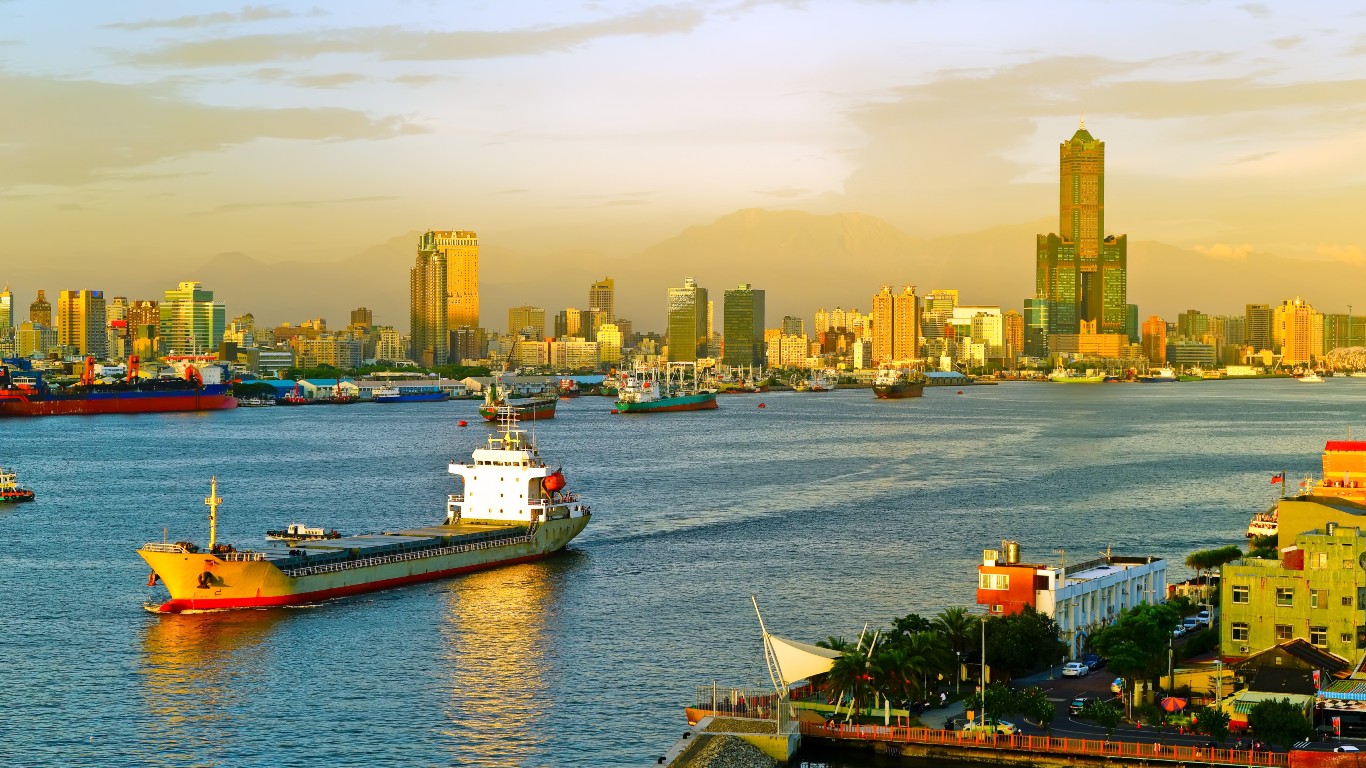
Companies that might not necessarily do any business with or within Russia are also starting to feel some impact as many shipping companies have changed, eliminated, or altered the routes that would have taken them to Russian ports. The biggest companies affected are those that ship dry bulk goods and gas. As trade routes are eliminated, existing routes and ports can become overcrowded and congested with ships that would otherwise have gone to Russian ports.
Companies that have relied on Russian shipping to move their products have had to find alternative shipping partners as working with some Russian companies will run afoul of U.S. sanctions.
#8 American War Profiteering

America.
Despite the turmoil in the markets and uncertainty about the war, American companies have managed to turn a profit at the cost of our European allies and their own American customers. Gas exports from the U.S. to Europe have increased to fill the void left by Russian oil and gas. The German government even accused the U.S. of profiting from the war by charging “astronomical prices” for gas.










 Top Gaining Stocks
 Top Losing Stocks