


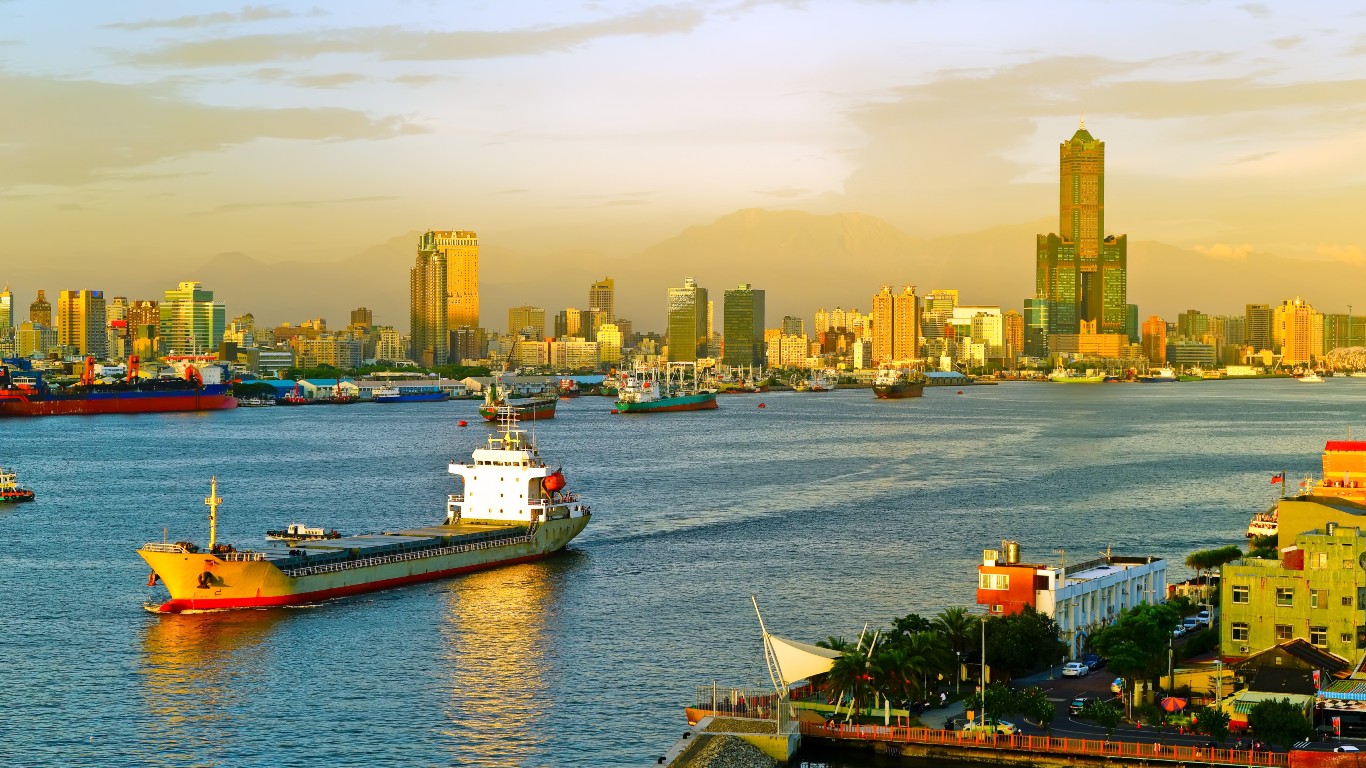
China has repeated its claims multiple times that it could invade Taiwan. China does not recognize Taiwan as an independent state and has a goal of reunification under its “One China principle.” Taiwan, however, has its own elected leaders and sees itself as independent from China. If China were to one day decide on an invasion to bring Taiwan under its control, what would that look like? Overall, China’s military is immensely larger than Taiwan’s forces, but there is more to a military than size. For one thing, U.S. support could make a difference in the outcome of a conflict.
24/7 Wall St. reviewed key military differences between Taiwan and China. We took a look at everything from manpower to naval forces to finances, and more when comparing the two. Below are 16 differences between China and Taiwan.
Why Are We Talking About This?
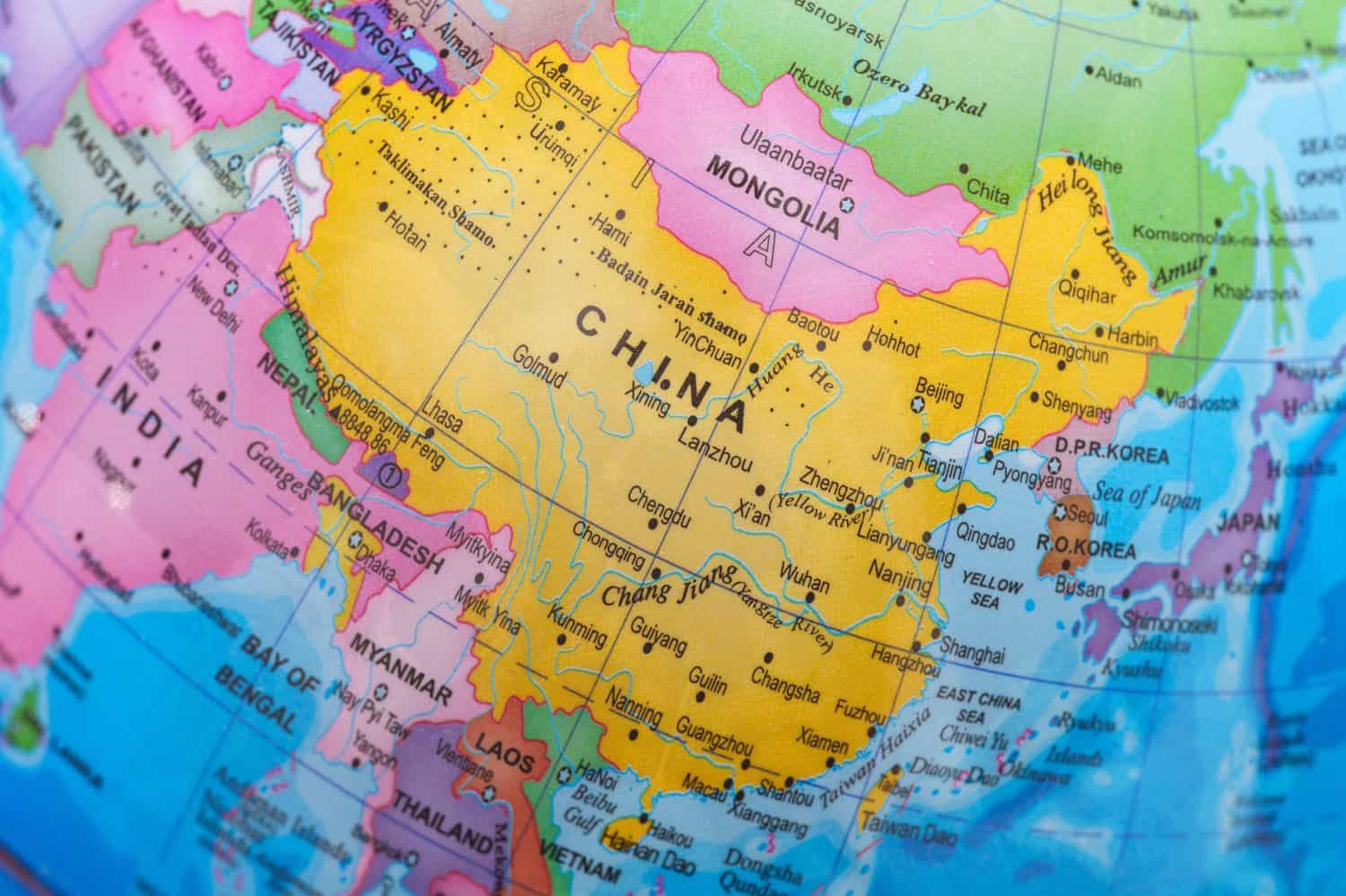
Map of China.
The inevitable conflict between China and Taiwan has the potential to overturn the modern balance of power in the world, change the structure of nations forever, and create a new political landscape for generations. It is important to understand what conflict might look like if it ever does happen.
The Groundwork for War
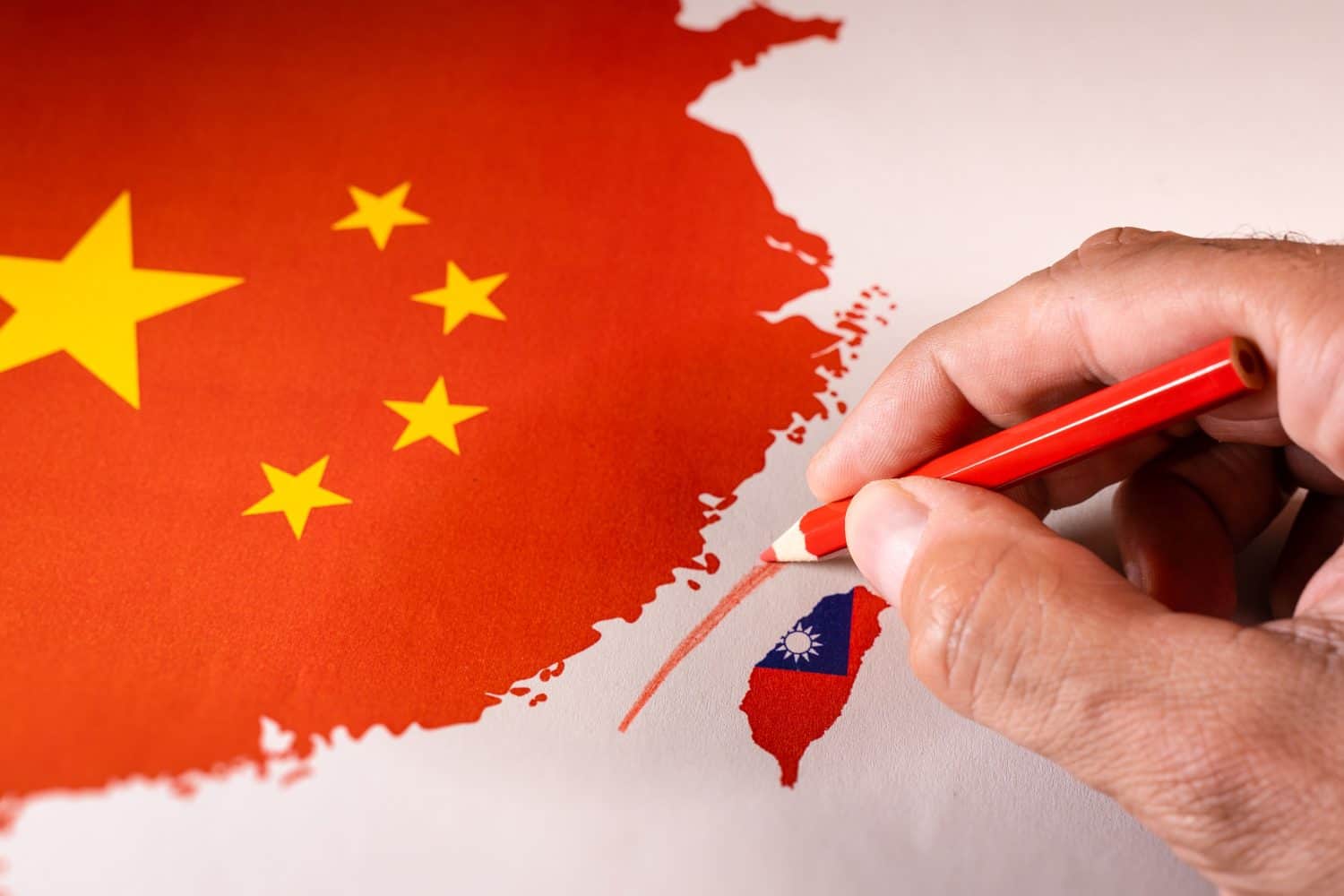
A line between the two Chinas.
The Chinese military, officially known as the People’s Liberation Army, is widely considered to be the most powerful and modernized military in the world. It is also the largest military in the world, with around 2.2 million people in active duty. It has the third-largest nuclear weapons stockpile and the second-largest navy.
Additionally, its military budget of US$224 billion is the second-largest in the world. As the military arm of the Chinese Communist Party, the PLA reports to the party leaders, not necessarily the nation.
During the Chinese Civil War, the Republic of China was pushed back to the island of Taiwan while the People’s Republic of China took over the mainland. A tense peace has been maintained ever since, with mainland China making claims on the island nation, and Taiwan claiming independence. It is expected that the issue will one day be settled through military conflict.
The relative military might of China has forced other countries, including the United States, to back down and deny their recognition of Taiwan as a legal country and sever official diplomatic ties.
#1 Available Manpower
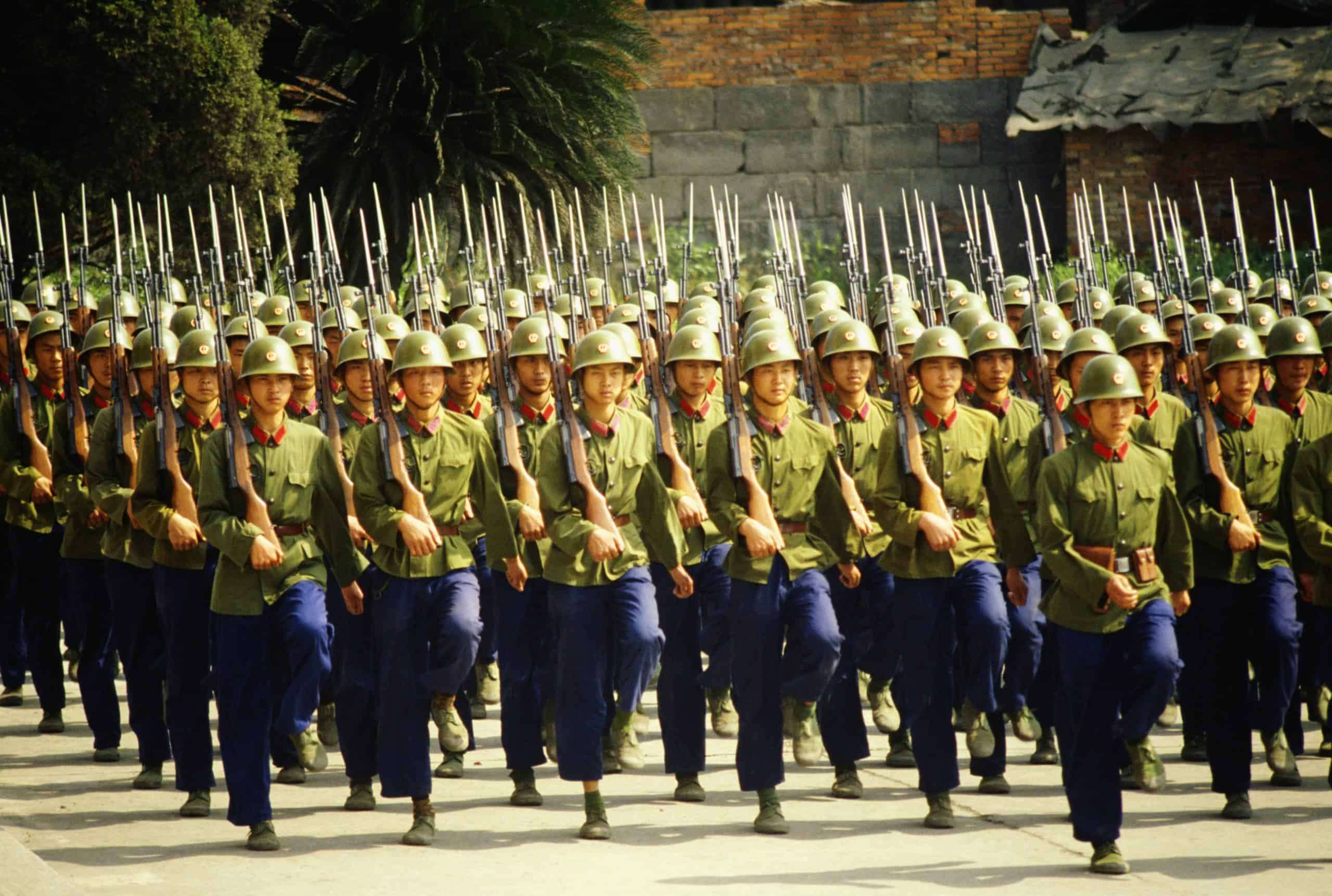
Chinese military.
Active forces
- China: 2,035,000
- Taiwan: 215,000
Fit for service
- China: 626,022,281
- Taiwan: 1,061,488
#2 Finances
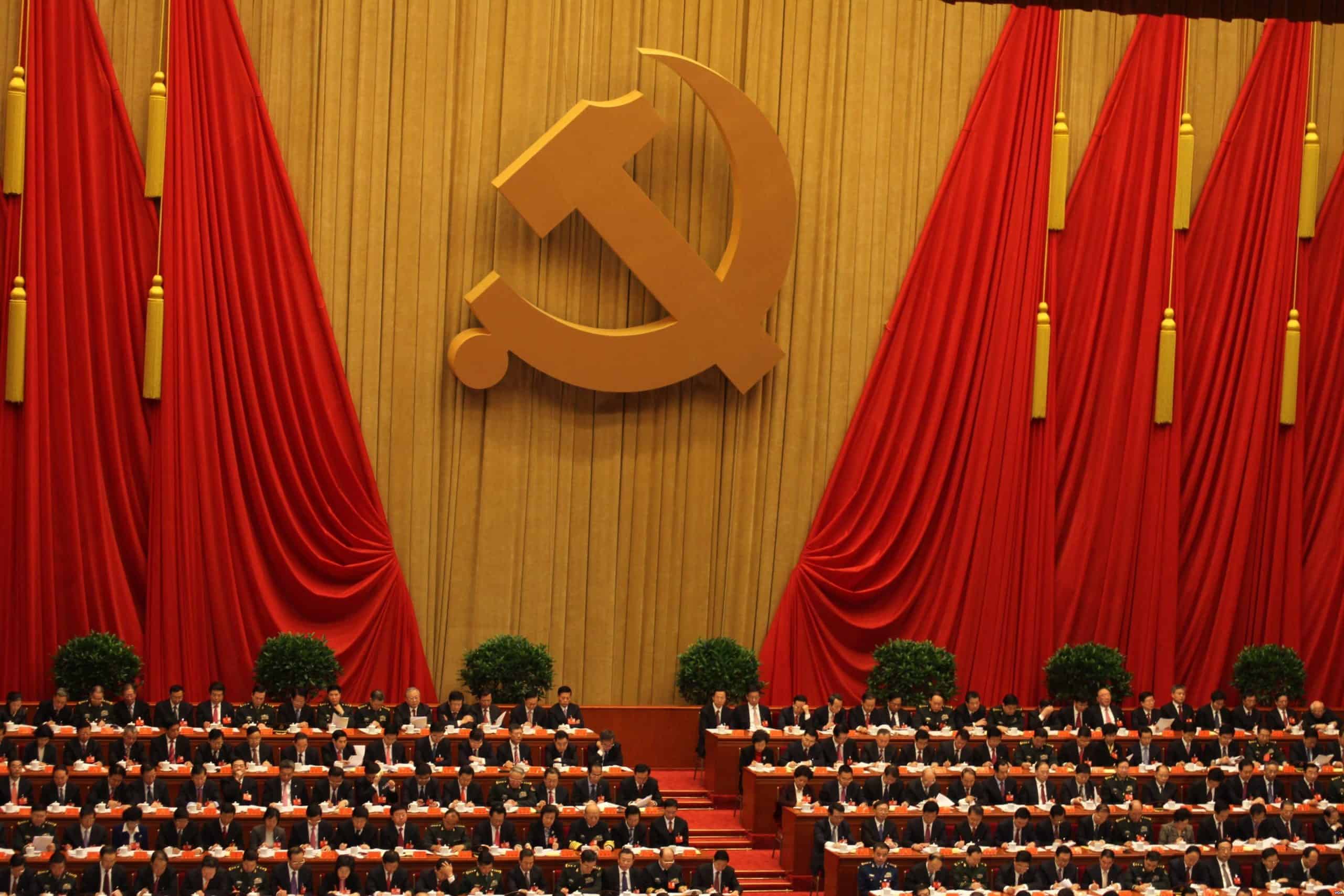
Chinese government.
Defense Budget
- China: $227,000,000,000
- Taiwan: $19,100,000,000
#3 Airpower
Chinese missiles.
Total aircraft
- China: 3,304
- Taiwan: 750
Fighter aircraft
- China: 1,207
- Taiwan: 286
Helicopters
- China: 913
- Taiwan: 236
#4 Land Power
Chinese military.
Tanks
- China: 5,000
- Taiwan: 1,010
Armored Vehicles
- China: 174,300
- Taiwan: 19,868
#5 Naval Power
Chinese aircraft.
Fleet ships
- China: 730
- Taiwan: 93
Submarines
- China: 61
- Taiwan: 4
#6 Logistics
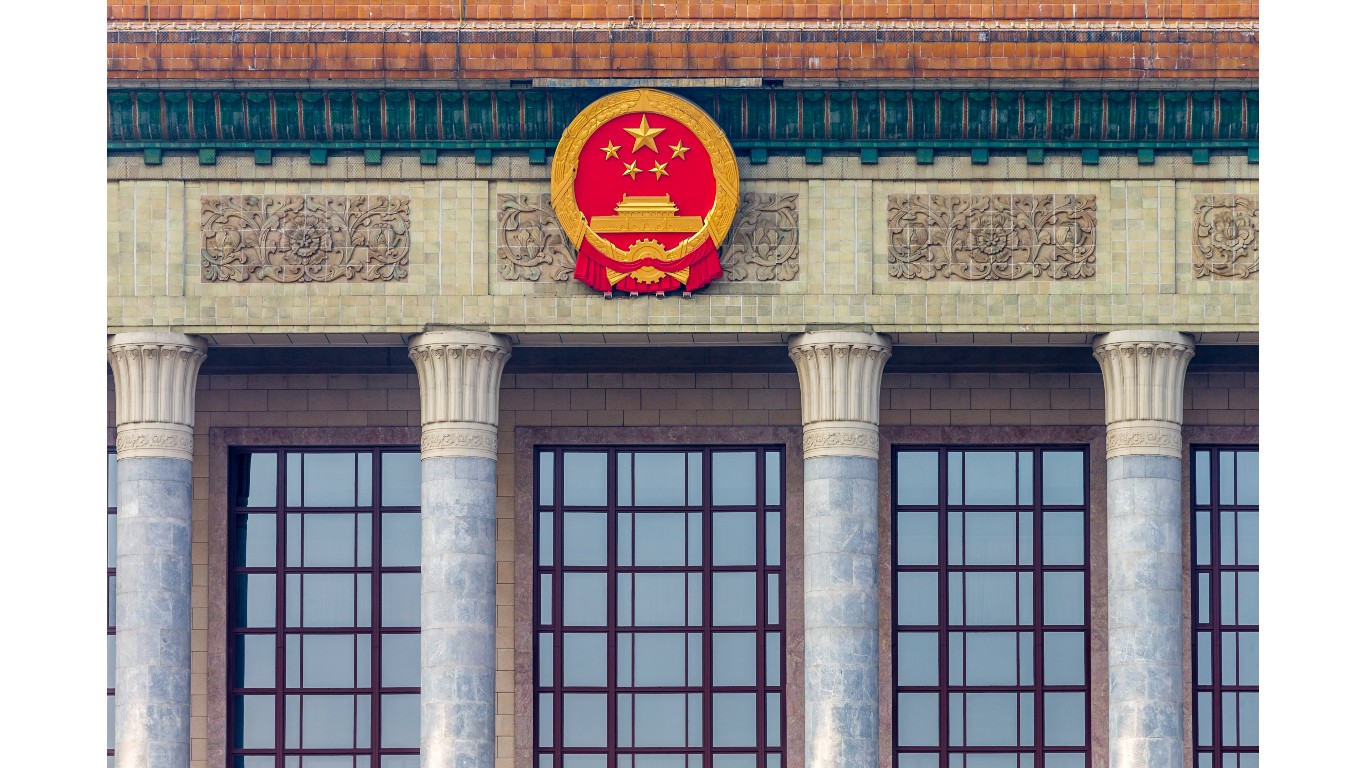
Chinese government.
Airports
- China: 507
- Taiwan: 37
Ports
- China: 22
- Taiwan: 6
Labor force
- China: 791,383,000
- Taiwan: 11,498,000
#7 Natural Resources
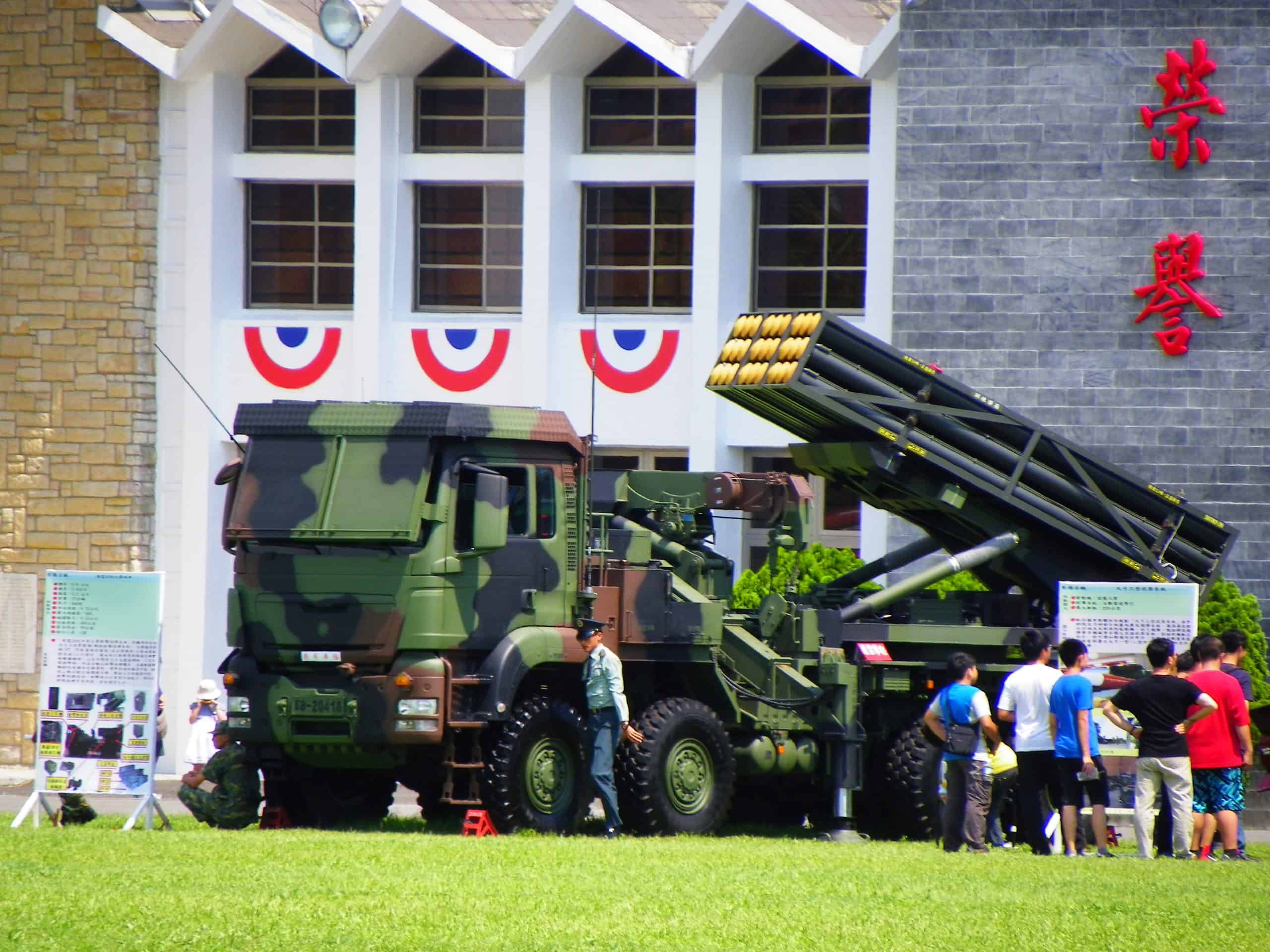
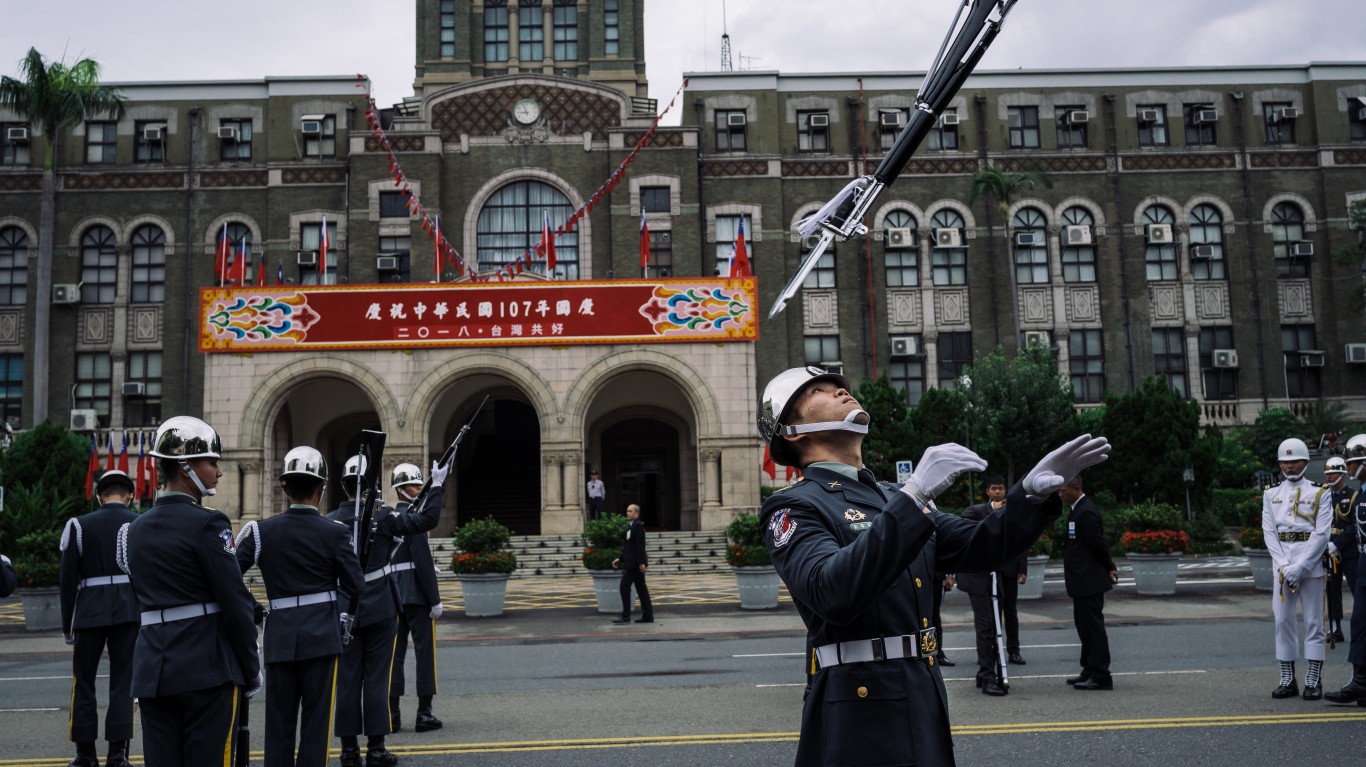
Taiwan military on display.
Oil production
- China: 4,715,000bbl
- Taiwan: 800bbl
Natural gas production
- China: 179,317,495,000bbl
- Taiwan: 150,589,000bbl
#8 Geography
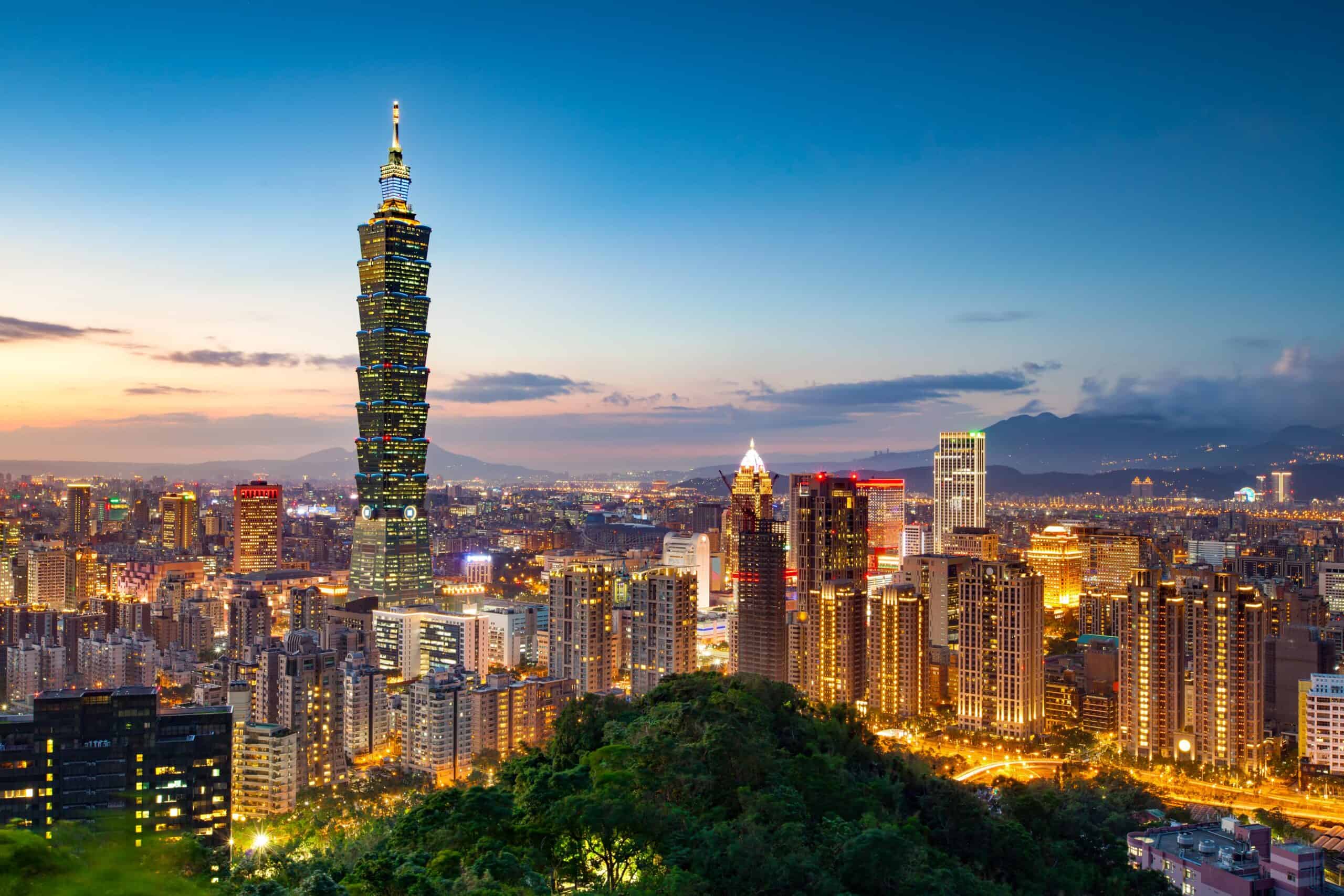
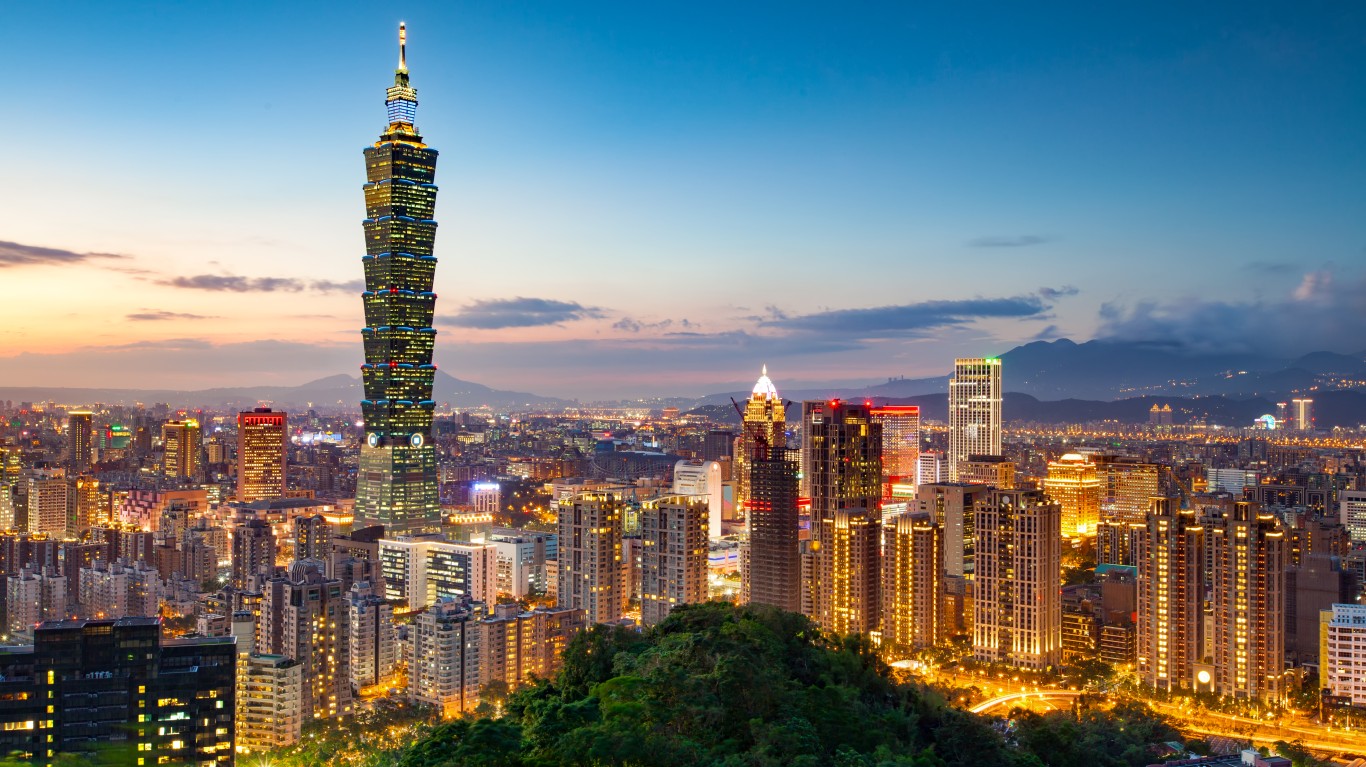
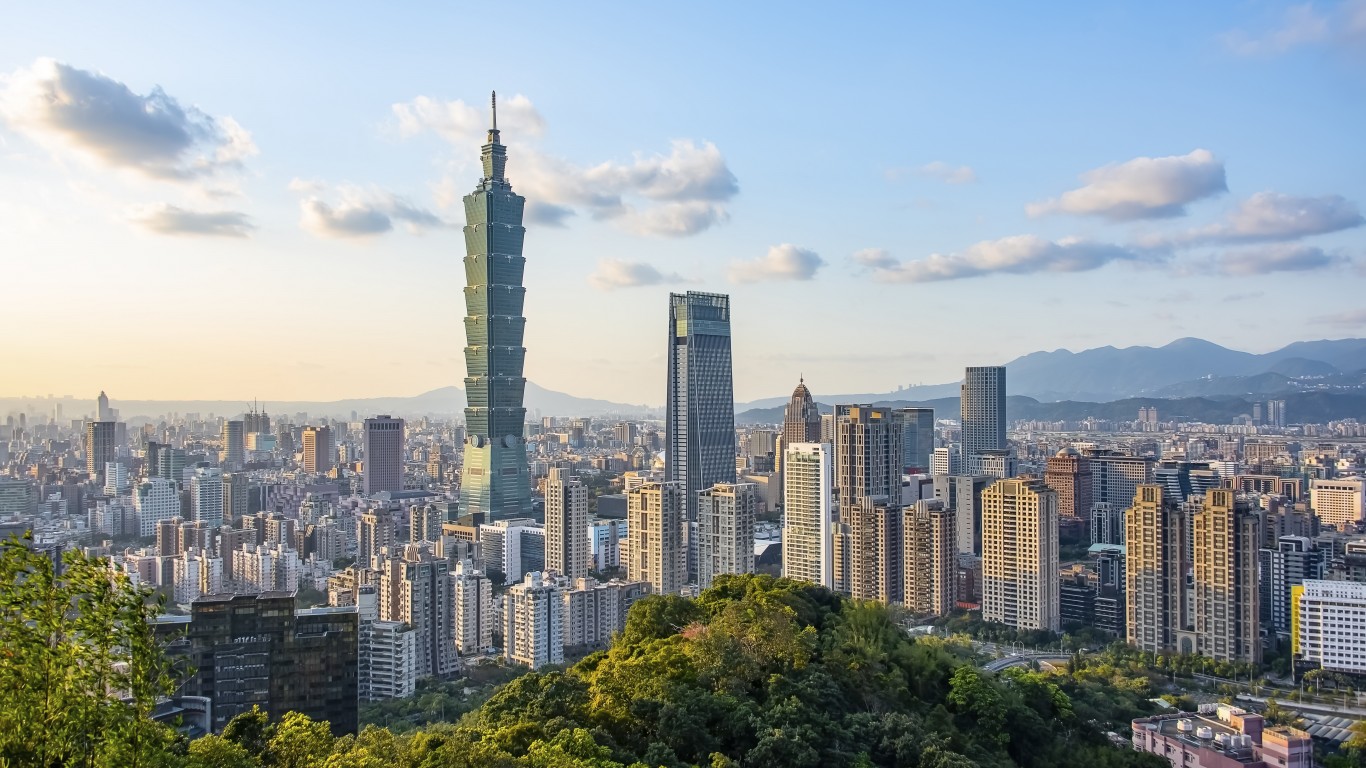
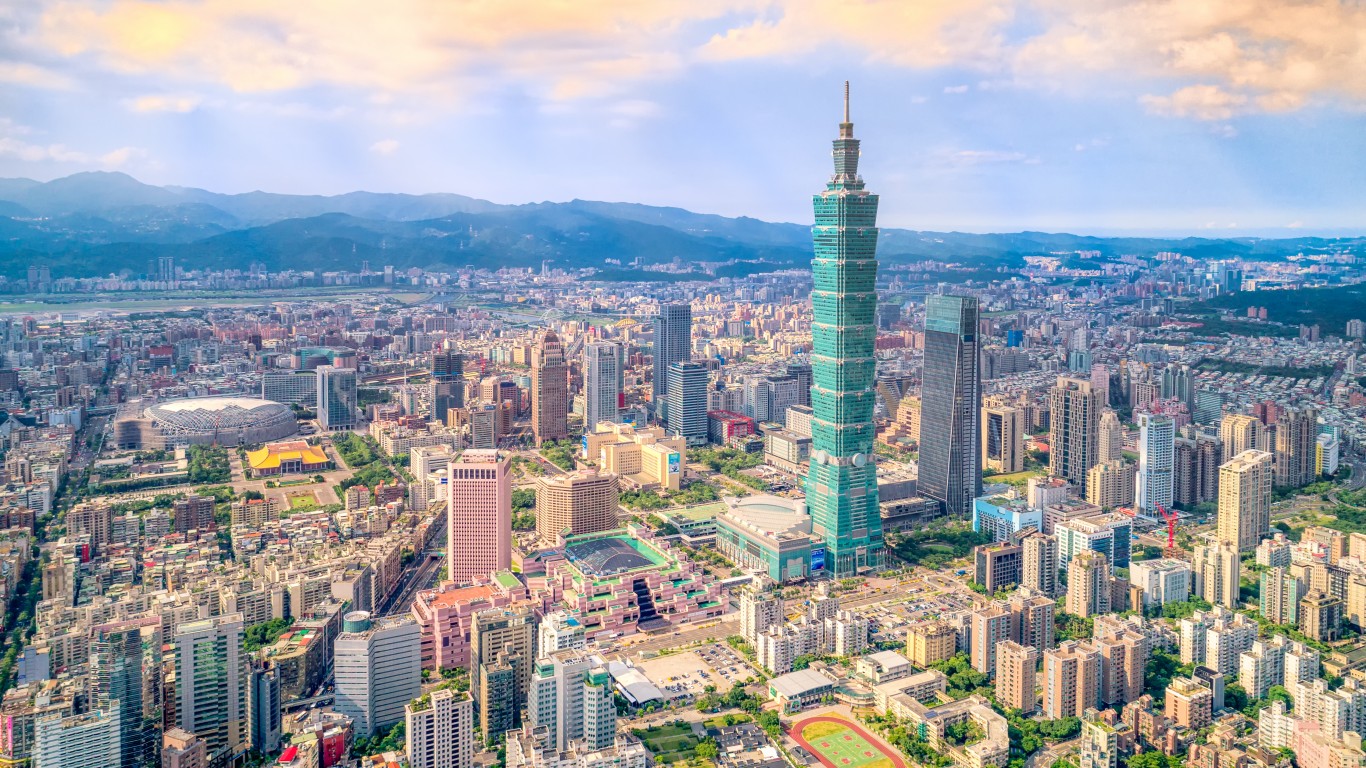
A photo of Taiwan.
Shared border
- China: 22,457km
- Taiwan: Zero
#9 Allied Support
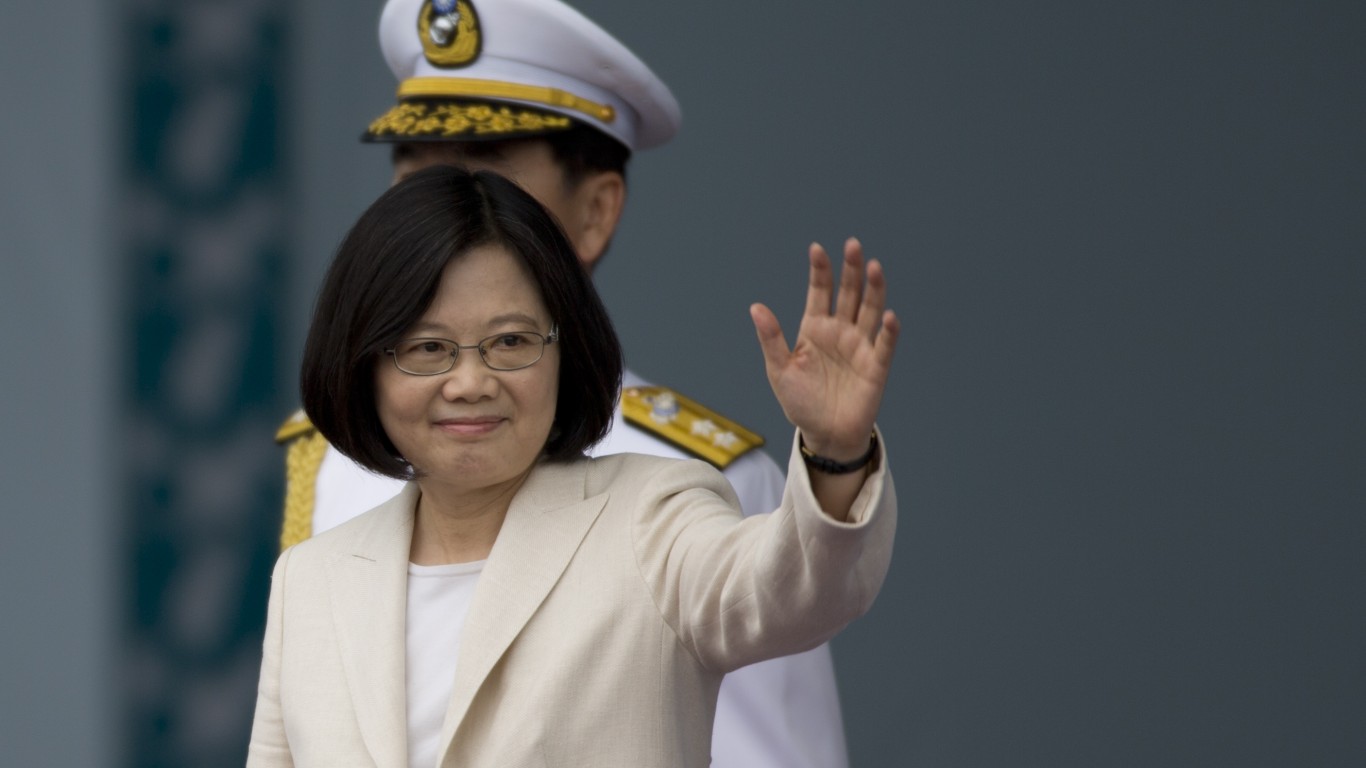
A photo of Taiwan government.
There is no explicit guarantee in any treaty or partnership that other nations will defend Taiwan in the event of a Chinese invasion. However, President Joe Biden did say that the United States would intervene if China did invade, but other government officials walked that comment back, saying that the non-intervention policy of the U.S. has not changed.
Japan has an outstanding policy of military intervention in its region if any country is invaded, so it might automatically join a possible war.
The Australia, New Zealand, United States Security Treaty might include those nations in a possible conflict, as well.
It is difficult to determine which countries, if any, would join China as the aggressor.
#10 Arms Purchases
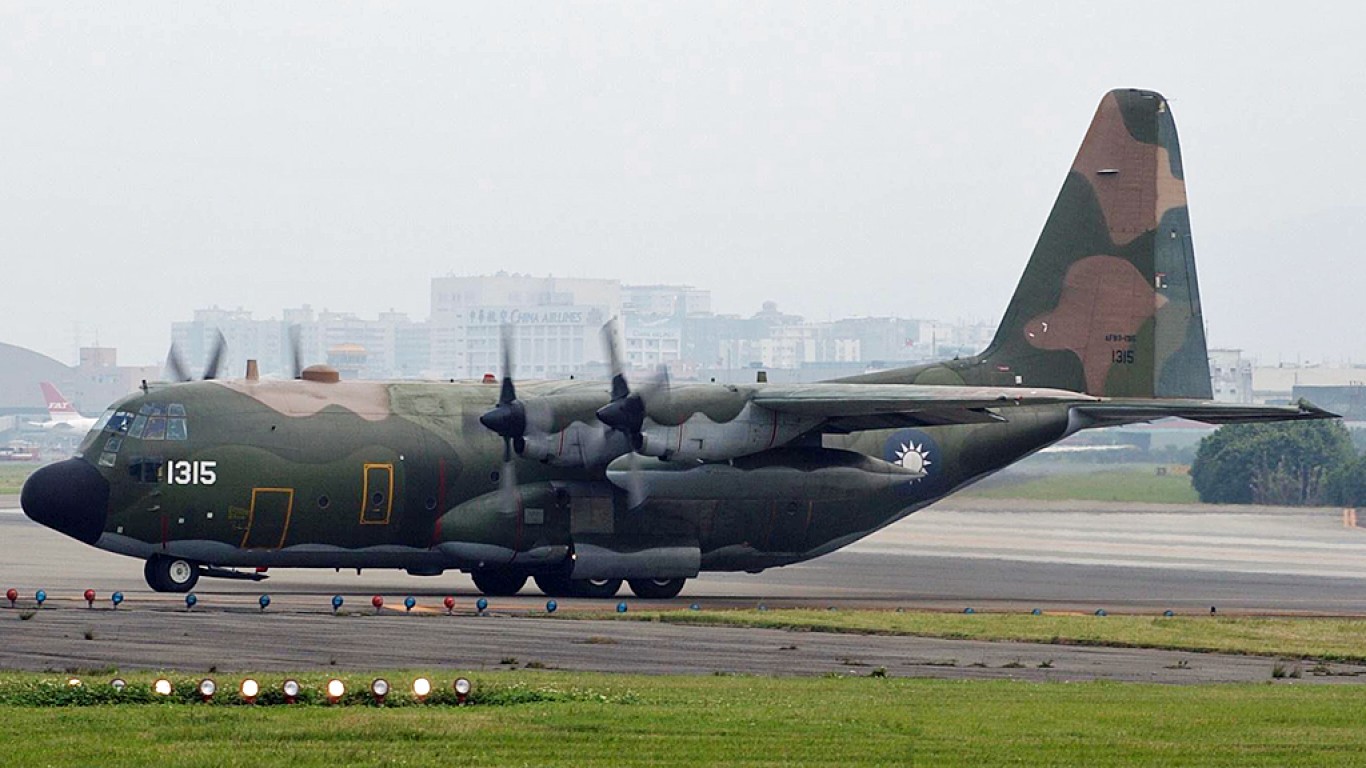
A photo of Taiwan’s air force.
Taiwan has purchased military equipment from the United States and other countries. This includes 108 M1 Abrams battle tanks, 18 MK-48 Mod 6 Advanced Torpedoes, and 250 FIM-92 Stinger missiles, among other military equipment.
#11 Training and Exercises
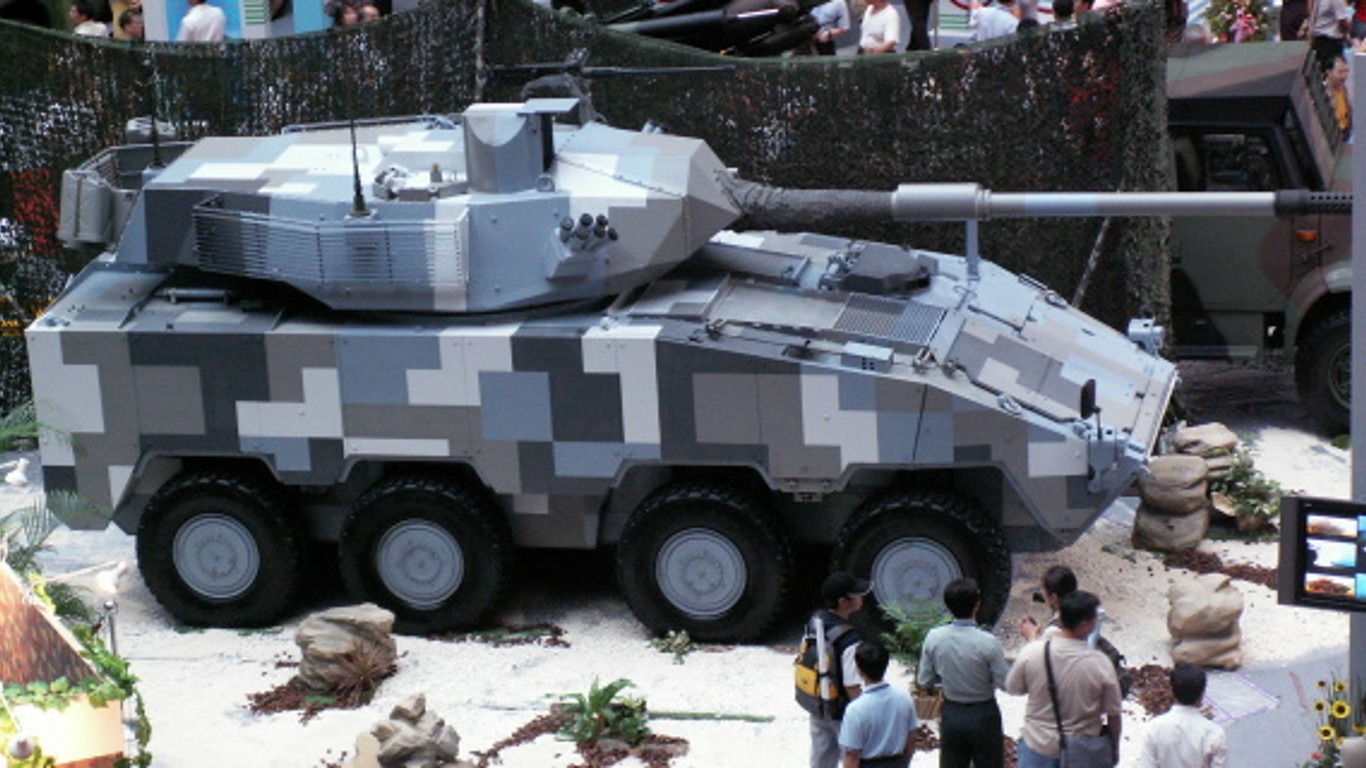
A Taiwanese military vehicle.
The United States and Taiwan have maintained close military ties, with both countries participating in training and military exercises together. It sends military personnel to the island of Taiwan itself either secretly or as part of an unofficial delegation.
The United States also supports the Taiwanese Air Force through training and air-to-air refueling.
#12 Taiwan’s Strategy
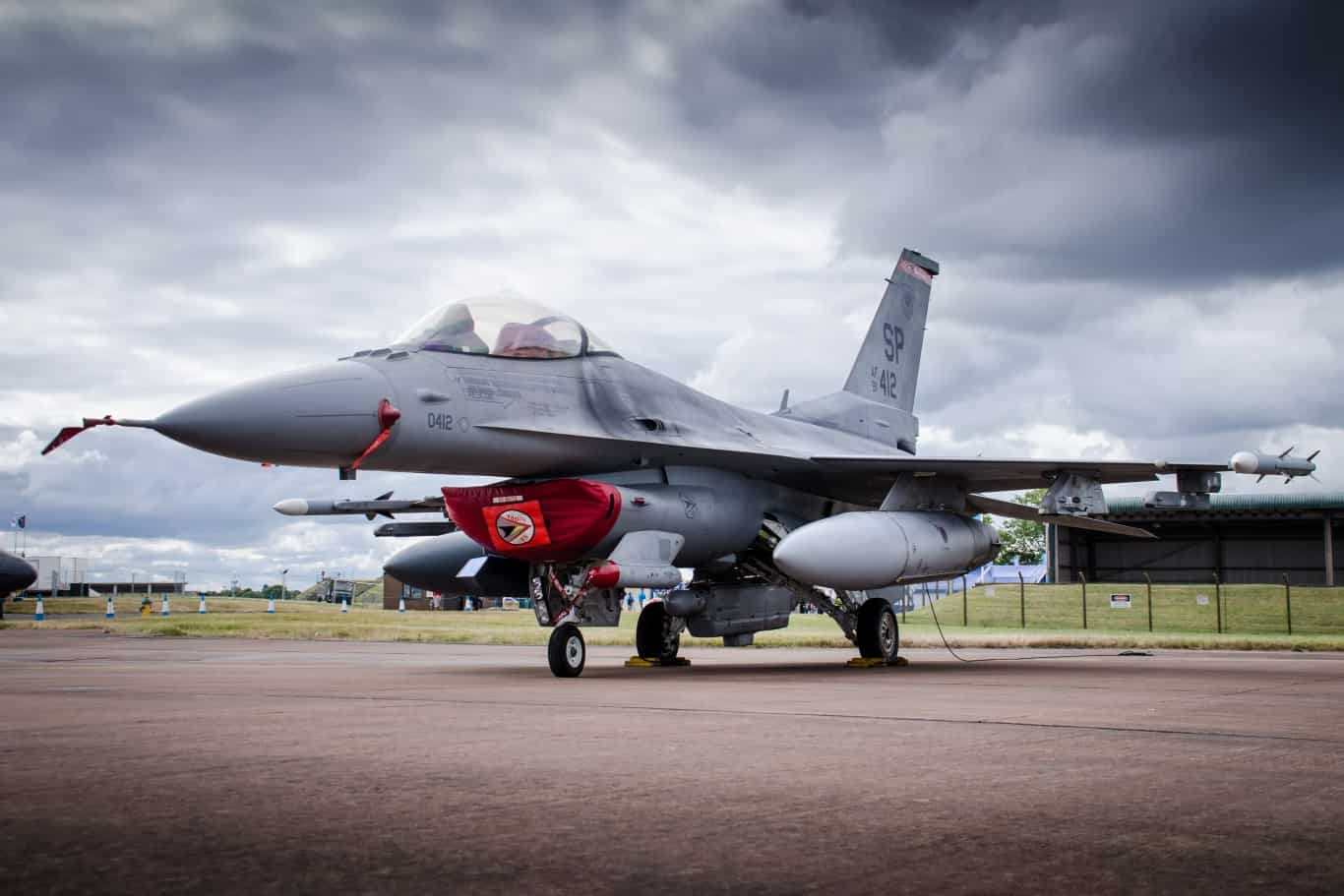
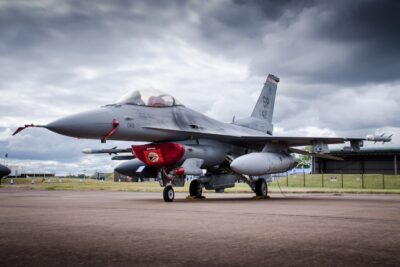
An f-16 owned by Taiwan.
The Porcupine Strategy is the military doctrine practiced by Taiwan in preparation for a hypothetical invasion by China.
This strategy focuses on fighting an asymmetric war against a more numerous and more advanced Chinese army. It is part of the Overall Defense Concept of Taiwan.
The plan, based on war games, predicts that Taiwan’s navy will be quickly destroyed without making any meaningful contribution to the war effort, and any aircraft not stored underground will also be quickly destroyed, leaving only the army and small arms to defend the island.
It places importance on Taiwan carrying out an effective resistance until the United States can intervene and eliminate the Chinese fleet.
#13 China’s Strategy
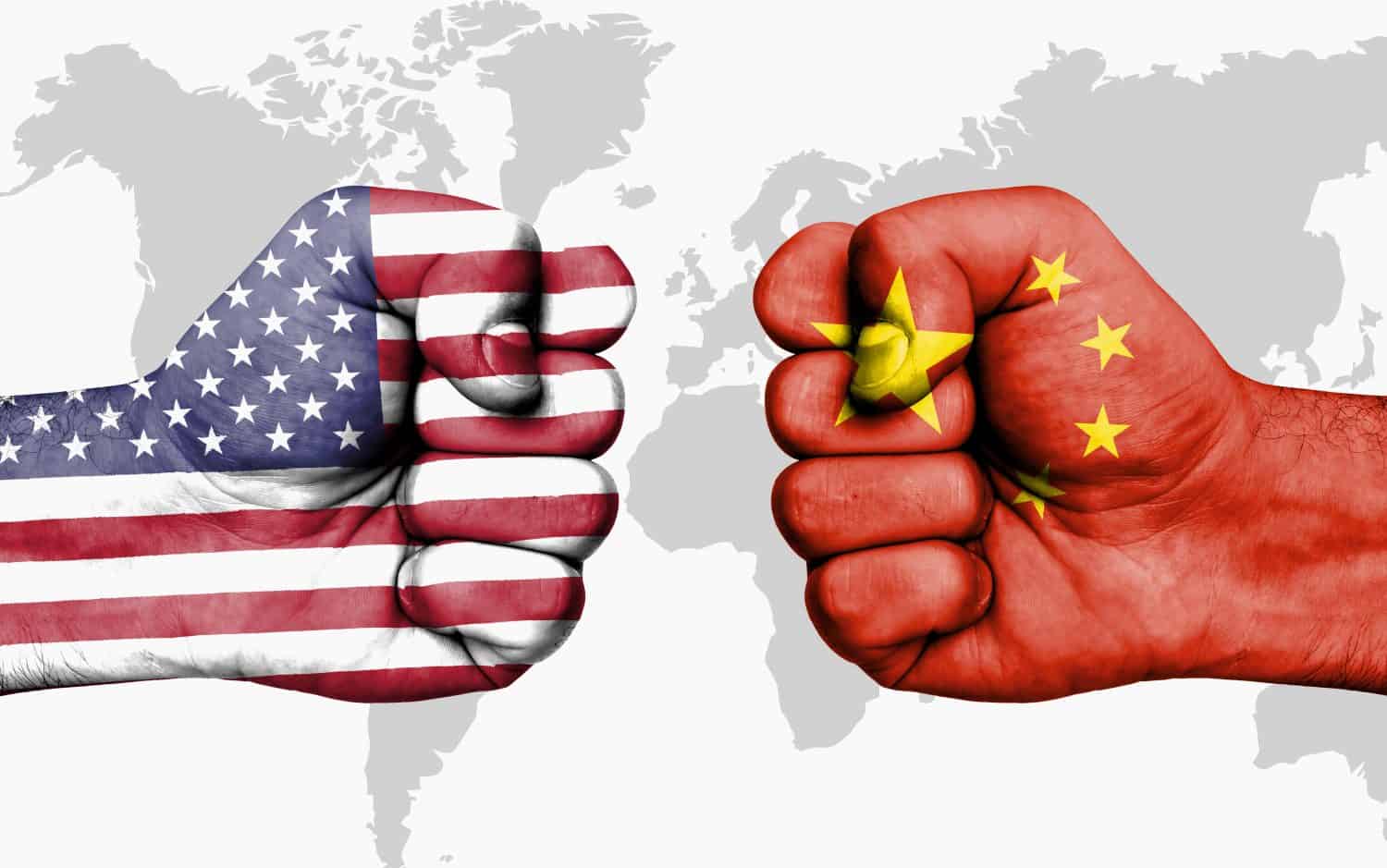
An image of China vs. USA.
It is unknown what the Chinese strategy might be in the event of an invasion, though all war games and simulations point to China wanting to end the conflict as soon as possible through the elimination of Taiwanese military assets and sizing political leadership. Any delay in the invasion increases the likelihood that the United States and other countries will get involved. It remains unknown if any countries will come to Taiwan’s aid if war does happen.
#14 Nuclear Arms
A Chinese flag with nuclear missiles.
China has one of the largest stockpiles of nuclear weapons, including nuclear-capable hypersonic missiles. Taiwan has no nuclear weapons.
#15 Space Forces

Chinese flag and missile.
China maintains several satellite systems and retaliatory and preventative military measures. It has successfully tested anti-satellite missiles and other weapons.
Taiwan does not control any satellite constellations or have any anti-satellite capabilities.
#16 Arms Imports
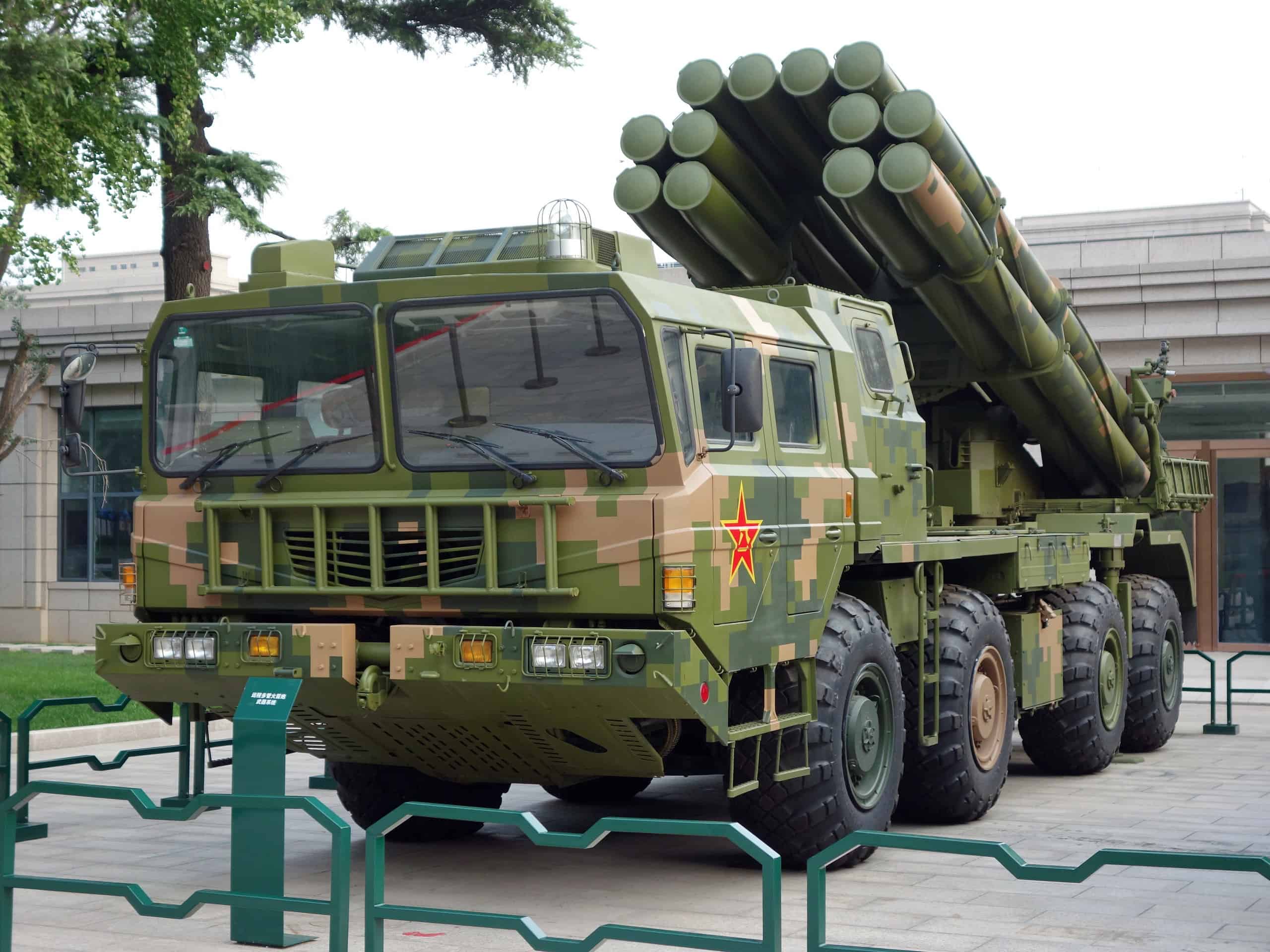
A Chinese rocket truck.
China has made massive progress in becoming self-sustaining when it comes to arms manufacturing. A majority of what it does need comes from Russia, with whom it shares a significant border. If a conflict does come, it is impossible for Taiwan and its allies to blockade China and stop Russia from importing guns and ammunition.
On the other hand, Taiwan has no border nations, and as an island, it will be easy for China to surround the island and starve it for resources and ammunition. Taiwan relies on its allies for many of its guns and ammunition.
Conclusion
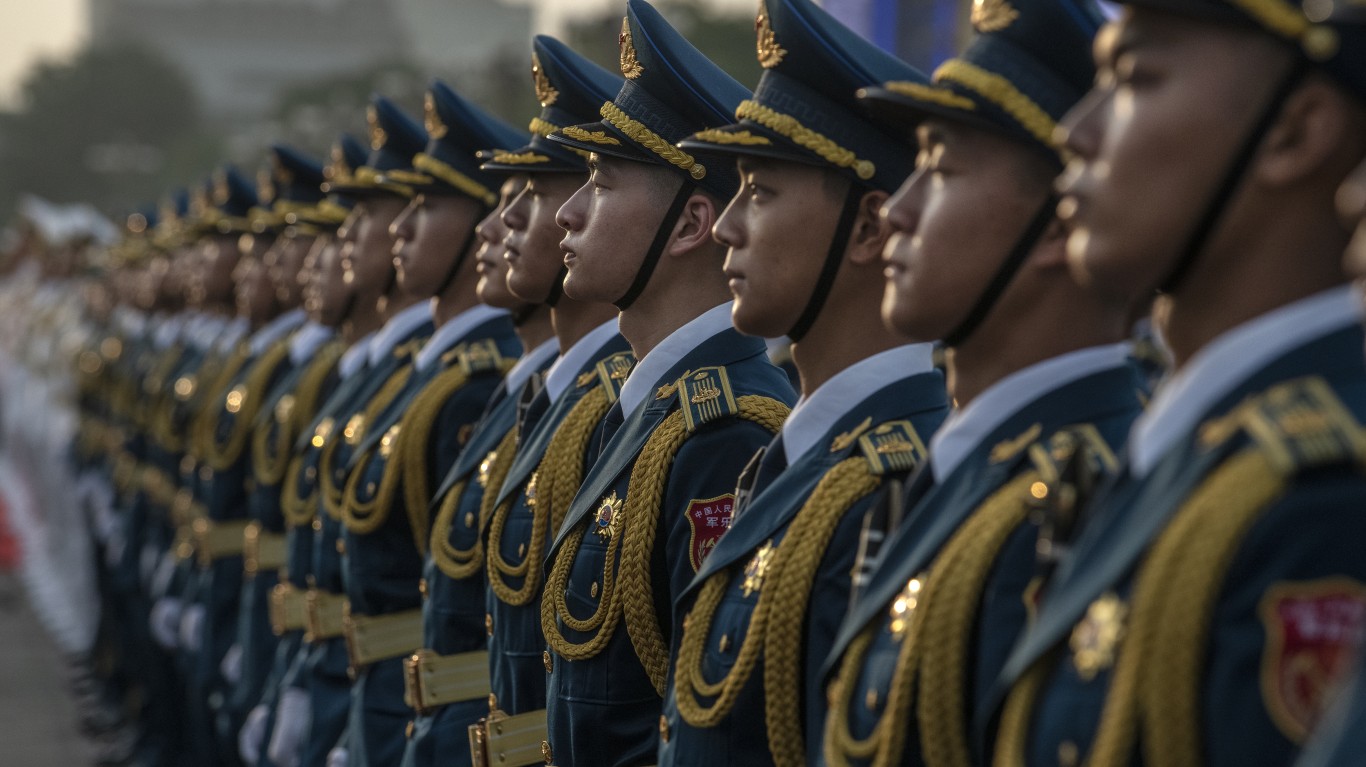
The Chinese military.
Even with military aid and allied support, it is unlikely Taiwan would come out victorious after a Chinese invasion of the island. However, the destruction of the status quo, immense loss of resources and manpower, and possible shunning by the international community are what probably keep China from acting on its One-China policy. A best-case scenario for Taiwan in the conflict would be a white peace or an agreement that solidifies Taiwan’s puppet status.







 Top Gaining Stocks
 Top Losing Stocks