


Dating back to the Islamic Revolution of 1979, Iran has continued to push for paramilitary strength. With roughly 220,000 paramilitary forces at its disposal, Iran is home to one of the largest internal security forces in the Middle East. These forces take the form of the Basij and Islamic Revolutionary Guard Corps (IRGC) which serve a couple purposes. These forces serve as a means of domestic security, among other things. Although there are larger paramilitary forces within the region, Iran’s forces are well known and internationally recognized. Here, 24/7 Wall St. is exploring the paramilitary forces of the Middle East.
To identify the Middle Eastern countries with the most paramilitary personnel, 24/7 Wall St. reviewed the 2025 Military Strength Ranking from Global Firepower, an annually updated defense-related statistics website with information on 145 countries. Countries were ranked on the total number of paramilitary personnel. We included supplemental information regarding total personnel, active personnel, reserves, total population, and fit-for-service, as well as the overall military strength score and defense budget. Countries without paramilitary forces were excluded.
Here is a look at the countries with the largest paramilitary forces in the Middle East:
Why Are We Covering This?
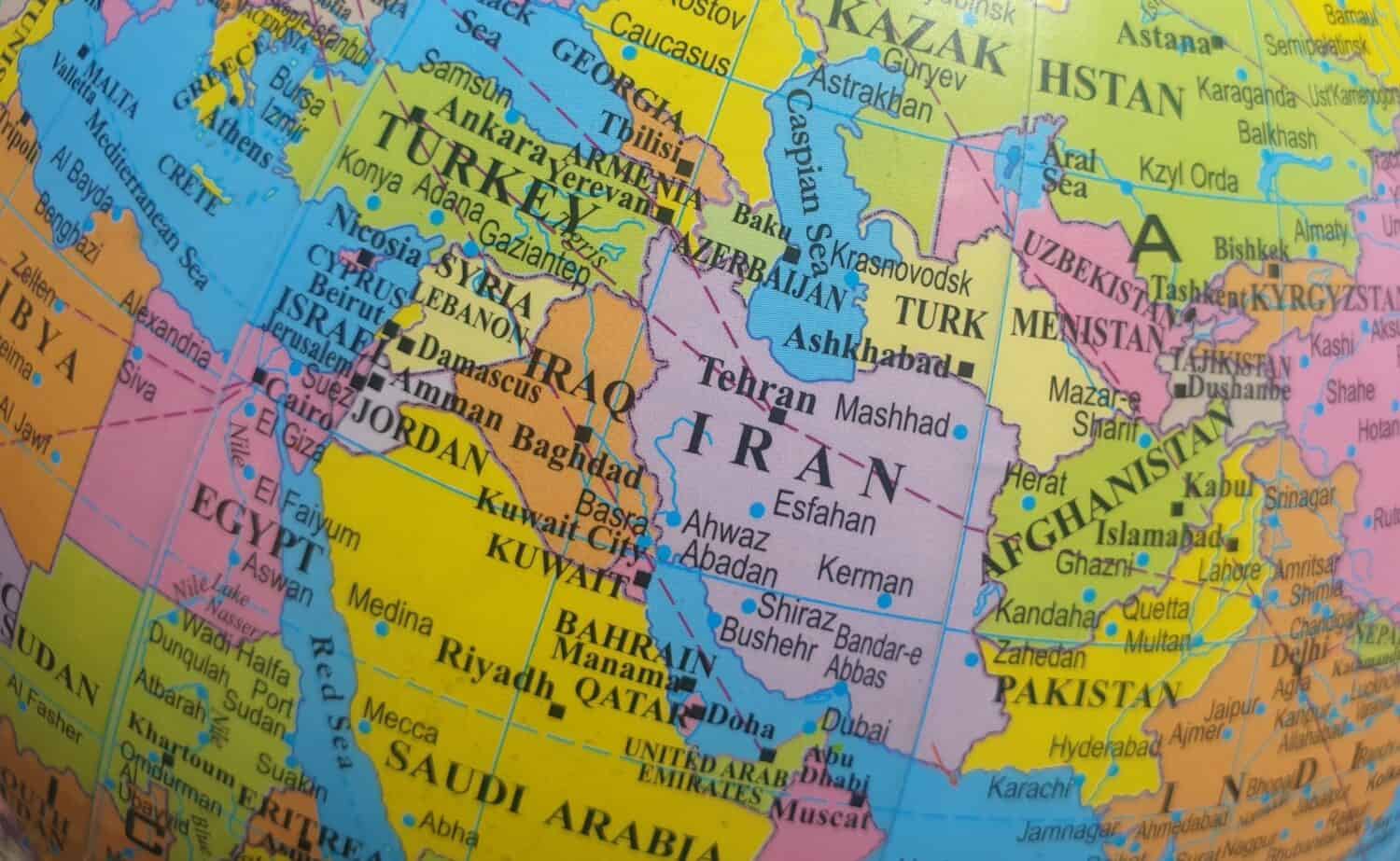
Understanding the military dynamics in the Middle East is essential given the region’s historical and ongoing geopolitical tensions. For decades, the Middle East has been shaped by conflicts, religious divisions, and territorial disputes, making it a hotspot for conflict. Whether it’s Iran’s growing influence or the strategic role of countries like Saudi Arabia and Israel, the military forces in this region heavily influence global security and energy markets.
17. Bahrain
- Paramilitary forces: 1,500
- Active personnel: 18,400
- Reserves: 110,000
- Total military personnel: 129,900
- Total population: 1,566,888
- Fit-for-service: 720,768
- Military defense budget: $1,597,200,000 – #75 out of 145
- Military strength score and world rank: 1.7448 – #81 out of 145
Outside of its troops, Bahrain also has a total of 132 military aircraft, 2,764 military vehicles (including 150 tanks and 17 MLRS units), as well as 64 ships and/or submarines at its disposal.
Bahrain may be one of the smaller Middle Eastern nations, but its strategic location in the Persian Gulf has given it outsized importance. Historically, this island nation was occupied by the Portuguese in the 16th century, then came under Persian and Ottoman influence before becoming a British protectorate in the 19th century. Gaining independence in 1971, Bahrain established its own military and defense forces, steadily building its capabilities. Its long-standing ties with Western powers, particularly the U.S. and U.K., have helped modernize its forces, especially its navy.
16. Qatar

- Paramilitary forces: 5,500
- Active personnel: 66,550
- Reserves: 15,000
- Total military personnel: 87,050
- Total population: 2,552,088
- Fit-for-service: 490,001
- Military defense budget: $9,432,000,000 – #34 out of 145
- Military strength score and world rank: 1.4307 – #72 out of 145
Outside of its troops, Qatar also has a total of 251 military aircraft, 5,024 military vehicles (including 99 tanks and 16 MLRS units), as well as 115 ships and/or submarines at its disposal.
Located on the Arabian Peninsula, Qatar maintains vast natural gas and oil reserves. Since gaining independence from Britain in 1971, Qatar has rapidly modernized its armed forces, fueled by its rising economic power from energy exports. Like other nations in the region, Qatar has acquired advanced military technology from Western powers. Qatar is also particularly focused on building up its naval capabilities to defend its coastline and safeguard its energy infrastructure.
15. Kuwait
![Kuwait kicks off month of 50/20 festivities at Qaruh Island [Image 3 of 5] by DVIDSHUB](https://live.staticflickr.com/5018/5392415859_e73372d716_b.jpg "Kuwait kicks off month of 50/20 festivities at Qaruh Island [Image 3 of 5] by DVIDSHUB")
- Paramilitary forces: 7,500
- Active personnel: 72,000
- Reserves: 24,000
- Total military personnel: 103,500
- Total population: 3,138,355
- Fit-for-service: 1,449,920
- Military defense budget: $6,950,000,000 – #41 out of 145
- Military strength score and world rank: 1.6982 – #79 out of 145
Outside of its troops, Kuwait also has a total of 128 military aircraft, 5,636 military vehicles (including 367 tanks and 27 MLRS units), as well as 123 ships and/or submarines at its disposal.
Kuwait’s strategic location at the northern edge of the Persian Gulf has long shaped its military history. This nation was once under Ottoman rule, but it became a British protectorate before gaining independence in 1961. The most defining chapter came in 1990, when Iraq invaded Kuwait over oil disputes and debt, leading to the Gulf War. An international coalition intervened to liberate the country. The invasion showed Kuwait’s vulnerability and reinforced its need for strong defense partnerships, particularly with Western allies.
14. Oman
- Paramilitary forces: 10,000
- Active personnel: 42,600
- Reserves: 100,000
- Total military personnel: 152,600
- Total population: 3,901,992
- Fit-for-service: 1,291,559
- Military defense budget: $8,200,000,000 – #36 out of 145
- Military strength score and world rank: 1.8047 – #82 out of 145
Outside of its troops, Oman also has a total of 128 military aircraft, 4,084 military vehicles (including 150 tanks), as well as 22 ships and/or submarines at its disposal.
Oman was a formidable empire in the 17th and 18th centuries, with naval strength and colonies across the Indian Ocean that allowed it to push back against Portuguese and Persian influence. Its military capabilities advanced significantly in the 19th century through an alliance with the British Empire, which helped modernize its forces as well. In recent decades, Oman has largely stayed neutral in regional conflicts, choosing instead to prioritize national defense.
13. United Arab Emirates
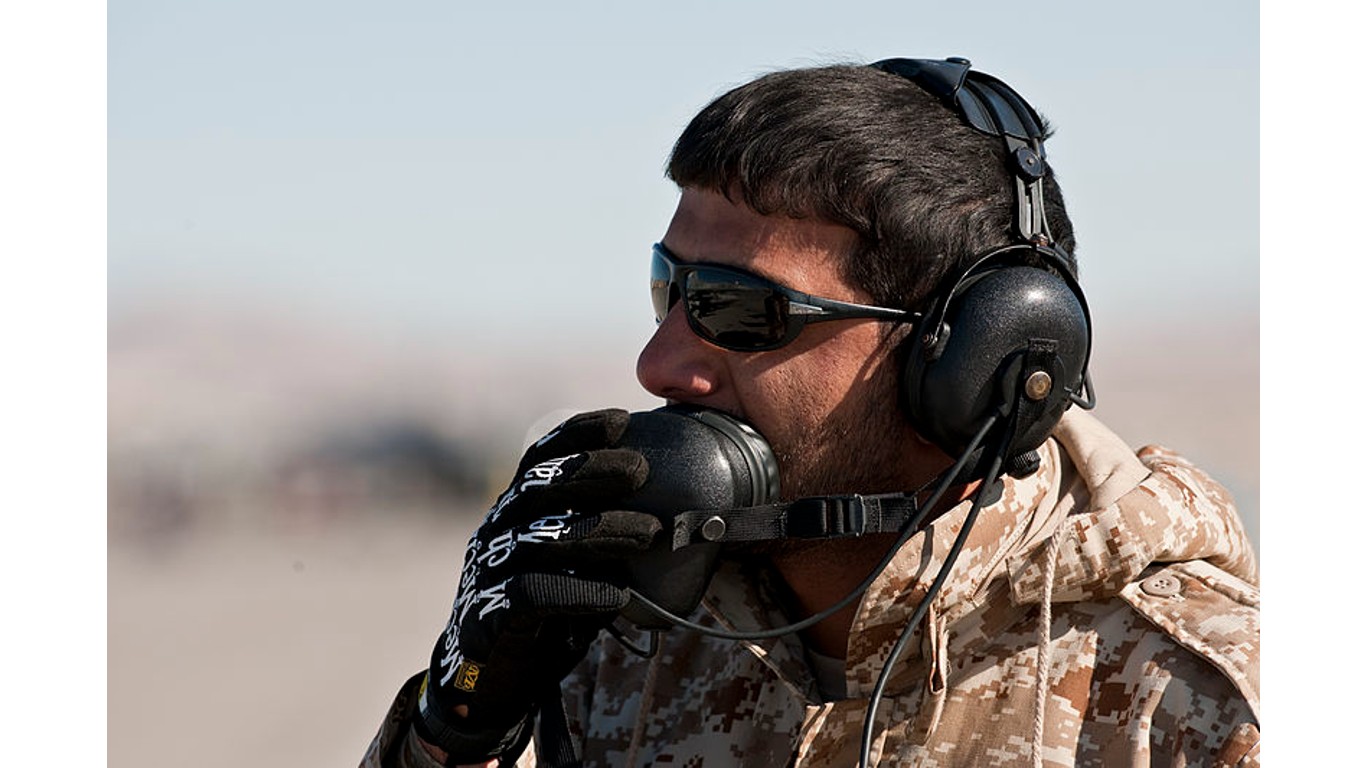
- Paramilitary forces: 12,000
- Active personnel: 65,000
- Reserves: 130,000
- Total military personnel: 207,000
- Total population: 10,032,213
- Fit-for-service: 4,945,881
- Military defense budget: $2,212,360,382 – #70 out of 145
- Military strength score and world rank: 1.0186 – #54 out of 145
Outside of its troops, the United Arab Emirates (UAE) also has a total of 551 military aircraft, 8,707 military vehicles (including 354 tanks and 49 MLRS units), as well as 181 ships and/or submarines at its disposal.
The UAE has a relatively young but dynamic military history. Formed in 1971 through the union of seven emirates, the country prioritized building a modern military. With weaponry largely supplied by the U.S. and France, the UAE has taken part in operations in the Gulf War, Yemen, and against ISIS. Despite its small size, the UAE has established military bases in the Horn of Africa and other strategic regions
12. Yemen
- Paramilitary forces: 20,000
- Active personnel: 66,700
- Reserves: 0
- Total military personnel: 86,700
- Total population: 32,140,443
- Fit-for-service: 9,031,464
- Military defense budget: $810,375,000 – #94 out of 145
- Military strength score and world rank: 1.8901 – #85 out of 145
Outside of its troops, Yemen also has a total of 84 military aircraft, 550 military vehicles (including 10 MLRS units), as well as 33 ships and/or submarines at its disposal.
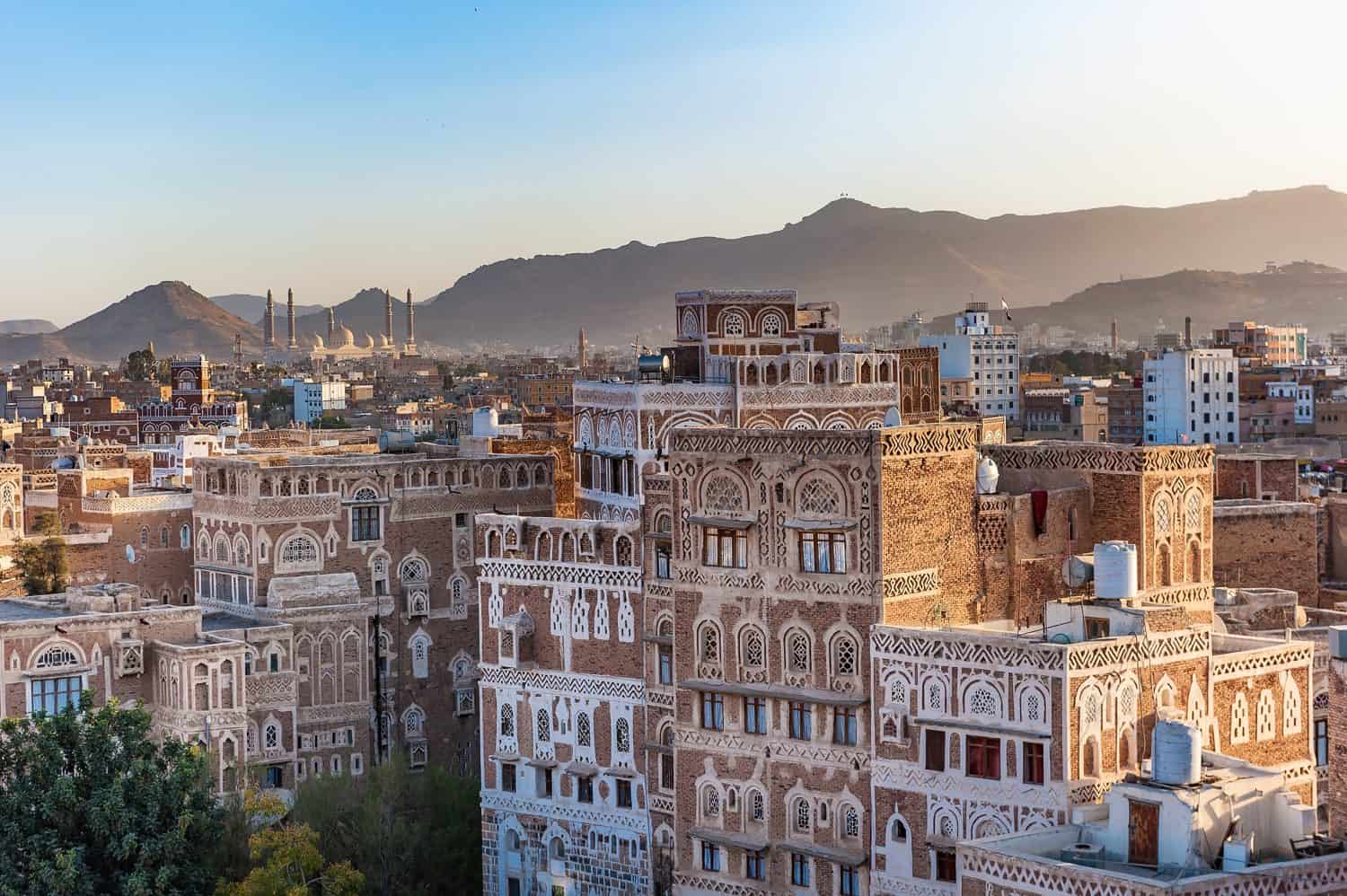
Yemen is currently a warzone. The country has been in a civil war since 2014, while this conflict is fairly complex in terms of the breakdown, there is a religious aspect that simplifies it along Sunni and Shia lines. Also, countries like Saudi Arabia and Iran have been involving themselves in providing weapons or aid to the opposing factions.
11. Israel
- Paramilitary forces: 35,000
- Active personnel: 170,000
- Reserves: 465,000
- Total military personnel: 670,000
- Total population: 9,402,617
- Fit-for-service: 3,281,513
- Military defense budget: $30,500,000,000 – #17 out of 145
- Military strength score and world rank: 0.2661 – #15 out of 145
Outside of its troops, Israel also has a total of 611 military aircraft, 35,985 military vehicles (including 1,300 tanks and 183 MLRS units), as well as 62 ships and/or submarines at its disposal.
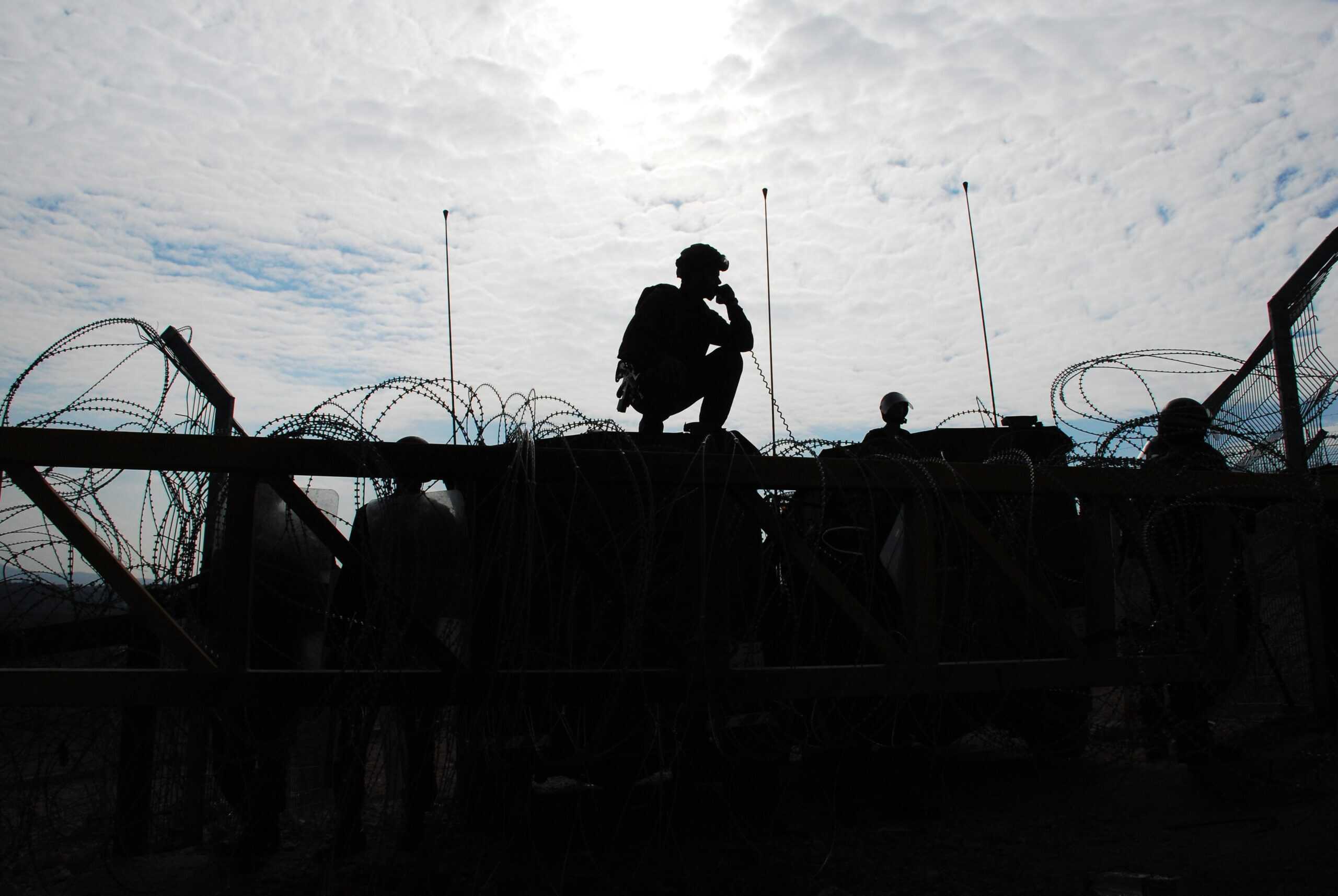
Israel’s military history is central to its national identity, reinforced by compulsory service for most citizens. Founded in 1948, Israel was immediately thrust into war with neighboring Arab states. Since then, it has remained at the heart of regional conflict, even continuing to this day. Key wars include the Suez Crisis, Six-Day War, and Yom Kippur War, along with repeated clashes in Lebanon. In many of these, Israel not only survived but expanded its territory. Its most recent conflict with Iran has raised more questions than it has answered, and the fallout of this is still yet to be seen in its entirety.
10. Jordan
- Paramilitary forces: 35,000
- Active personnel: 100,500
- Reserves: 65,000
- Total military personnel: 200,500
- Total population: 11,174,024
- Fit-for-service: 2,983,464
- Military defense budget: $2,500,000,000 – #65 out of 145
- Military strength score and world rank: 1.6139 – #76 out of 145
Outside of its troops, Jordan also has a total of 274 military aircraft, 16,624 military vehicles (including 1,458 tanks and 56 MLRS units), as well as 27 ships and/or submarines at its disposal.
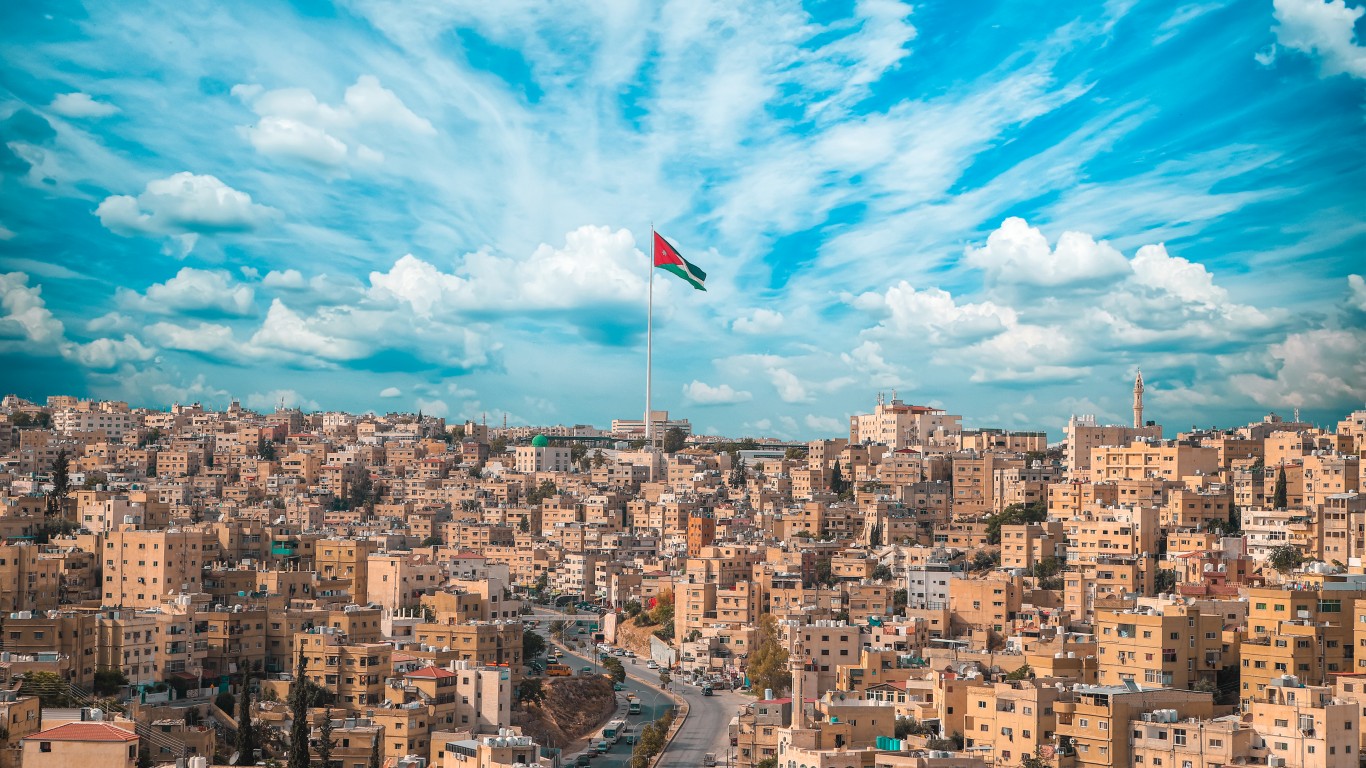
Jordan, like many other of these Middle Eastern nations, has a rich military history. The Hashemite Kingdom was formed after World War I from the remnants of the Ottoman Empire and gained full independence from Britain in 1946. Jordan fought in a few conflicts with Israel, including the 1948 Arab-Israeli War and the 1967 Six-Day War, where it lost the West Bank. These wars would define its modern borders and military posture. Today, Jordan maintains strong ties with Western powers, supports military modernization, and plays a stabilizing role in the region, having served as a mediator in peace talks.
9. Syria
- Paramilitary forces: 50,000
- Active personnel: 170,000
- Reserves: 50,000
- Total military personnel: 270,000
- Total population: 23,865,423
- Fit-for-service: 13,245,310
- Military defense budget: $291,850,000 – #124 out of 145
- Military strength score and world rank: 1.2771 – #64 out of 145
Outside of its troops, Syria also has a total of 207 military aircraft, 11,148 military vehicles (including 365 tanks and 204 MLRS units), as well as 27 ships and/or submarines at its disposal.
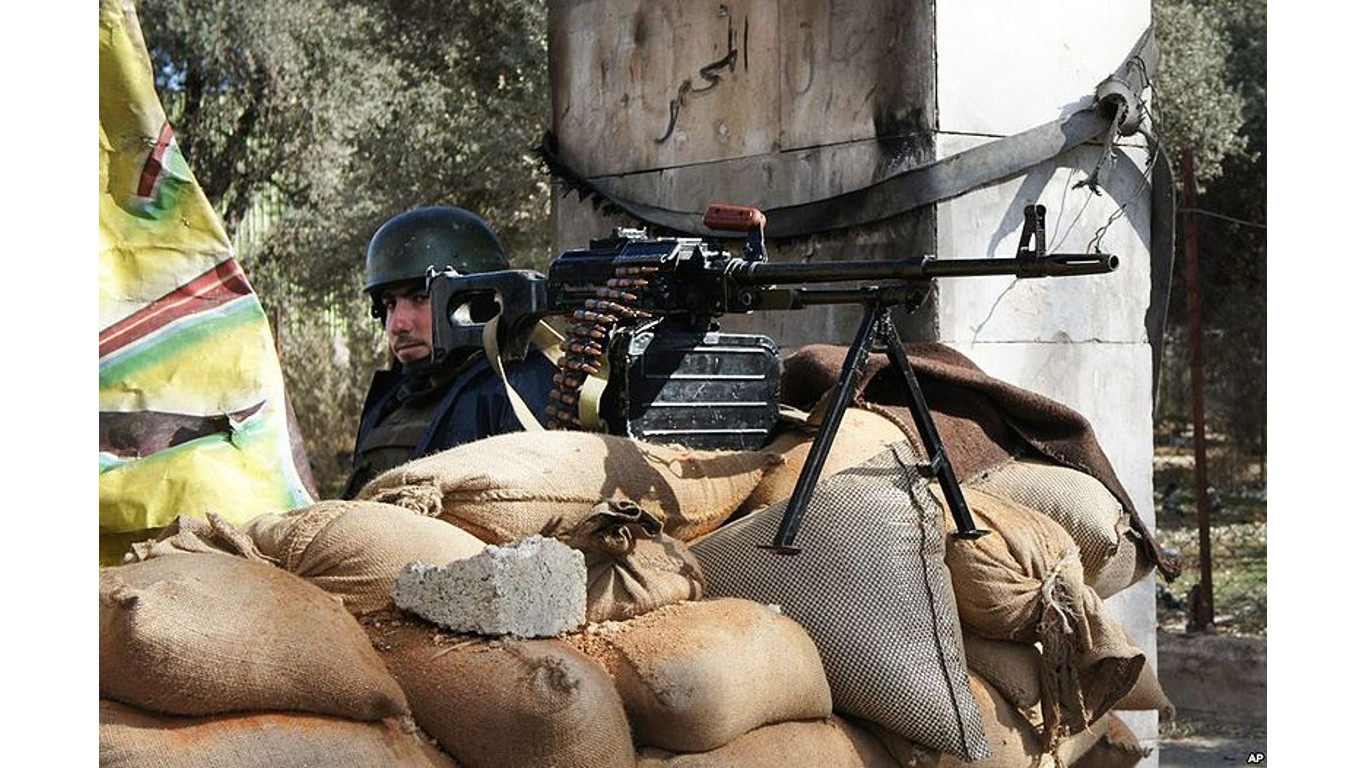
Shaped largely by its strategic location bridging the Mediterranean and the Arab world, Syria has been a focal point of empires and modern conflicts alike down through the ages. After gaining independence from France in 1946, Syria became involved in multiple wars with Israel and played a role in the Lebanese Civil War. Its most defining recent conflict began in 2011 with the Syrian Civil War, sparked by Arab Spring protests.
8. Lebanon
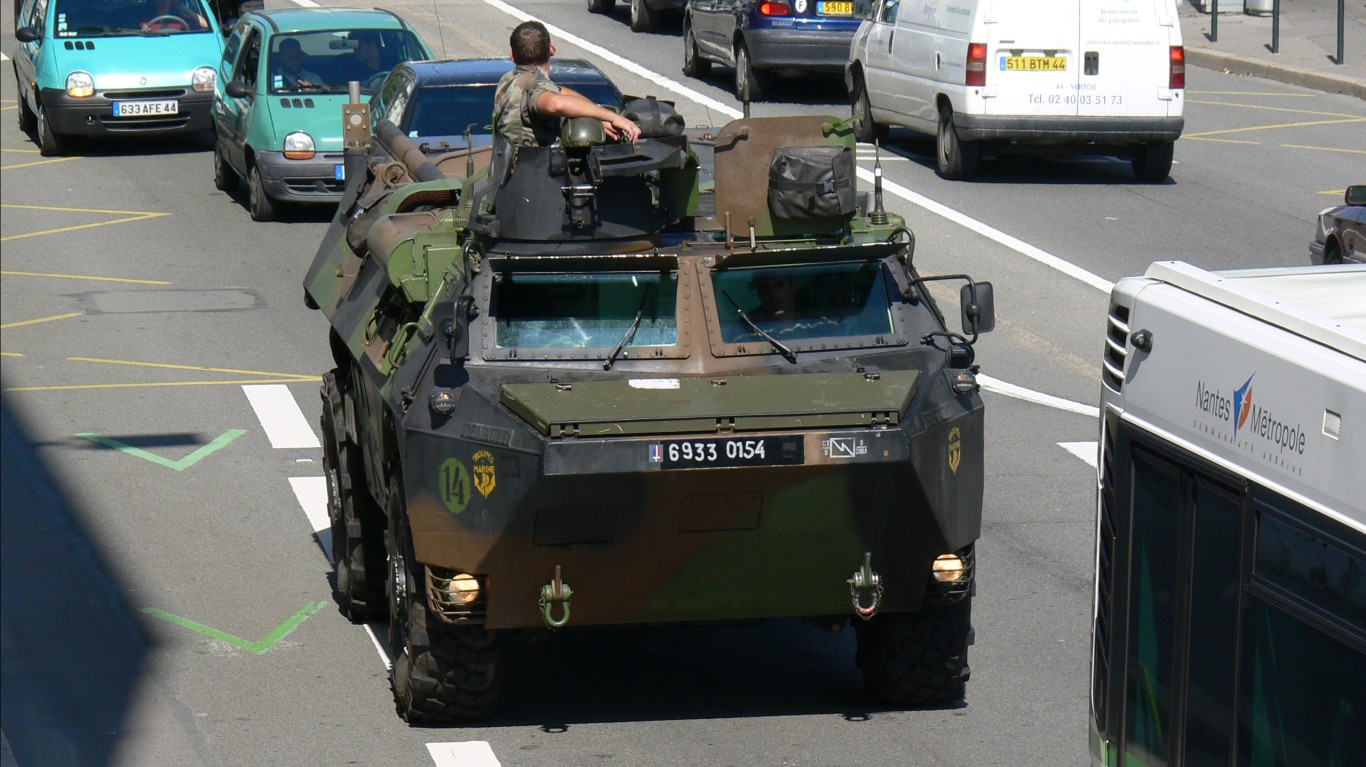
- Paramilitary forces: 65,000
- Active personnel: 60,000
- Reserves: 35,000
- Total military personnel: 160,000
- Total population: 5,364,482
- Fit-for-service: 1,775,644
- Military defense budget: $768,250,325 – #97 out of 145
- Military strength score and world rank: 2.5981 – #115 out of 145
Outside of its troops, Lebanon also has a total of 80 military aircraft, 4,538 military vehicles (including 116 tanks and 11 MLRS units), as well as 64 ships and/or submarines at its disposal.
Located on the Mediterranean, Lebanon has found itself at the center of numerous regional conflicts. Since gaining its independence from France in 1943, the country’s makeup of religious and ethnic groups has posed some internal challenges. The Lebanese Civil War, beginning in 1975, drew in multiple factions and foreign powers. In the years since, Lebanon’s military has focused on rebuilding and modernization. Even though it is a relatively small country, Lebanon plays an important role in maintaining regional security, managing tensions with non-state actors like Hezbollah, and addressing ongoing border issues with Israel.
7. Afghanistan

- Paramilitary forces: 80,000
- Active personnel: 0
- Reserves: 0
- Total military personnel: 80,000
- Total population: 40,121,552
- Fit-for-service: 8,826,741
- Military defense budget: $290,000,000 – #125 out of 145
- Military strength score and world rank: 2.6442 – #118 out of 145
Outside of its troops, Afghanistan also has a total of 9 military aircraft and 5,202 military vehicles at its disposal.
Afghanistan has long been called the “Graveyard of Empires,” having resisted invasions dating back to Alexander the Great and even on to the Mongols. While foreign powers have taken the country, none have held it for long. This proved true even in the 20th century, as Afghanistan was a hotspot during the Cold War. The Soviet invasion in 1979 sparked a decade-long war, followed by civil unrest and the rise of the Taliban. The U.S. occupation decades later would follow a similar path with a chaotic exit, ultimately returning the country to Taliban control.
6. Iraq
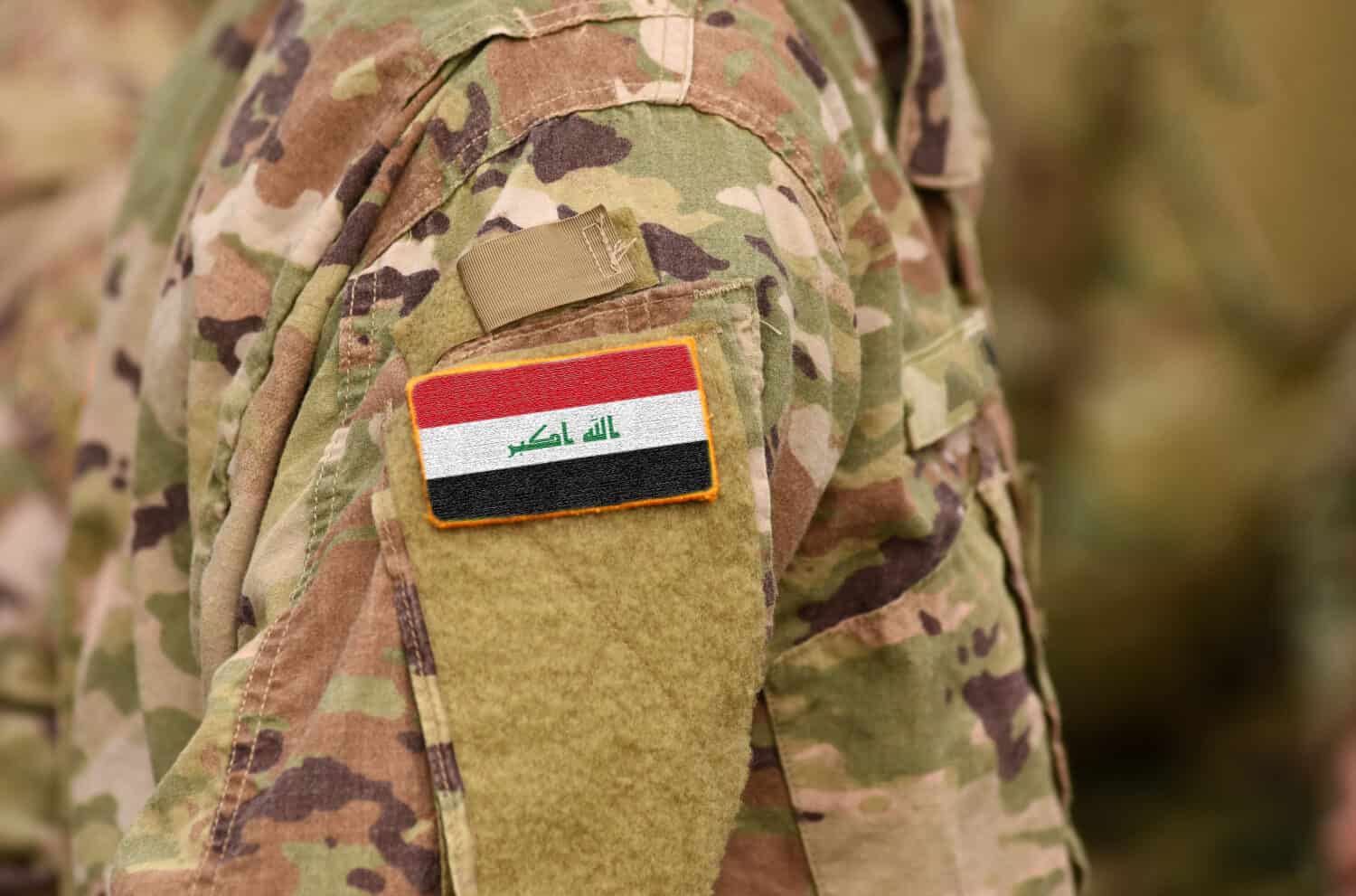
- Paramilitary forces: 100,000
- Active personnel: 193,000
- Reserves: 0
- Total military personnel: 293,000
- Total population: 42,083,436
- Fit-for-service: 14,308,368
- Military defense budget: $7,923,000,000 – #37 out of 145
- Military strength score and world rank: 0.7738 – #43 out of 145
Outside of its troops, Iraq also has a total of 391 military aircraft, 37,288 military vehicles (including 1,025 tanks and 572 MLRS units), as well as 68 ships and/or submarines at its disposal.
Iraq gained independence from Britain in 1932 but remained under its influence until the late 1950s. Saddam Hussein came to power in 1979 under the Ba’ath Party, further expanding the Iraqi military and launching the Iran-Iraq War just a year later.. His 1990 invasion of Kuwait instigated the Gulf War, and later a U.S.-led invasion in 2003 ultimately leading to his demise. Currently, Iraq is focused on rebuilding its military while addressing ongoing internal security challenges.
5. Turkey
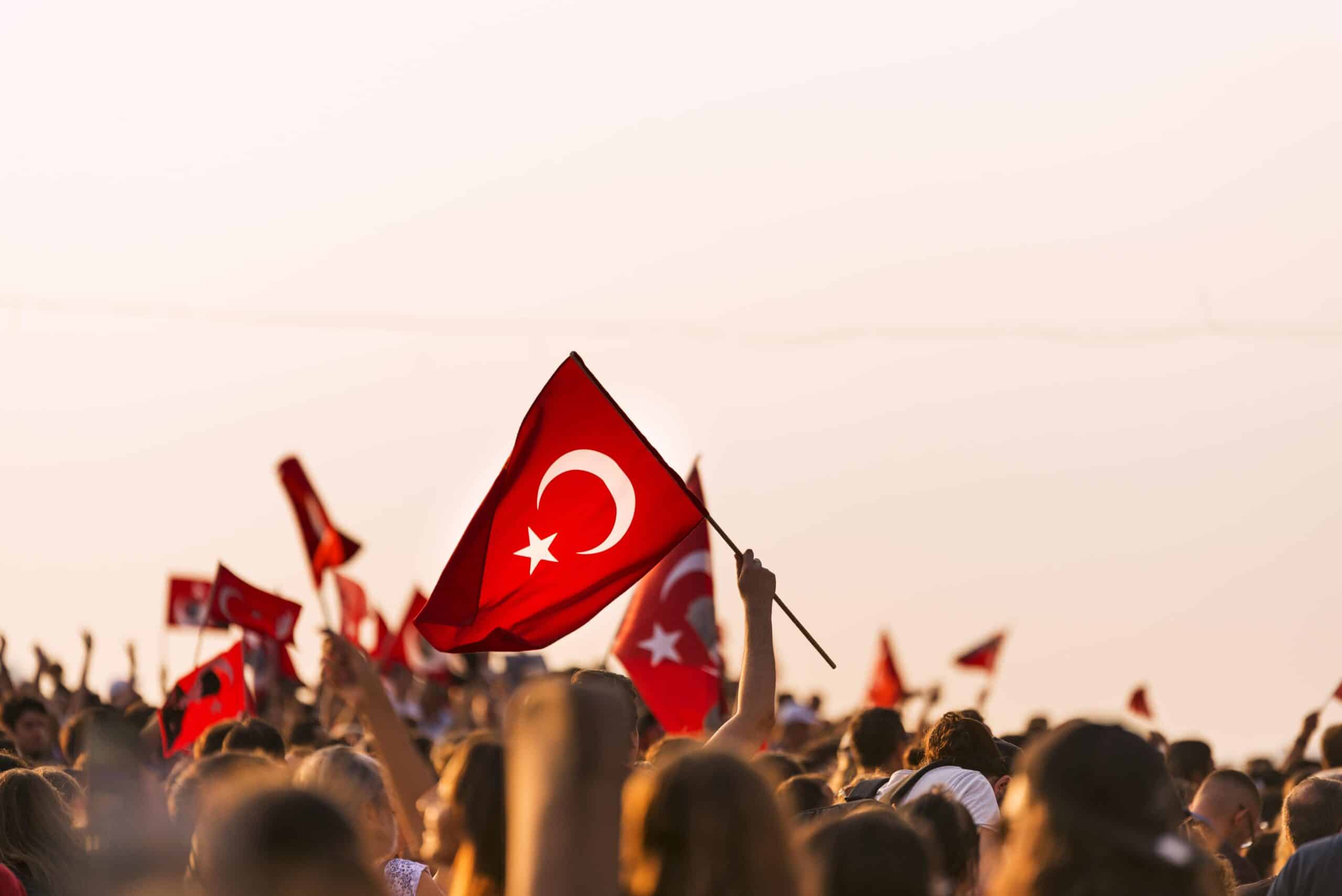
- Paramilitary forces: 150,000
- Active personnel: 355,200
- Reserves: 378,700
- Total military personnel: 883,900
- Total population: 84,119,531
- Fit-for-service: 36,087,279
- Military defense budget: $47,000,000,000 – #13 out of 145
- Military strength score and world rank: 0.1902 – #9 out of 145
Outside of its troops, Turkey also has a total of 1,083 military aircraft, 61,173 military vehicles (including 2,238 tanks and 296 MLRS units), as well as 182 ships and/or submarines at its disposal.
Turkey’s military history is deeply rooted in its legacy as the heart of the Ottoman Empire. Its strategic position between Europe and Asia has largely dictated the composition of its forces, and helped to secure its place in NATO. The fall of the Ottoman Empire after World War I and the Turkish War of Independence gave shape to the nation and its borders.
4. Saudi Arabia
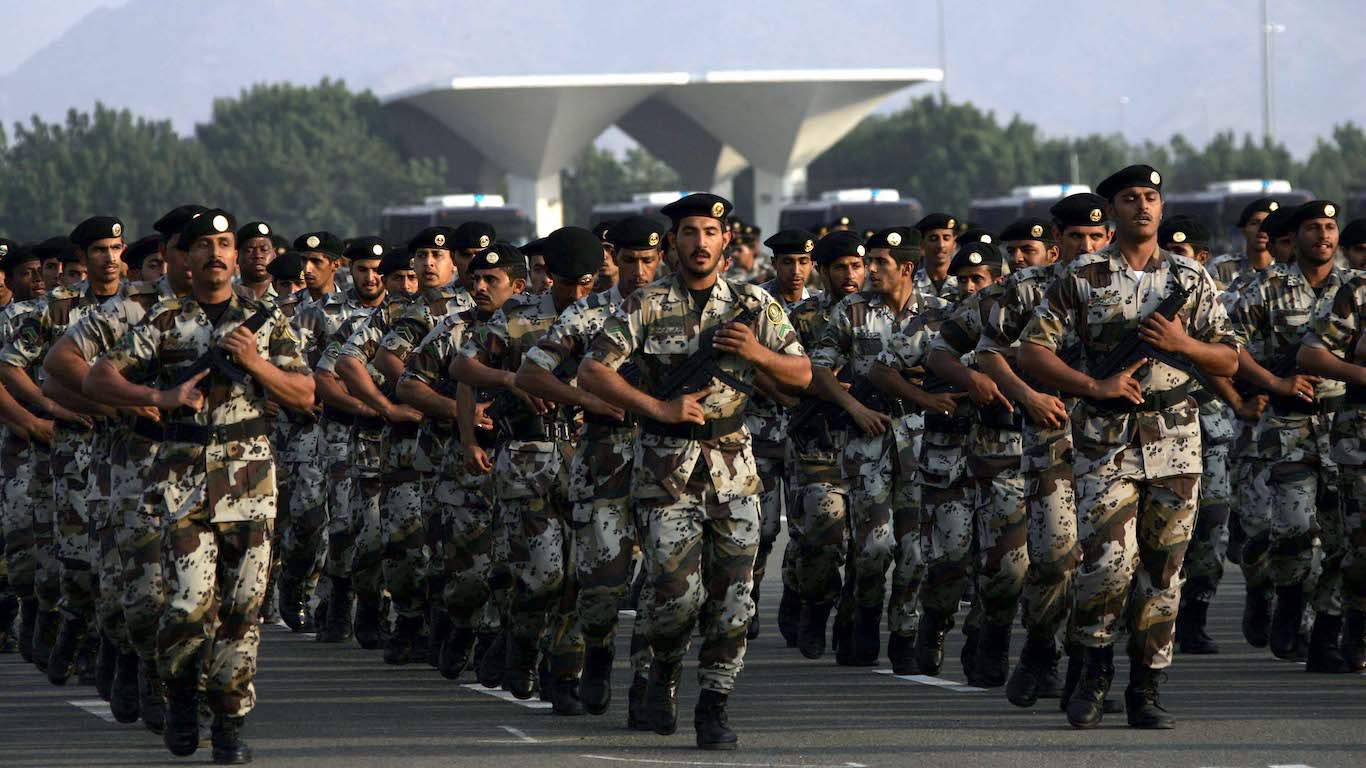
- Paramilitary forces: 150,000
- Active personnel: 257,000
- Reserves: 0
- Total military personnel: 407,000
- Total population: 36,544,431
- Fit-for-service: 17,468,238
- Military defense budget: $74,760,000,000 – #5 out of 145
- Military strength score and world rank: 0.4201 – #25 out of 145
Outside of its troops, Saudi Arabia also has a total of 917 military aircraft, 19,040 military vehicles (including 840 tanks and 321 MLRS units), as well as 32 ships and/or submarines at its disposal.
Saudi Arabia’s military history goes back centuries, but its modern state was officially founded in 1932 after Ibn Saud unified the region. The discovery of oil in the 1930s elevated the Kingdom’s global standing, especially with its lucrative trade with Western powers. This wealth enabled Saudi Arabia to acquire advanced weaponry and aircraft, solidifying its position as a dominant regional power. The country also played a key role in the Gulf War, joining the coalition to expel Iraqi forces from Kuwait.
3. Iran

- Paramilitary forces: 220,000
- Active personnel: 610,000
- Reserves: 350,000
- Total military personnel: 1,180,000
- Total population: 88,386,937
- Fit-for-service: 41,541,860
- Military defense budget: $15,450,000,000 – #25 out of 145
- Military strength score and world rank: 0.3048 – #16 out of 145
Outside of its troops, Iran also has a total of 551 military aircraft, 65,825 military vehicles (including 1,713 tanks and 1,517 MLRS units), as well as 107 ships and/or submarines at its disposal.
Iran’s military roots stretch back to the ancient Persian Empire, giving it a long and rich history. Today, it’s viewed by many Western powers as a regional antagonist, leading to sanctions that have hindered its military modernization. Despite these constraints, Iran maintains a formidable military with a seemingly endless supply of rockets and artillery. Iran’s recent conflict with Israel proved the resolve of its military and that it will not so easily be defeated.
2. Egypt
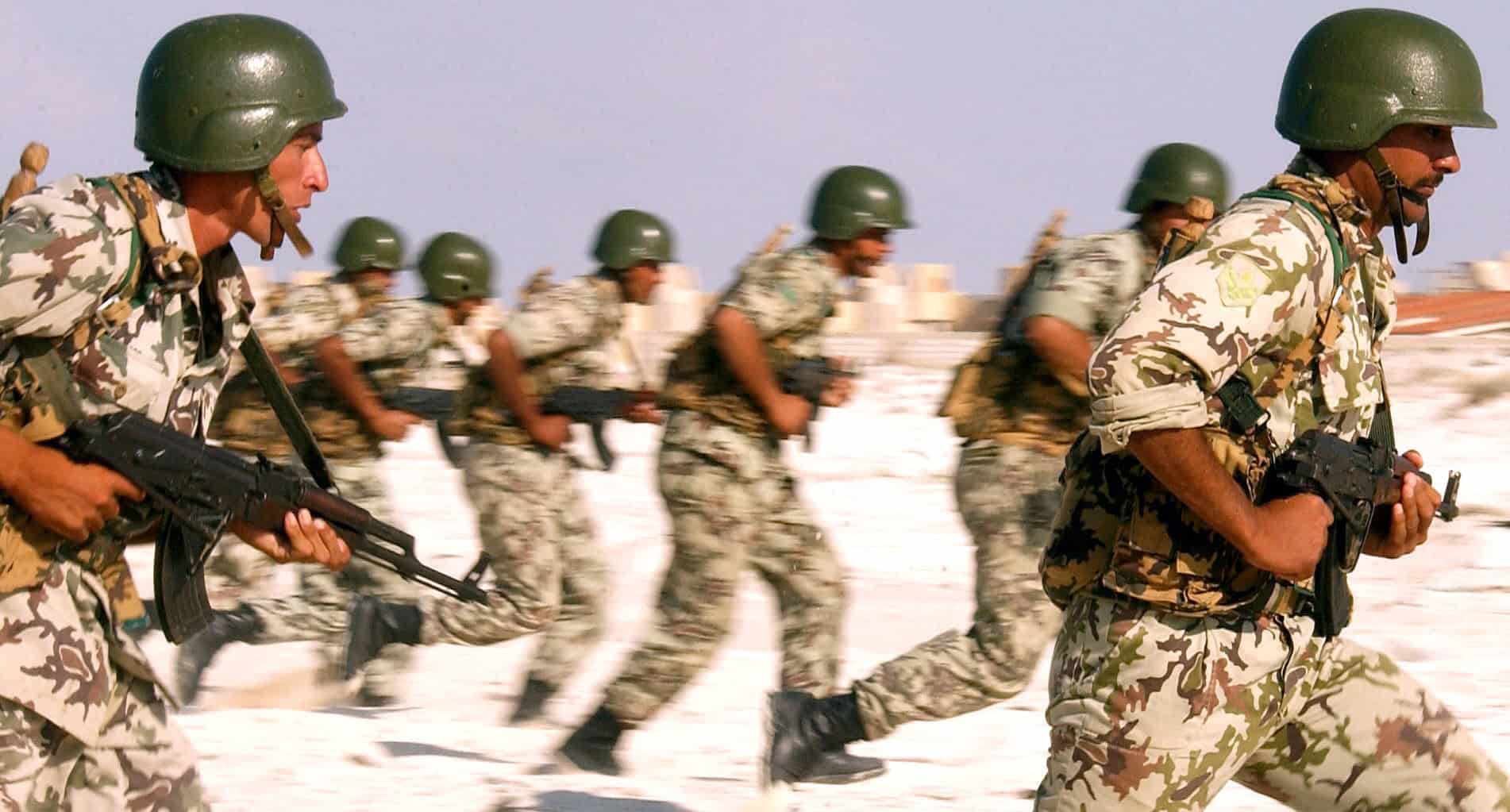
- Paramilitary forces: 300,000
- Active personnel: 440,000
- Reserves: 480,000
- Total military personnel: 1,220,000
- Total population: 111,247,248
- Fit-for-service: 38,269,053
- Military defense budget: $5,879,500,000 – #46 out of 145
- Military strength score and world rank: 0.3427 – #19 out of 145
Outside of its troops, Egypt also has a total of 1,093 military aircraft, 41,012 military vehicles (including 3,620 tanks and 528 MLRS units), as well as 150 ships and/or submarines at its disposal.
Egypt straddles the Middle East and Africa and controls the Suez Canal, a key shipping lane on the global stage. From the days of the Pharaohs to the present, Egypt has been a regional military power. However, more recently, its military relies less on swords and horses but instead on its massive arsenal of advanced aircraft and tanks.
1. Pakistan
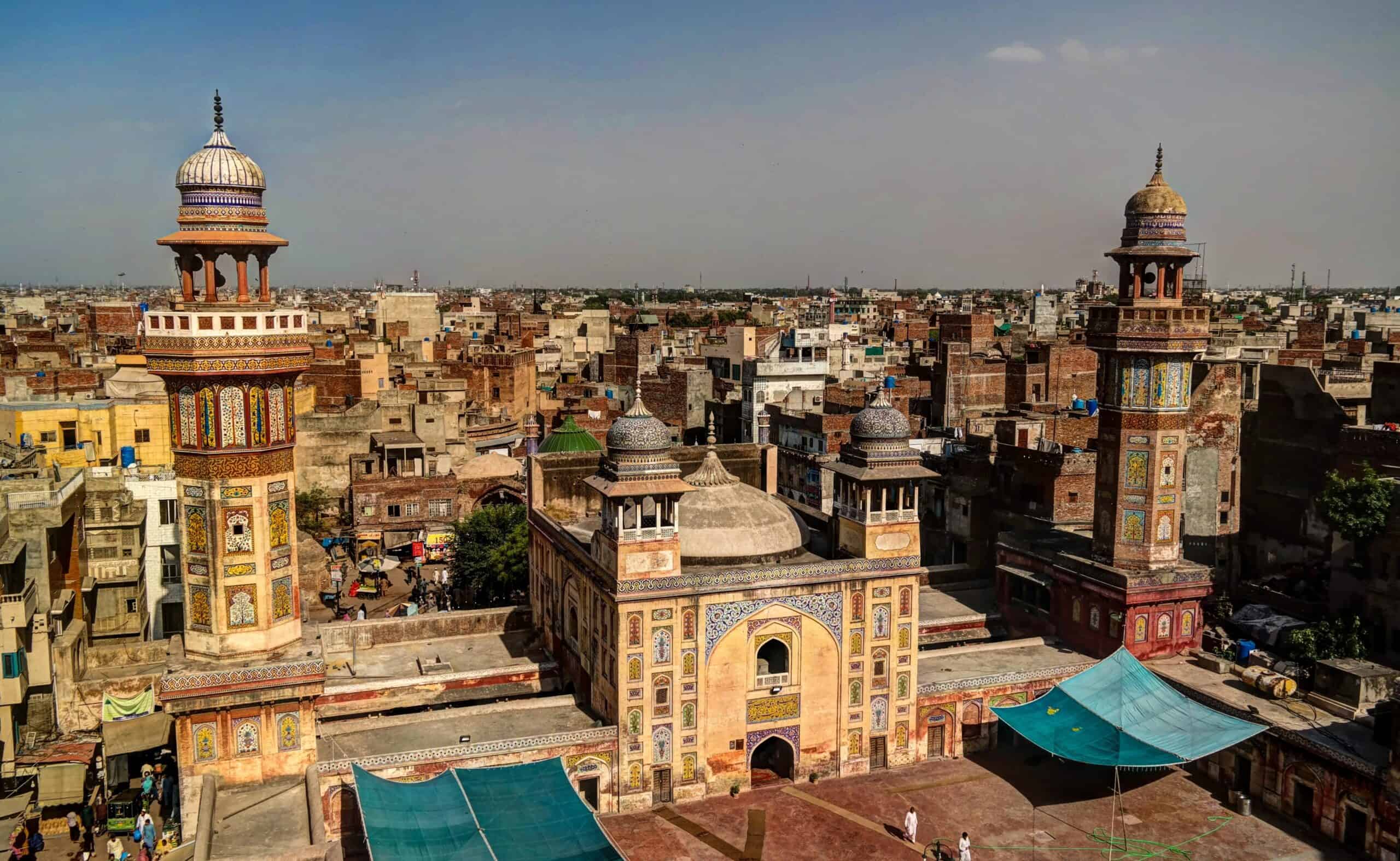
- Paramilitary forces: 500,000
- Active personnel: 654,000
- Reserves: 550,000
- Total military personnel: 1,704,000
- Total population: 252,363,571
- Fit-for-service: 85,803,614
- Military defense budget: $7,640,000,000 – #38 out of 145
- Military strength score and world rank: 0.2513 – #12 out of 145
Outside of its troops, Pakistan also has a total of 1,399 military aircraft, 17,516 military vehicles (including 2,627 tanks and 600 MLRS units), as well as 121 ships and/or submarines at its disposal.
Pakistan’s military history began with its formation in 1947, following its separation from India. This division would continue to be the source for animosity even in contemporary times. The first Indo-Pakistani War was fought over Kashmir, with more wars following in 1965 and 1971. The 1971 war ended in a major defeat for Pakistan and led to the creation of Bangladesh. Pakistan also played a role in the Soviet-Afghan War, supporting mujahideen fighters with U.S. and Saudi backing. Today, Pakistan maintains one of the world’s top 10 most powerful militaries.







 Top Gaining Stocks
 Top Losing Stocks