


24/7 Wall St. Insights
- Prior to Japan’s attack on Pearl Harbor, the U.S. was fairly undecided about its involvement in the war
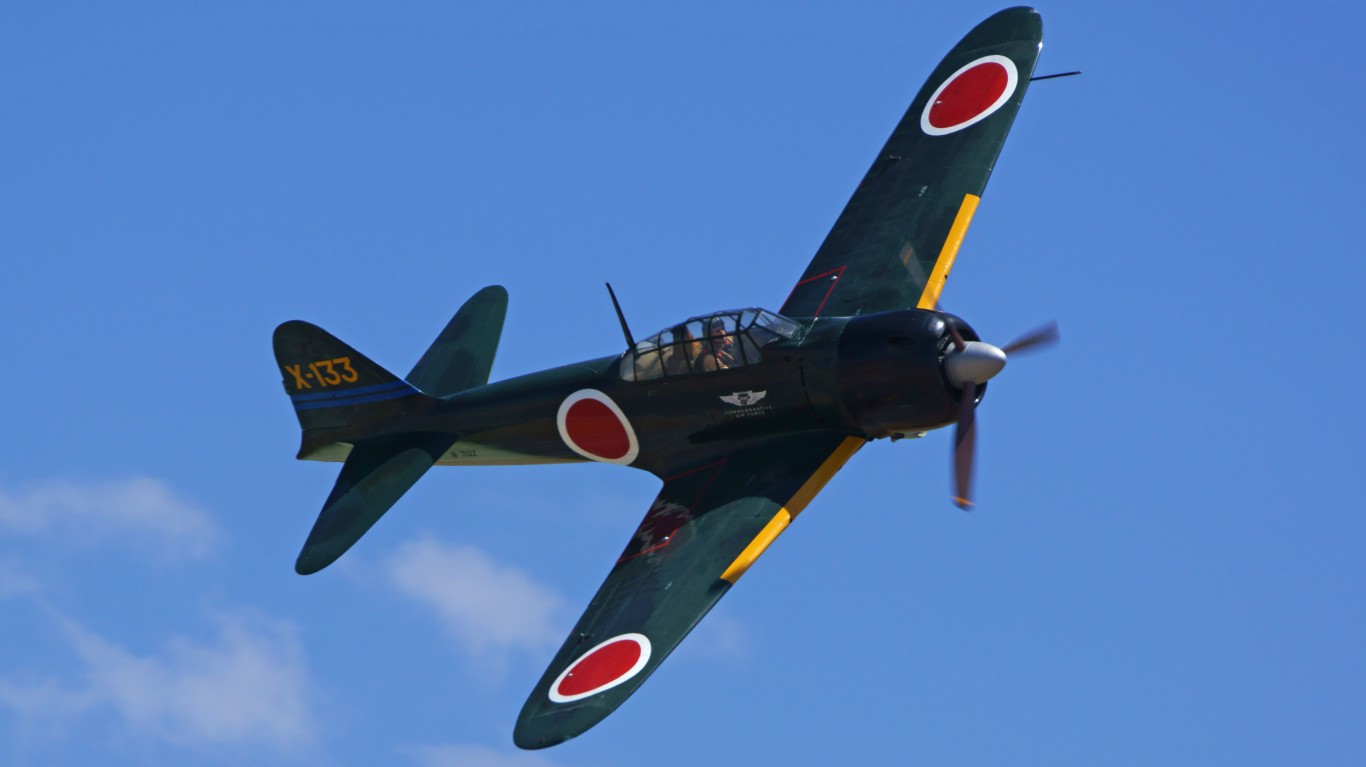
- The following aircraft were present in the infamous battle
- Also, Discover “The Next NVIDIA”
Pearl Harbor is a naval base located on Hawaii’s Oahu. In 1941, the United States’ Pacific Fleet was stationed there, and had been since 1940. The base was instrumental to America in its opposition to Japan due to its proximity to Southeast Asia and the Indonesian archipelago, regions of Japanese conquest. Destroying American fleets would greatly benefit Japan in its efforts, and this is why the Asian country chose to attack this particular American naval base on December 7, 1941.
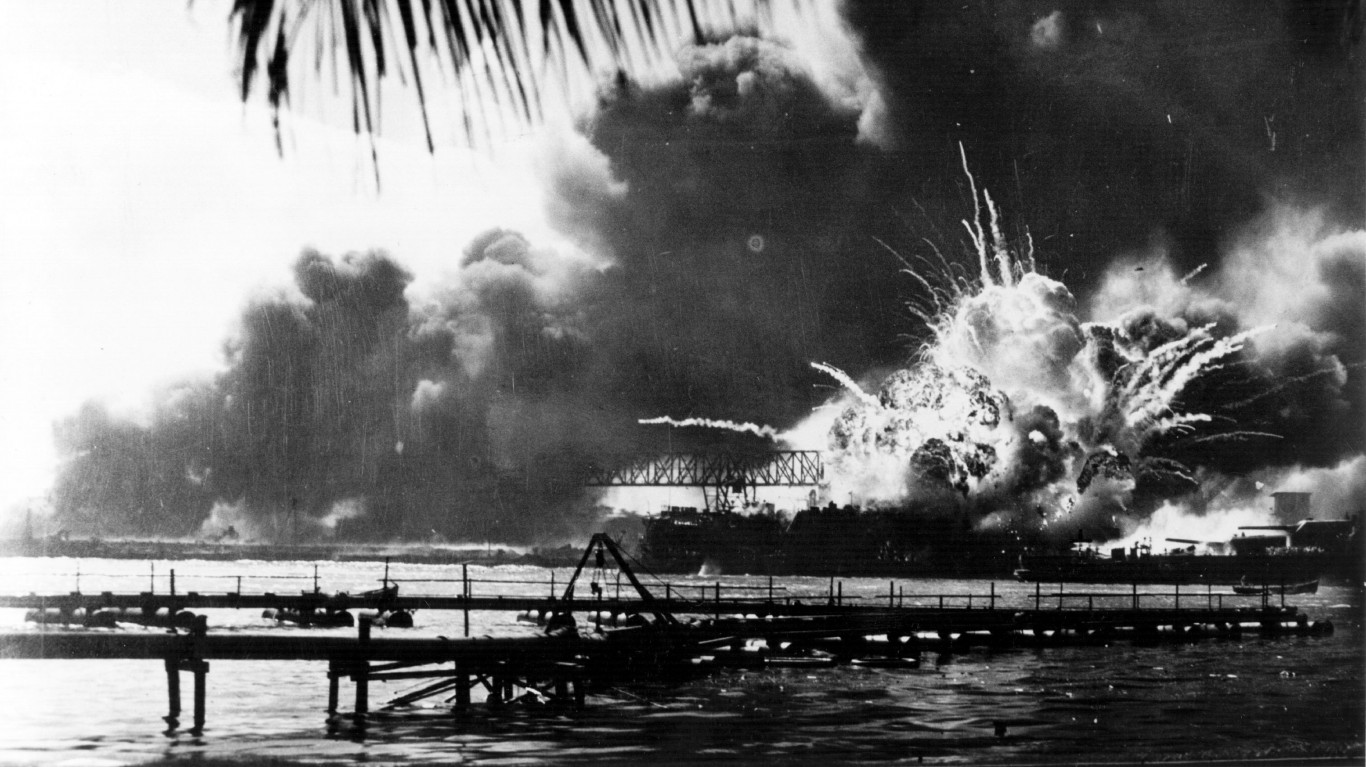
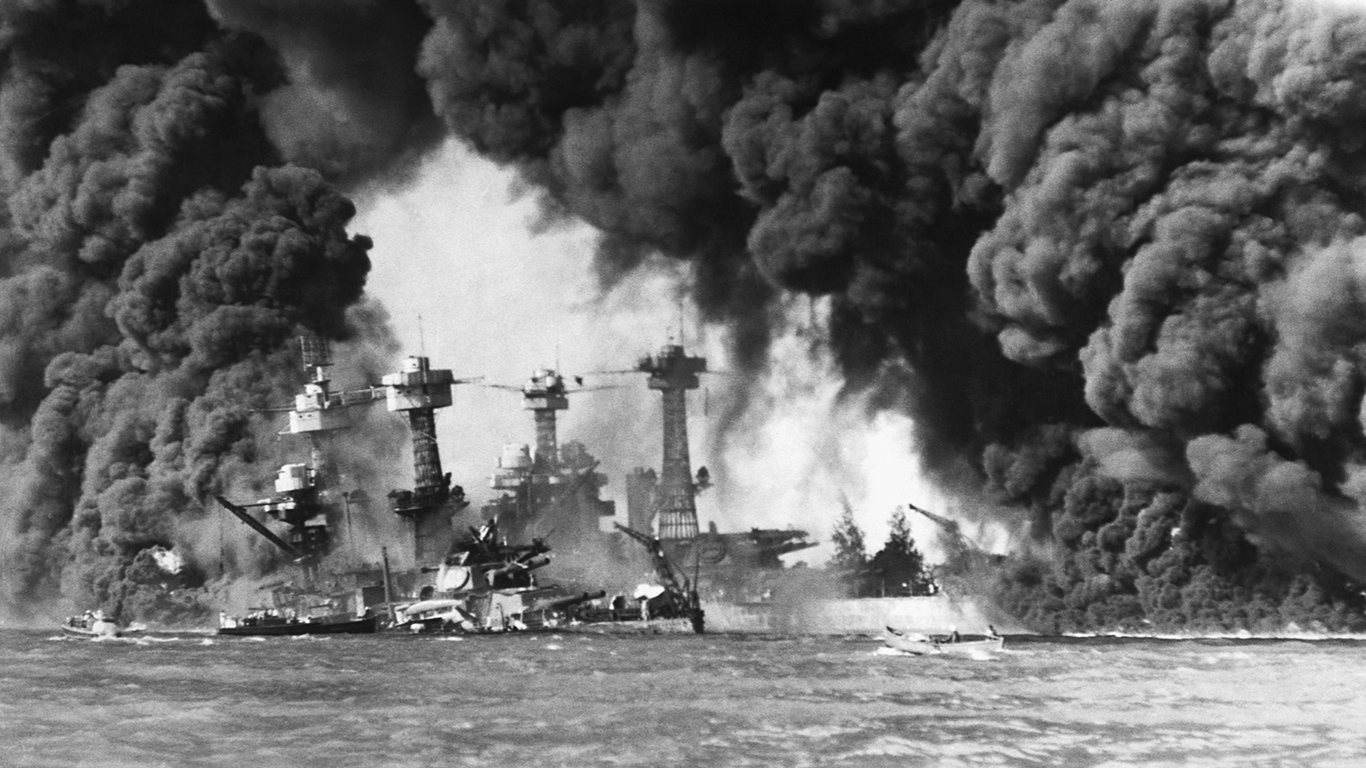
The infamous assault on Pearl Harbor began at 7:55am, as Japan launched its first wave of attack via 183 aircraft, including bombers and fighters. Roughly 42 U.S. planes were completely destroyed, while 41 additional craft endured damage. U.S. casualties totaled just over 3,500, while the Japanese only lost 64 troops. Initially, Japan was successful.
Prior to this attack, the United States was fairly undecided about its involvement in the war. However, within a day of the attack on Pearl Harbor and having heard of the destruction and loss of life, Congress and the population at large had decided that entering World War II was the only way forward.
Japan’s attack woke a sleeping giant. President Franklin D. Roosevelt ordered an incredible increase in production for warships, tanks, and aircraft that had never been seen before. These military assets, used by U.S. soldiers and sailors, would help conquer the Axis powers and lead to a new world order. Here, 24/7 Wall St. is focusing on the attack on Pearl Harbor and the aircraft that were present in that battle.
To identify every aircraft that fought in the Battle of Pearl Harbor, 24/7 Wall St. reviewed a catalog of aircraft from Military Factory, an online database of arms, vehicles, and aircraft. We ordered these aircraft chronologically and included supplemental information regarding type, armament, speed, and more.
This post was altered on August 24, 2025 to update the aircraft involved in Pearl Harbor, the number of aircraft in the first wave attack, and the number of casualties on both sides.
Why Are We Covering This?
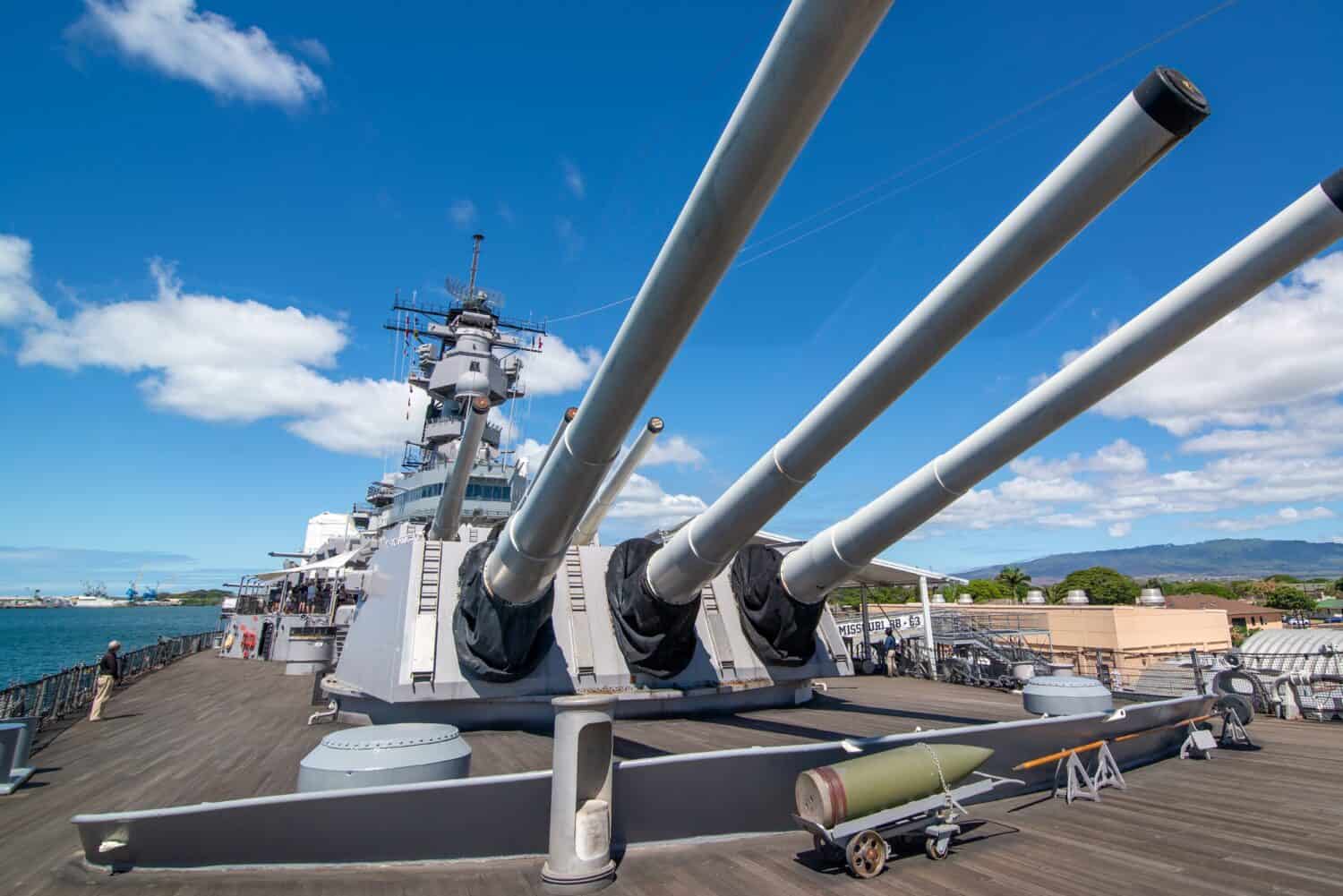
The attack on Pearl Harbor was one of the defining moments in American history. Today, a national monument and museum attract visitors from all over, serving as a powerful reminder of the devastation of war and the unpredictable consequences of military aggression. Annually, it attracts over two million tourists, who come to marvel at the location where such a significant historical event occurred. It continues to act as a naval base, ensuring citizens and visitors that America will not be defeated.
PBY Catalina
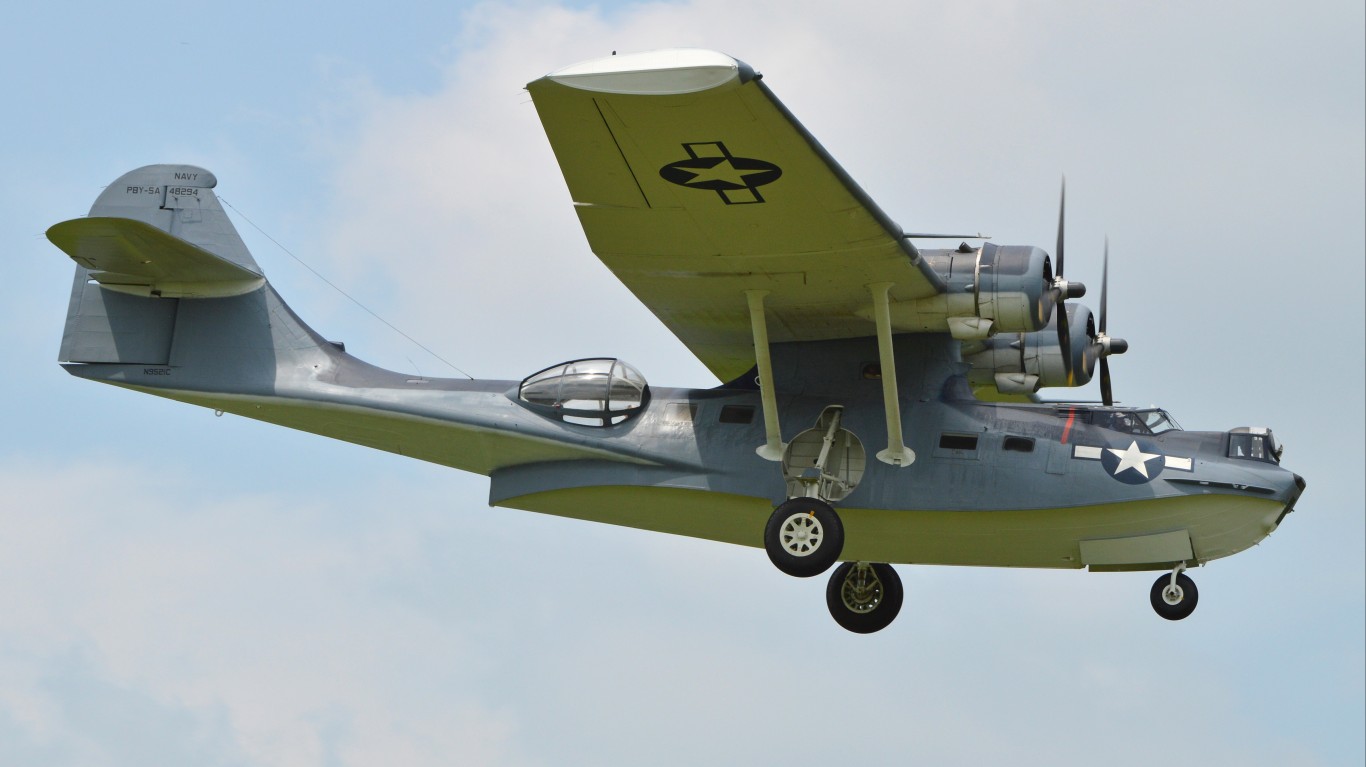
- Type: Maritime patrol floatplane
- Manufacturer: Consolidated / Boeing
- Year introduced: 1936
- Top speed: 179 mph
- Armament: 7.62mm machine guns, 12.7mm machine guns, torpedoes, anti-ship mines, depth charges, maximum bombload of 4,000 lbs.
B-18 Bolo
- Type: Medium bomber
- Manufacturer: Douglas
- Year introduced: 1936
- Top speed: 215 mph
- Armament: .30 caliber machine guns, up to 4,500 lbs. of conventional drop bombs
Boeing B-17 Flying Fortress
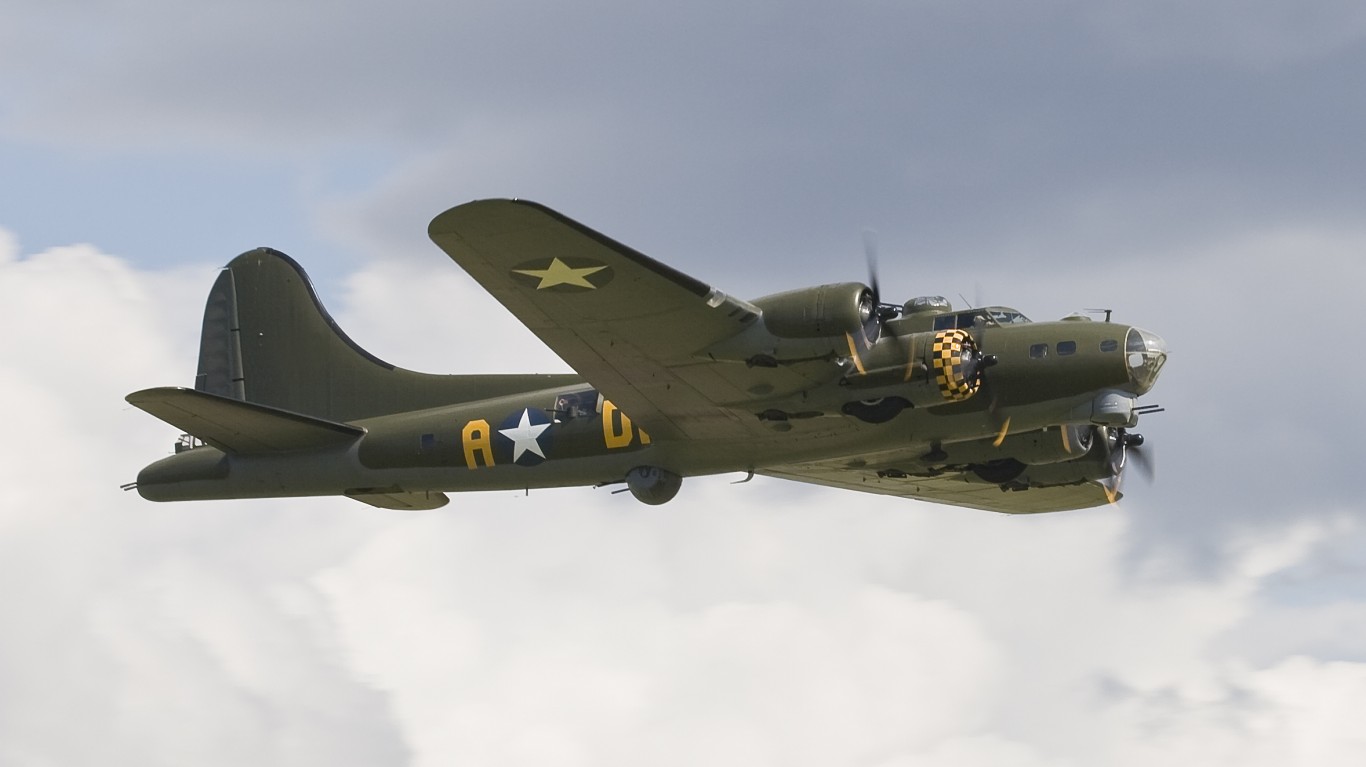
- Type: Heavy bomber
- Manufacturer: Boeing / Douglas / Lockheed
- Year introduced: 1937
- Top speed: 287 mph
- Armament: .50 caliber Browning heavy machine guns, maximum internal bombload of 17,600 lbs.
P-36 Hawk
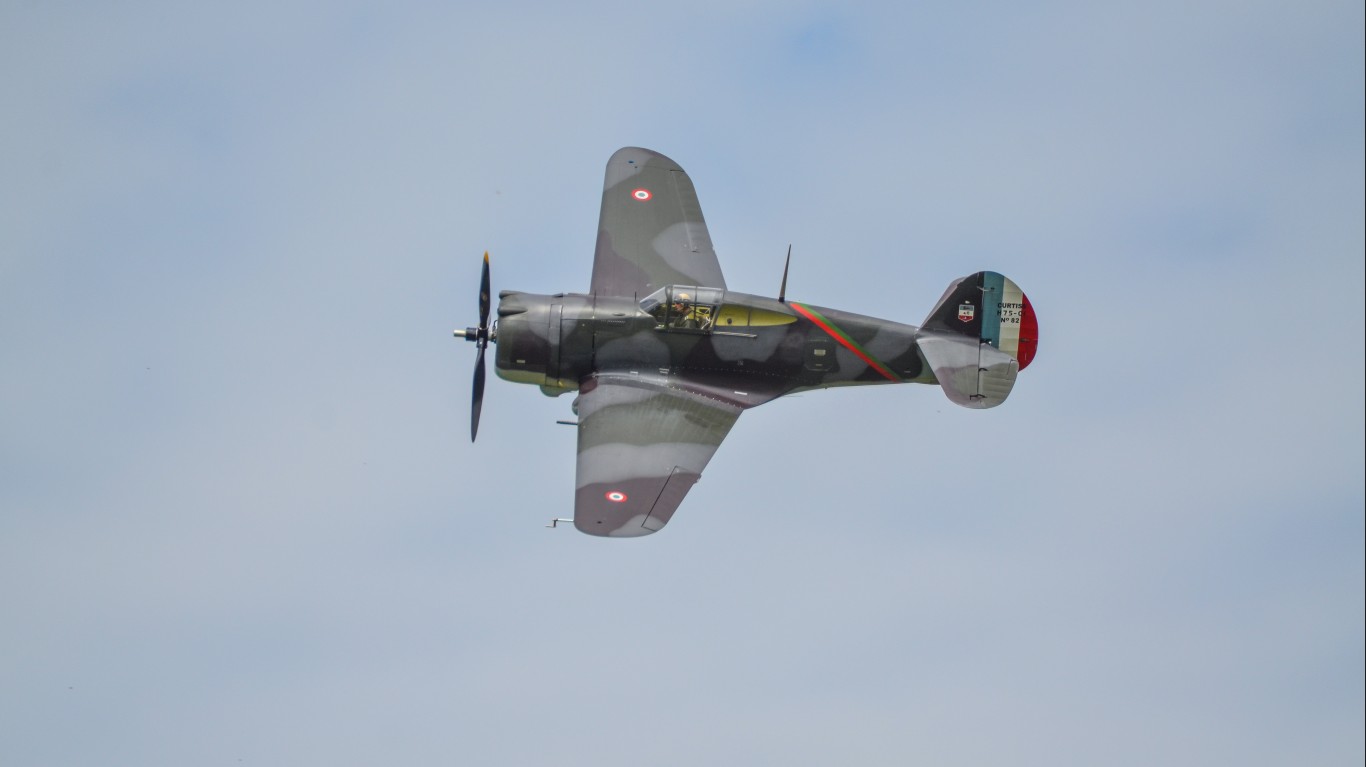
- Type: Monoplane fighter
- Manufacturer: Curtiss
- Year introduced: 1938
- Top speed: 322 mph
- Armament: .30 caliber machine guns, .50 caliber machine guns, drop bombs of various weights
SBD Dauntless
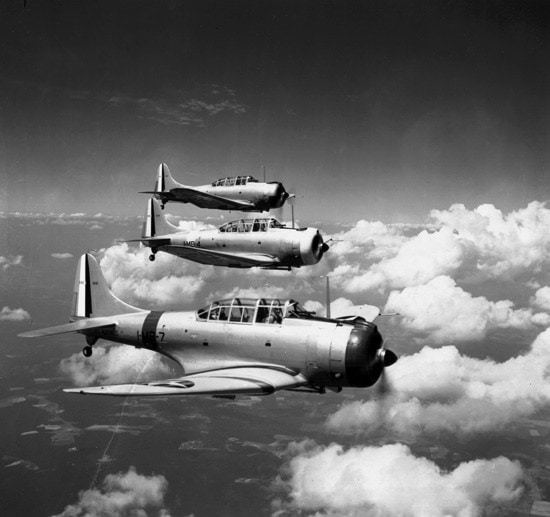
- Type: Carrier-borne bomber
- Manufacturer: Douglas
- Year introduced: 1938
- Top speed: 255 mph
- Armament: .30 caliber machine guns, .50 caliber machine guns, maximum bombload of 2,250 lbs.
Brewster F2A (Buffalo)
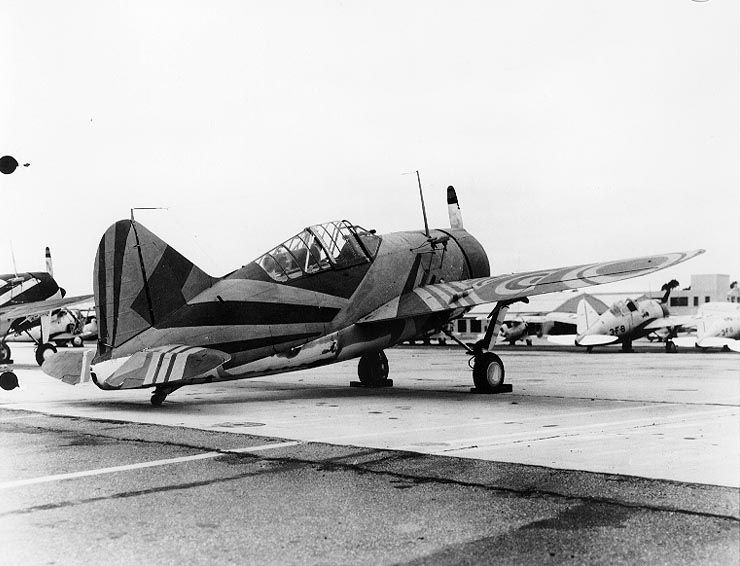
- Type: Monoplane fighter
- Manufacturer: Brewster
- Year introduced: 1939
- Top speed: 321 mph
- Armament: .30 caliber machine guns, .50 caliber machine guns
Aichi D3A (Val)
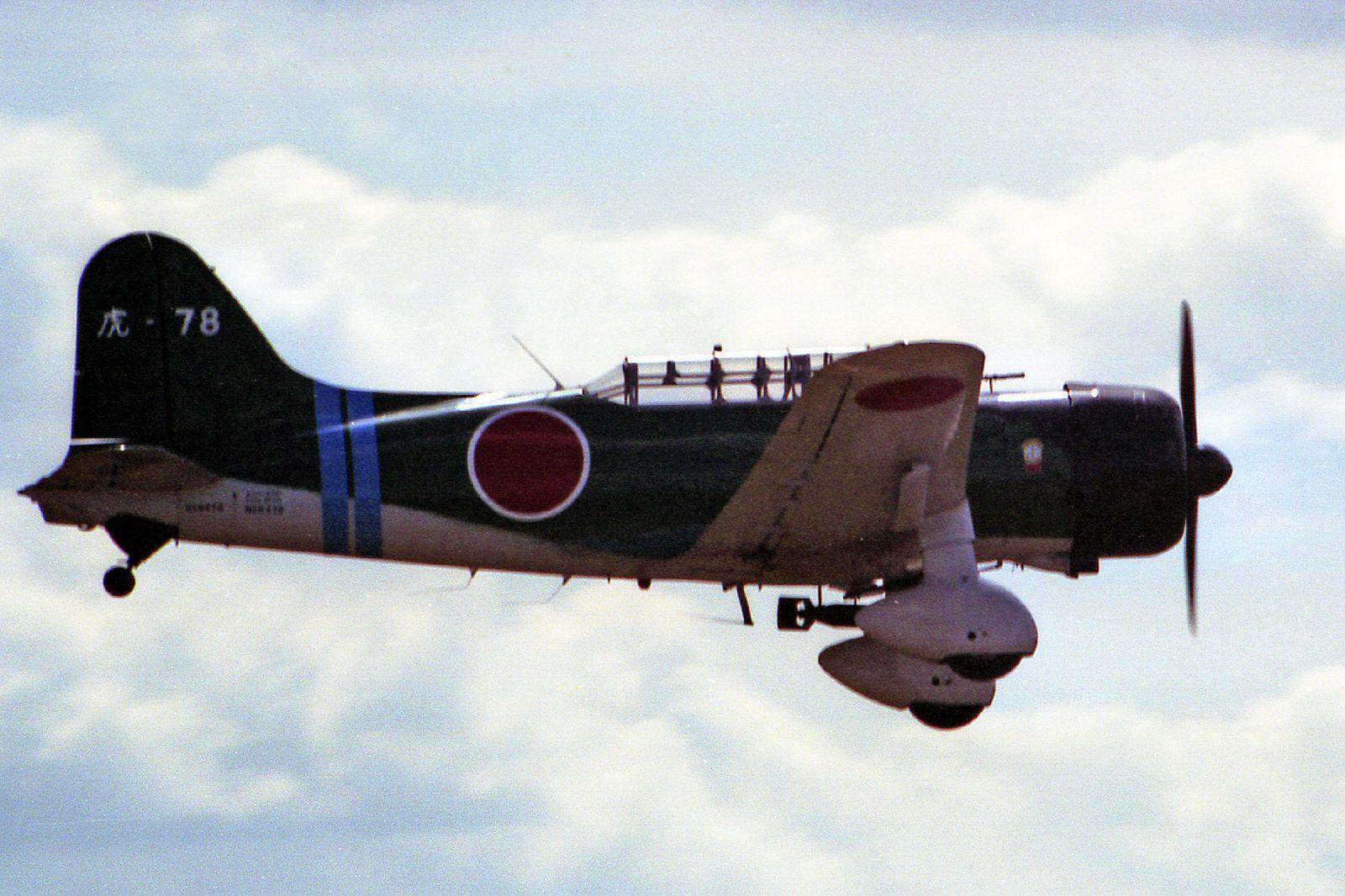
- Type: Carrier-borne bomber
- Manufacturer: Aichi Kokuki
- Year introduced: 1940
- Top speed: 267 mph
- Armament: 7.7mm machine guns, 551 lb. bomb under fuselage or 132 lbs. bombs under wings
F4F Wildcat
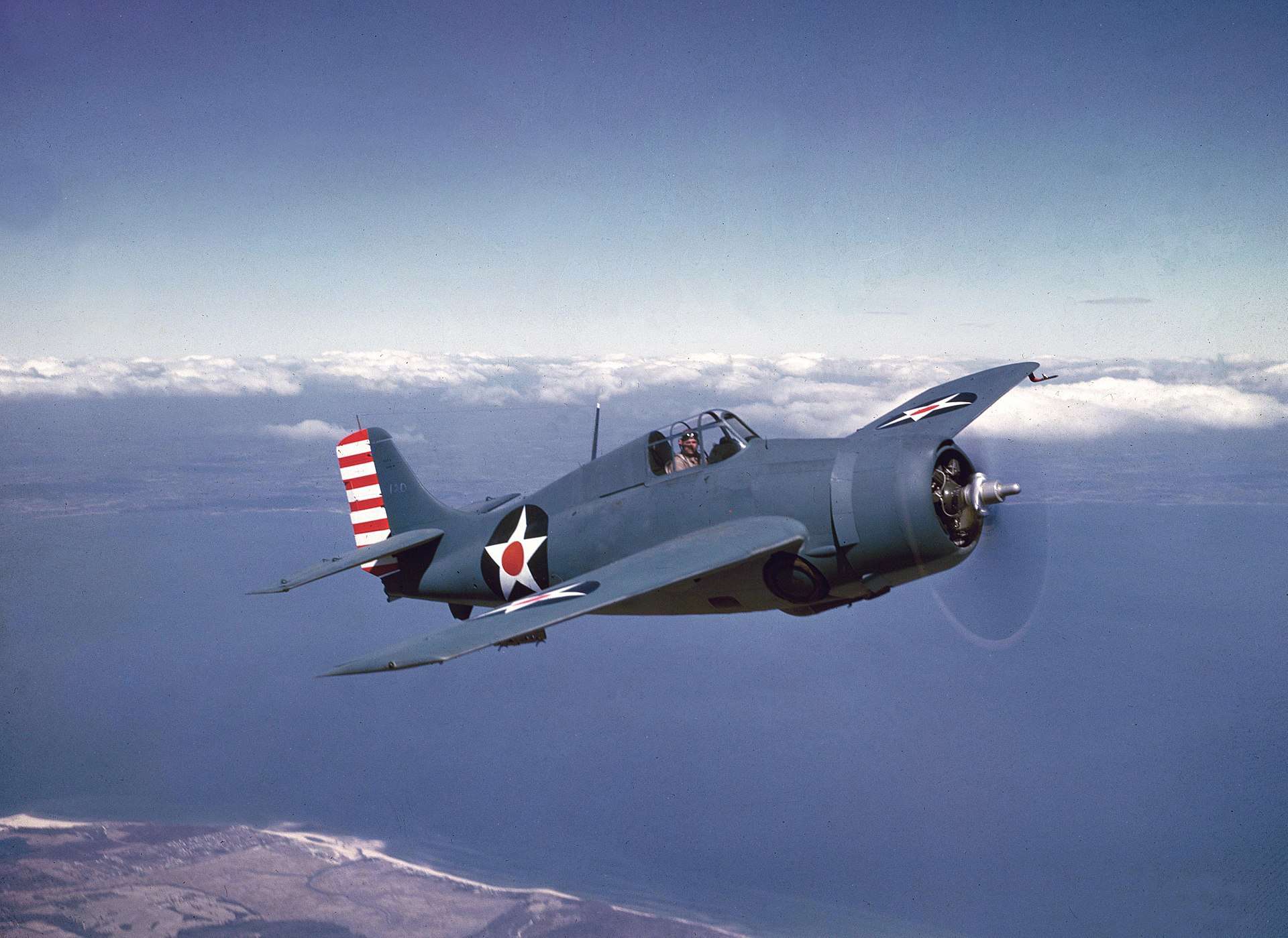
- Type: Monoplane fighter
- Manufacturer: Grumman
- Year introduced: 1940
- Top speed: 332 mph
- Armament: 12.7mm machine guns, various drop bombs
Mitsubishi A6M Rei-sen (Zero)
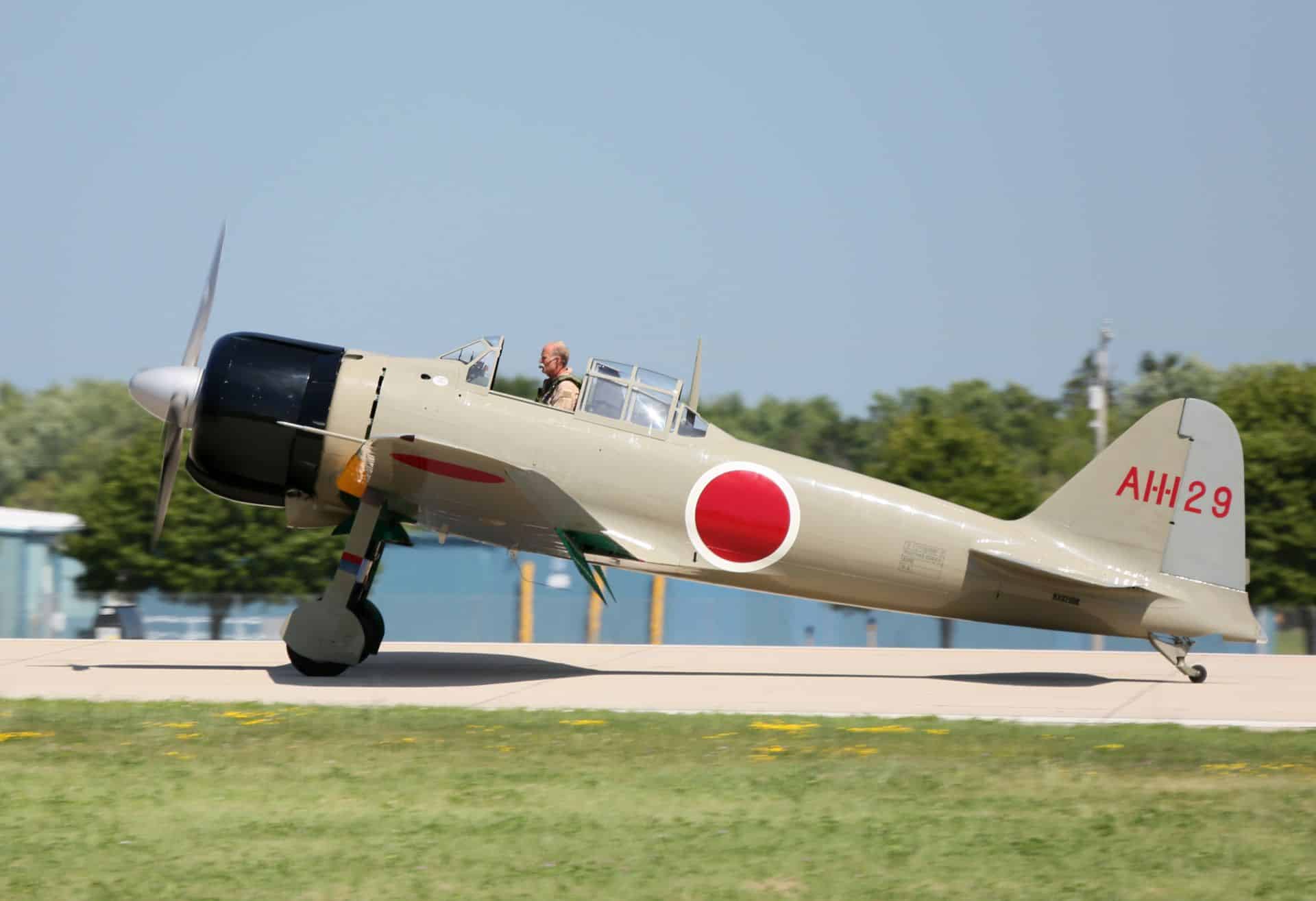
- Type: Carrier-borne fighter-bomber
- Manufacturer: Mitsubishi / Nakajima
- Year introduced: 1940
- Top speed: 354 mph
- Armament: 7.7mm machine guns, 20mm cannons, 130 lb. drop bombs or 550 lb. drop bomb
OS2U Kingfisher
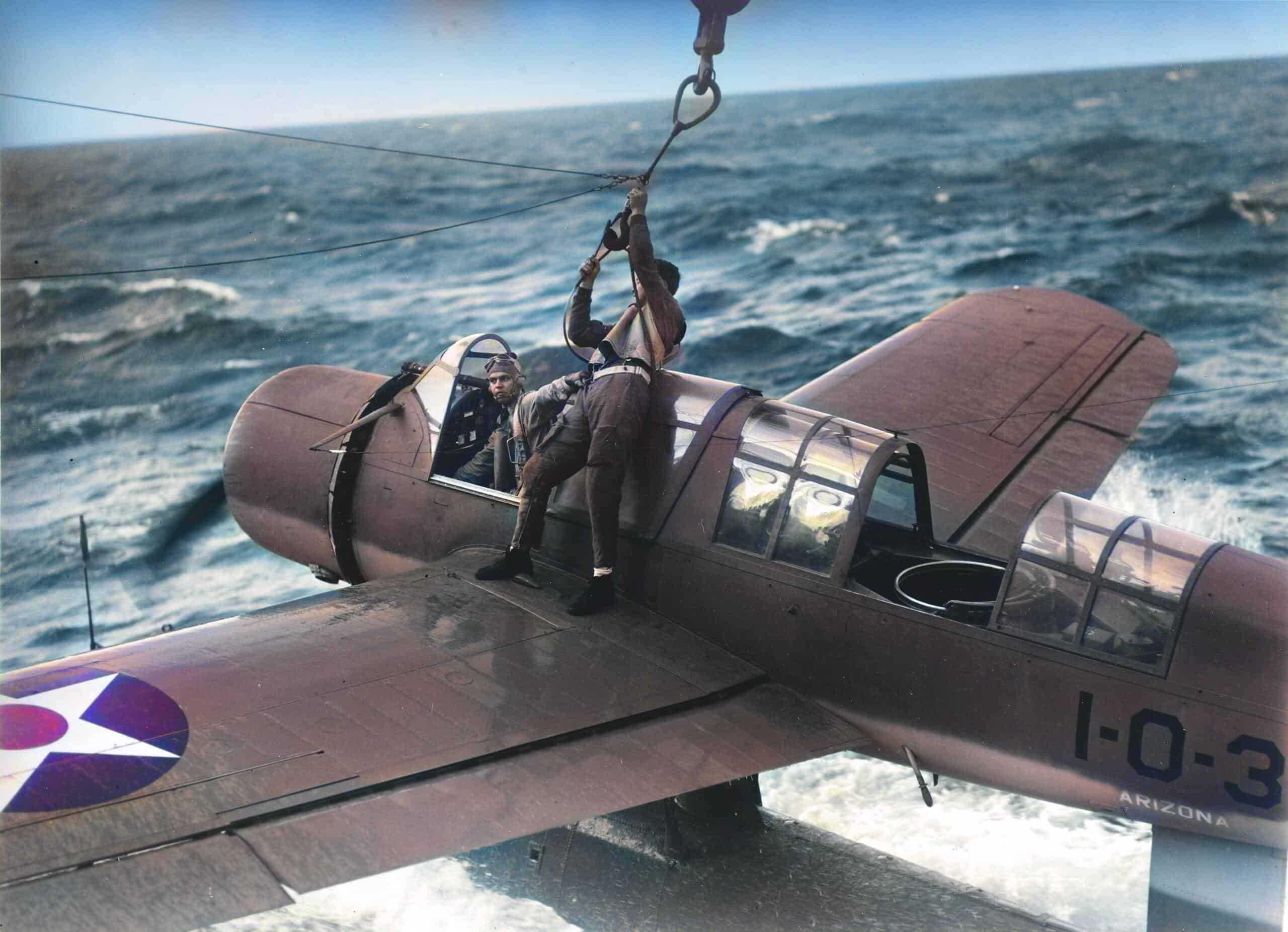
- Type: Scout floatplane
- Manufacturer: Vought
- Year introduced: 1940
- Top speed: 164 mph
- Armament: 7.62mm machine guns, 650 lbs. of drop bombs
P-40 Warhawk
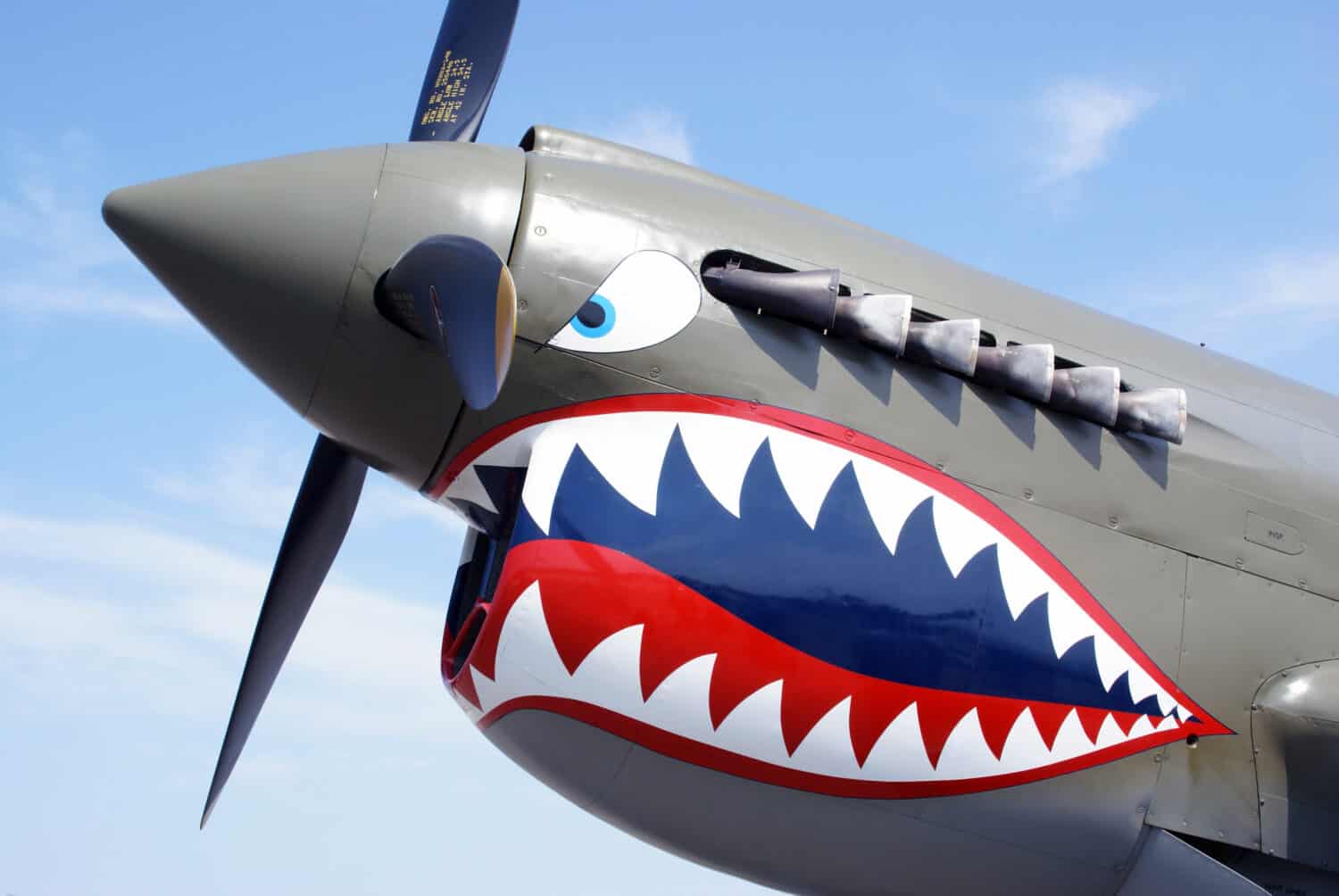
- Type: Single-engine fighter-bomber
- Manufacturer: Curtiss
- Year introduced: 1941
- Top speed: 378 mph
- Armament: .50 caliber Browning heavy machine guns, up to 2,000 lbs. of conventional drop bombs
Nakajima B5N (Kate)
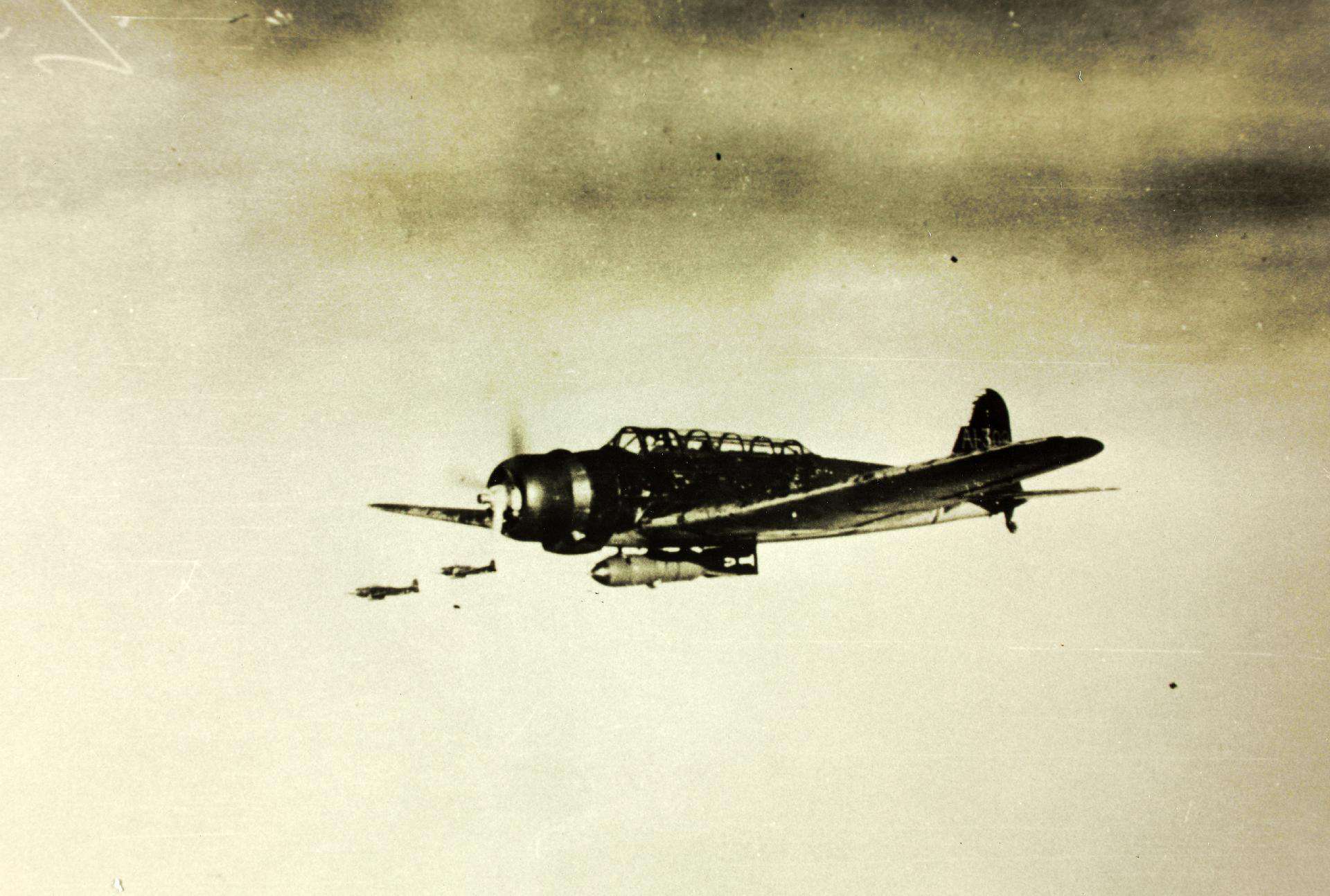
- Type: Carrier-borne bomber
- Manufacturer: Nakajima
- Year introduced: 1941
- Top speed: 236 mph
- Armament: 7.7mm machine guns, maximum bombload of 1,760 lbs.






 Top Gaining Stocks
 Top Losing Stocks