


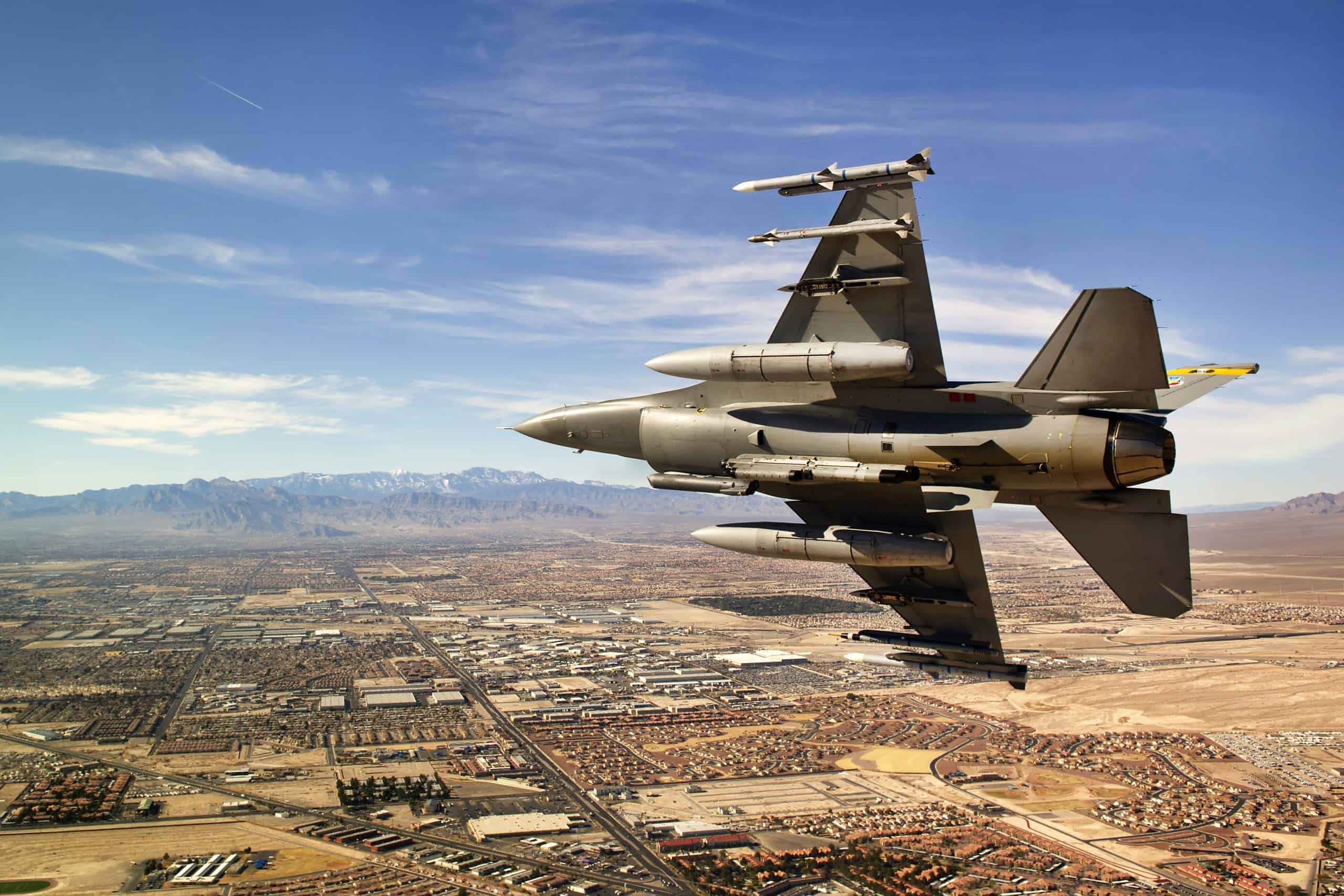
The modern U.S. Air Force traces its roots back to 1907 — only six years after the Wright brothers’ first successful manned flight. In its humble beginnings as the U.S. Army Signal Corps, the earliest iteration of the Air Force had an annual budget of just $125,000 — about $4 million in current dollars — and a fleet of only nine aircraft. The First and Second World Wars clearly demonstrated the wide-ranging combat applications of aircraft. After these wars, the U.S. Air Force became an independent military service branch, separate from the Army, and has remained essential to American combat operations ever since.
Today, the U.S. Air and Space Forces have a combined 323,000 troops in their ranks, accounting for over 25% of all active-duty service members in the U.S. military, according to the Department of Defense. While not the largest U.S. military branch, the Air Force is one of the best funded. In the Pentagon’s budget request for fiscal 2026, Air Force weapons programs have been allocated $158.9 billion in combined spending for research, development, and procurement. Meanwhile, for the same purposes, the U.S. Army and Navy are slated to receive $43.8 billion and $124.5 billion, respectively.
The government’s outsized investment in the Air Force is a direct reflection of the branch’s importance. By virtue of its ability to rapidly deploy virtually anywhere in the world to carry out strikes, gather intelligence, or conduct surveillance and reconnaissance missions, the U.S. Air Force is both a powerful deterrent to American adversaries, and a critical pillar of national security.
Maintaining technological superiority in aerial warfare is costly. A significant portion of the Air Force’s upcoming budget is dedicated to individual weapons programs, with estimated costs ranging from hundreds of millions to billions of dollars. These programs include stealth bombers, next-generation fighter jets, communication satellites, and nuclear-capable intercontinental ballistic missiles.
Using data from DOD’s annual budget request, 24/7 Wall St. identified the U.S. Air Force’s most expensive weapons programs in 2026. We considered all Air and Space Force weapons programs detailed in the report for the coming fiscal year and ranked them by cost projections. All supplemental data is also from the DOD’s report.
The weapons systems on this list include stealth bombers, fighter jets, communications and GPS systems, intercontinental ballistic missiles, multi-role helicopters, aerial drones, and training aircraft. The costs listed reflect estimates for procurement, research and development, or a combination of both.
The total cost of the weapons, materials, and upgrades on this list is expected to exceed $54 billion. Much of this spending will go to major defense companies contracted by the Pentagon to develop and manufacture these systems. Companies awarded these contracts include BAE Systems, Boeing, General Atomics, Lockheed Martin, Northrop Grumman, RTX (formerly Raytheon Technologies), Rocket Lab, and SpaceX.
These are the U.S. Air Force’s most expensive weapons programs in 2026.
Why It Matters
![us+Air+Force | US Air Force Weapons School [Image 20 of 24]](https://a673b.bigscoots-temp.com/wp-content/uploads/2024/07/imageForEntry19-zKi.jpg)
The U.S. defense budget is by far the largest in the world, surpassing that of the next nine highest-spending countries combined. Next year, the Defense Department is requesting nearly $159 billion for Air Force weapons and equipment procurement and development alone — more than Russia’s entire defense budget in 2024. Heavy investment in weapon systems for the U.S. Air Force is a direct reflection of the branch’s importance to American interests, both in times of war and peace.
17. HH-60W Combat Rescue Helicopter
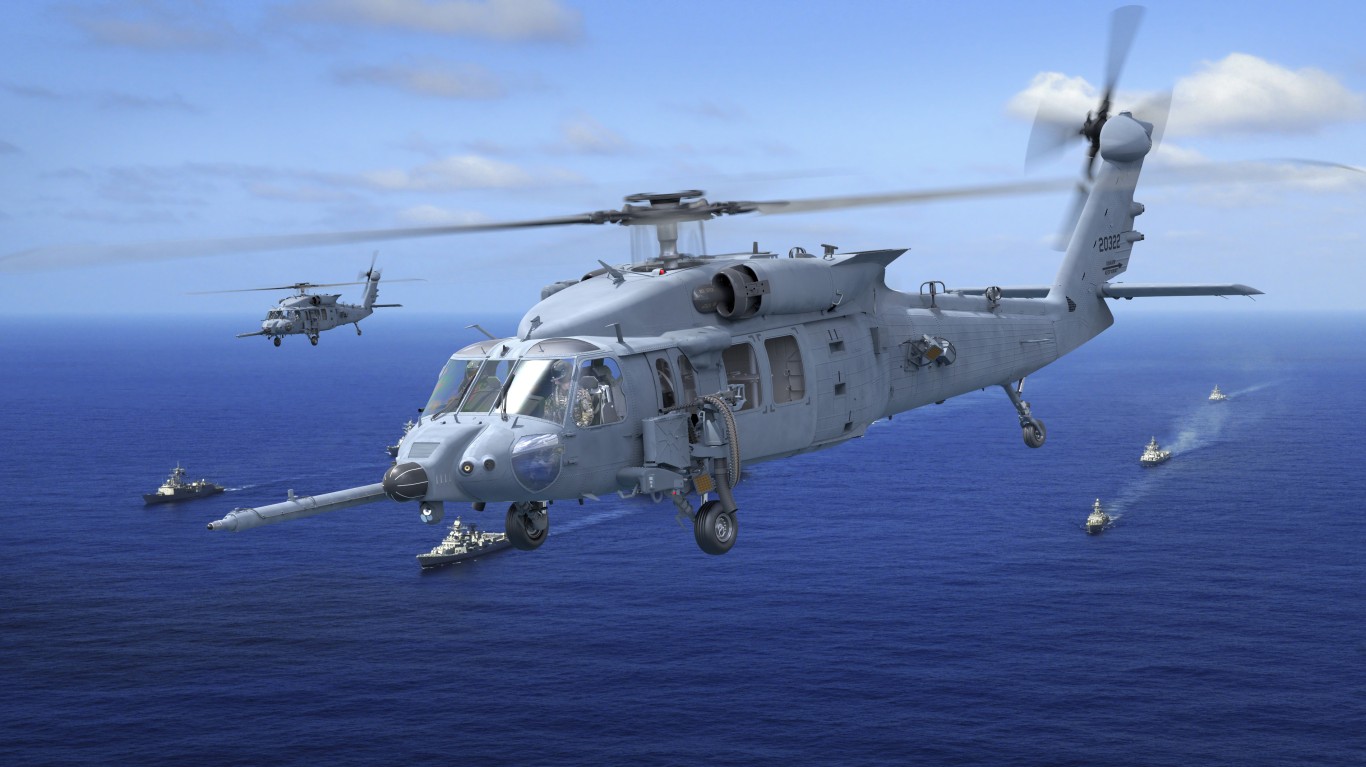
- Procurement budget for fiscal 2026: $166.8 million
- Change in funding, FY 2025 to FY 2026: -59.9% (-$248.8 million)
- Program category: Aircraft and Related Systems
- Weapon description: Upgrades and modifications for the all-weather, HH-60W search and rescue helicopter
- Program service branch: U.S. Air Force
- Primary contractor(s) include: Sikorsky (Lockheed Martin)
16. MH-139A Grey Wolf
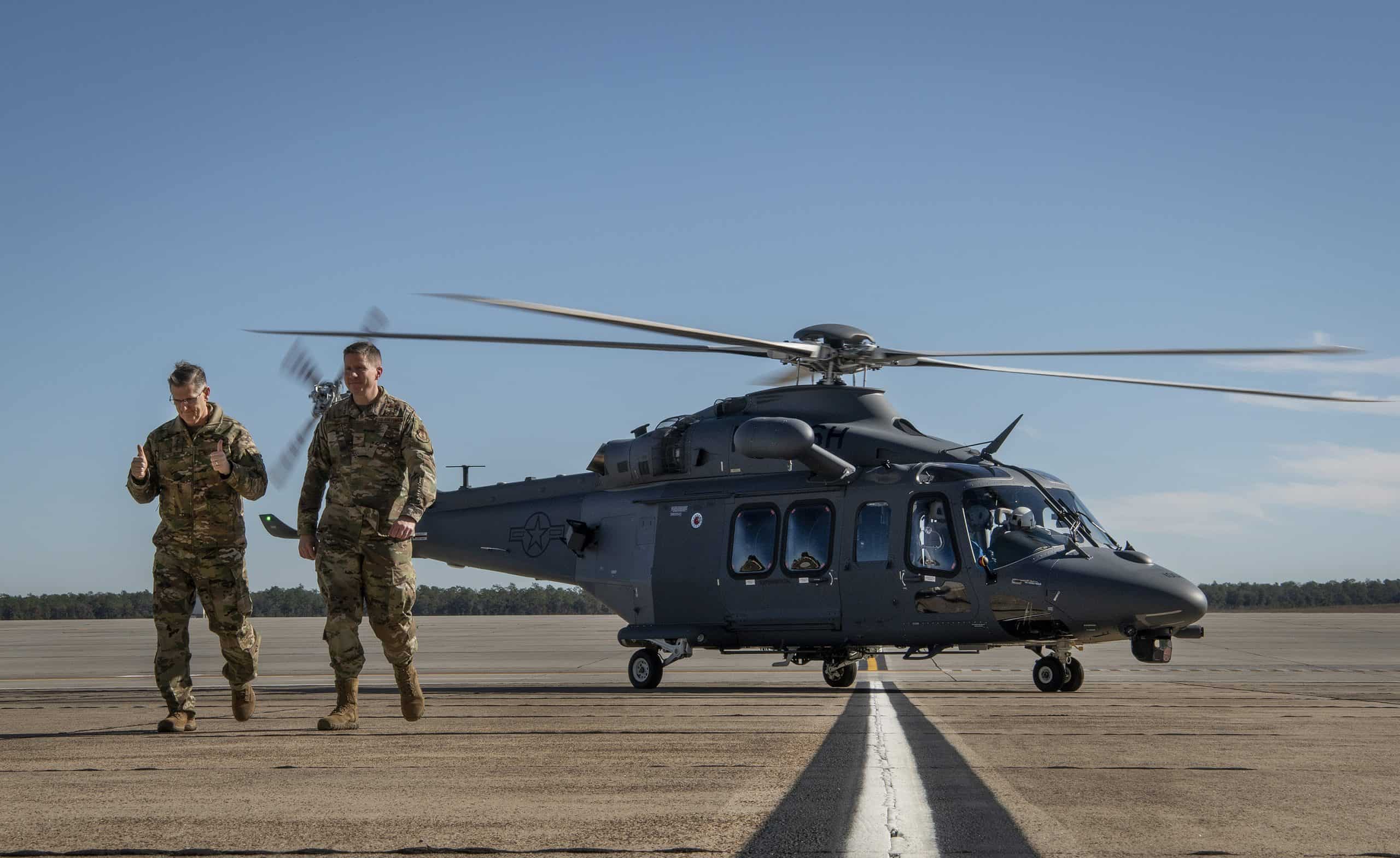
- Procurement budget for fiscal 2026: $170.4 million
- Change in funding, FY 2025 to FY 2026: -48.9% (-$163.1 million)
- Program category: Aircraft and Related Systems
- Weapon description: Multi-mission transport and nuclear-support helicopter
- Program service branch: U.S. Air Force
- Primary contractor(s) include: The Boeing Company
15. T-7A Advanced Pilot Training
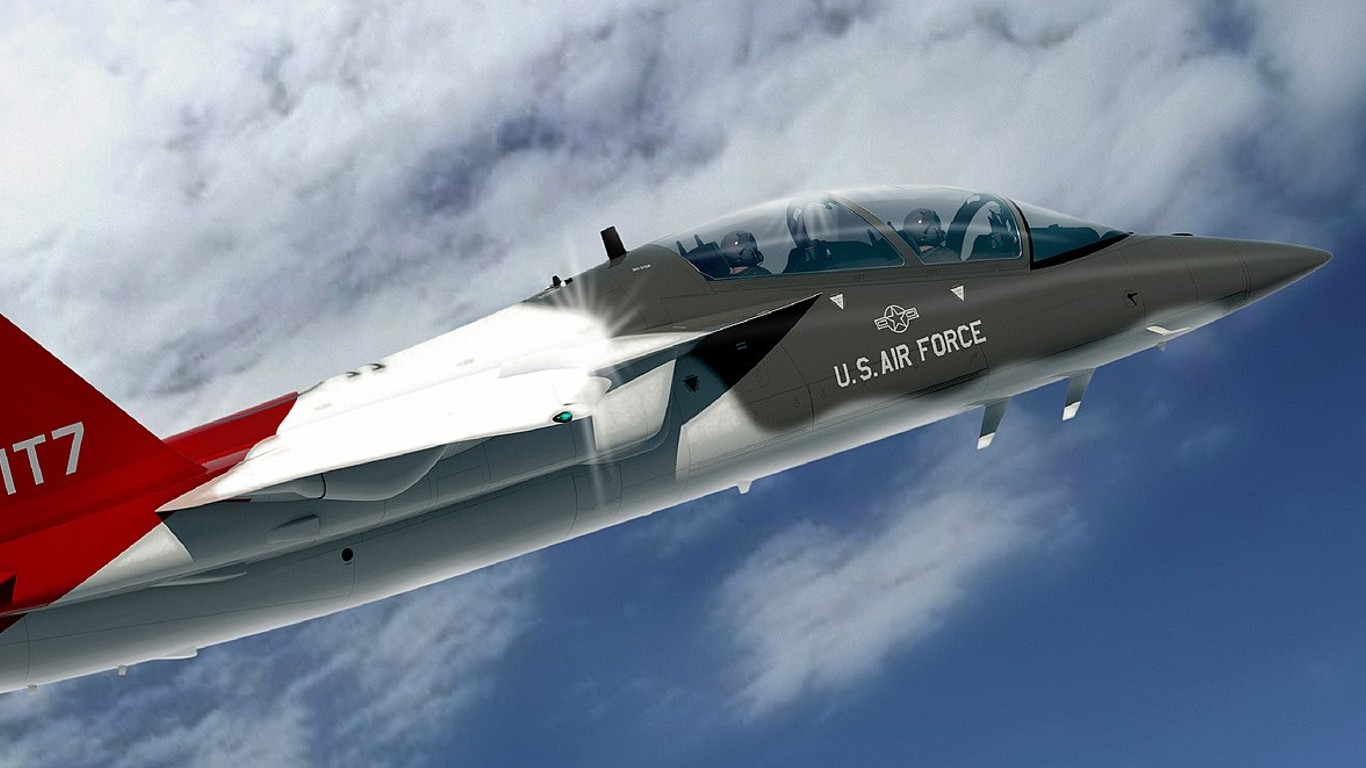
- Procurement budget for fiscal 2026: $648.6 million
- Change in funding, FY 2025 to FY 2026: +93.6% (+$313.5 million)
- Program category: Aircraft and Related Systems
- Weapon description: Training aircraft for fourth and fifth generation fighter jets
- Program service branch: U.S. Air Force
- Primary contractor(s) include: The Boeing Company
14. VC-25B Presidential Aircraft Recapitalization
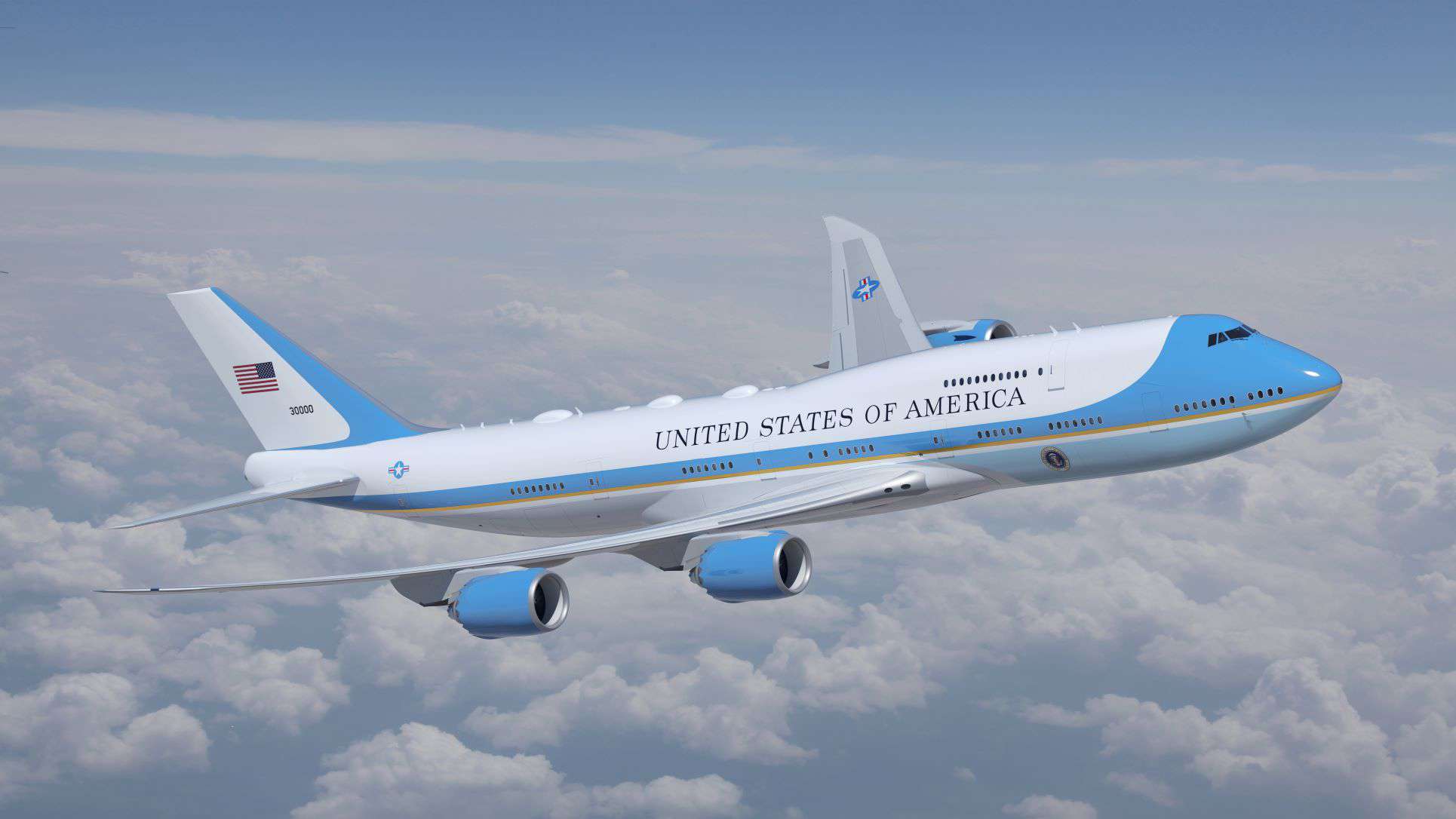
- Procurement budget for fiscal 2026: $675.7 million
- Change in funding, FY 2025 to FY 2026: +55.7% (+$241.8 million)
- Program category: Aircraft and Related Systems
- Weapon description: Engineering and manufacturing to upgrade Air Force One
- Program service branch: U.S. Air Force
- Primary contractor(s) include: The Boeing Company
13. PNT Positioning, Navigation, and Timing
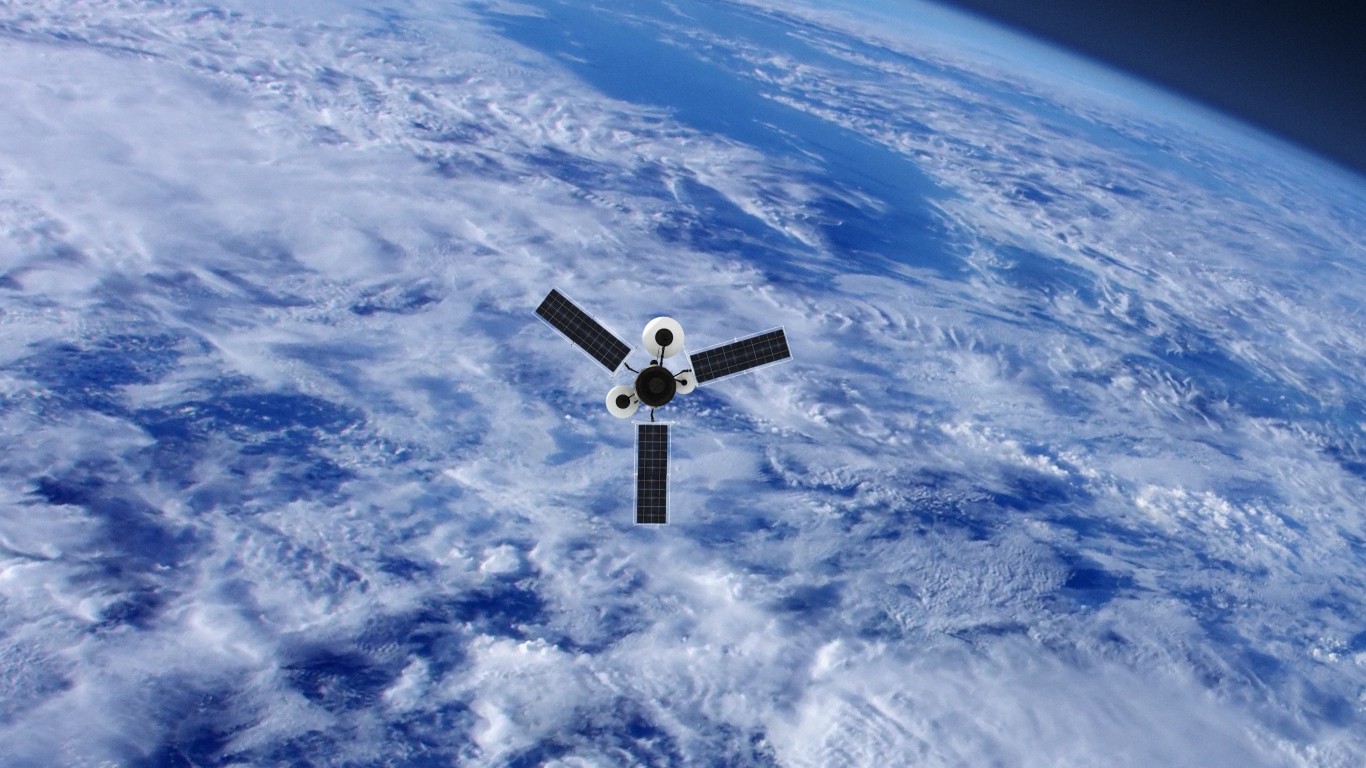
- Procurement budget for fiscal 2026: $702.6 million
- Change in funding, FY 2025 to FY 2026: -53.1% (-$795.0 million)
- Program category: Space Based Systems
- Weapon description: Global, three-dimensional, all-day, all-weather GPS system
- Program service branch: U.S. Air Force / Space Force
- Primary contractor(s) include: RTX (Raytheon Technologies), Lockheed Martin, BAE Systems, L3Harris
12. CCA Collaborative Combat Aircraft
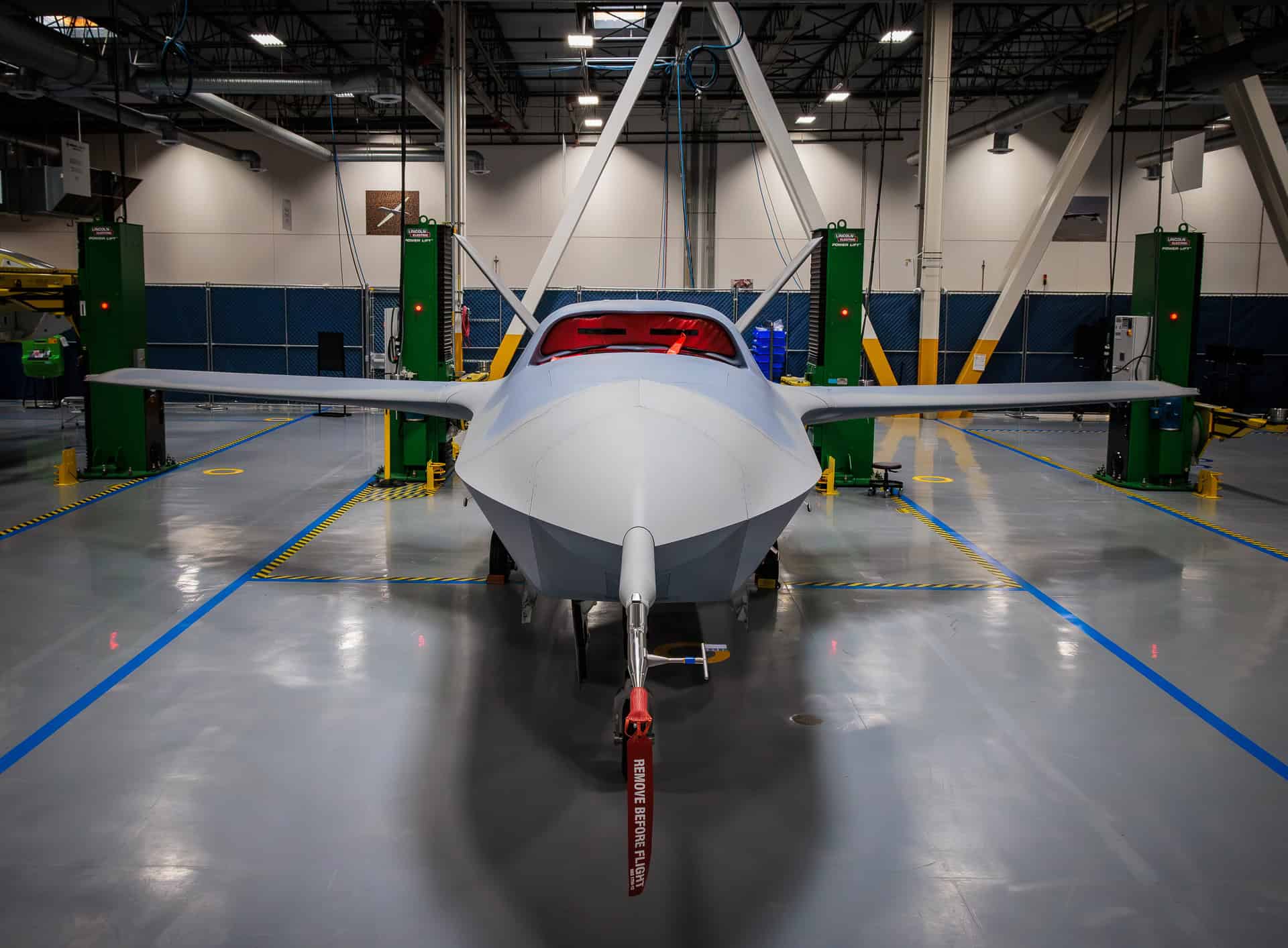
- Procurement budget for fiscal 2026: $804.4 million
- Change in funding, FY 2025 to FY 2026: +13.0% (+$92.7 million)
- Program category: Aircraft and Related Systems
- Weapon description: Unmanned fighter aircraft
- Program service branch: U.S. Air Force
- Primary contractor(s) include: General Atomics, Anduril
11. LRSO Long Range Stand-Off Weapon
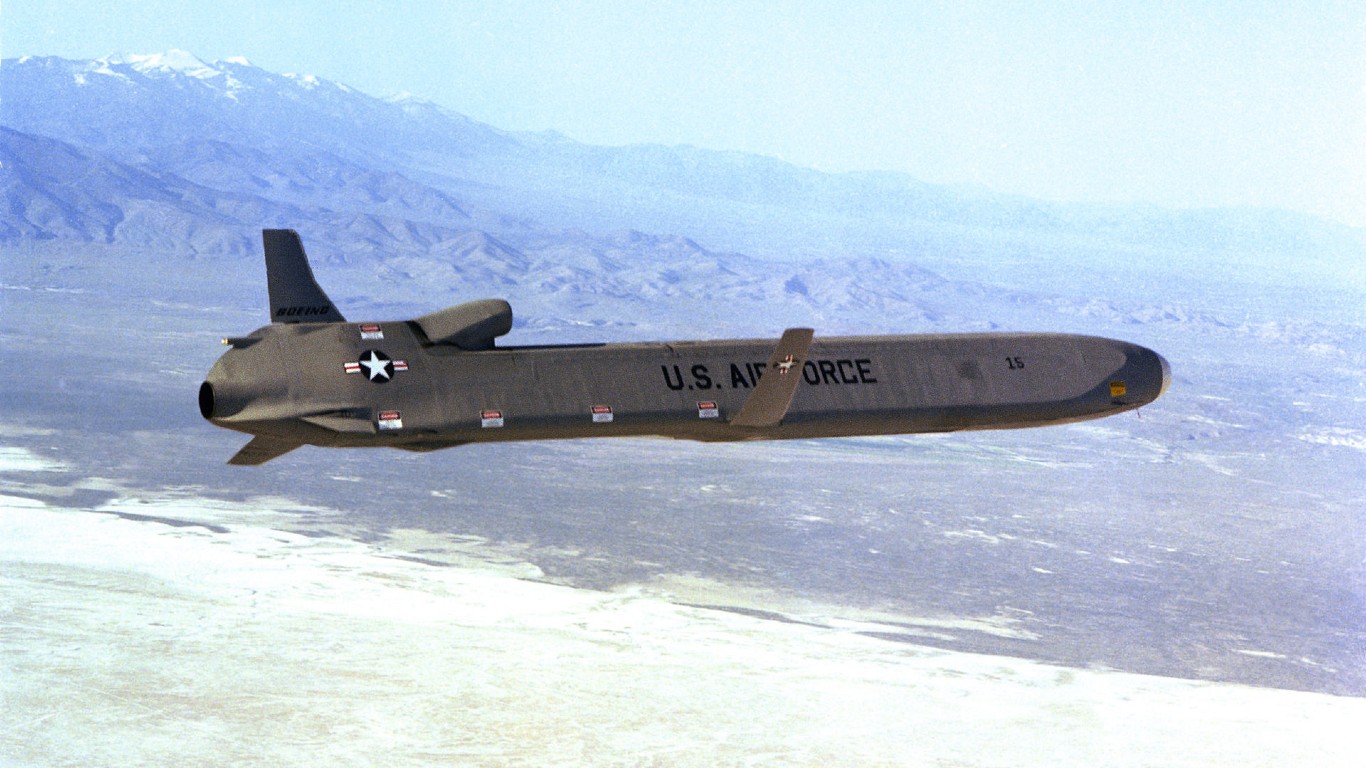
- Procurement budget for fiscal 2026: $1.1 billion
- Change in funding, FY 2025 to FY 2026: +30.6% (+$246.3 million)
- Program category: Missiles and Munitions
- Weapon description: Air defense-resistant nuclear cruise missile
- Program service branch: U.S. Air Force
- Primary contractor(s) include: RTX (Raytheon Technologies)
10. B-1, B-2, B-52 Bombers
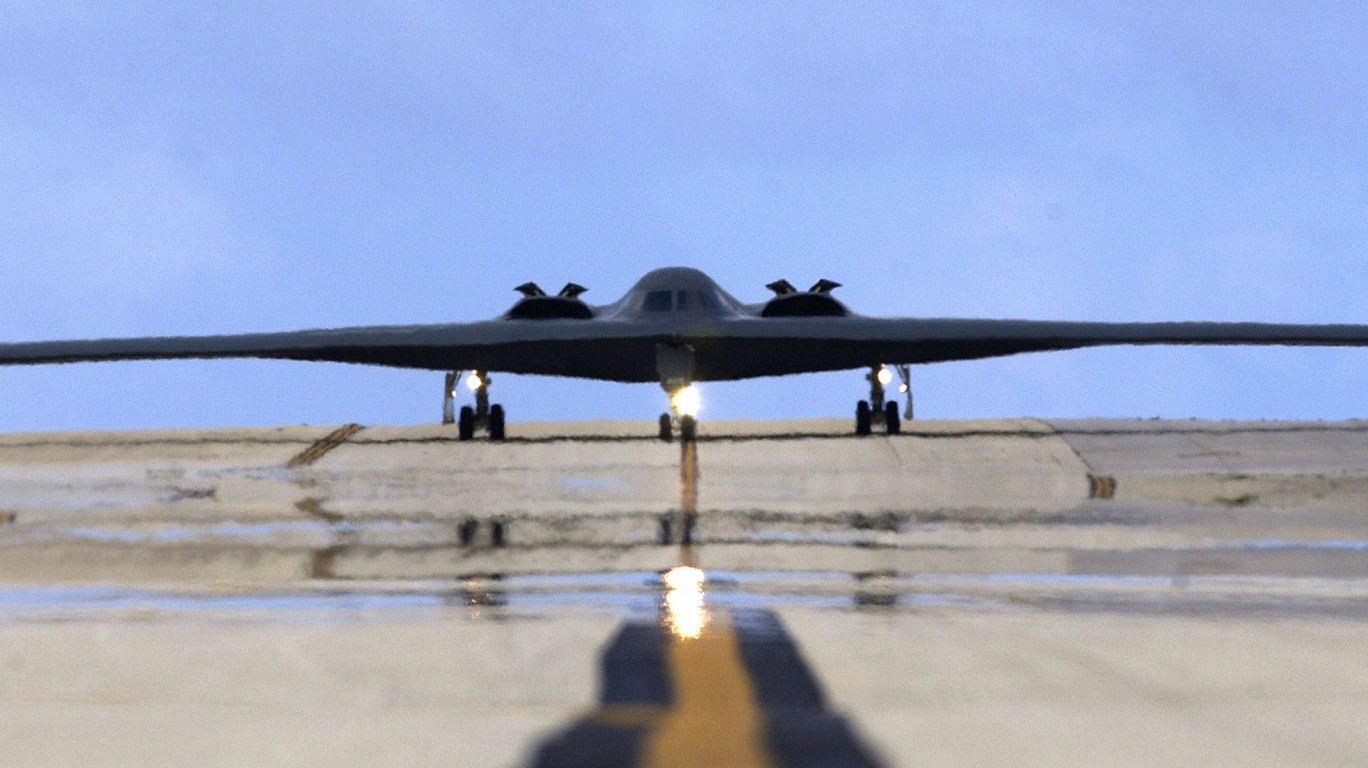
- Procurement budget for fiscal 2026: $1.5 billion
- Change in funding, FY 2025 to FY 2026: +12.2% (+$160.0 million)
- Program category: Aircraft and Related Systems
- Weapon description: Legacy long-range bomber aircraft
- Program service branch: U.S. Air Force
- Primary contractor(s) include: Northrop Grumman, The Boeing Company
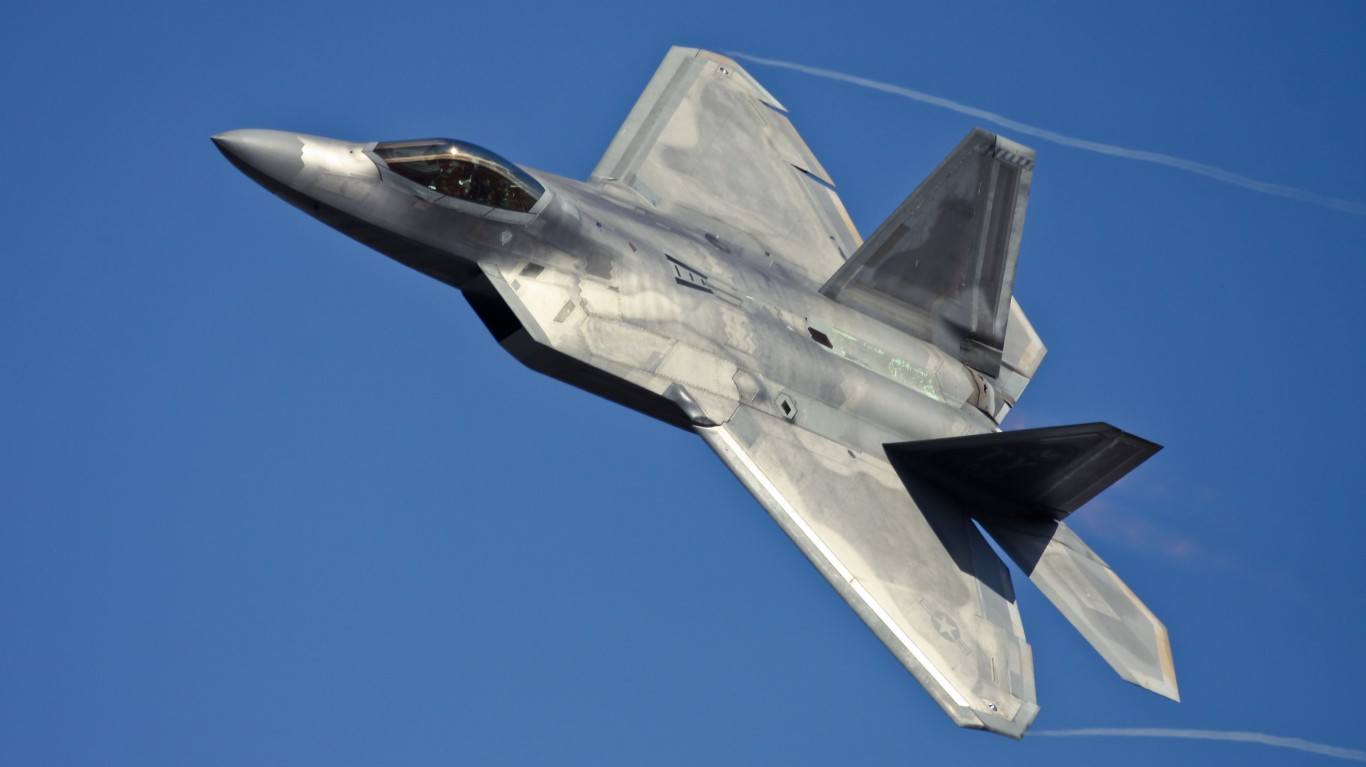
9. F-22 Raptor
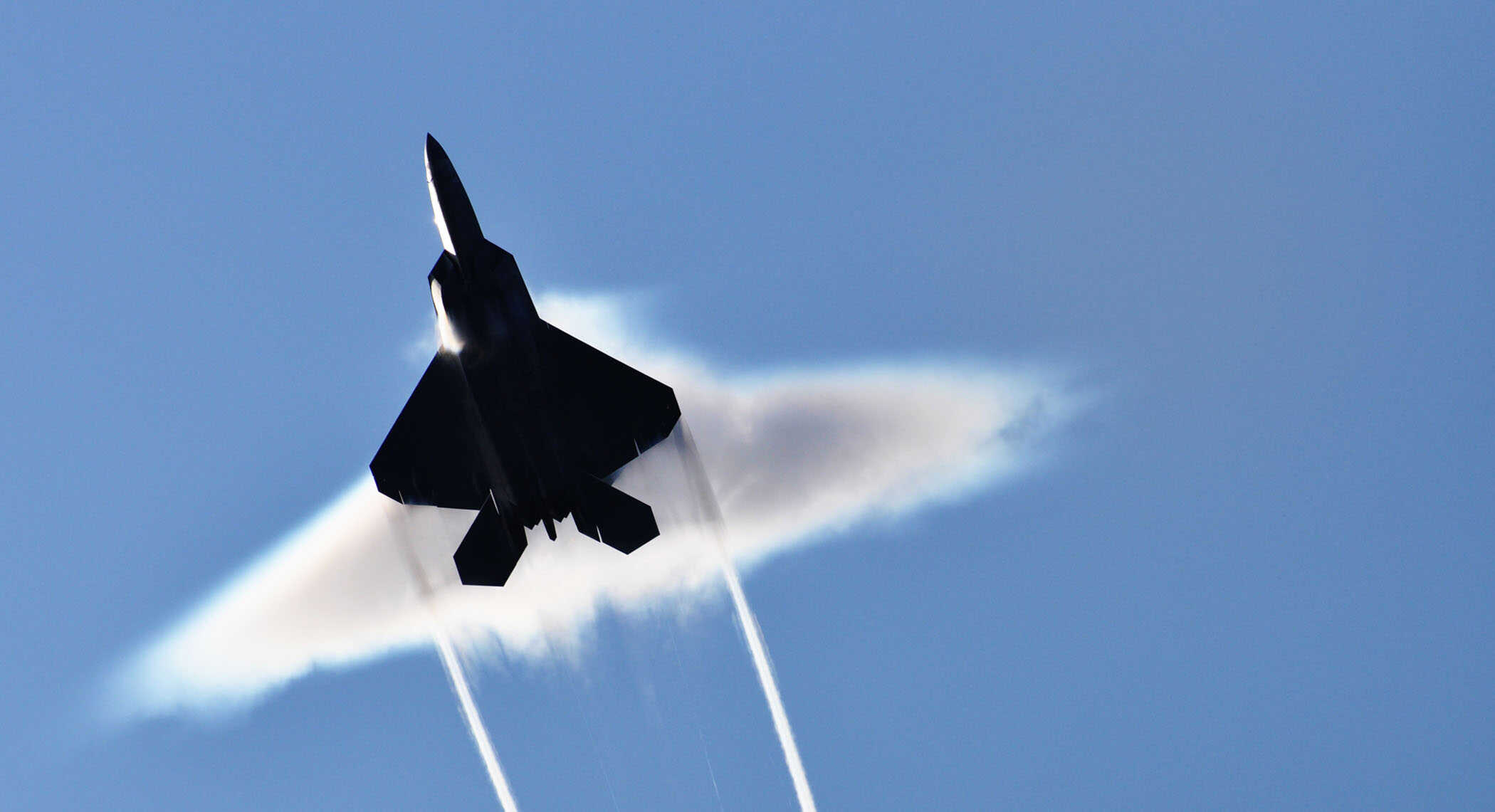
- Procurement budget for fiscal 2026: $2.0 billion
- Change in funding, FY 2025 to FY 2026: +22.0% (+$363.7 million)
- Program category: Aircraft and Related Systems
- Weapon description: Fifth-generation air superiority fighter jet
- Program service branch: U.S. Air Force
- Primary contractor(s) include: Lockheed Martin, Pratt & Whitney
8. Launch Enterprise
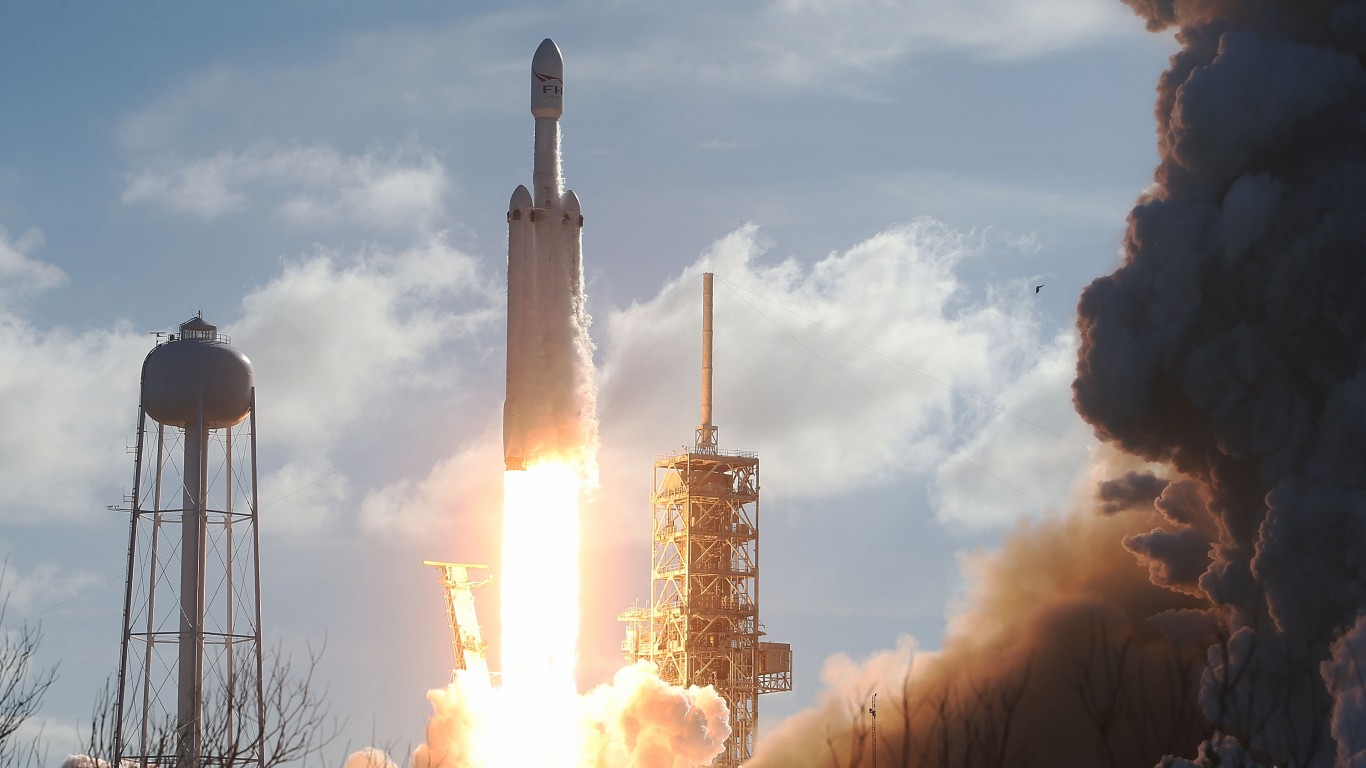
- Procurement budget for fiscal 2026: $2.4 billion
- Change in funding, FY 2025 to FY 2026: +0.5% (+$11.3 million)
- Program category: Space Based Systems
- Weapon description: Rocket system launch enterprise
- Program service branch: U.S. Air Force / Space Force
- Primary contractor(s) include: Blue Origin, Rocket Lab, SpaceX, Stoke Space, United Launch Alliance, Northrop Grumman
7. KC-46A Pegasus
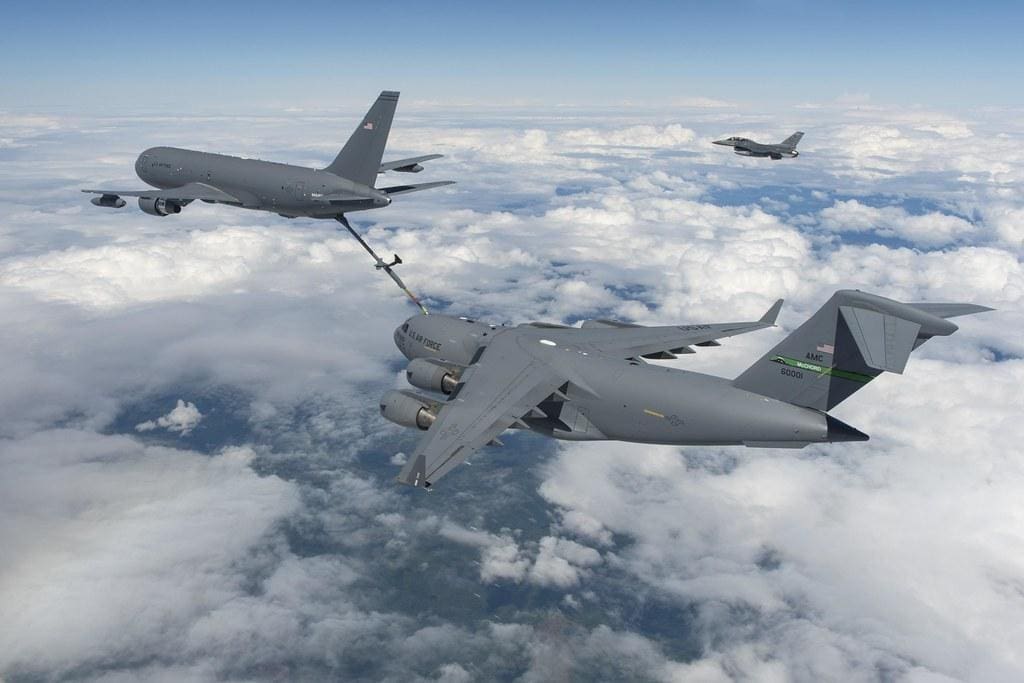
- Procurement budget for fiscal 2026: $3.3 billion
- Change in funding, FY 2025 to FY 2026: +6.3% (+$195.0 million)
- Program category: Aircraft and Related Systems
- Weapon description: Aerial refueling aircraft
- Program service branch: U.S. Air Force
- Primary contractor(s) include: The Boeing Company
6. F-47 Next Generation Air Dominance
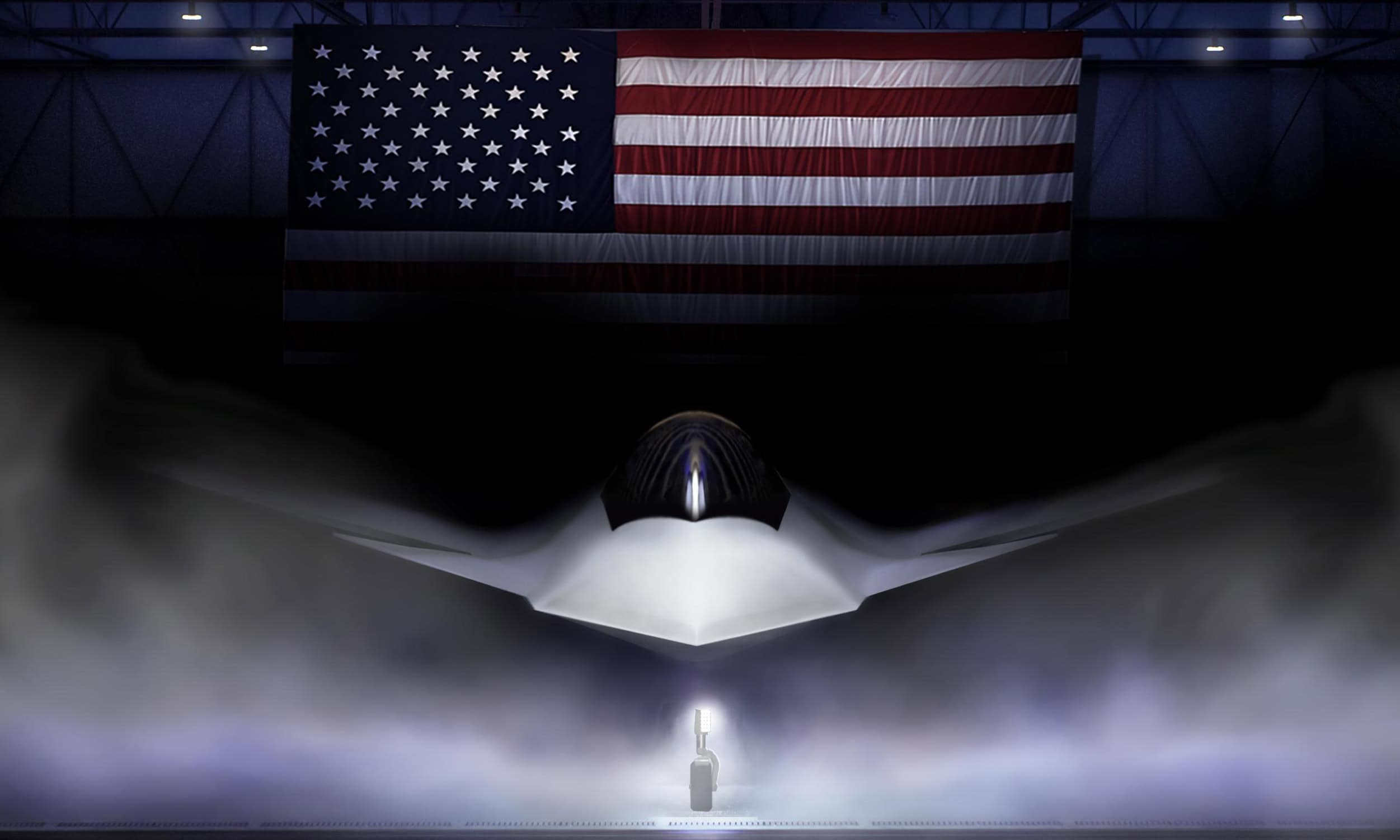
- Procurement budget for fiscal 2026: $3.5 billion
- Change in funding, FY 2025 to FY 2026: +43.5% (+$1.1 billion)
- Program category: Aircraft and Related Systems
- Weapon description: Sixth-generation fighter jet
- Program service branch: U.S. Air Force
- Primary contractor(s) include: The Boeing Company
5. F-15 Eagle / Eagle II
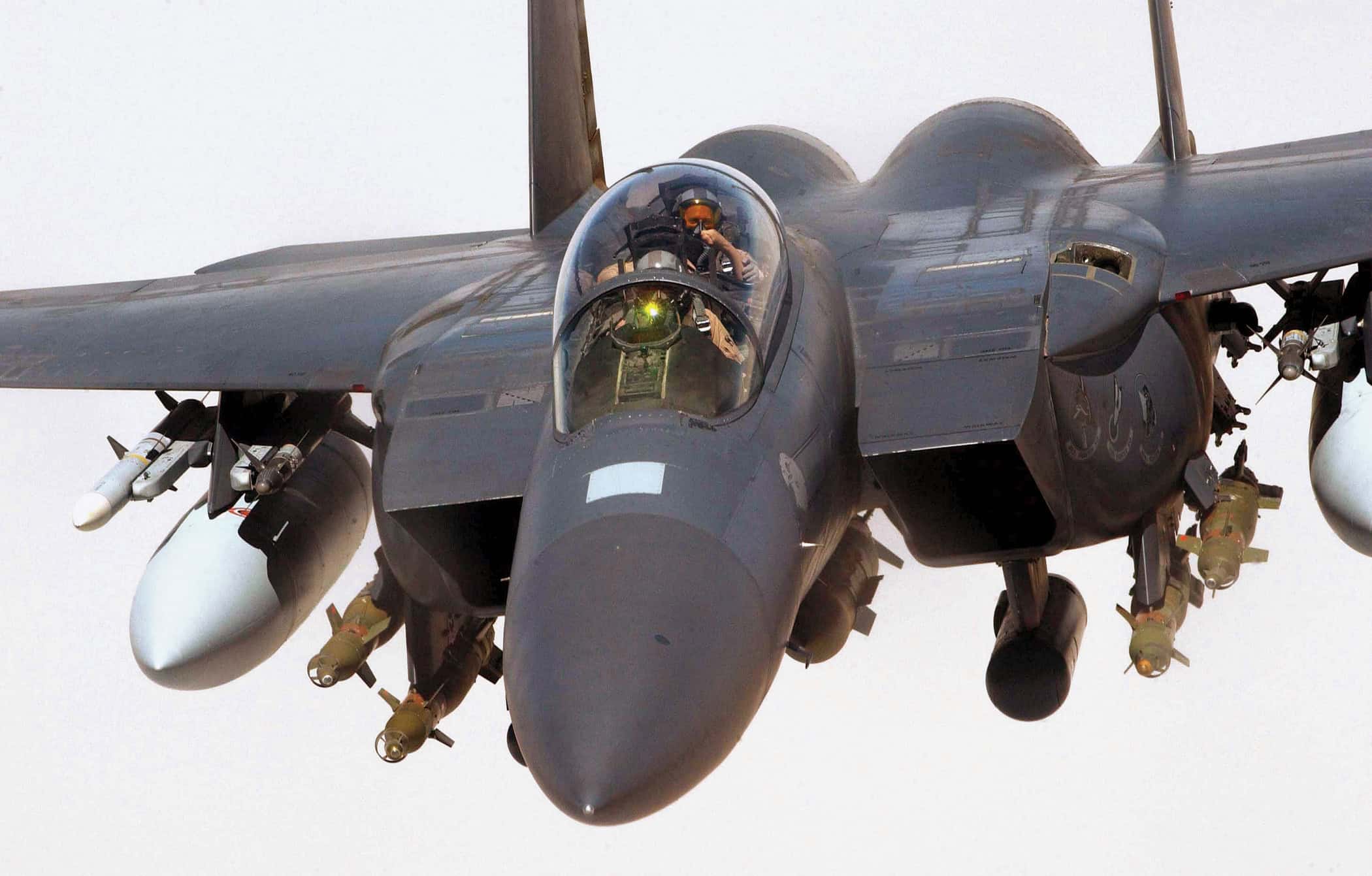
- Procurement budget for fiscal 2026: $3.8 billion
- Change in funding, FY 2025 to FY 2026: +60.3% (+$1.4 billion)
- Program category: Aircraft and Related Systems
- Weapon description: Multi-role fighter jet
- Program service branch: U.S. Air Force
- Primary contractor(s) include: The Boeing Company
4. LGM-35A Sentinel
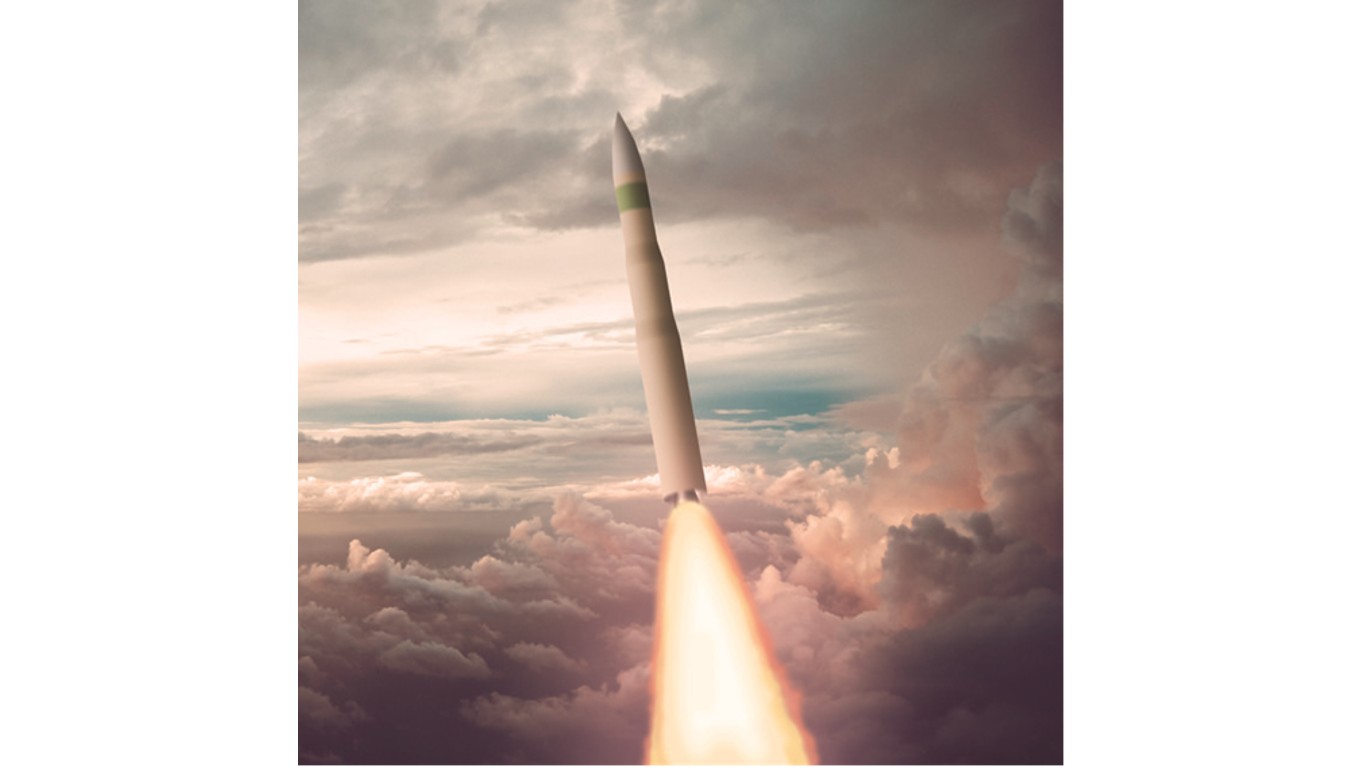
- Procurement budget for fiscal 2026: $4.2 billion
- Change in funding, FY 2025 to FY 2026: +106.2% (+$2.1 billion)
- Program category: Missiles and Munitions
- Weapon description: Nuclear-capable, ground-based intercontinental ballistic missile
- Program service branch: U.S. Air Force
- Primary contractor(s) include: Northrop Grumman
3. SATCOM Satellite Communications
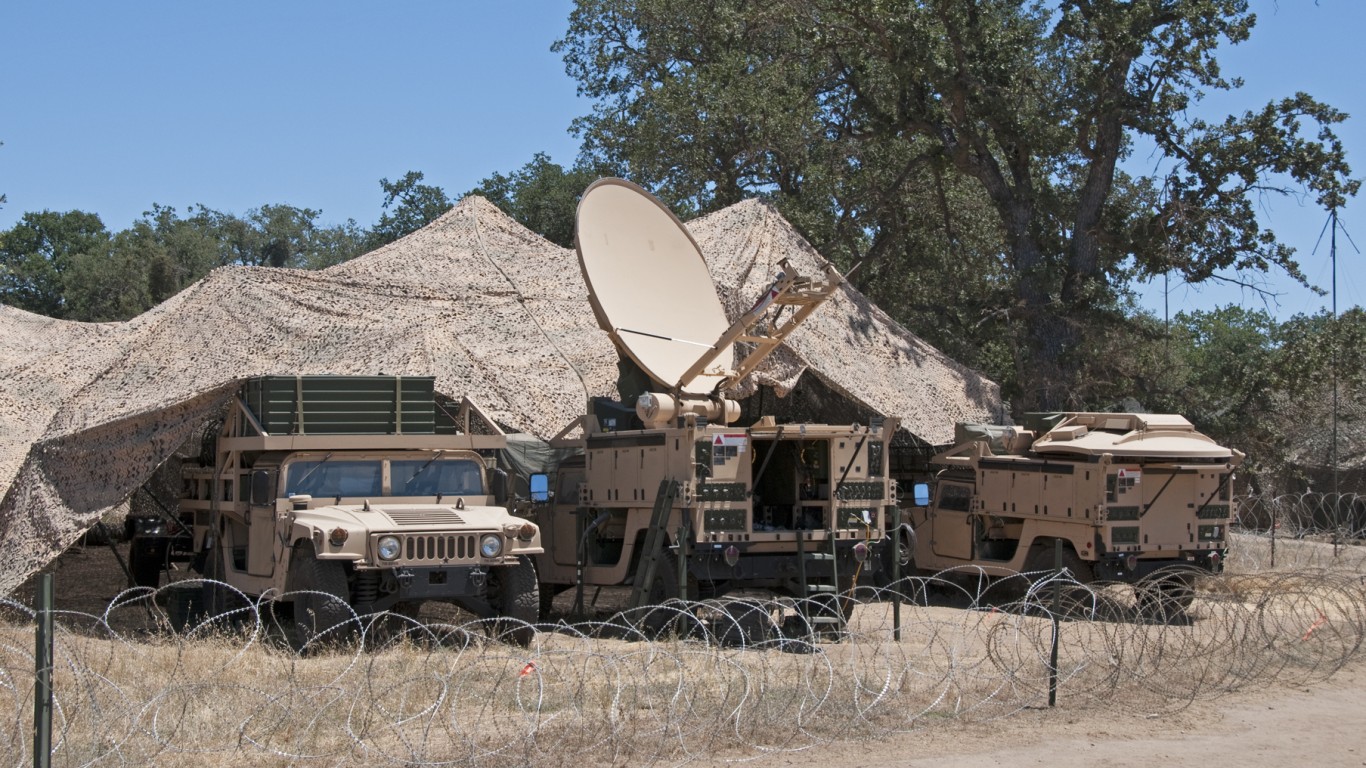
- Procurement budget for fiscal 2026: $5.9 billion
- Change in funding, FY 2025 to FY 2026: +31.4% (+$1.4 billion)
- Program category: Space Based Systems
- Weapon description: Satellite-based DOD communication systems
- Program service branch: U.S. Air Force / Space Force
- Primary contractor(s) include: The Boeing Company, Northrop Grumman, General Dynamics, RTX (Raytheon Technologies)
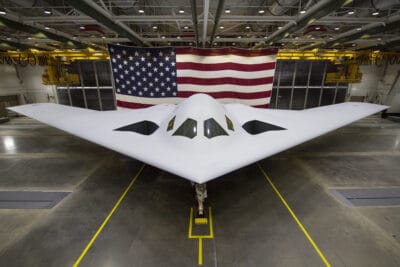
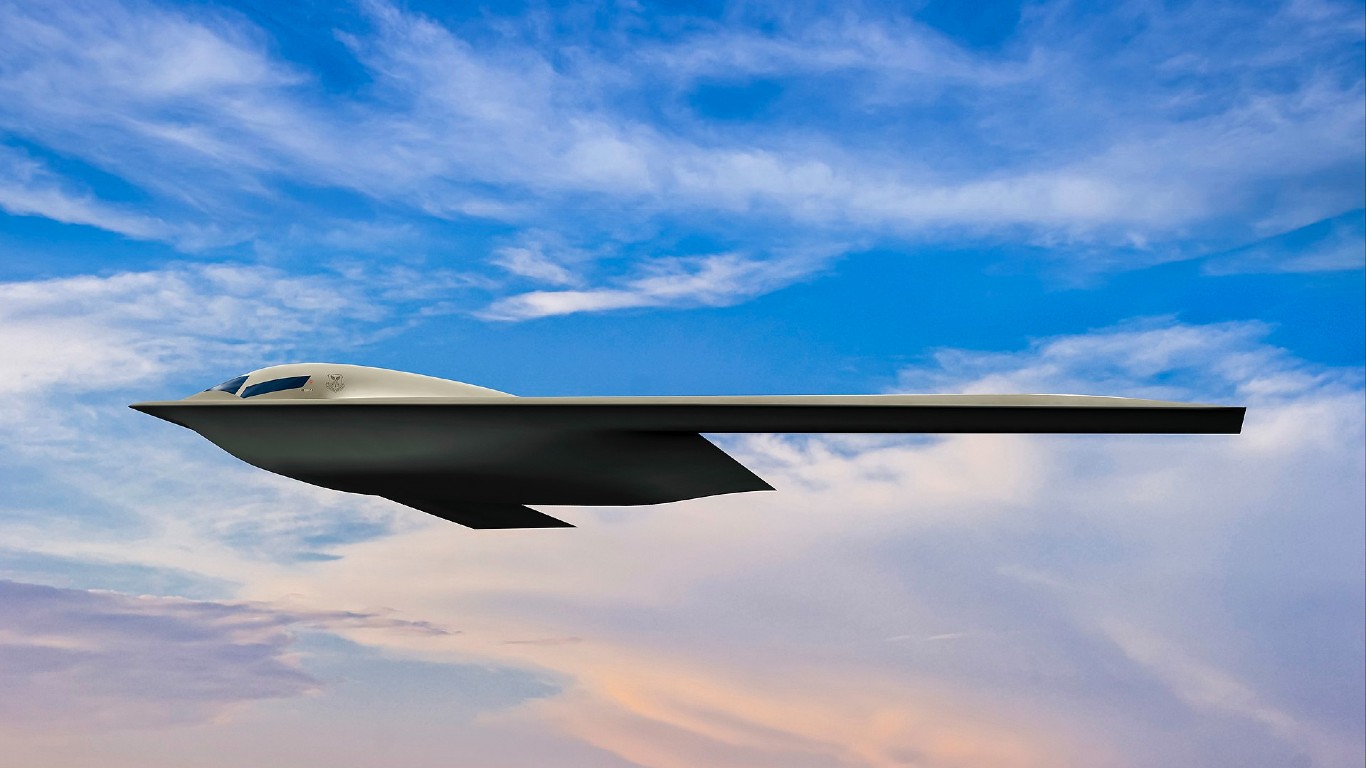
2. B-21 Raider
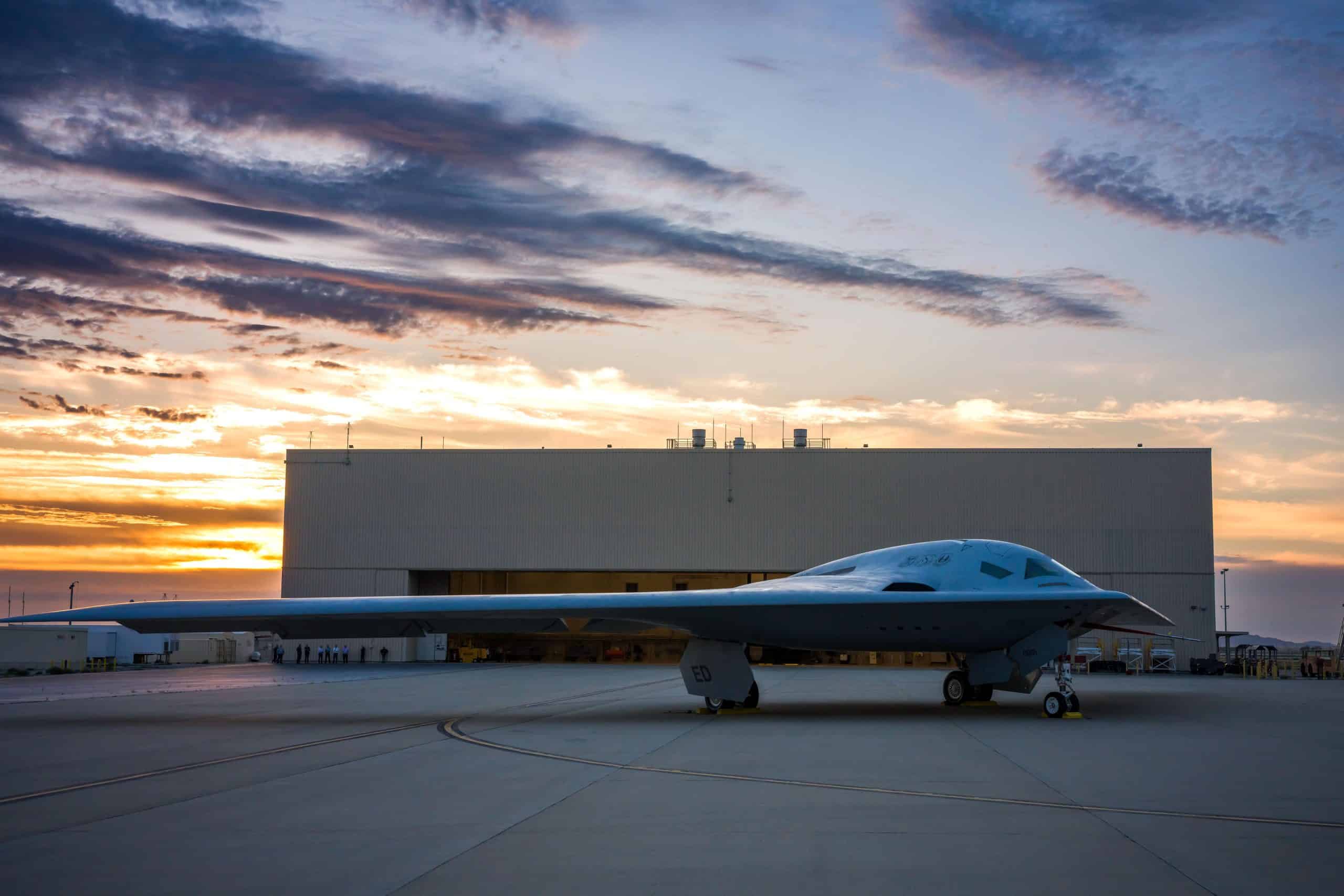
- Procurement budget for fiscal 2026: $10.3 billion
- Change in funding, FY 2025 to FY 2026: +95.8% (+$5.0 billion)
- Program category: Aircraft and Related Systems
- Weapon description: Long-range stealth bomber aircraft
- Program service branch: U.S. Air Force
- Primary contractor(s) include: Northrop Grumman
1. MW/MT Missile Warning/Missile Tracking

- Procurement budget for fiscal 2026: $13.0 billion
- Change in funding, FY 2025 to FY 2026: +175.8% (+$8.3 billion)
- Program category: Space Based Systems
- Weapon description: Space-based infrared missile warning satellites
- Program service branch: U.S. Air Force / Space Force
- Primary contractor(s) include: Lockheed Martin, Northrop Grumman






 Top Gaining Stocks
 Top Losing Stocks