


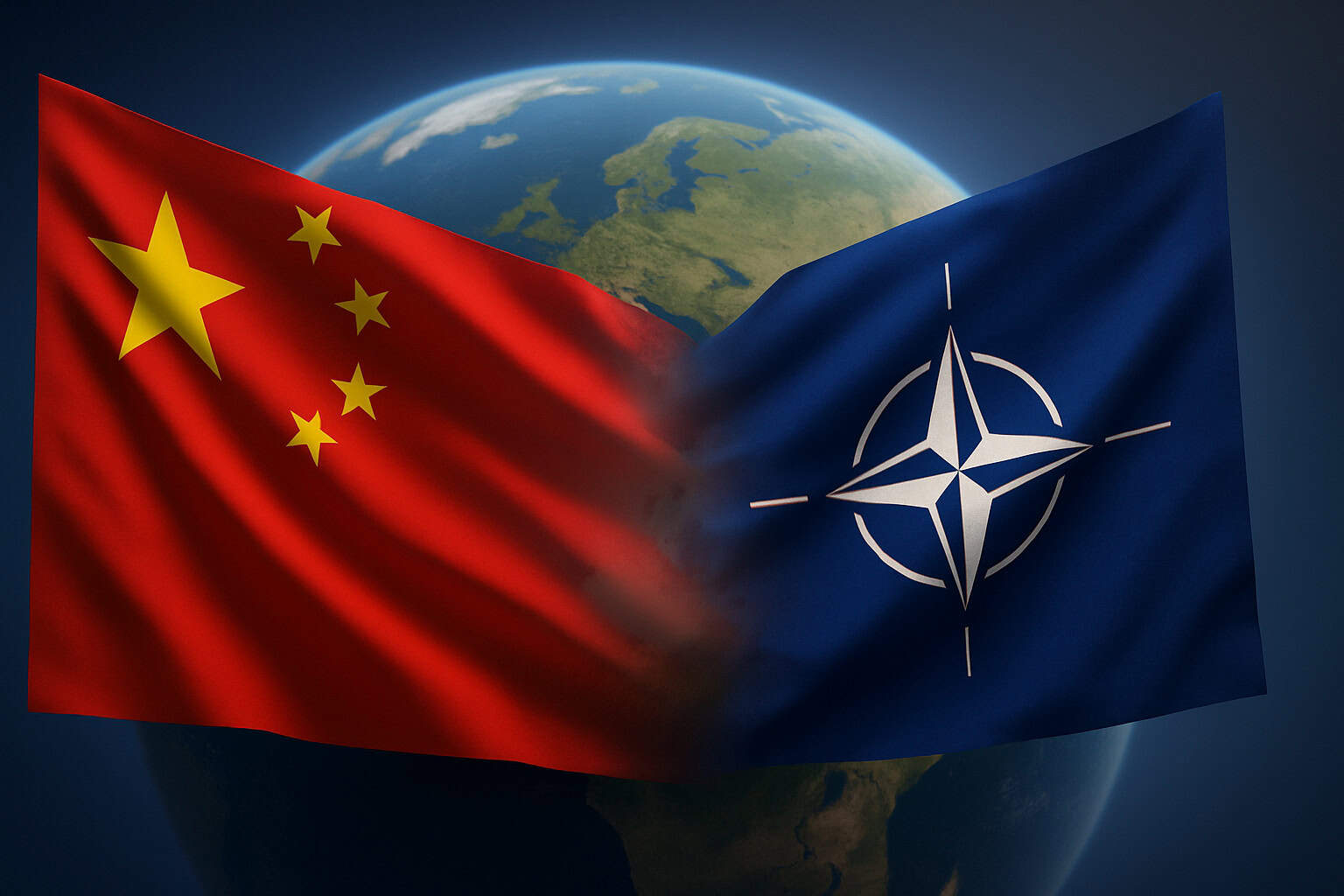
There has long been a contest between East and West, whether its competing militaries, economies, and ideologies. The ascendance of China in the last few decades has been at record pace and gives credence to its economic and military power. While Western countries, mostly NATO nations, have been at the forefront of economic and military might as a result of their alliances (EU and NATO), it is still interesting to draw a comparison between these two massive powers on the world stage. Here, 24/7 Wall St. is settling the score.
To compare all of NATO and China, 24/7 Wall St. reviewed the 2025 Military Strength Ranking from Global Firepower, an annually updated defense-related statistics website with information on 145 countries. Global Firepower ranked 145 countries based on their PowerIndex, a composite of over 60 measures in categories such as military might, financials, logistical capability, and geography. The smaller the PowerIndex value the more powerful a nation’s theoretical conventional fighting capability is. We included multiple factors in the comparison across different fields ranging from economics, land power, air power, and naval power, as well as a few others to give a full picture to how these countries measure up.
24/7 Wall St. is taking a closer look at how these countries match up across multiple sectors ranging from military prowess to economic strength.
Here is a look at how the entirety NATO and China compare on these fronts:
Why Are We Covering This?
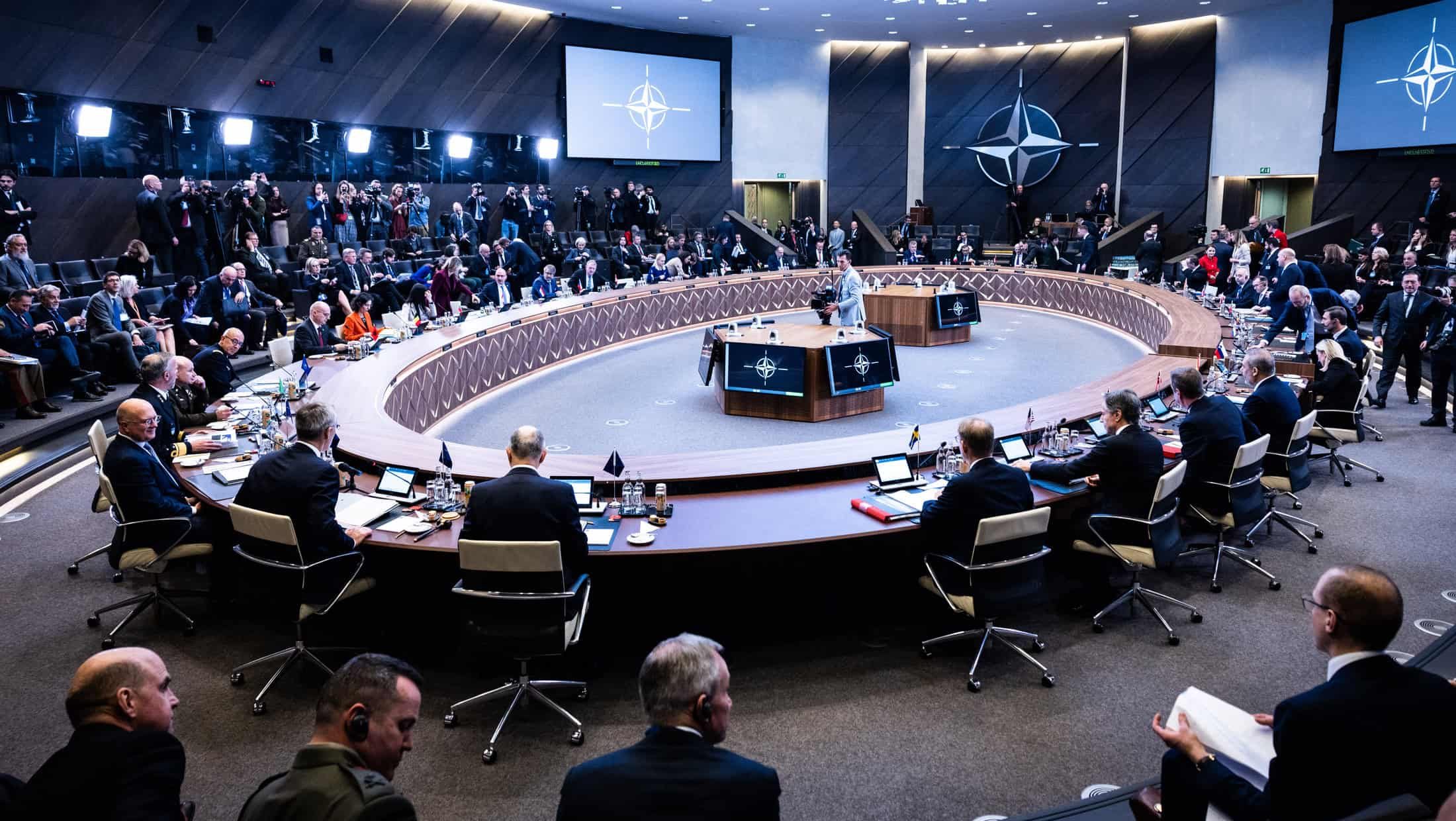
In this rapidly evolving world, the comparison of military power between countries serves as a measure of global stability. This analysis is important not just for understanding each nation’s defense capabilities, but also should an offensive conflict arise. While superpowers like the United States, China, and Russia dominate headlines with their military resources, other nations also play important roles in regional security dynamics and geopolitical relations. This analysis seeks to understand these countries from a base level of assets, resources, manpower, and economics.
China Financials

- Purchasing power parity: $31,227,000,000,000
- Foreign exchange reserves and gold: $3,450,000,000,000
- Defense budget: $266,850,000,000 – #2 out of 145
- External debt: 1,218,458,500,000
NATO Financials

- Purchasing power parity: $57,111,222,000,000
- Foreign exchange reserves and gold: $3,128,907,000,000
- Defense budget: $1,381,771,896,295 – #1 out of 145
- External debt: 69,215,507,000,000
China Population

- Total population: 1,415,043,270
- Population reaching military age: 19,810,606
- Population fit-for-service: 626,864,169
NATO Population

- Total population: 981,309,310
- Population reaching military age: 11,631,585
- Population fit-for-service: 365,356,994
China Manpower
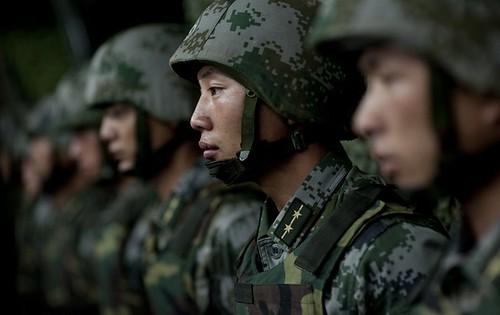
- Active personnel: 2,035,000
- Air Force personnel: 400,000
- Army personnel: 2,545,000
- Navy personnel: 380,000
- Reserve personnel: 510,000
- Paramilitary forces: 625,000
- Total military personnel: 3,170,000
NATO Manpower
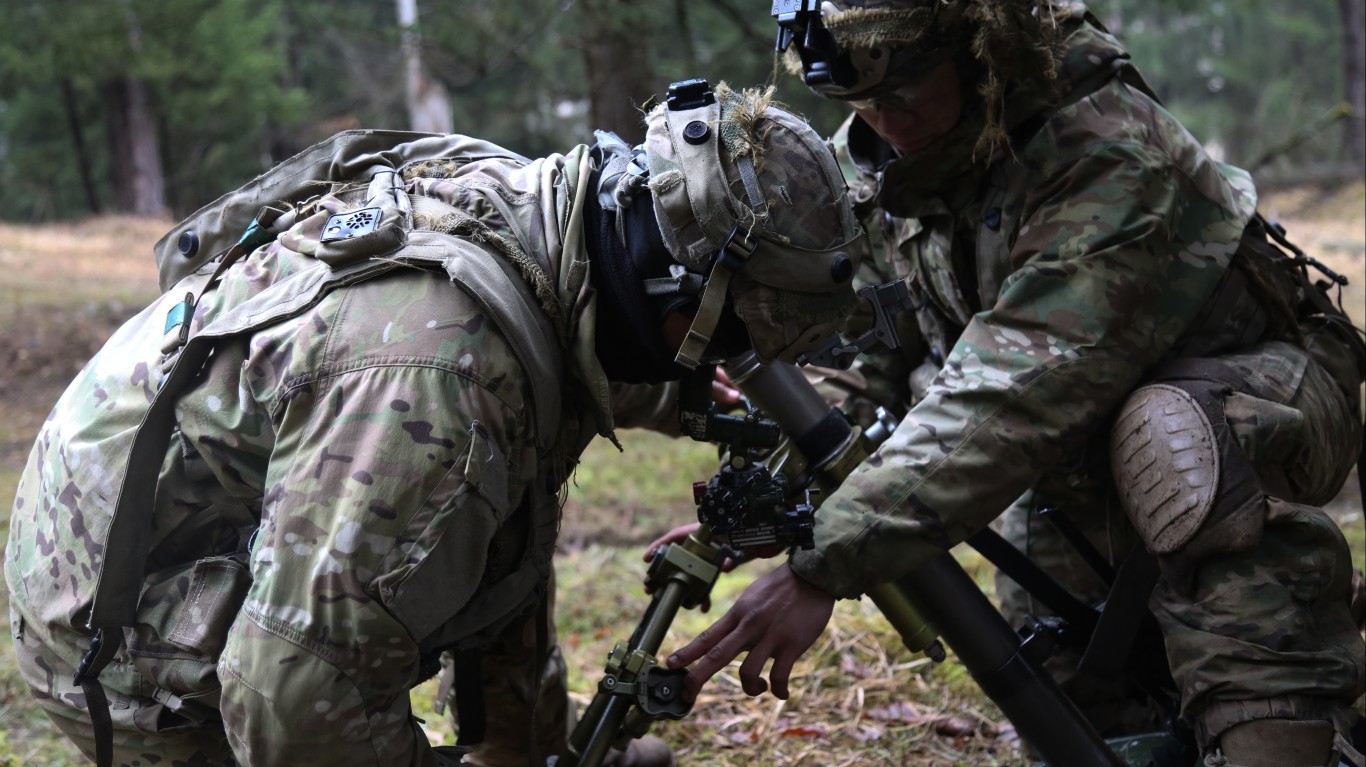
- Active personnel: 3,439,197
- Air Force personnel: 1,170,584
- Army personnel: 3,083,256
- Navy personnel: 1,032,053
- Reserve personnel: 4,343,065
- Paramilitary forces: 876,620
- Total military personnel: 8,593,632
China Air Power
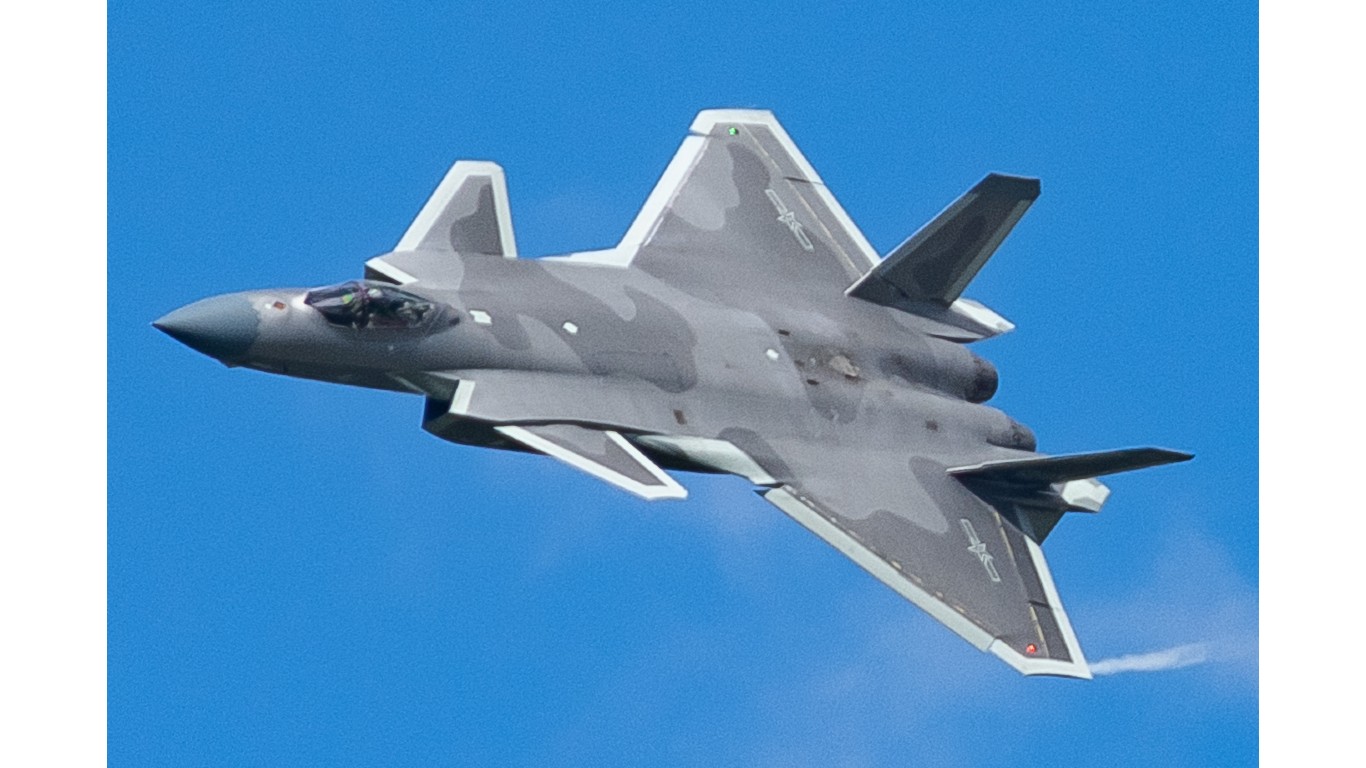
- Total aircraft: 3,309
- Fighter aircraft: 1,212
- Attack aircraft: 371
- Transport aircraft: 289
- Special-mission aircraft: 112
- Tanker aircraft: 10
- Trainer aircraft: 402
- Helicopters: 913
- Attack helicopters: 281
NATO Air Power
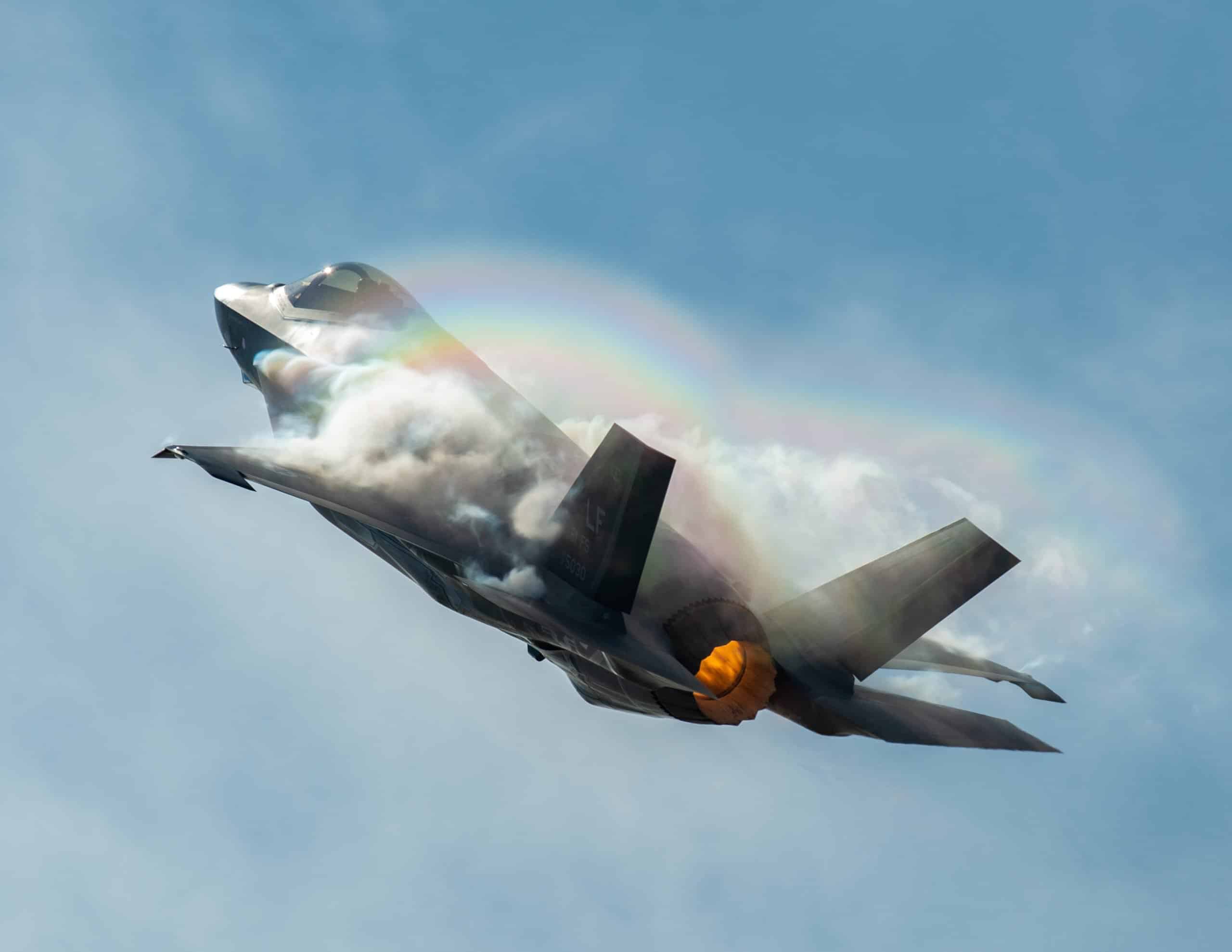
- Total aircraft: 20,376
- Fighter aircraft: 3,314
- Attack aircraft: 1,163
- Transport aircraft: 1,480
- Special-mission aircraft: 889
- Tanker aircraft: 658
- Trainer aircraft: 4,319
- Helicopters: 9,141
- Attack helicopters: 1,416
China Land Forces
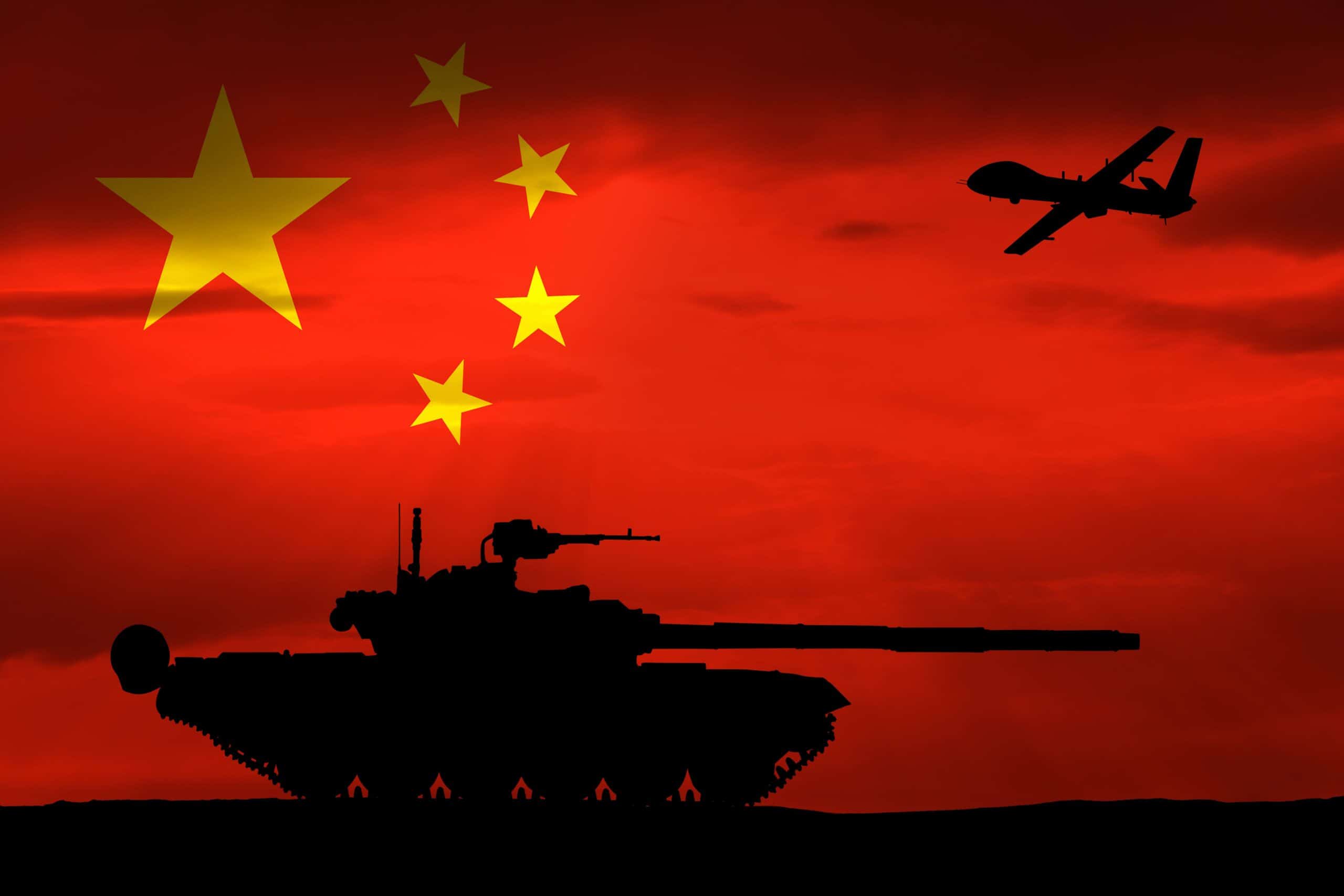
- Total military vehicles: 144,017
- Tanks: 6,800
- Multiple Launch Rocket Systems (MLRS): 2,750
- Self-propelled artillery: 3,490
- Towed artillery: 1,000
- Total artillery: 4,490
NATO Land Forces
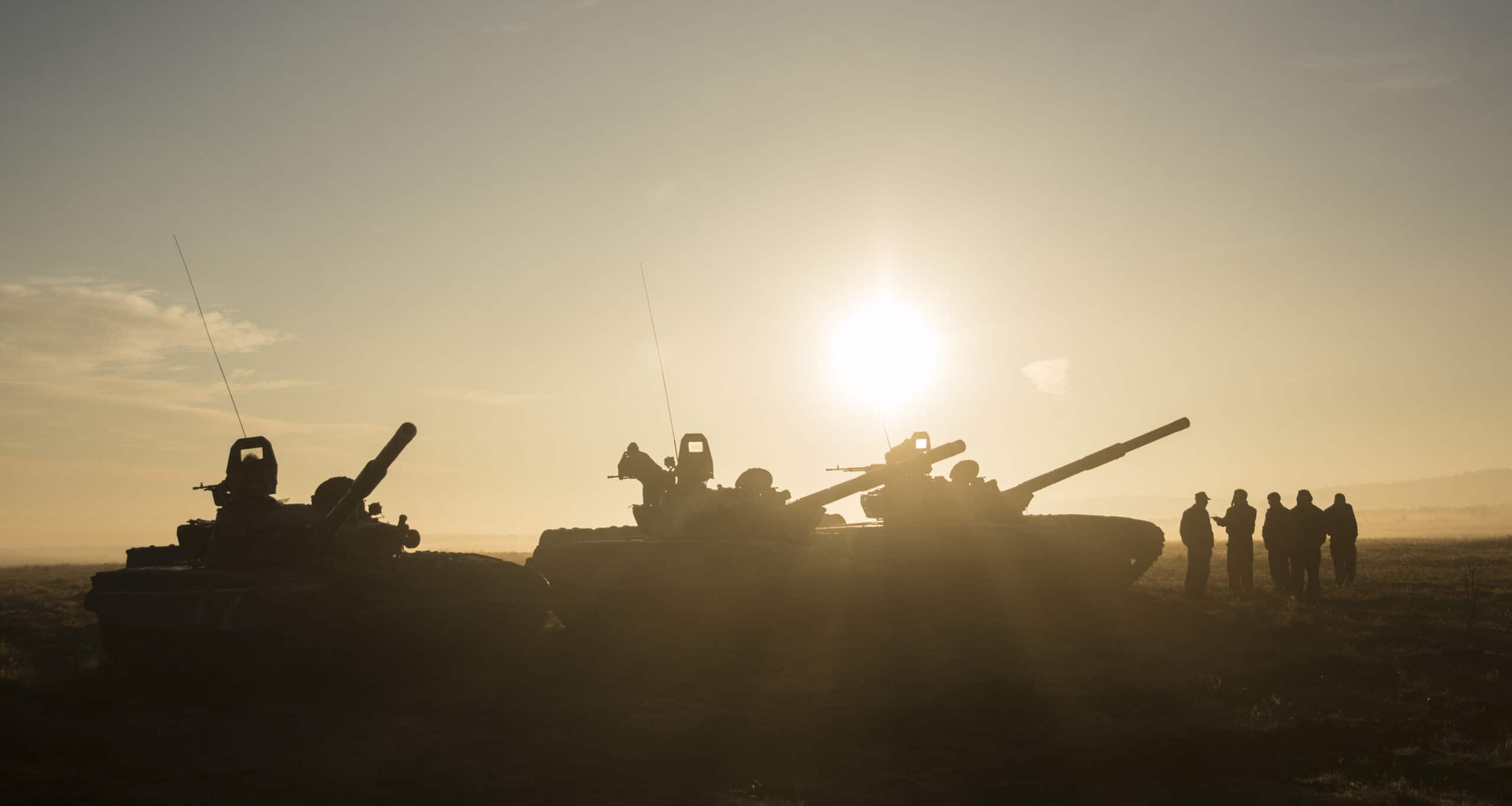
- Total military vehicles: 976,138
- Tanks: 11,495
- Multiple Launch Rocket Systems (MLRS): 1,977
- Self-propelled artillery: 3,985
- Towed artillery: 6,294
- Total artillery: 10,279
China Naval Forces
_20210427.jpg "Liaoning by u65e5u672cu9632u885bu7701u30fbu7d71u5408u5e55u50dau76e3u90e8")
- Total naval assets: 754
- Total naval tonnage: 2,857,143
- Aircraft carriers: 3
- Helicopter carriers: 4
- Destroyers: 50
- Frigates: 47
- Corvettes: 72
- Submarines: 61
- Off-shore patrol vessels: 150
- Mine warfare vessels: 36
NATO Naval Forces
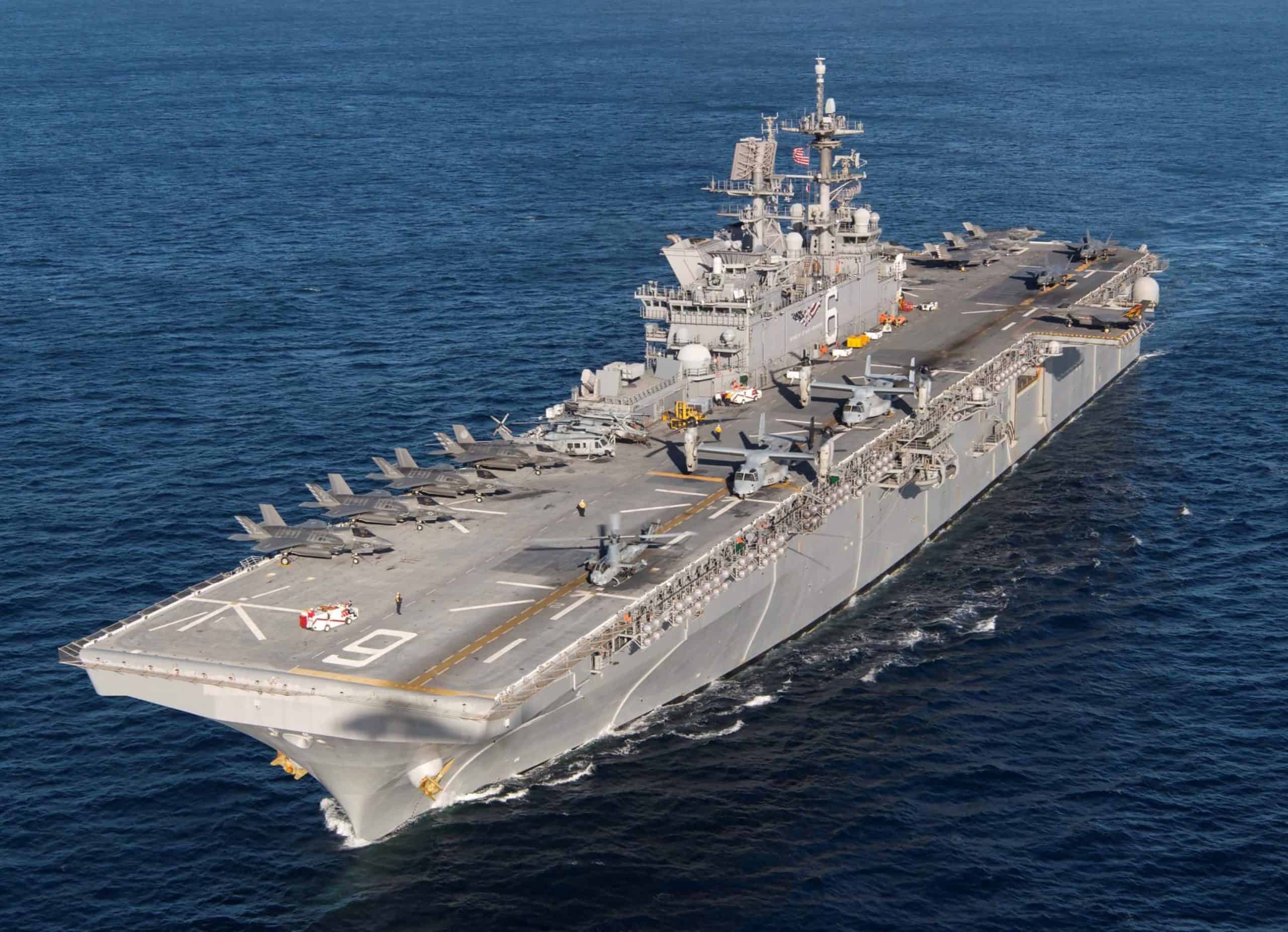
- Total naval assets: 2,689
- Total naval tonnage:
- Aircraft carriers: 17
- Helicopter carriers: 13
- Destroyers: 101
- Frigates: 128
- Corvettes: 67
- Submarines: 147
- Off-shore patrol vessels: 492
- Mine warfare vessels: 180
China Natural Resources
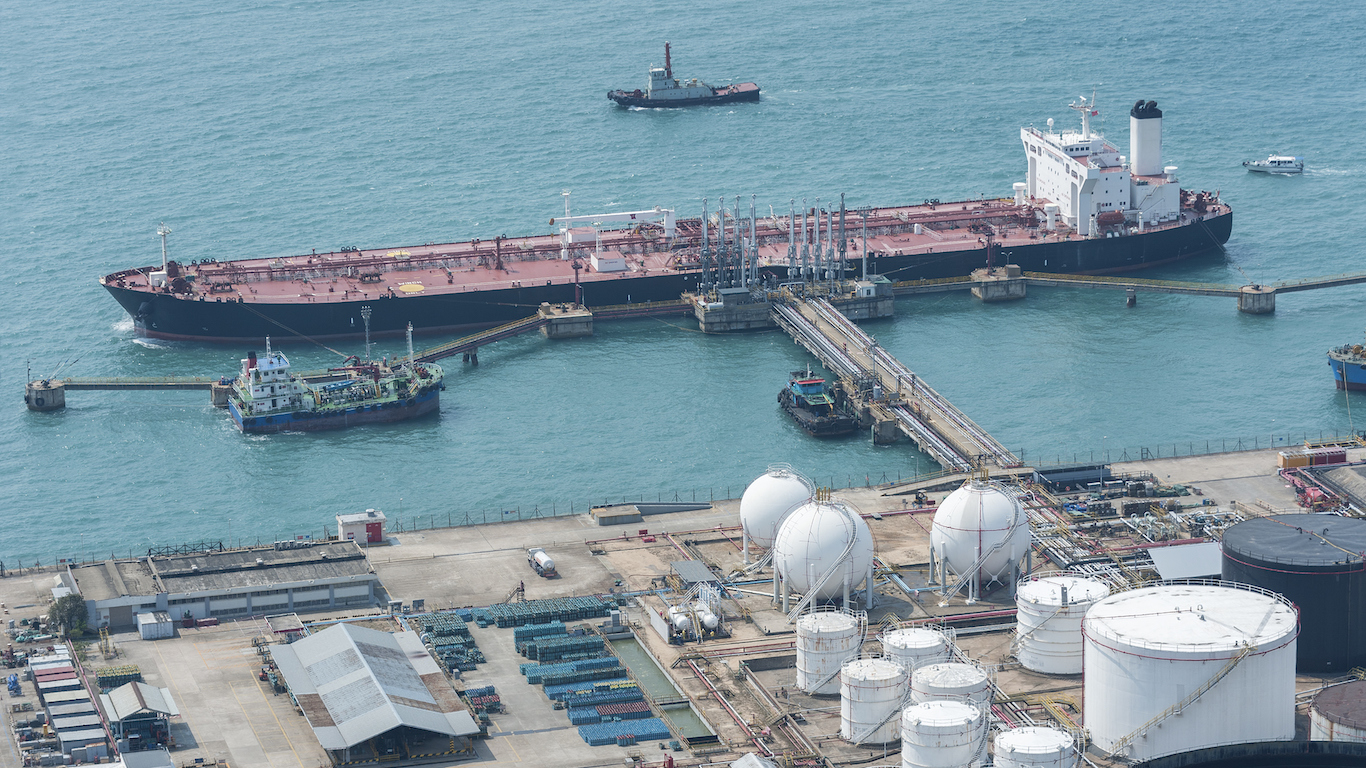
- Oil production: 4,984,000 BBL / day
- Oil proven reserves: 26,023,000,000 BBL / day
- Natural gas production: 225,341,000,000 cubic meters
- Natural gas proven reserves: 6,654,000,000,000 cubic meters
- Coal production: 4,827,000,000 metric tons
- Coal proven reserves: 143,197,000,000 metric tons
NATO Natural Resources
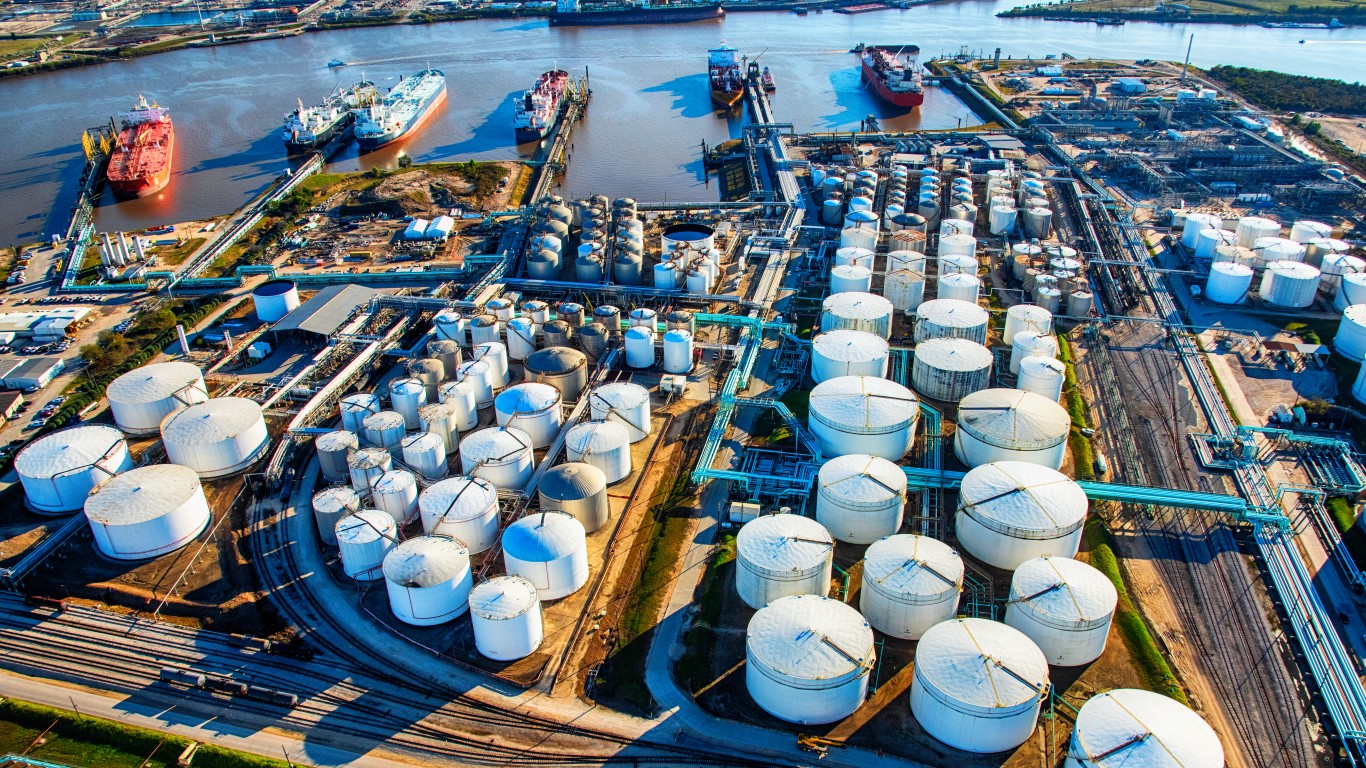
- Oil production: 30,166,332 BBL / day
- Oil proven reserves: 221,933,340,000 BBL / day
- Natural gas production: 1,423,891,622,000 cubic meters
- Natural gas proven reserves: 17,767,751,090,000 cubic meters
- Coal production: 1,070,779,000 metric tons
- Coal proven reserves: 354,197,999,000 metric tons
China Logistics
- Labor force: 779,246,000
- Merchant Marine fleet: 8,314
- Ports: 66
- Airports: 531
- Roadway coverage: 5,200,000 km
- Railway coverage: 150,000 km
- Waterway coverage: 27,700 km
NATO Logistics
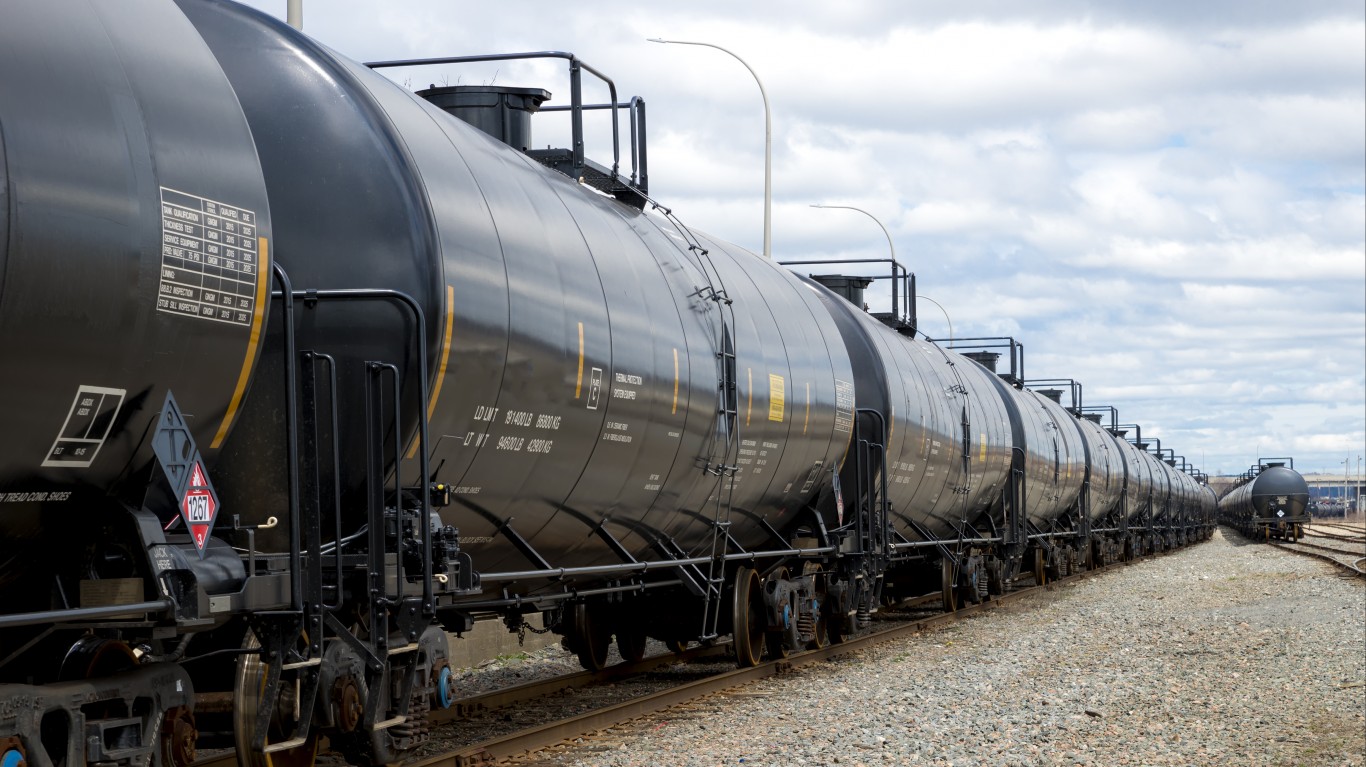
- Labor force: 481,709,900
- Merchant Marine fleet: 17,123
- Ports: 2,022
- Airports: 23,121
- Roadway coverage: 14,012,923 km
- Railway coverage: 529,594 km
- Waterway coverage: 101,559 km
China Military Strength
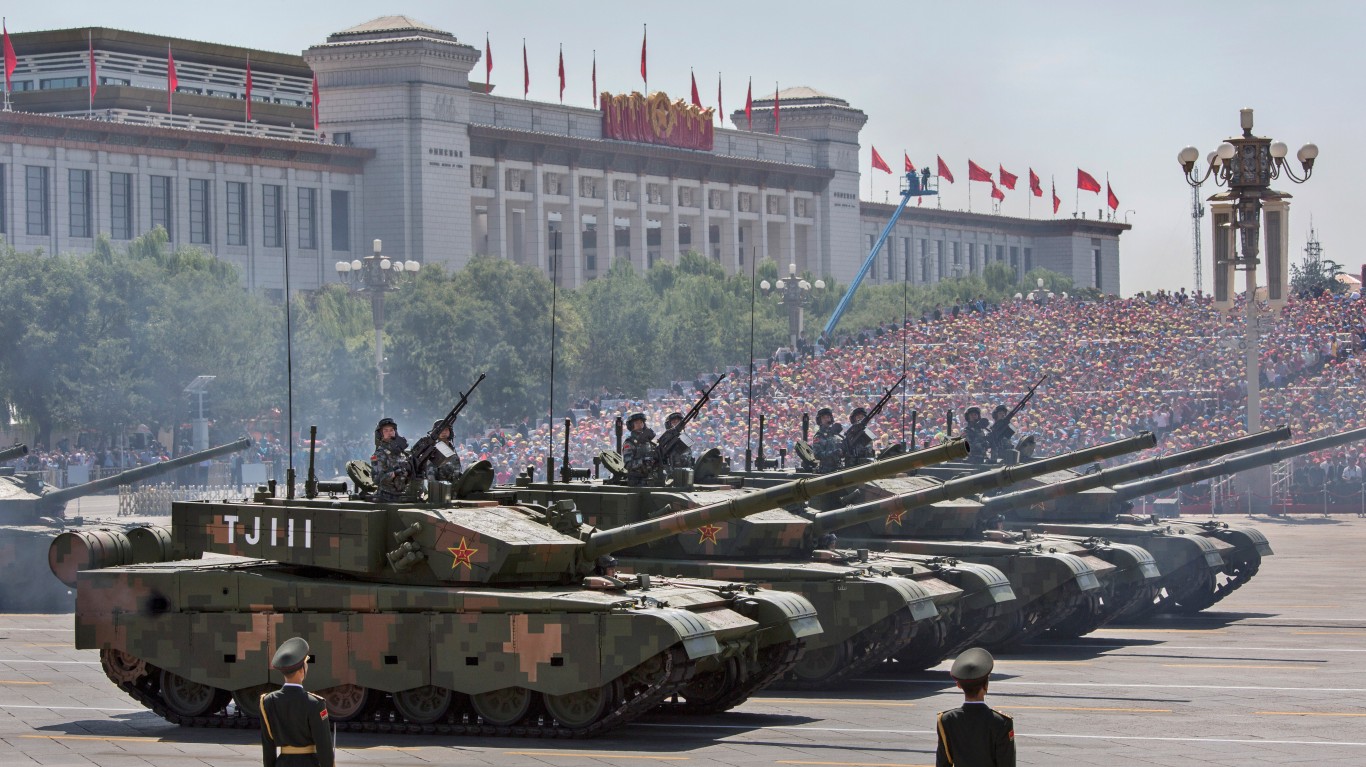
- Strength score: 0.0788
- Global strength rank: #3 out of 145
NATO Military Strength
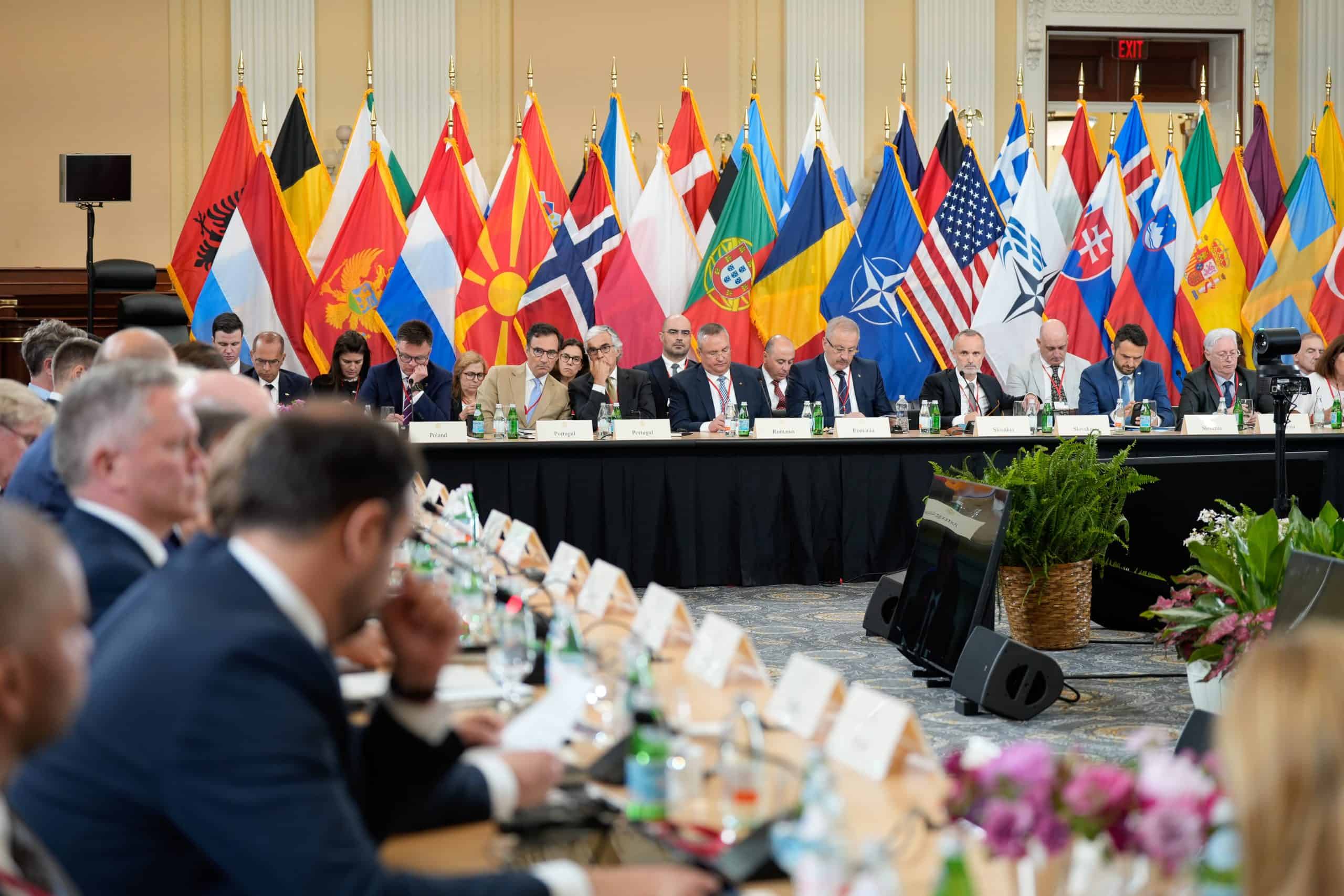
- Strength score of the top country: 0.0744 (United States)
- Global strength rank of the top country: #1 out of 145 (United States)










 Top Gaining Stocks
 Top Losing Stocks