


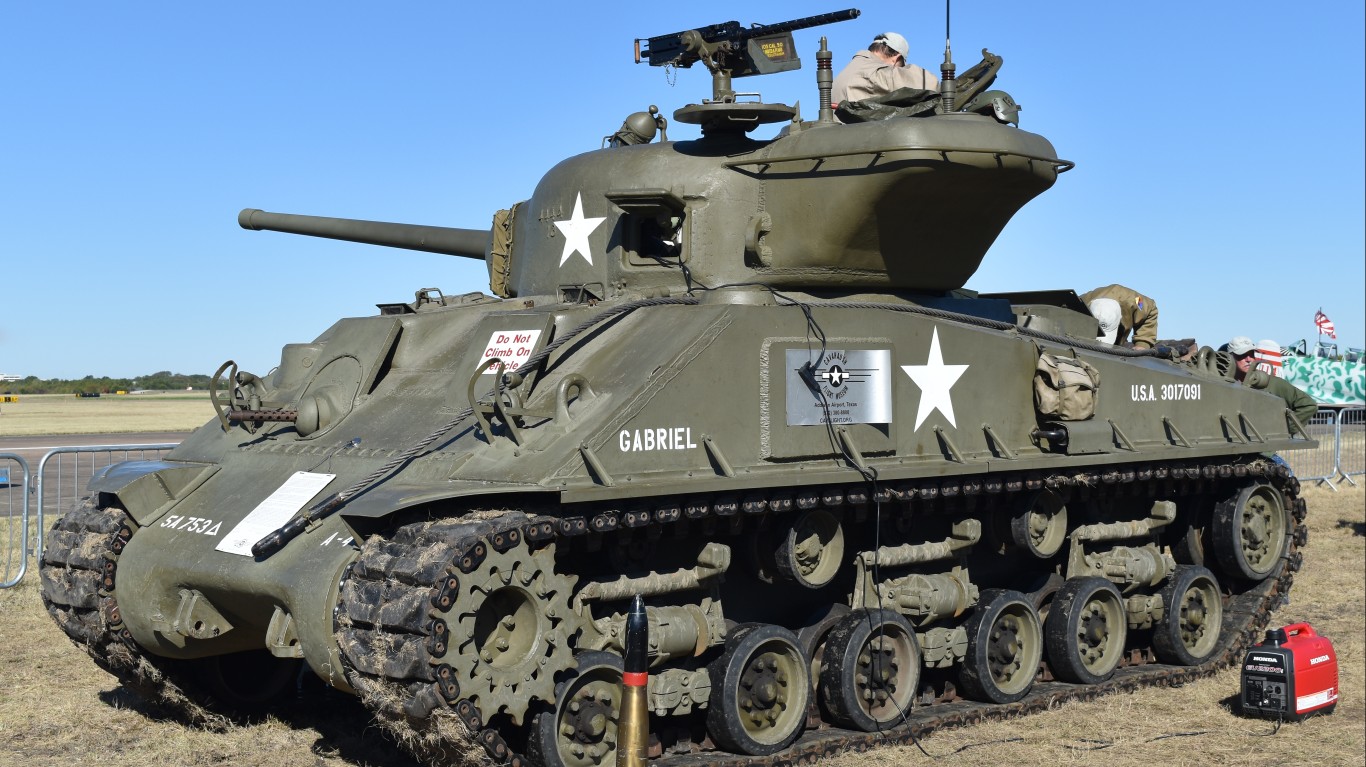
The M4 Sherman was the backbone of Allied armored forces in World War II. It devastated German armor and infantry across North Africa and Europe, leaving an indelible mark on tank design and military doctrine for generations. This tank was mass-produced in greater numbers than any other American tank of the era, and it was prized among the Allies not just for a single breakthrough feature but for a reliable mix of production practicality and firepower on the battlefield. The importance of the M4 Sherman in World War 2 cannot be overstated, in how it turned the tides in favor of the Allies.
While its armament changed by variant, Shermans could carry heavy guns for their class with early models mounting a 75mm gun and later versions upgraded to a higher-velocity 76mm. Some variants were even fitted with a 105mm howitzer for close-support work. These tank crews also benefited from a Browning .50-caliber anti-aircraft machine gun and multiple smaller machine guns for defensive fire. (U.S. Produced Over 6 Million M1 Garands and 86,000 Tanks in WWII Arsenal Surge)
Tank technology in general made a giant leapt forward since the first World War, and while every nation’s armored force played a decisive role in the conflict, the Sherman’s combination of numbers, maintainability and adaptable armament made it one of the defining vehicles of World War 2. Here, 24/7 Wall St. is taking a closer look at the battles the M4 Sherman tanks helped decide.
To determine the World War 2 battles that the Sherman tanks played the biggest roles in, 24/7 Wall St. reviewed various historical and military sources. We included supplemental information about when and where these battles took place as well as how many Sherman tanks were involved.
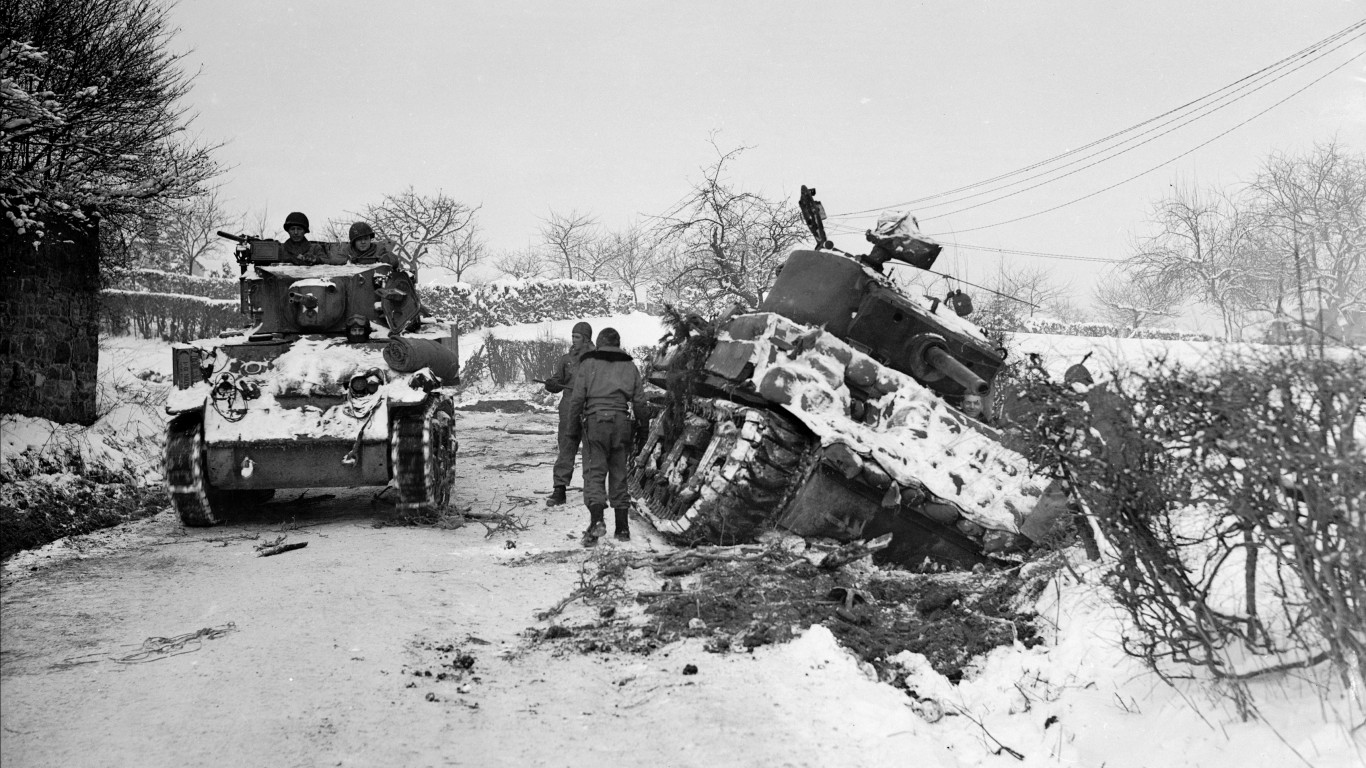
The Battle of the Bulge might be where the Sherman shined the most. With roughly 2,000 of these tanks in play, the Allies smashed the last German offensive. The offensive inflicted heavy losses on both sides and cost Germany irreplaceable men, tanks and equipment at a time when replacements were scarce. This battle definitively ended any hope the Nazis had of conquering Europe, and solidified the Sherman as a tank of legend. (This Infamous WWII Battle Claimed Upwards of 2 Million Lives)
Here is a look at the World War 2 battles where Sherman tanks played an important role:
Why Are We Covering This?
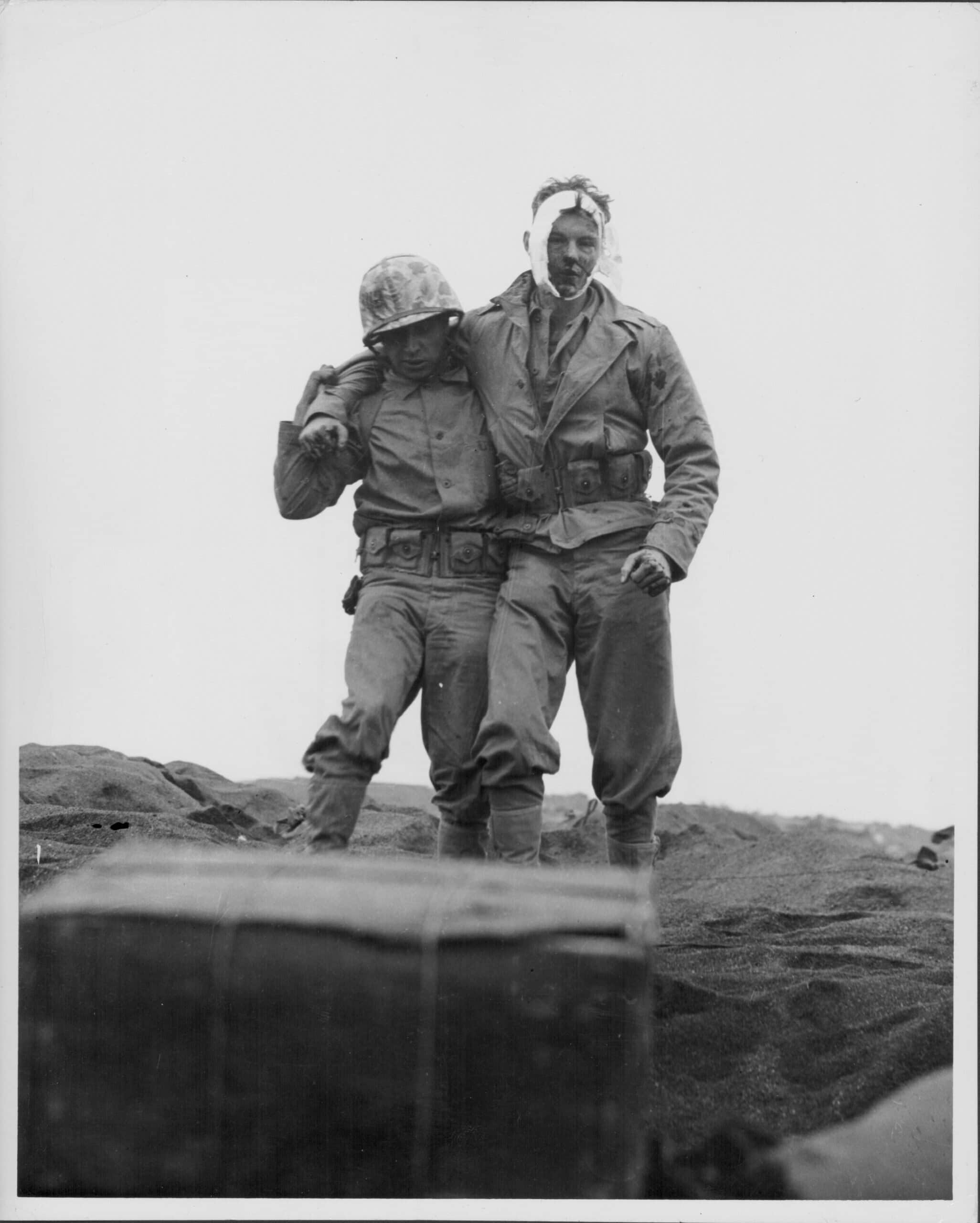
Understanding World War 2 is important to appreciate how the modern world’s current political and military order was shaped. As the most catastrophic conflict in human history, World War 2 reshaped borders, redefined global alliances, and hit the gas pedal on technological innovation. This conflict bore witness to the rapid advances in small arms, aircraft, armored vehicles, and naval warfare. Military doctrine evolved hand-in-hand with technology during this time as well, shaping much of modern military strategies. World War 2 would set the stage for the world we know today, in more ways than we could possibly comprehend.
Battle for Caen

- Date: June 6–July 20, 1944
- Location: Caen and surrounding Normandy, France
- Sherman tanks present: ~1,000 (estimate)
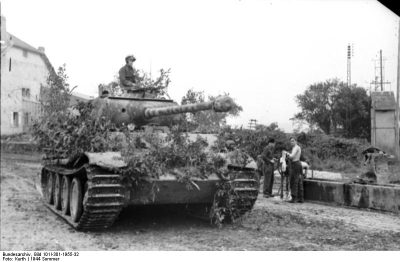
Caen was a principal Allied objective after D-Day and the focus of attritional fighting as German armored divisions attempted to block a breakout. Shermans provided the bulk of Allied armored mobility and direct fire. They supported infantry throughout hedgerow country, battering German strongpoints and massing for armored offensives (notably Operations Charnwood and Goodwood). While outgunned by some German heavy tanks, the Sherman’s numerical advantage pushed them over the line. This would ultimately yield another adaption for the Sherman — the Firefly 17-pounder variant.
Battle of El Guettar
- Date: March 23–April 3, 1943
- Location: El Guettar, Tunisia
- Sherman tanks present: ~30 (estimate)
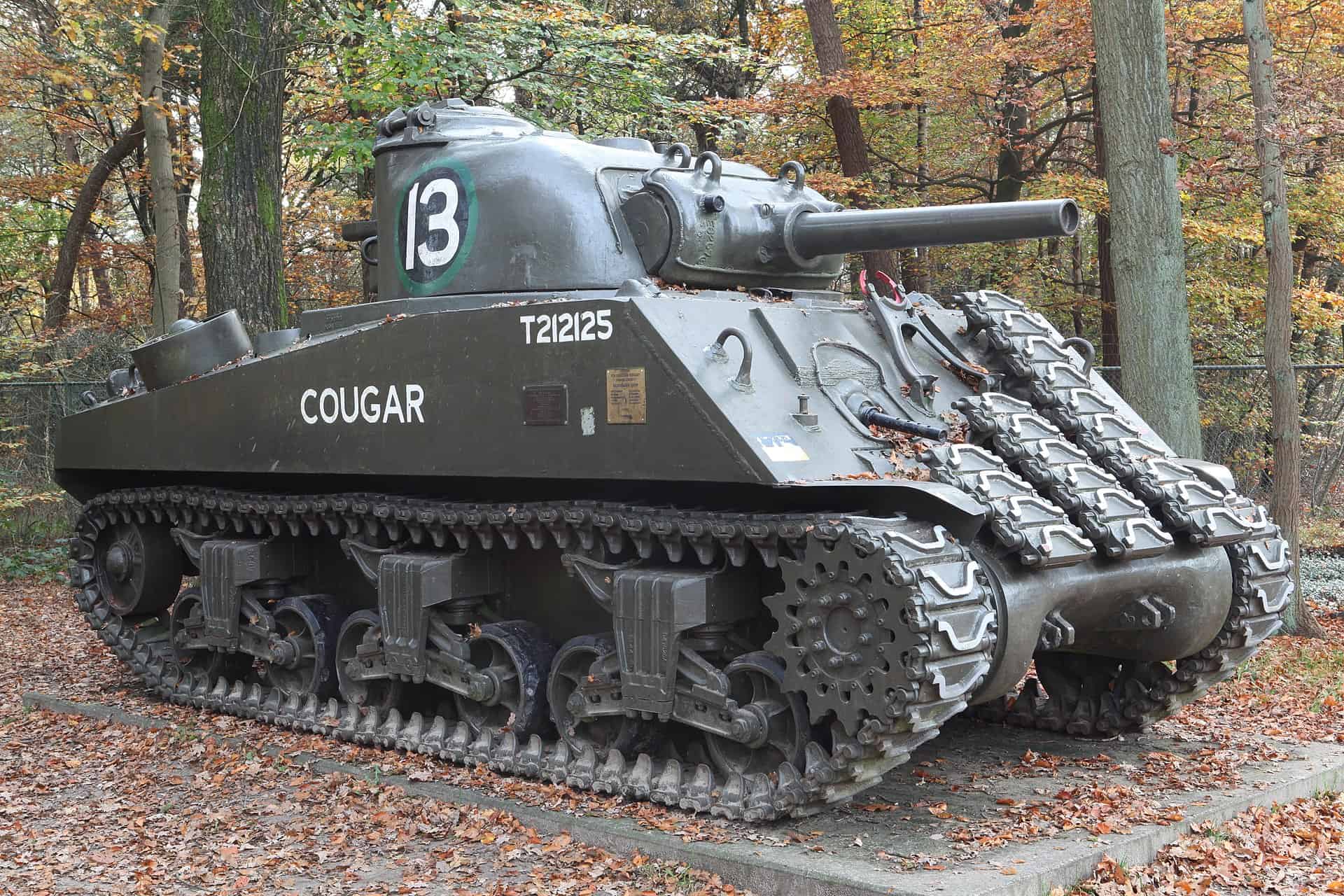
El Guettar was a key Tunisian engagement where the U.S. II Corps and the 1st Infantry Division checked German armored probes and then pressed a limited offensive that helped blunt Axis freedom of maneuver after Kasserine. The fighting would test American infantry and armor cooperation. Shermans and other U.S. tanks provided a mobile punch for counterattacks and for exploiting gaps in the German line, demonstrating the M4’s growing tactical value even as crews and doctrine continued to improve.
Battle of the Bulge (Ardennes Offensive)
- Date: December 16, 1944–January 25, 1945
- Location: Ardennes region – primarily Belgium, Luxembourg and parts of eastern France
- Sherman tanks present: ~2,000 (estimate)
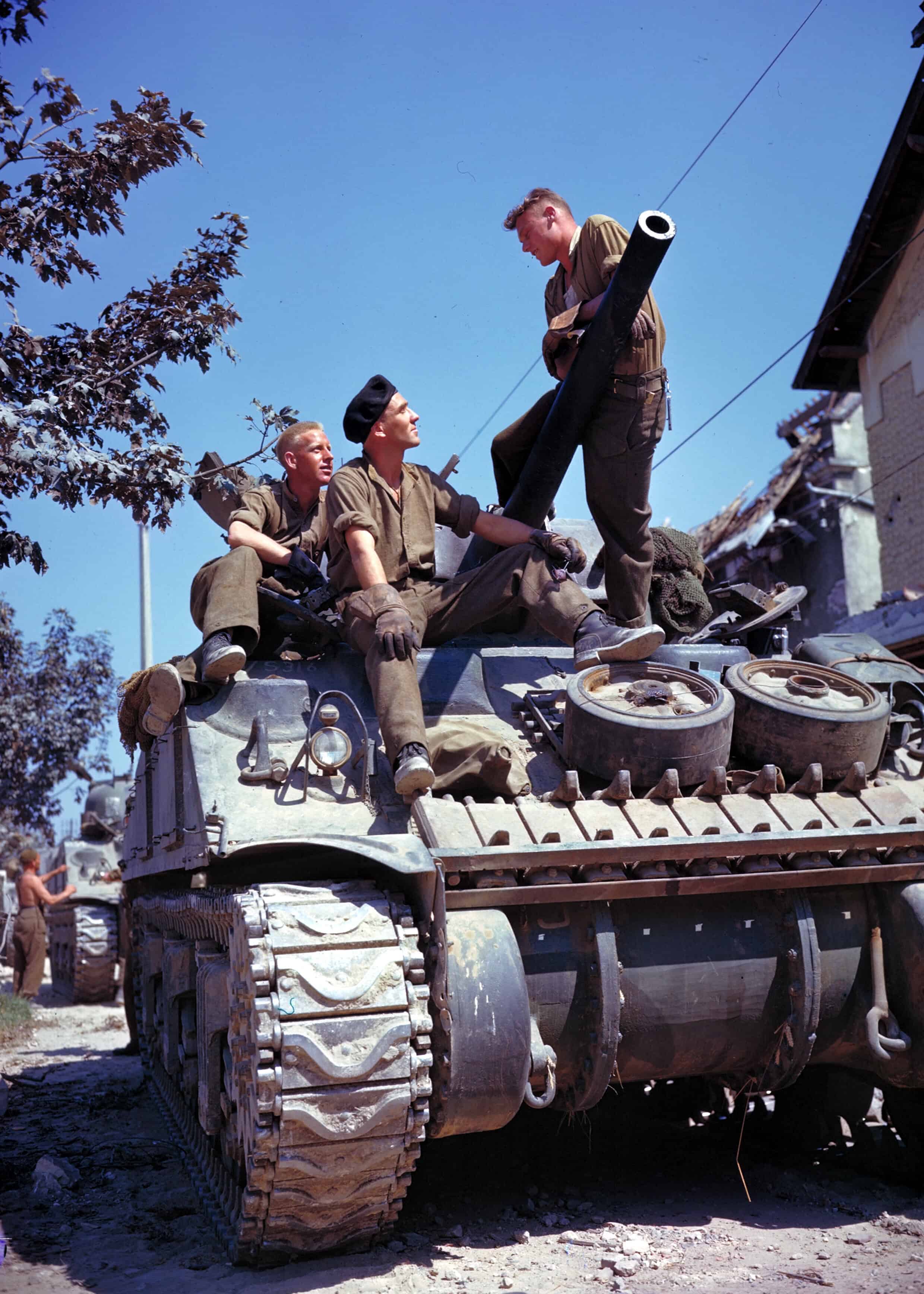
The Battle of the Bulge was Nazi Germany’s last major offensive in the West, aimed at splitting Allied lines and seizing the vital port of Antwerp. Launched in surprise on December 16, poor weather initially grounded Allied air power and helped German spearheads advance. Shermans were central to the Allied response. They were deployed in defensive belts, served in counterattacks, and acted as the crucial relief of Bastogne. Throughout the battle they provided mobile firepower, escorted infantry, and plugged gaps in the line. This offensive exhausted German reserves and built Allied momentum that would continue into the German heartland.
D-Day & Normandy Landings
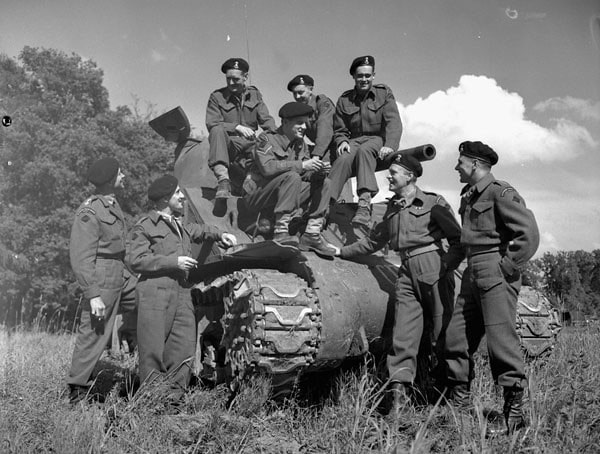
- Date: June 6–August 30, 1944
- Location: Normandy coast and hinterland, France (Utah, Omaha, Gold, Juno and Sword beaches)
- Sherman tanks present: ~3,000 total in the Normandy campaign (estimate)
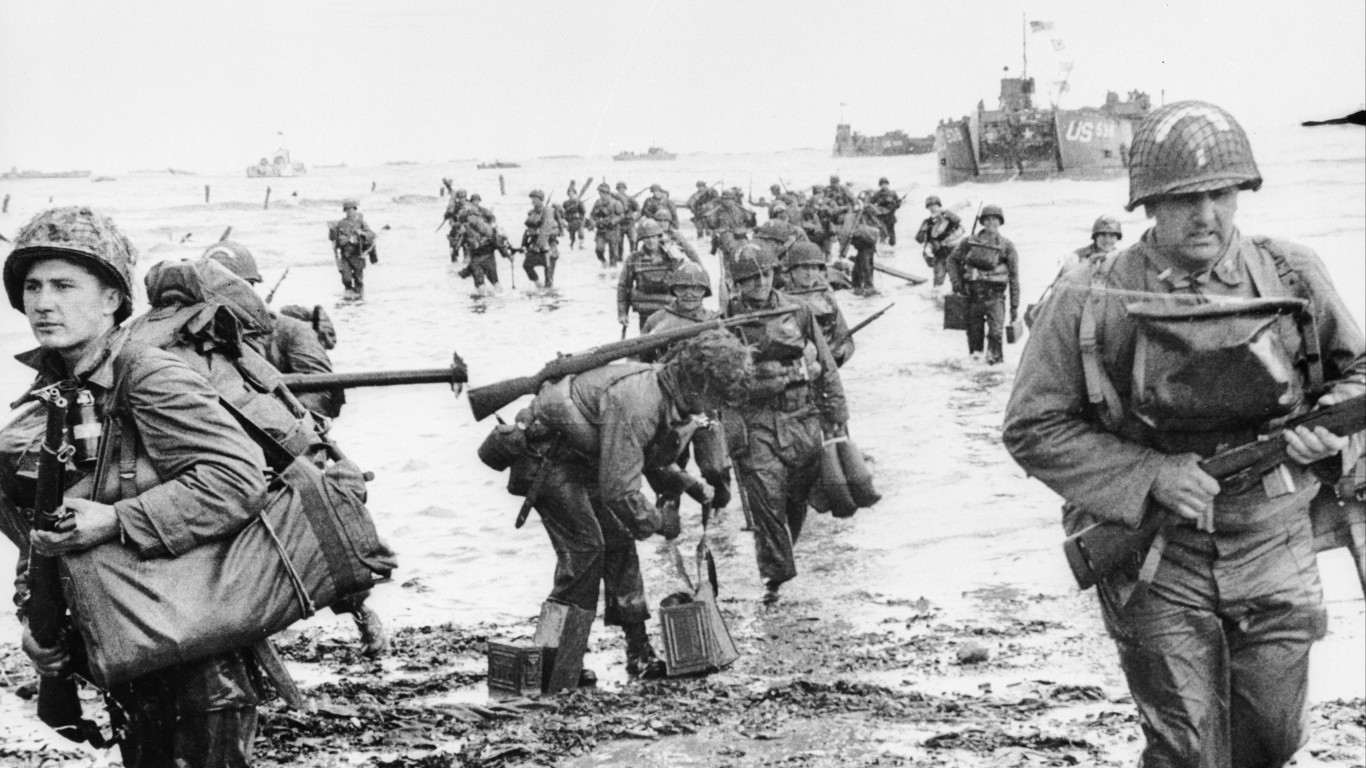
The Normandy invasion established the Allied foothold in western Europe and began the push that would end the Nazi occupation. Shermans were the armored backbone of this operation. Shermans (and other follow-on tank units) supported the initial beach assaults and then fought to assist infantry advances. Although they were initially challenged by German heavy tanks and hedgerow terrain, Shermans ultimately powered the breakout and swept across France. It’s important to note that the terrain here yielded an adaption in the Sherman tank design. The “Easy Eight” variants of the Sherman with 76mm main guns were a tactical evolution to deal with this obstacle.
Falaise Pocket
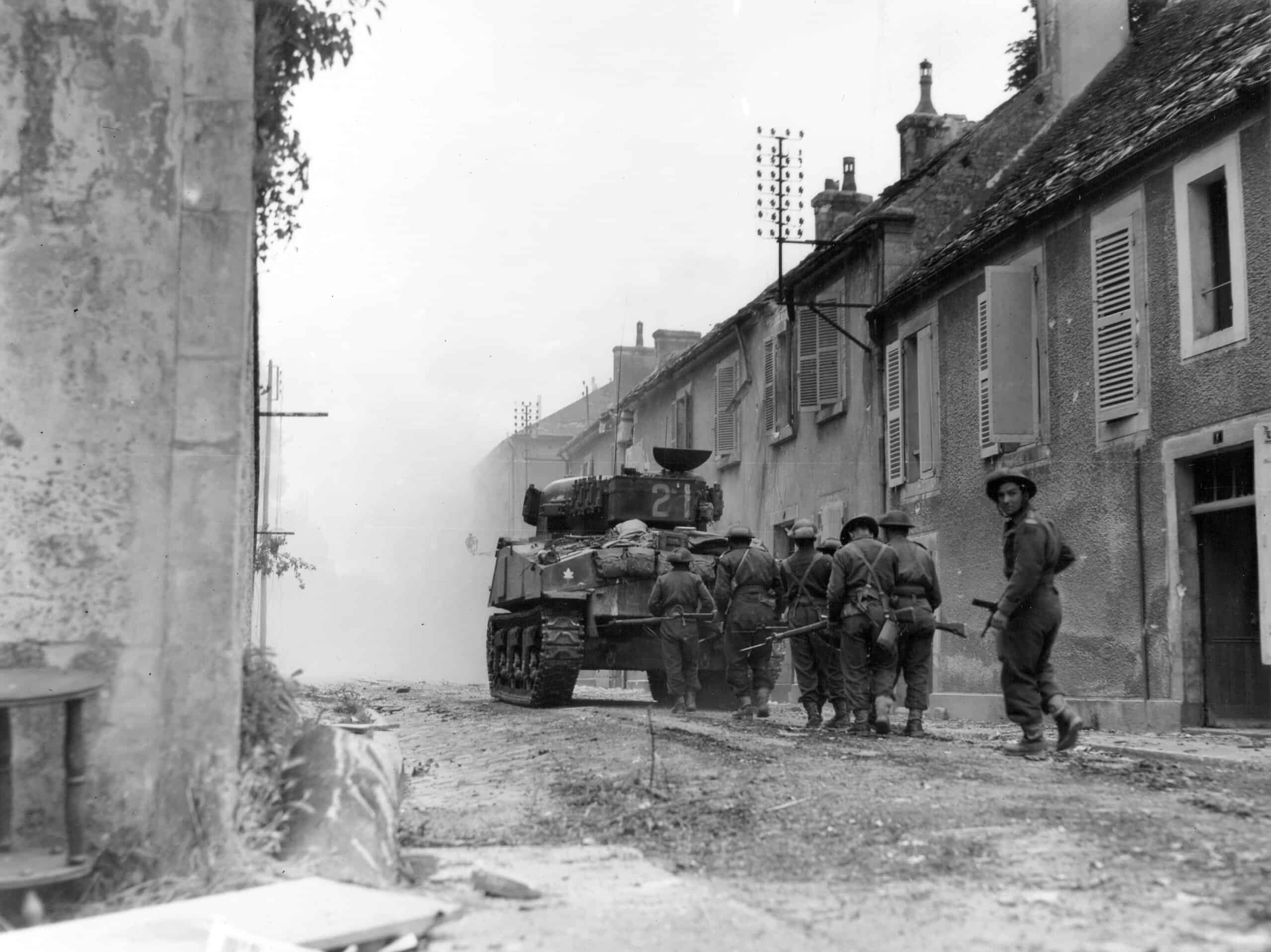
- Date: August 12–21, 1944
- Location: Falaise–Chambois area, Normandy, France
- Sherman tanks present: ~1,000 (estimate)
The Falaise Pocket was the encirclement of the German Army in Normandy, where Allied forces closed a trap around retreating German formations and inflicted catastrophic losses. Between August 12–21, coordinated advances pinched and then sealed the pocket near Falaise and Chambois, destroying large numbers of enemy troops and vehicles. Shermans supplied the bulk of Allied armored mobility and firepower, pushing into the collapsing enemy perimeter and overrunning rearguards.
Kasserine Pass
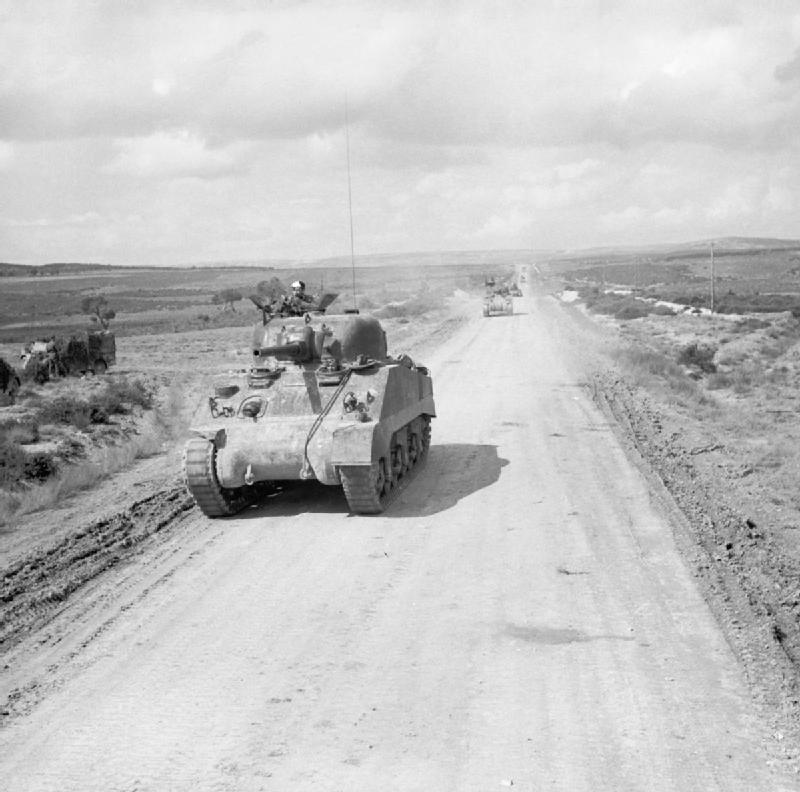
- Date: February 19–24, 1943
- Location: Kasserine Pass, Atlas Mountains (west-central Tunisia)
- Sherman tanks present: ~100 (estimate)
Kasserine Pass was the first major clash between American forces and experienced German armored formations in North Africa. This engagement would expose serious flaws in U.S. tactics, command, and coordination. German armored assaults inflicted heavy losses and forced a rapid reassessment of U.S. tank doctrine and leadership. Shermans took part in counterattacks and helped blunt some of the Axis advances. The Allies learned from this that they needed better crew training, to say the least.
Operation Avalanche (Salerno landings)
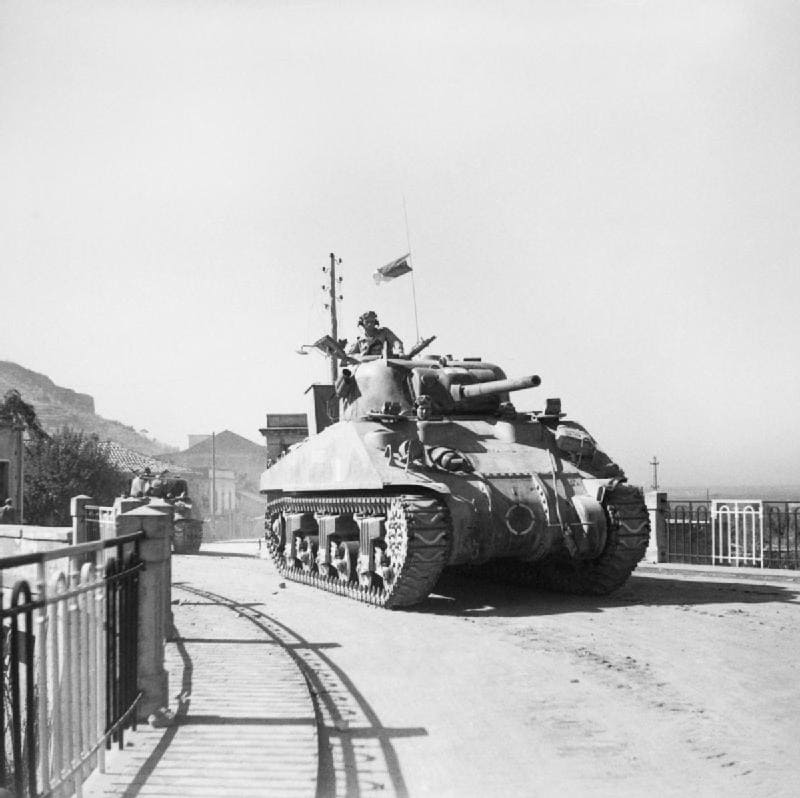
- Date: September 9–21, 1943
- Location: Salerno and the Gulf of Salerno, Campania region, southern Italy
- Sherman tanks present: ~200 (estimate)
Operation Avalanche opened the Allied assault for mainland Italy, seizing a foothold at Salerno on September 9, 1943 and then fighting off German counterattacks for the next two weeks. Shermans arrived with follow-on forces and provided mobile firepower and direct infantry support, blunting German armor and stabilizing the landing when counterattacks threatened to roll the beachhead up. Despite difficult terrain that limited large-scale armored maneuvers, Sherman battalions delivered suppressive fire and escorted infantry advances, ultimately, securing the corridor that led to the liberation of Naples.
Operation Cobra
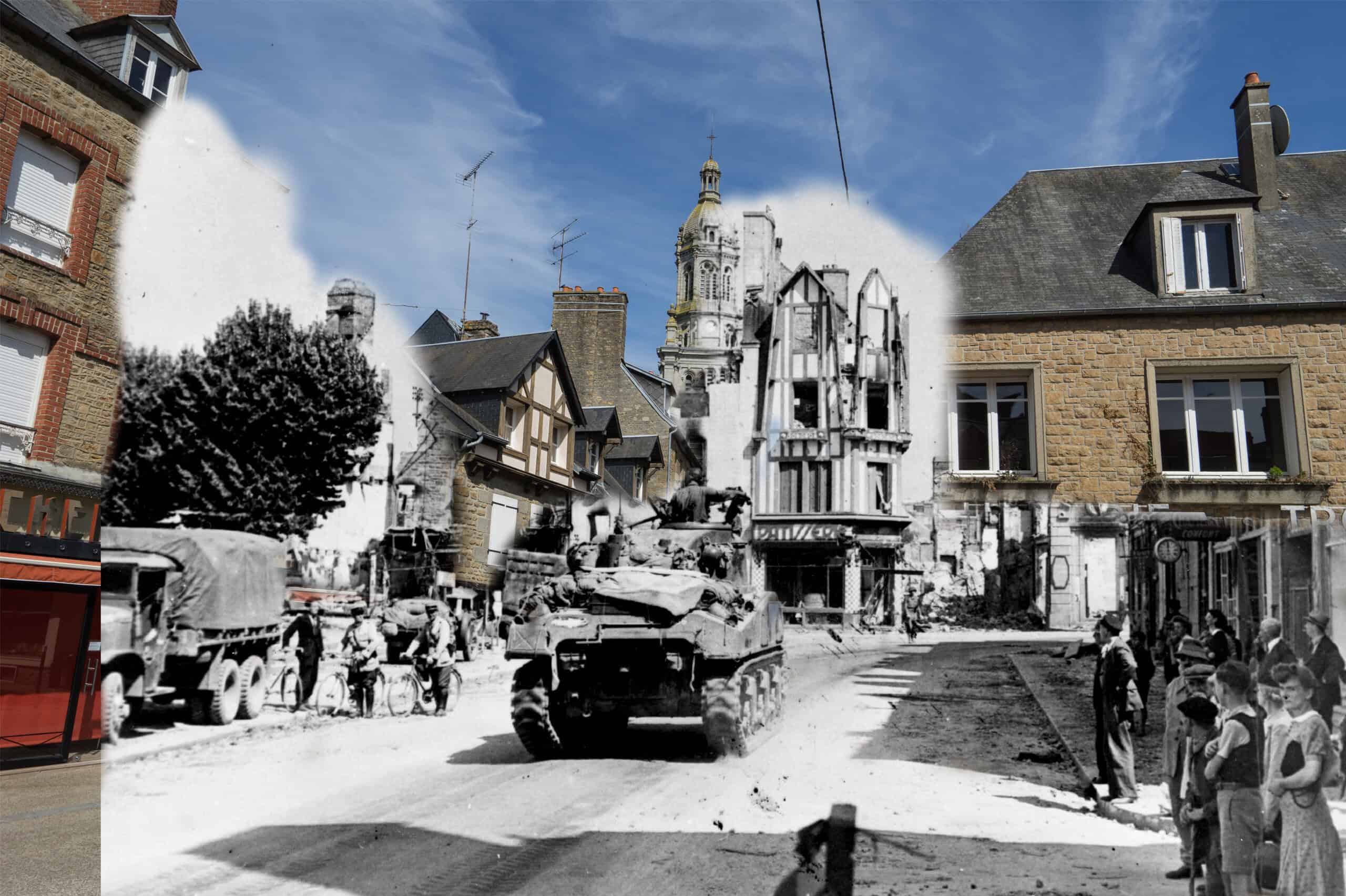
- Date: July 25–31, 1944
- Location: Saint-Lô sector, Normandy, France
- Sherman tanks present: ~800 (estimate)
Operation Cobra broke the stalemate in Normandy by turning a narrow Allied penetration near Saint-Lô into a broad breakthrough. Launched with a concentrated aerial and artillery preparation on July 25, U.S. forces punched through German lines and rapidly expanded the breach. Shermans provided the firepower by suppressing defenses and overrunning retreating units. This enabled fast advances across the country. Their mobility and numbers converted the Normandy landing into an operational offensive, setting the stage for the rapid liberation of much of France.
Operation Goodwood
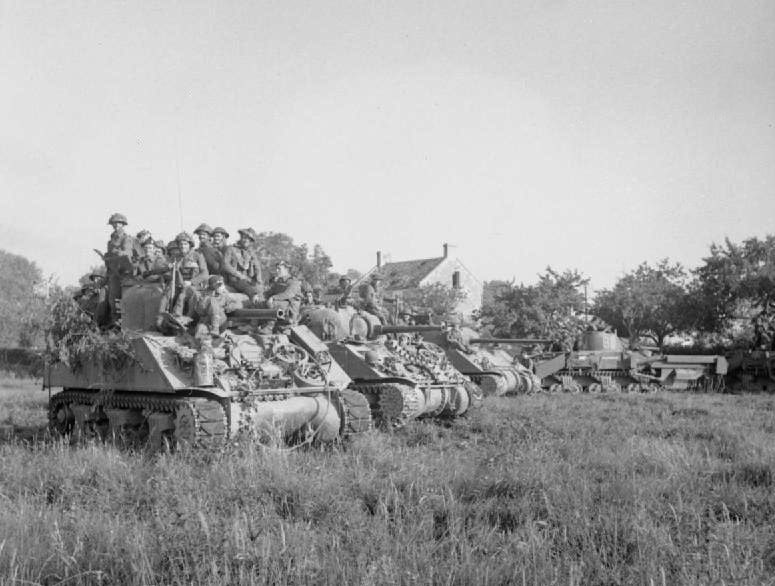
- Date: July 18–20, 1944
- Location: East of Caen – Bourguébus Ridge and the Caen plain, Normandy, France
- Sherman tanks present: ~600 (estimate)
Operation Goodwood was a major British armored offensive aimed at breaking out from the Caen sector and seizing the Bourguébus ridge. It also acted as a means to pin down German armor and ease American operations to the west. Launched on July 18, it saw massed tank formations push across prepared ground under heavy air and artillery support. Shermans supplied much of the Allied armored weight (with Firefly gun-armed variants) and helped counter German heavy tanks. However, terrain and minefields would blunt this attack. Even though Goodwood fell short of a decisive breakout, it wasted German reserves that would later enable other Allied advances.
Operation Husky – Landing at Gela & Battle of Troina

- Date: July 10, 1943; July 31–August 6, 1943
- Location: Gela (southern coast of Sicily) and Troina (central Sicily, Nebrodi Mountains)
- Sherman tanks present: ~200 (estimate)
The Gela landing (July 10) was a key part of the Allied invasion of Sicily, securing a southern landing that let Allied forces push further inland. A few weeks later, the Battle of Troina (late July–early August) was a hard-fought contest for the high ground in the Nebrodi Mountains where German and Italian forces attempted to block the Allied push toward Messina. During these engagements, Shermans provided mobile firepower and armored support in an effort to reduce enemy strongpoints and escort infantry over difficult terrain. Their presence helped blunt Axis counterattacks, contribute to local breakthroughs, and sustain the momentum that ultimately forced Axis evacuation from Sicily.
Operation Iceberg (Battle of Okinawa)
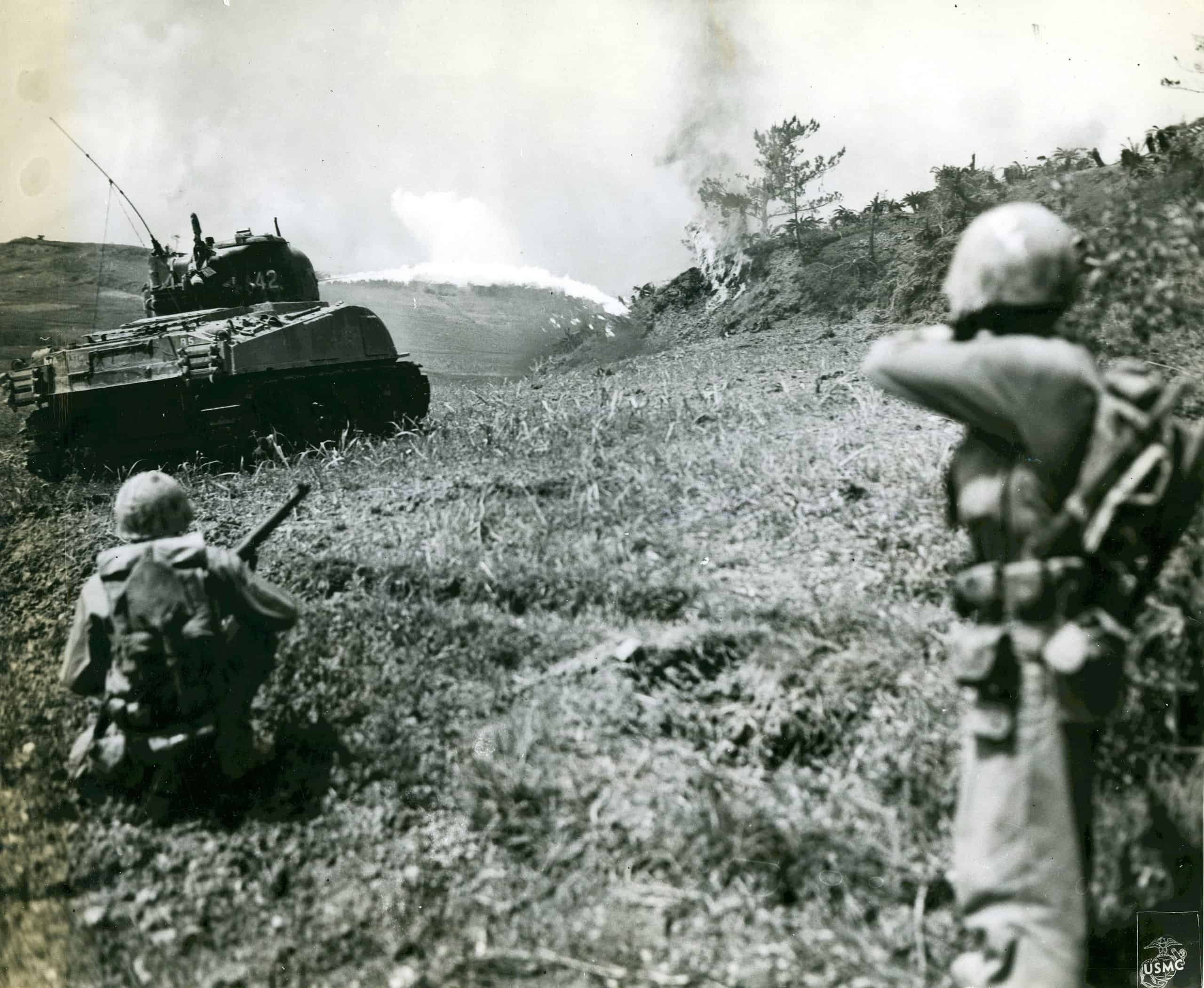
- Date: April 1–June 22, 1945
- Location: Okinawa, Ryukyu Islands, Japan
- Sherman tanks present: ~800 (estimate)
Okinawa was one of the bloodiest and most consequential Pacific battles, serving as the last major stepping stone toward the Japanese home islands. Shermans provided the armored firepower for infantry advances, bunker reduction, and countering Japanese defensive positions across rugged ridges and urbanized towns. While kamikaze and entrenched defenses imposed heavy casualties and constrained maneuver, the Shermans’ volume of fire, engineering attachments, and specialist variants (flame and demolition conversions) were critical in grinding down resistance and securing the island.
Operation Market Garden
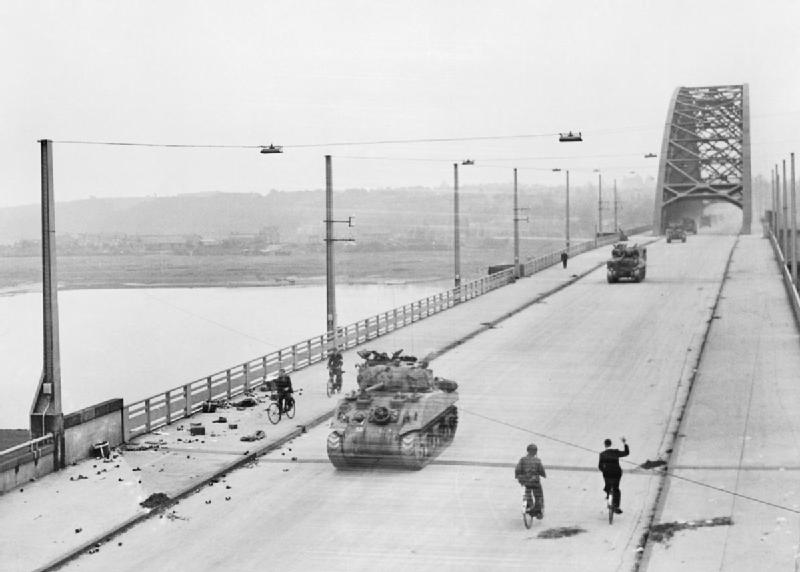
- Date: September 17–25, 1944
- Location: The Netherlands – Arnhem–Nijmegen–Eindhoven corridor
- Sherman tanks present: ~600 (estimate)
Operation Market Garden was an ambitious airborne and ground push to seize key bridges in the Netherlands, allowing for an easier route into Germany. Airborne units captured initial objectives, but the ground columns, led by Shermans, faced tough resistance and traffic congestion on the narrow corridor. Throughout the operation Shermans provided the firepower needed to fight through roadblocks and counterattacks, especially around Nijmegen. However, the inability to relieve Arnhem’s airborne defenders turned the operation into a costly partial failure.
Operation Shingle (Anzio landings)
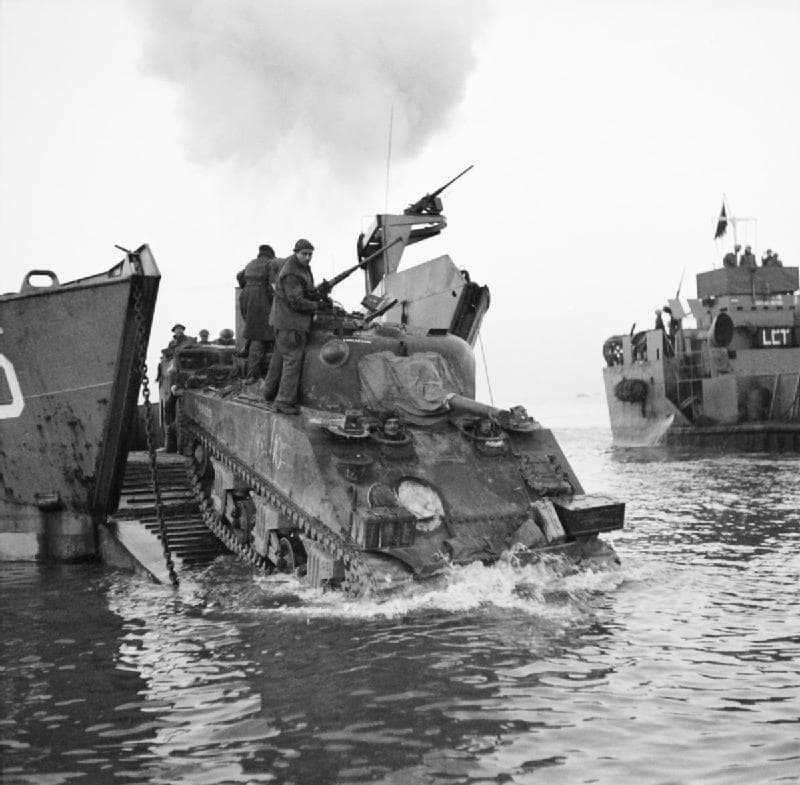
- Date: January 22–May 25, 1944
- Location: Anzio and Nettuno, Lazio coast, Italy
- Sherman tanks present: ~250 (estimate)
Operation Shingle opened with amphibious landings at Anzio aimed at outflanking the German Winter Line and drawing enemy reserves away from central Italy. Shermans provided the beachhead with mobile firepower and direct infantry support, as well as armored reserves. This was especially important during the static months that followed the initial landing. When Allied forces broke out in May 1944, Sherman regiments would exploit gaps in the German line and push inland, linking the beachhead to the advancing Fifth Army. This battle was fundamental for turning a hazardous landing into a strategic springboard for the Italian campaign.
Operation Torch – Landings at Oran / Casablanca
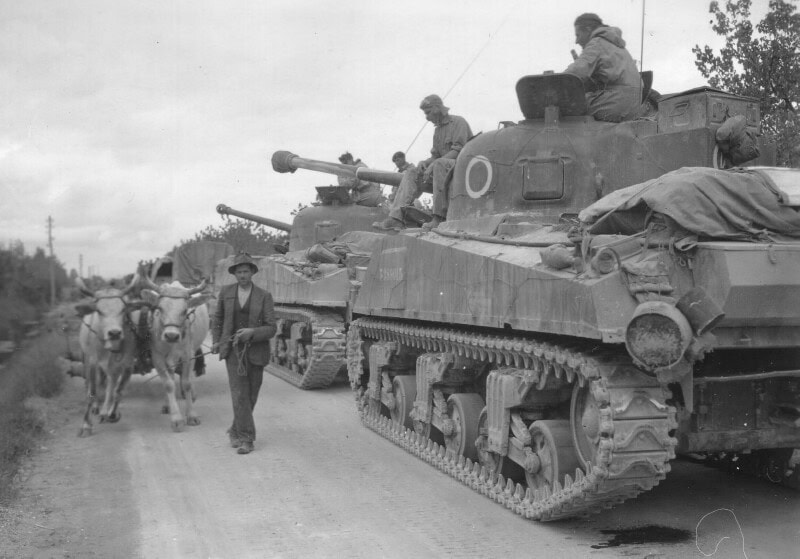
- Date: November 8-16, 1942
- Location: Atlantic coast of Morocco (Casablanca/Fedhala) and Oran, western Algeria
- Sherman tanks present: ~100 (estimate)
Operation Torch was the Allied invasion of North Africa that began on November 8, 1942 and secured key ports and airfields at Casablanca, Fedhala and Oran. The landings created a multifront war against the Germans by opening a western front in the Mediterranean. Ultimately, this eased pressure on the Soviets, and set the stage for the Tunisia campaign and the eventual push into Italy. Shermans made some of their first combat appearances during Operation Torch, bringing more modern medium-tank firepower to the front. While these tanks had not earned a reputation in the field yet, they helped give Allied columns more firepower and set the stage for the Sherman’s rise to prominence.
Operation Veritable
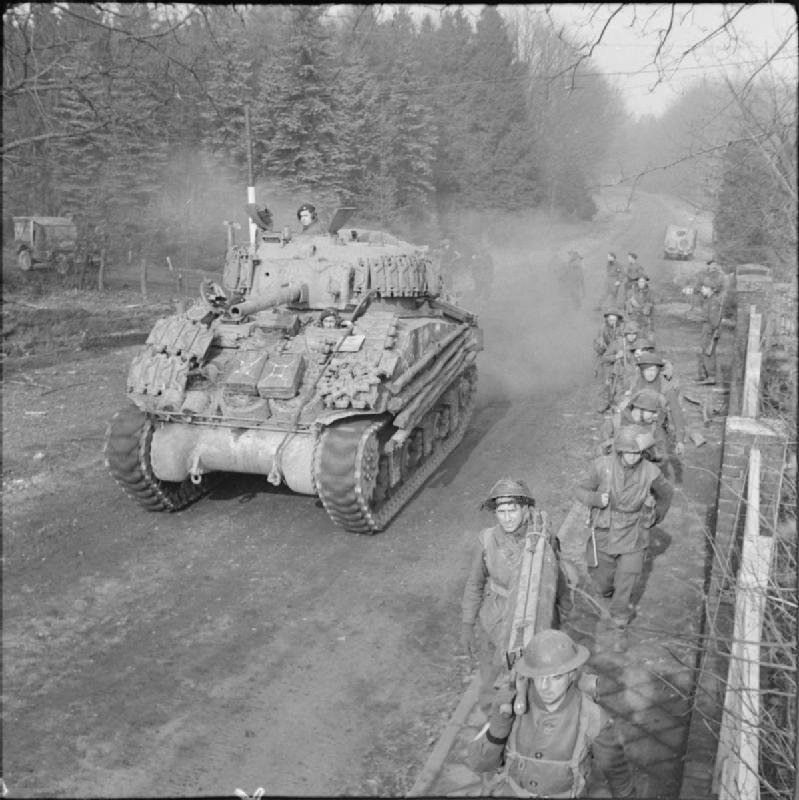
- Date: February 8–March 11, 1945
- Location: Reichswald (the Reichswald Forest and approaches between the Netherlands and the lower Rhine), Germany/Netherlands border
- Sherman tanks present: ~1,200 (estimate)
Operation Veritable was the northern push to clear the Reichswald and collapse the German defensive belt west of the Rhine. This push set up the final Allied crossings into the heart of Germany. From February into March 1945, heavy artillery, engineer work to manage deliberate flooding, and massed armor combined to grind down prepared positions. Shermans supplied the bulk of Allied mobile firepower, supporting infantry and suppressing strongpoints. This operation’s success helped open the route for the final Allied advance into the Ruhr and the collapse of German western defenses.
Saipan (Marianas Campaign)
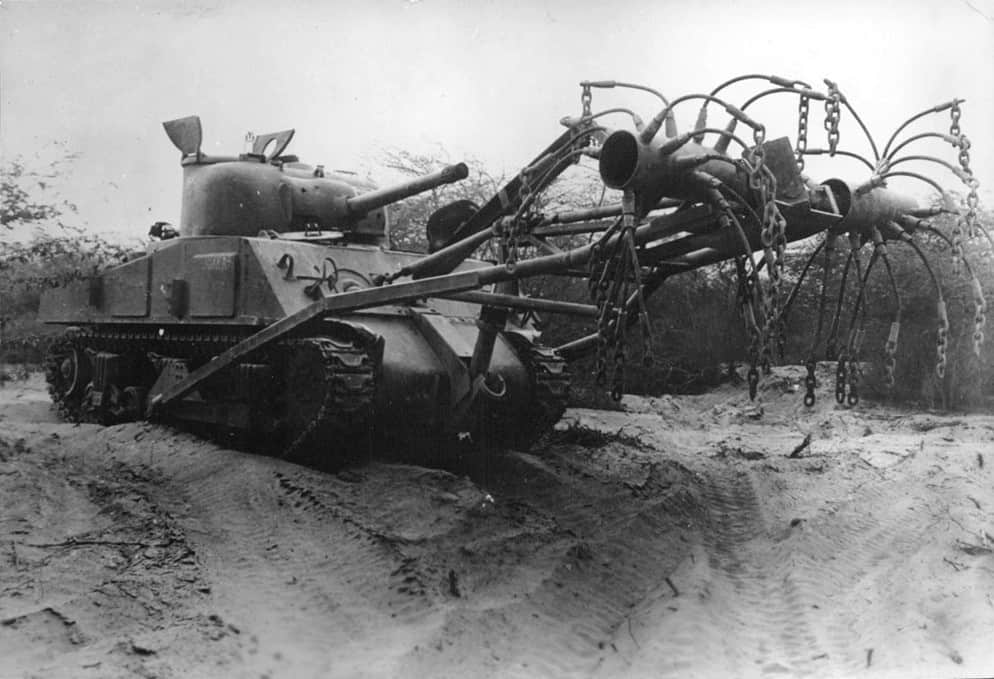
- Date: June 15–July 9, 1944
- Location: Saipan, Mariana Islands
- Sherman tanks present: ~100 (estimate)
The capture of Saipan gave Allied forces airfields within B-29 range of Japan and broke Japanese defensive depth in the central Pacific. Shermans arrived after the initial assault and served as indispensable close-support, smashing fortified positions and escorting infantry through coral and jungle. Island terrain and coral obstacles limited maneuver, but Shermans’ adaptable armament helped overcome defenses and precipitated the island’s eventual fall, which in turn reshaped strategic bombing and Pacific logistics.









 Top Gaining Stocks
 Top Losing Stocks