


Most tanks are built to compete. A select few are built to dominate. When these American platforms entered service, they shifted the balance of power on the battlefield in a massive way. Superior firepower, survivability, and operational reliability forced adversaries to adapt quickly or risk being outclassed. Nearly every era of modern ground warfare features at least one U.S. tank that set a new standard, proving its dominance. Here, 24/7 Wall St. is taking a closer look at the most dominant US tanks ever built.
To determine the most dominant US tanks ever built, 24/7 Wall St. reviewed various historical and military sources. We included supplemental data for each tank regarding when each was introduced to service, what conflicts it served in, why it was so dominant, as well as what battlefield advantage it ultimately created.
Here is a look at the most dominant US tanks ever built:
Why Are We Covering This?
Understanding which tanks truly dominated the battlefield offers insight into how military power is established and sustained over time. While technological progress constantly reshapes warfare, certain armored platforms delivered such clear advantages in firepower, protection, mobility, or operational reach that they forced adversaries to adapt. These tanks did more than support ground forces — they influenced doctrine, altered strategic planning, and helped define America’s approach to mechanized warfare. Studying them reveals that dominance is rarely accidental; it is the result of deliberate design, industrial capacity, and a commitment to maintaining battlefield superiority across generations.
When Steel Ruled the Battlefield
Battlefield dominance is never theoretical. It is proven in moments when one force can maneuver freely while the other is forced to react. Over the past century, the United States has fielded tanks that did more than fight—they controlled terrain, dictated engagement terms, and reshaped the tempo of ground warfare.
Dominance Isn’t Declared—It’s Imposed
Military planners rarely agree on the perfect tank, but they immediately recognize one that opponents fear. Truly dominant platforms create hesitation, disrupt enemy strategy, and force rapid adaptation. Whether through superior firepower, survivability, mobility, or technological overmatch, these machines altered the calculations of anyone who faced them.
From Industrial War to Digital Battlefields

American armored power did not emerge overnight. It evolved from the mass-production breakthroughs of World War II to the sensor-driven platforms of the modern era. Each generation reflected a deeper understanding of what it takes to win armored engagements—and how to ensure U.S. forces entered the fight with a decisive advantage.
The Psychology of Overmatch
Dominance is as much psychological as it is mechanical. When crews trust their armor and weapons, they maneuver more aggressively and seize the initiative. Opponents, by contrast, are pushed into defensive thinking. The result is a battlefield shaped not only by firepower, but by confidence.
The Tanks That Defined American Ground Power
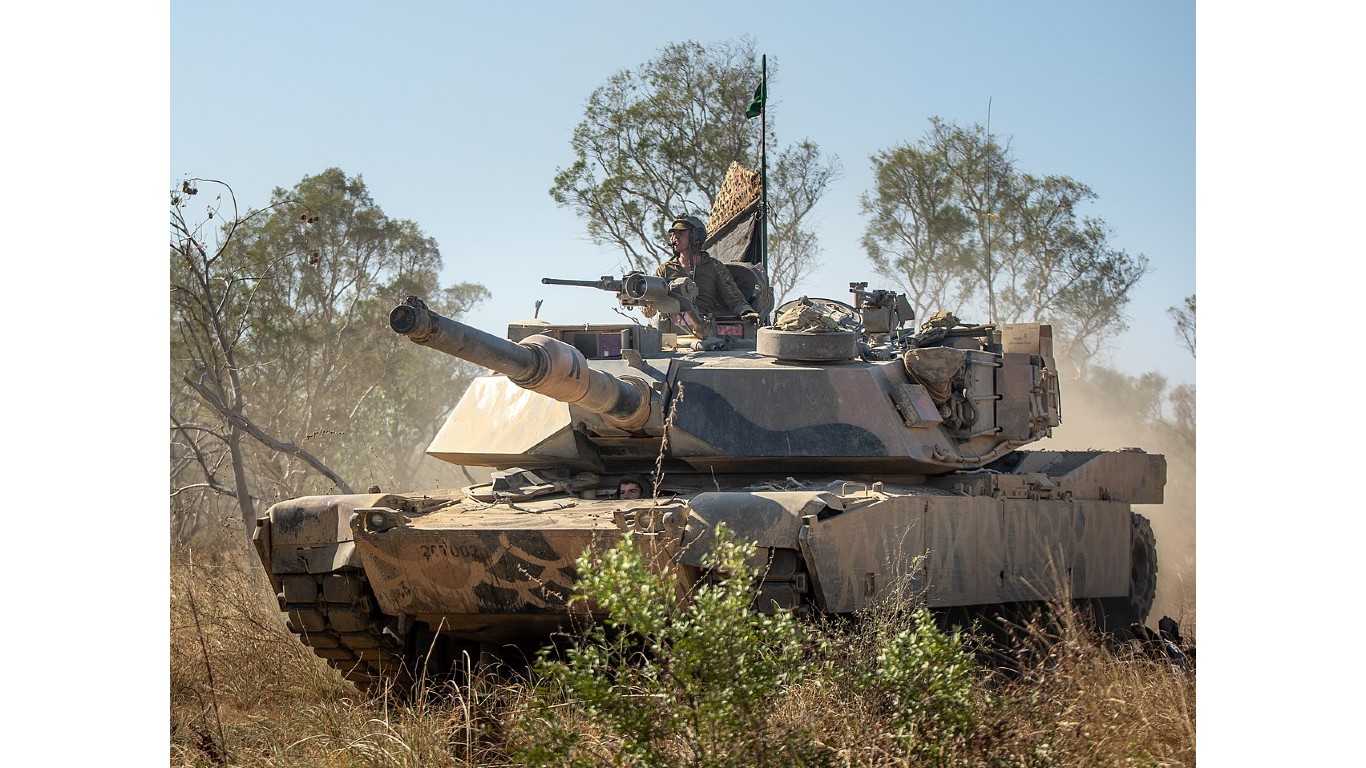
Most armored vehicles serve capably and fade into history. A rare few redefine expectations for what tanks can achieve and how wars are fought. The platforms ahead represent those exceptions—machines whose influence extended beyond their era and helped establish the foundation of American ground dominance.
M4 Sherman
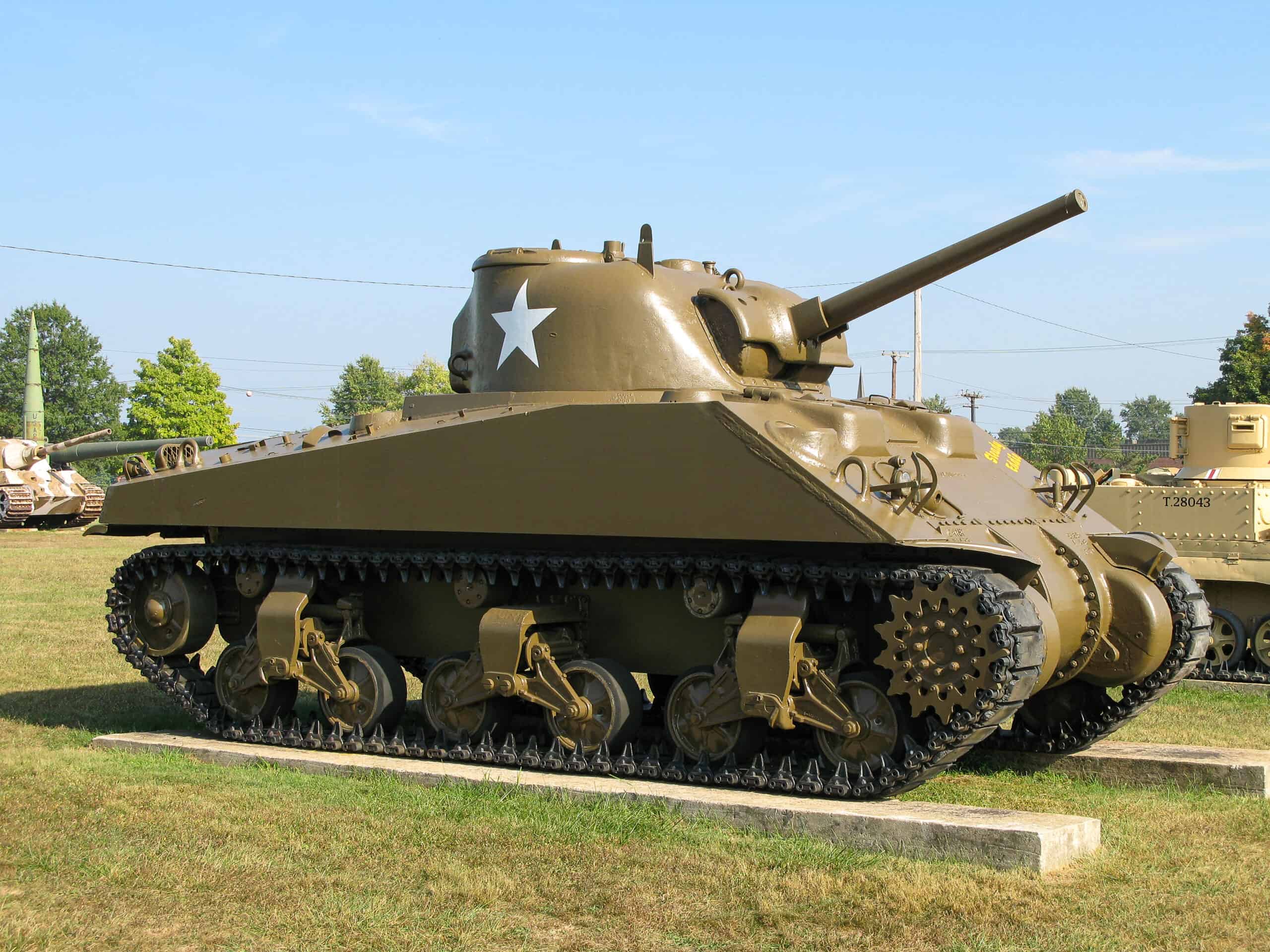
- Year introduced to service: 1942
- Era: WWII
- Tank class: Medium Tank
- Dominance driver: Mass production & reliability
- Battlefield advantage created: Enabled sustained offensive operations
- Strategic impact: Backbone of Allied armored forces
- Why it was truly dominant: Dominated through logistics and operational tempo
The M4 Sherman dominated not through raw armor or gun size, but through industrial supremacy and mechanical reliability. It allowed U.S. forces to sustain offensive momentum across multiple theaters while adversaries struggled to replace losses. By prioritizing operational tempo over one-on-one superiority, the Sherman helped prove that battlefield dominance often comes from logistics and availability rather than technical perfection.
M26 Pershing

- Year introduced to service: 1945
- Era: WWII / Early Cold War
- Tank class: Heavy / Medium Tank
- Dominance driver: 90mm firepower
- Battlefield advantage created: Countered German heavy armor
- Strategic impact: Signaled U.S. heavy armor capability
- Why it was truly dominant: Restored battlefield parity against top German tanks
Though it arrived late in World War II, the M26 Pershing provided American crews with a tank capable of confronting Germany’s most dangerous armor. Its powerful gun and improved protection narrowed the qualitative gap that had previously forced tactical caution. More importantly, it marked a philosophical shift toward heavier, more survivable designs that would influence U.S. armored doctrine for decades.
M24 Chaffee
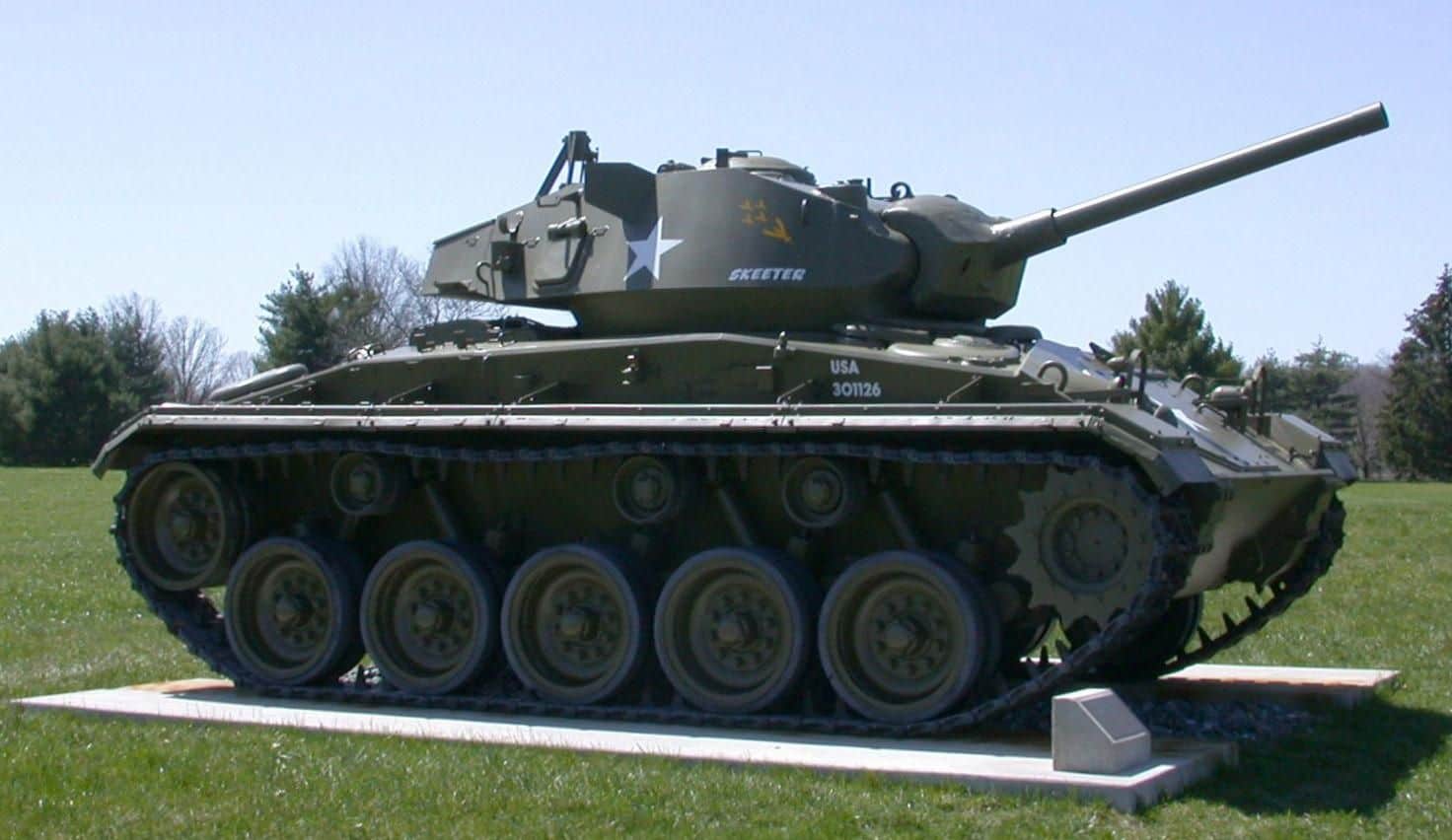
- Year introduced to service: 1944
- Era: WWII
- Tank class: Light Tank
- Dominance driver: Mobility + improved gun
- Battlefield advantage created: Turned reconnaissance into combat power
- Strategic impact: Influenced postwar light tank doctrine
- Why it was truly dominant: Proved light tanks could fight effectively
The M24 Chaffee transformed the role of the light tank by pairing mobility with a gun capable of real combat power. Instead of avoiding contact, reconnaissance elements could now fight for information and survive unexpected engagements. This combination reshaped expectations for light armor and influenced postwar vehicle design, proving that speed did not have to come at the expense of battlefield relevance.
M18 Hellcat
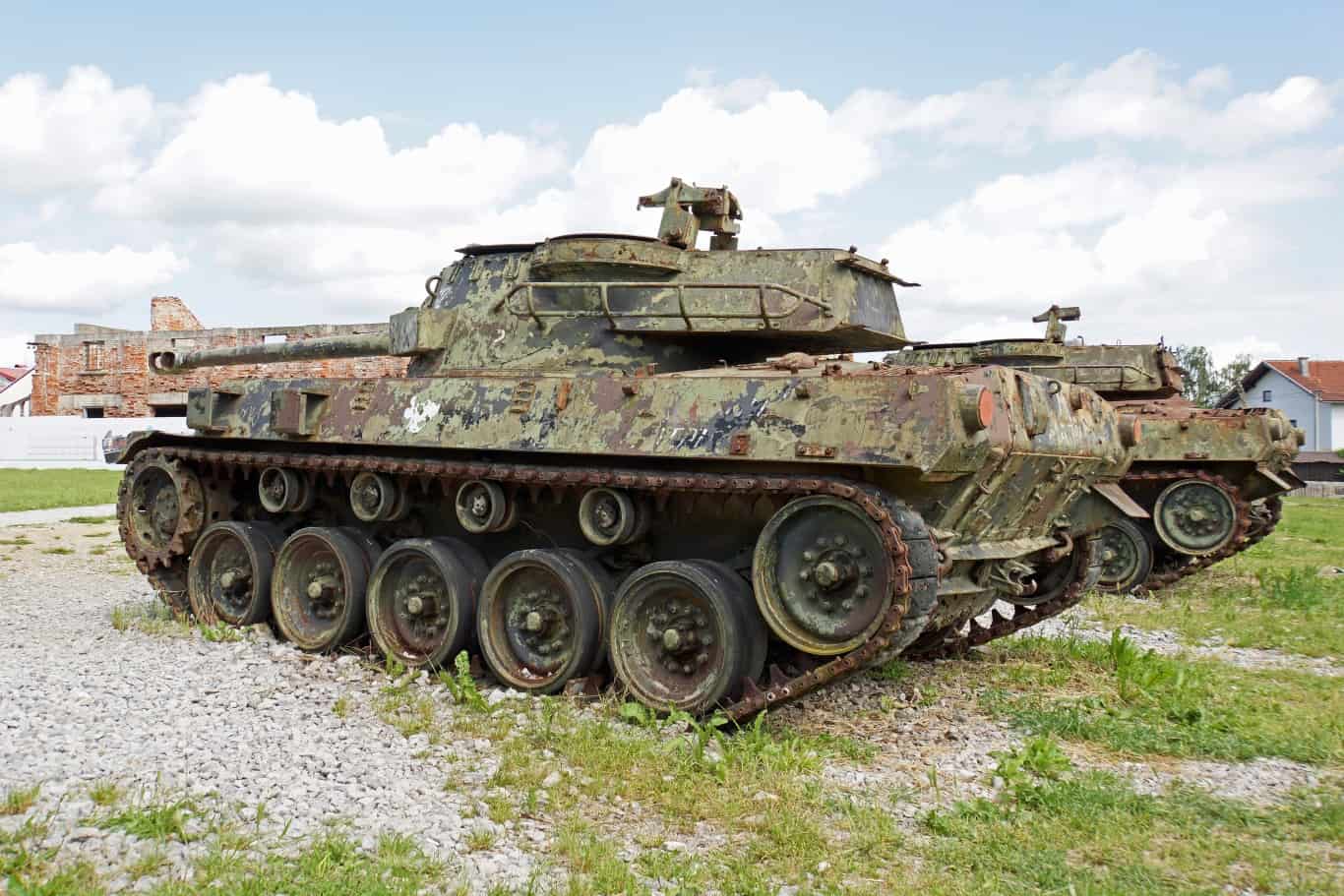
- Year introduced to service: 1943
- Era: WWII
- Tank class: Tank Destroyer
- Dominance driver: Extreme speed
- Battlefield advantage created: Dictated engagement terms
- Strategic impact: Unique mobility doctrine
- Why it was truly dominant: Controlled when and where battles occurred
Speed defined the M18 Hellcat’s dominance. As the fastest armored fighting vehicle of the war, it allowed American forces to choose when to engage and when to disengage. That control over tempo created tactical advantages far beyond what armor thickness alone could provide, demonstrating that mobility can be just as decisive as firepower in shaping battlefield outcomes.
M36 Jackson
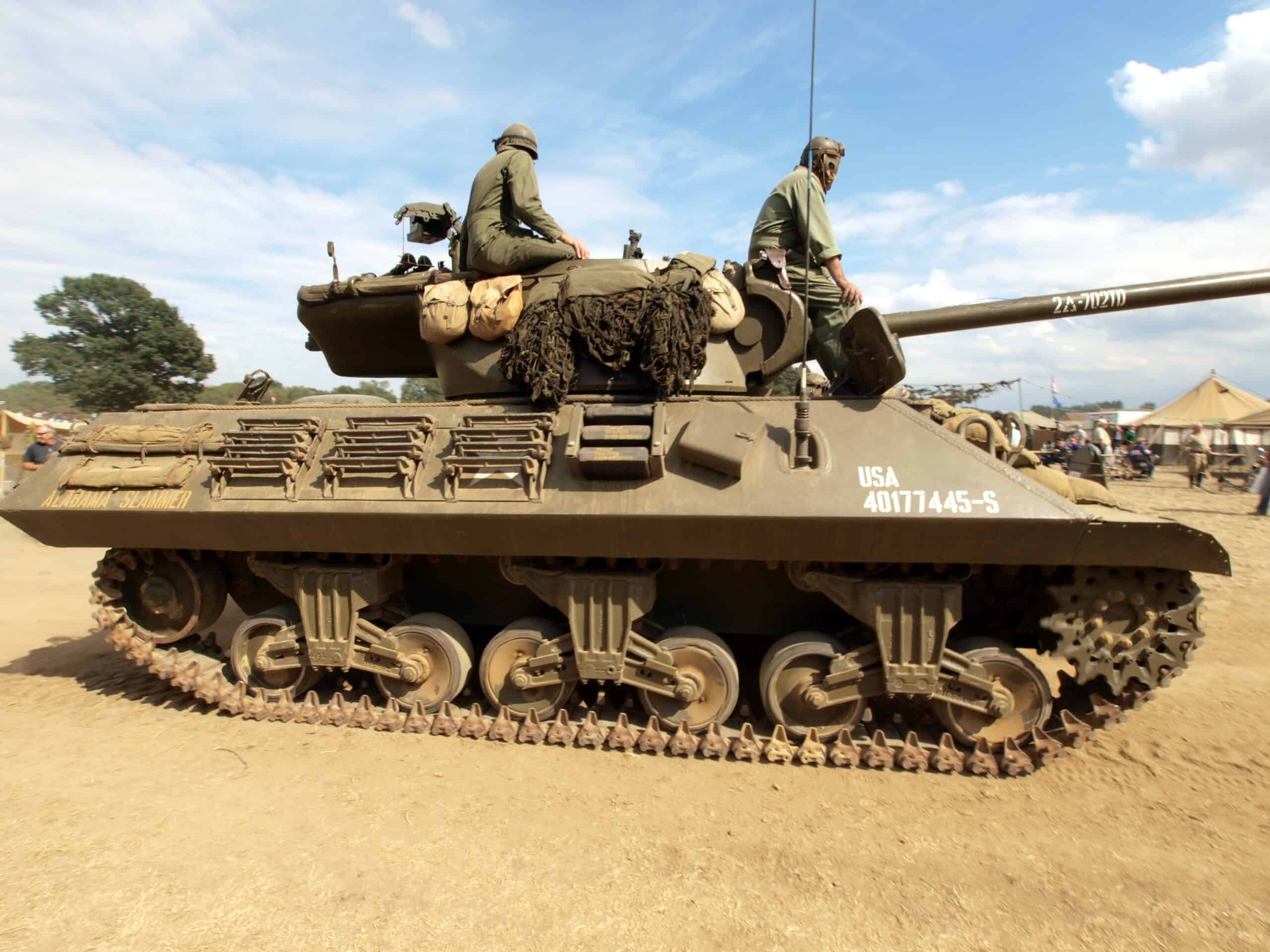
- Year introduced to service: 1944
- Era: WWII
- Tank class: Tank Destroyer
- Dominance driver: Heavy anti-armor gun
- Battlefield advantage created: Overmatched German armor
- Strategic impact: Boosted Allied confidence
- Why it was truly dominant: Delivered decisive anti-tank capability
The M36 Jackson restored American confidence against heavily armored German vehicles by mounting a formidable 90mm gun on a proven chassis. Its ability to defeat enemy armor at meaningful ranges reduced the psychological edge held by opposing heavy tanks. In doing so, it reinforced the importance of credible overmatch and ensured U.S. forces could contest armored battles more aggressively.
M46 Patton
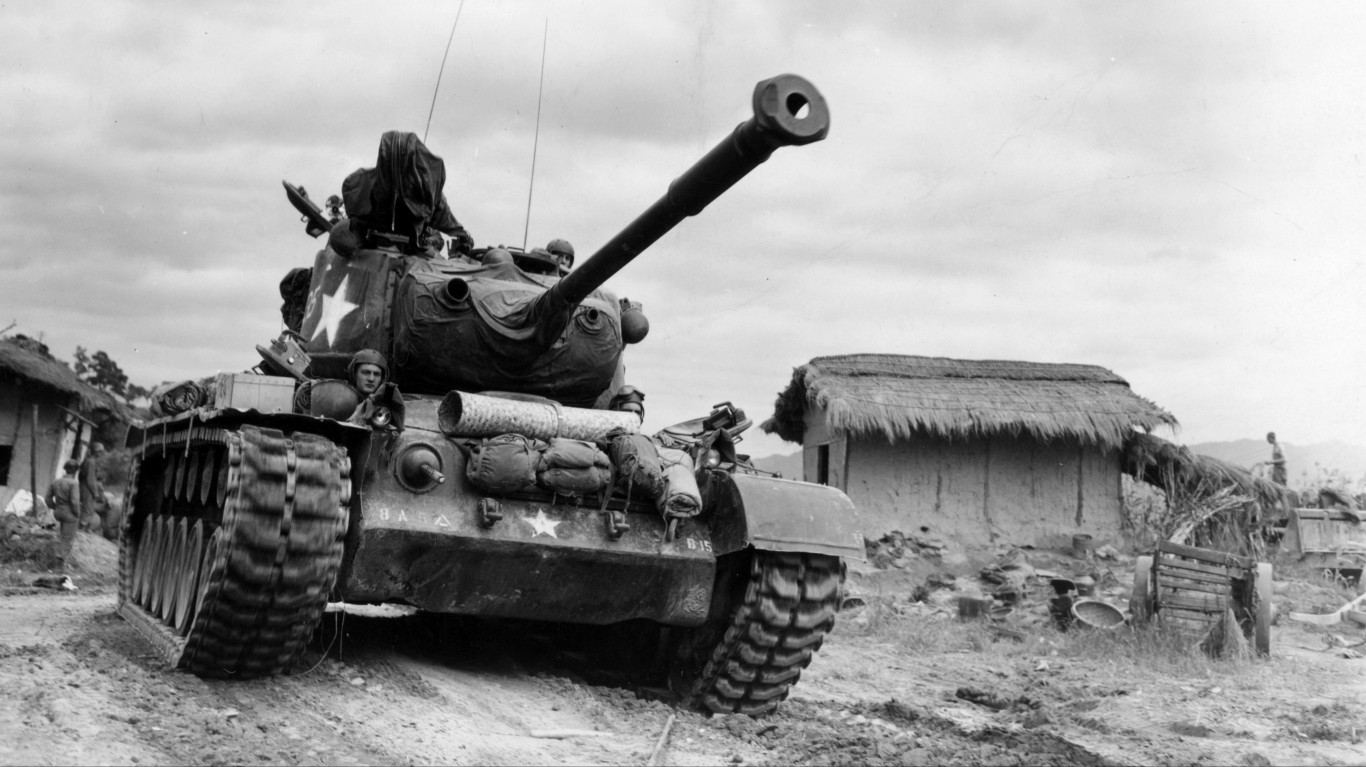
- Year introduced to service: 1949
- Era: Early Cold War
- Tank class: Main Battle Tank
- Dominance driver: Improved mobility and firepower
- Battlefield advantage created: Outperformed earlier U.S. tanks
- Strategic impact: Launched Patton lineage
- Why it was truly dominant: Marked the start of modern U.S. armored doctrine
The M46 Patton signaled the beginning of a modern American tank philosophy built around mobility, firepower, and mechanical refinement. Entering combat during the Korean War, it outperformed earlier designs and demonstrated that incremental modernization could deliver decisive advantages. Its success laid the groundwork for a lineage that would anchor U.S. armored strength throughout the Cold War.
M47 Patton
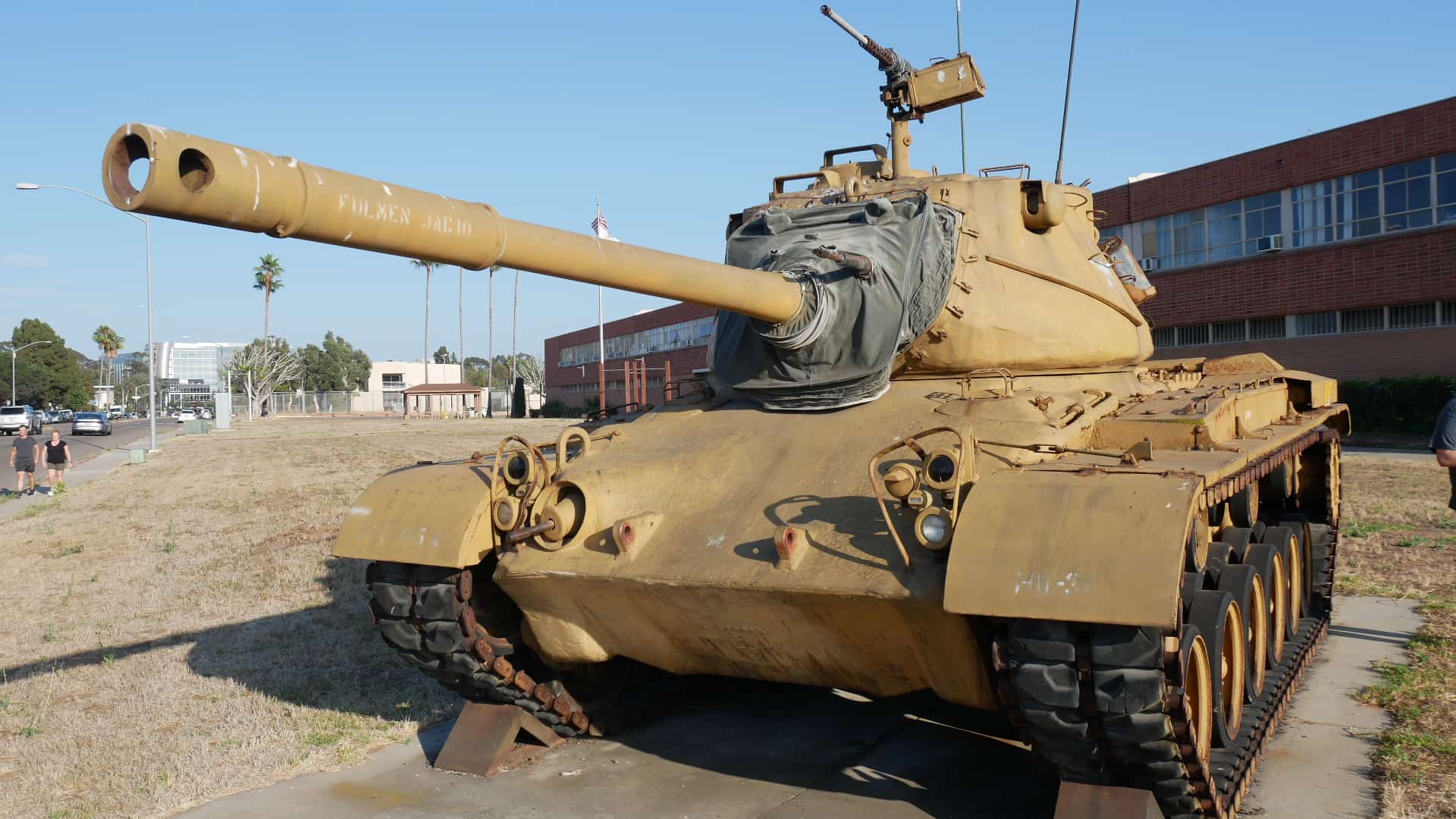
- Year introduced to service: 1951
- Era: Cold War
- Tank class: Main Battle Tank
- Dominance driver: Firepower upgrade
- Battlefield advantage created: Strengthened NATO armor
- Strategic impact: Widely exported
- Why it was truly dominant: Projected Western armored strength
Serving as a cornerstone of early NATO armored power, the M47 Patton projected strength during one of the most volatile periods of the 20th century. Widely exported, it helped allied nations field credible armored formations at a time when deterrence depended heavily on visible capability. Its dominance stemmed as much from geopolitical presence as from battlefield performance.
M48 Patton
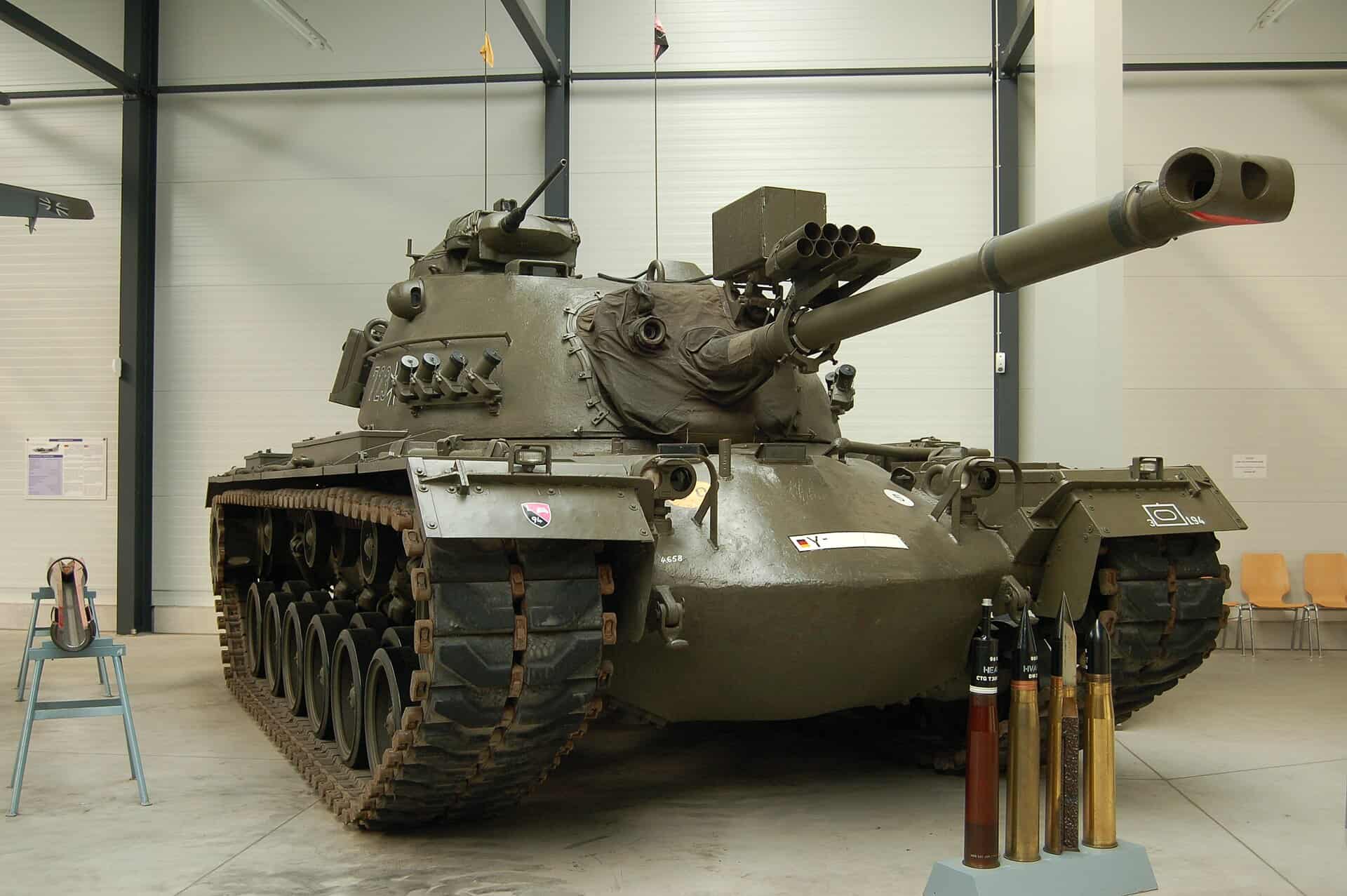
- Year introduced to service: 1953
- Era: Cold War
- Tank class: Main Battle Tank
- Dominance driver: Balanced armor & gun
- Battlefield advantage created: Created credible armored deterrence
- Strategic impact: Global deployment
- Why it was truly dominant: Defined Western armored presence
Few tanks matched the global footprint of the M48 Patton. Fielded across multiple continents, it provided a dependable balance of protection and firepower that reassured allies and complicated adversary planning. By anchoring Western armored forces for years, the M48 demonstrated that strategic presence alone can generate a form of dominance that shapes military calculations.
M41 Walker Bulldog

- Year introduced to service: 1951
- Era: Cold War
- Tank class: Light Tank
- Dominance driver: High mobility
- Battlefield advantage created: Gave allies rapid armored capability
- Strategic impact: Major export success
- Why it was truly dominant: Expanded U.S. influence through partner forces
The M41 Walker Bulldog delivered speed and firepower to partner nations seeking credible armored capability without the burden of heavier platforms. Its export success extended American influence while giving smaller militaries the confidence to maneuver aggressively. Dominance, in this case, came from enabling allies to field armor that could not be easily ignored.
M103 Heavy Tank

- Year introduced to service: 1957
- Era: Cold War
- Tank class: Heavy Tank
- Dominance driver: Psychological overmatch
- Battlefield advantage created: Countered Soviet heavies
- Strategic impact: Symbol of escalation
- Why it was truly dominant: Imposed deterrence through presence
Built to counter the psychological threat of Soviet heavy tanks, the M103 projected deterrence even when not engaged in large-scale combat. Its imposing presence forced adversaries to account for the possibility of confronting heavily armored opposition. Sometimes dominance is less about battlefield statistics and more about shaping enemy expectations before a fight begins.
M60 Patton
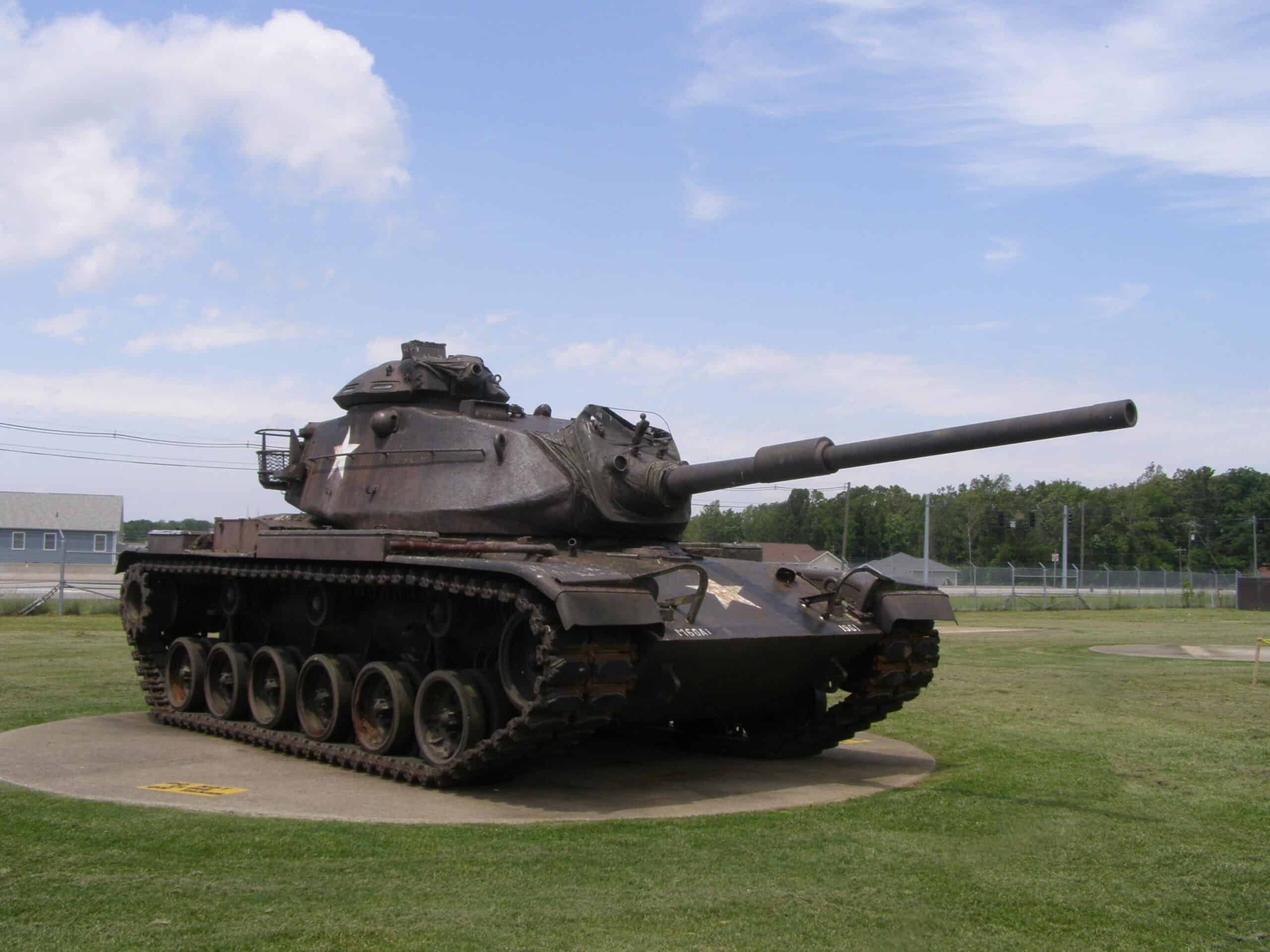
- Year introduced to service: 1960
- Era: Cold War
- Tank class: Main Battle Tank
- Dominance driver: Longevity
- Battlefield advantage created: Provided decades of armored dominance
- Strategic impact: Used globally
- Why it was truly dominant: Sustained U.S. armored superiority for a generation
For decades, the M60 Patton effectively personified American armored power. Reliable, lethal, and continuously improved, it served across multiple regions and conflicts. Its longevity allowed commanders to depend on a familiar platform while maintaining credible firepower, proving that sustained relevance can itself become a powerful form of battlefield dominance.
M551 Sheridan
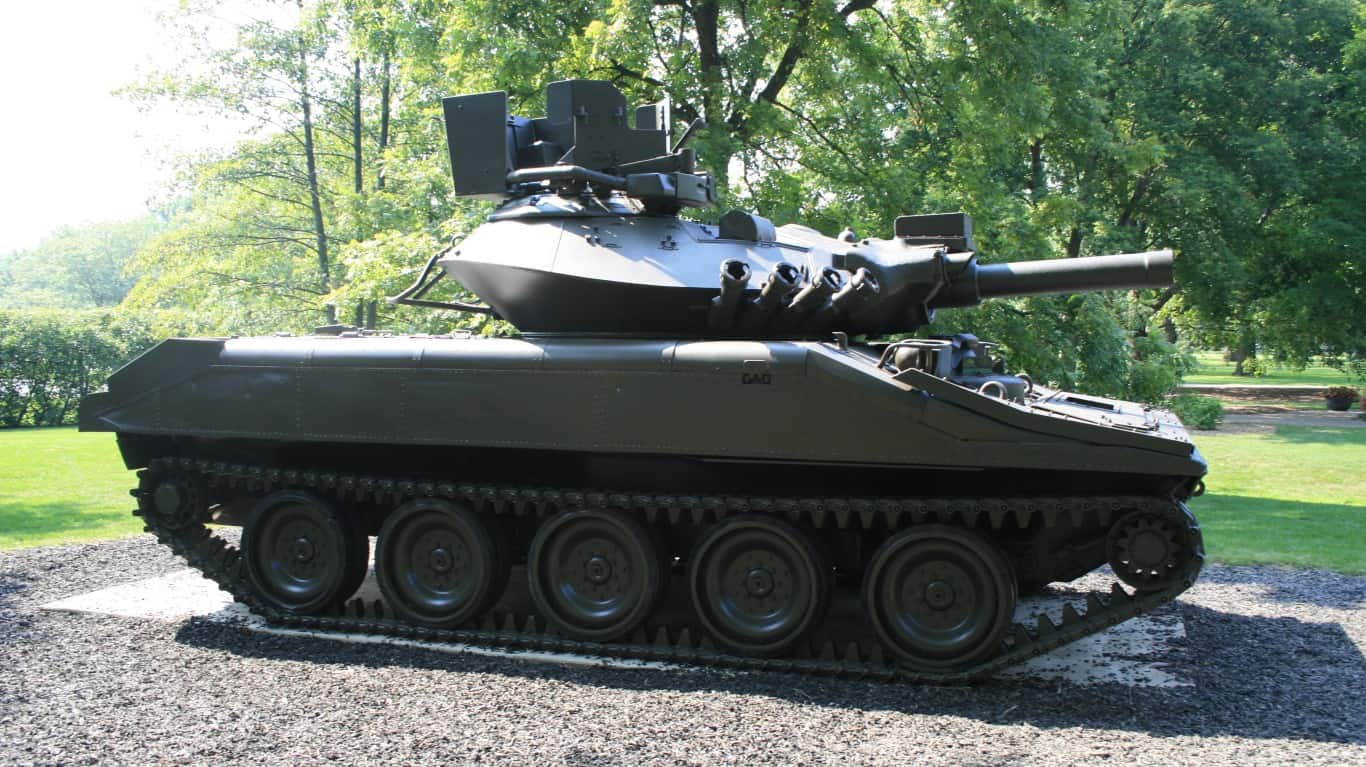
- Year introduced to service: 1967
- Era: Cold War
- Tank class: Light Tank
- Dominance driver: Air deployability
- Battlefield advantage created: Extended armor into rapid-response missions
- Strategic impact: Doctrinal experimentation
- Why it was truly dominant: Expanded where armor could operate
The M551 Sheridan expanded the operational reach of armored forces by introducing a vehicle that could be air-deployed alongside rapid-response units. Though unconventional, it allowed armor to appear where opponents least expected it. This strategic flexibility reshaped planning assumptions and illustrated how mobility at the operational level can redefine dominance.
M1 Abrams
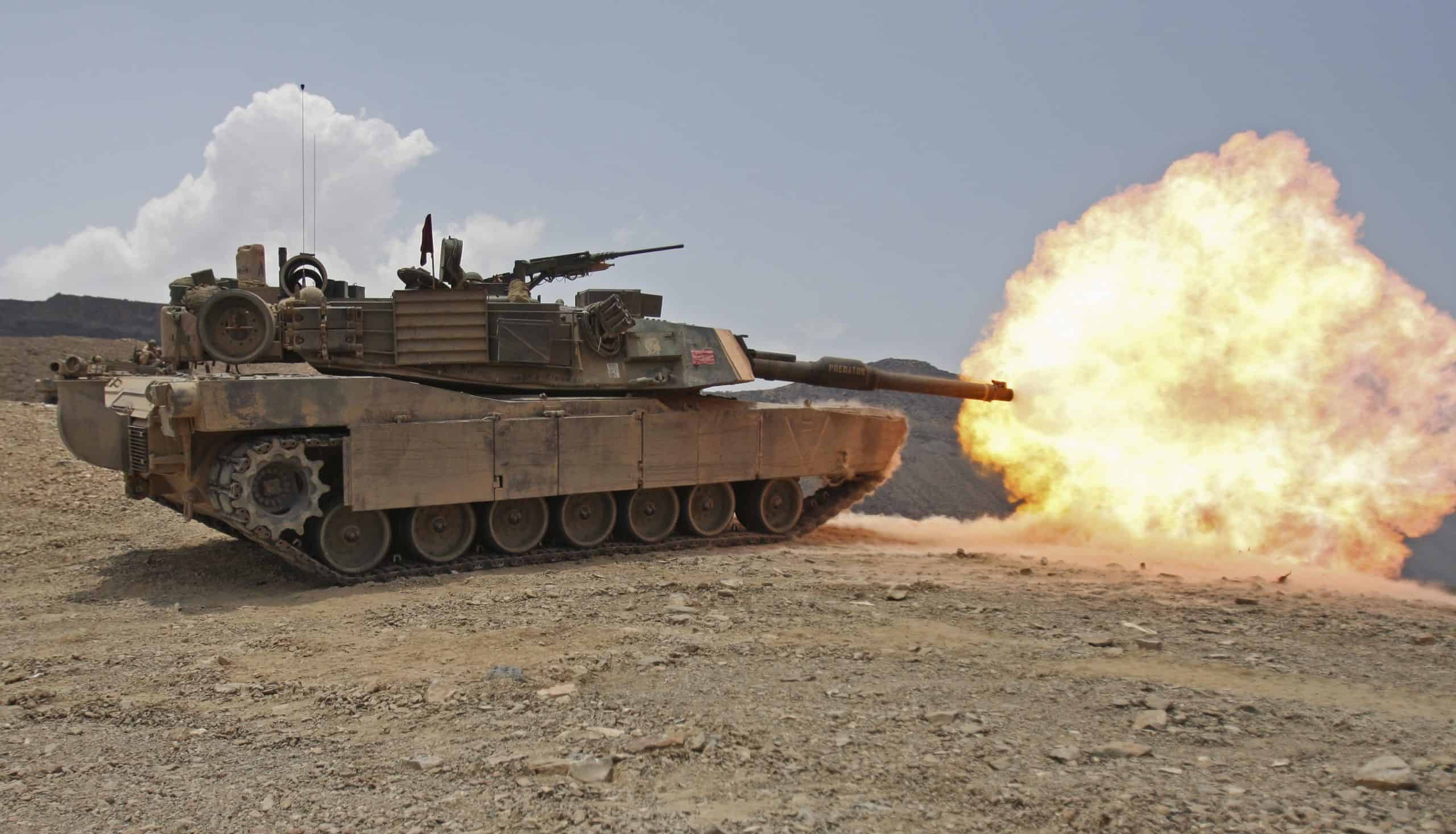
- Year introduced to service: 1980
- Era: Late Cold War
- Tank class: Main Battle Tank
- Dominance driver: Composite armor + turbine
- Battlefield advantage created: Created technological overmatch
- Strategic impact: Shifted global tank design
- Why it was truly dominant: Established a new survivability standard
The original M1 Abrams represented a generational leap forward, combining advanced composite armor with exceptional mobility. Potential adversaries suddenly faced a platform engineered to survive hits that would destroy earlier tanks. This technological gap helped establish a new benchmark for protection and lethality, reinforcing America’s reputation for armored superiority.
M1A1 Abrams
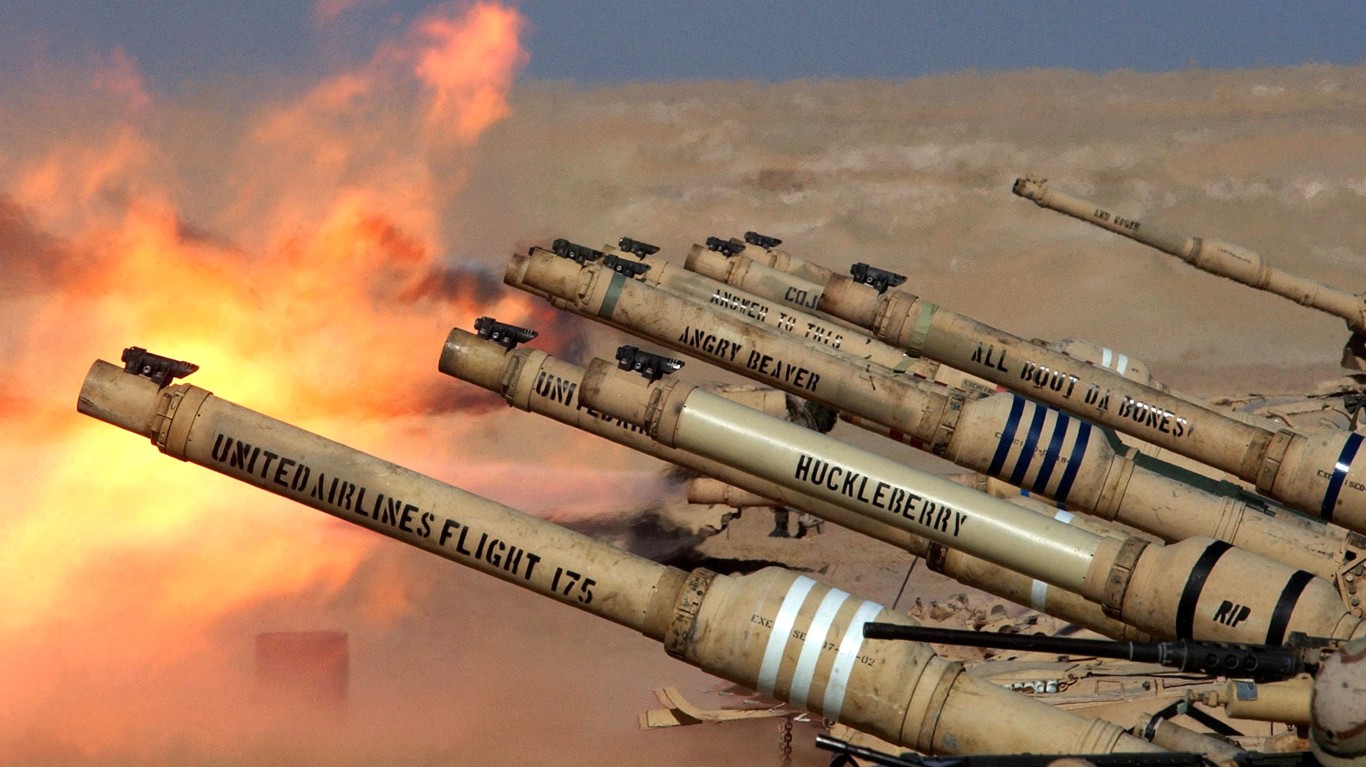
- Year introduced to service: 1985
- Era: Late Cold War
- Tank class: Main Battle Tank
- Dominance driver: 120mm cannon
- Battlefield advantage created: Destroyed Iraqi armor at range
- Strategic impact: Demonstrated U.S. superiority
- Why it was truly dominant: Achieved overwhelming battlefield dominance
The M1A1 Abrams demonstrated unmistakable battlefield dominance during the Gulf War, where its powerful cannon and targeting systems enabled engagements at ranges Iraqi forces could rarely match. The resulting asymmetry underscored the value of technological overmatch and showed how superior sensors and firepower can collapse an opponent’s ability to respond effectively.
M1A2 Abrams
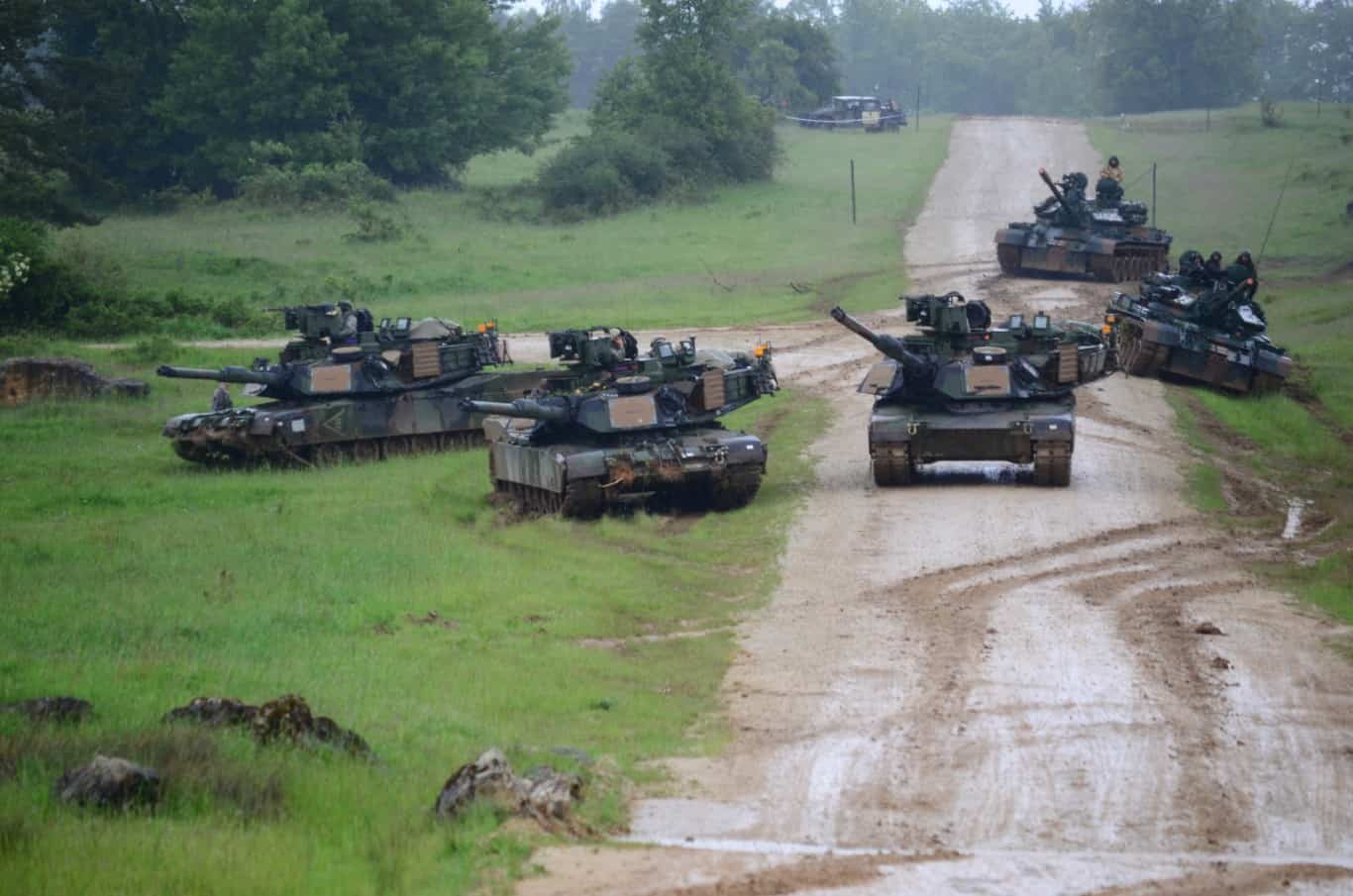
- Year introduced to service: 1992
- Era: Post-Cold War
- Tank class: Main Battle Tank
- Dominance driver: Digital battlefield systems
- Battlefield advantage created: Enhanced command awareness
- Strategic impact: Led networked warfare
- Why it was truly dominant: Merged information with firepower
With the M1A2 Abrams, digital connectivity entered armored warfare. Enhanced situational awareness allowed crews to process battlefield information faster and act with greater precision. This fusion of data and firepower illustrated that dominance was no longer purely mechanical; it increasingly depended on information superiority and coordinated action.
Stryker Mobile Gun System
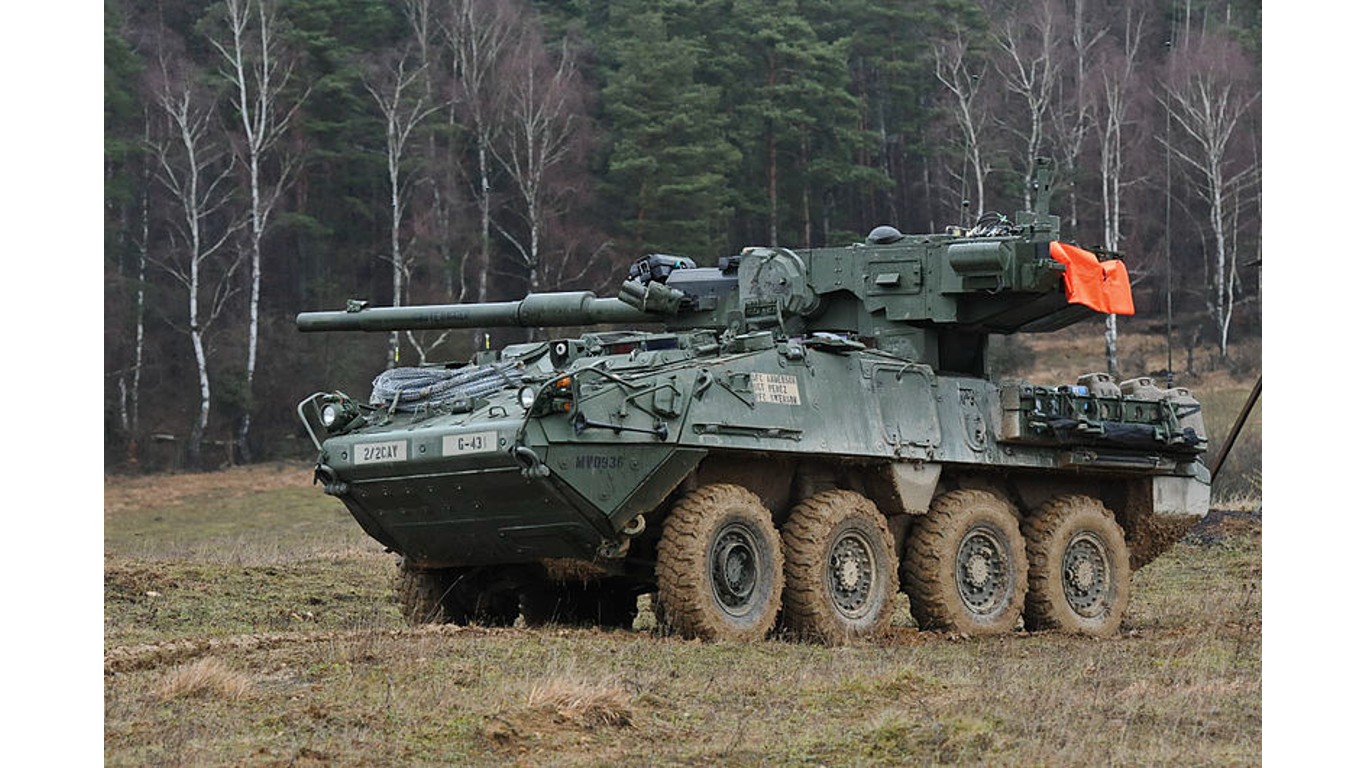
- Year introduced to service: 2002
- Era: Modern
- Tank class: Mobile Gun Platform
- Dominance driver: Rapid deployability
- Battlefield advantage created: Delivered armor support quickly
- Strategic impact: Shifted light-force doctrine
- Why it was truly dominant: Redefined operational dominance
The Stryker Mobile Gun System demonstrated that dominance is not always about weight. Its ability to deploy quickly and deliver meaningful firepower gave commanders armored support in scenarios where traditional tanks arrived too late. Operational speed, in this context, became a decisive advantage.






 Top Gaining Stocks
 Top Losing Stocks